Introduction
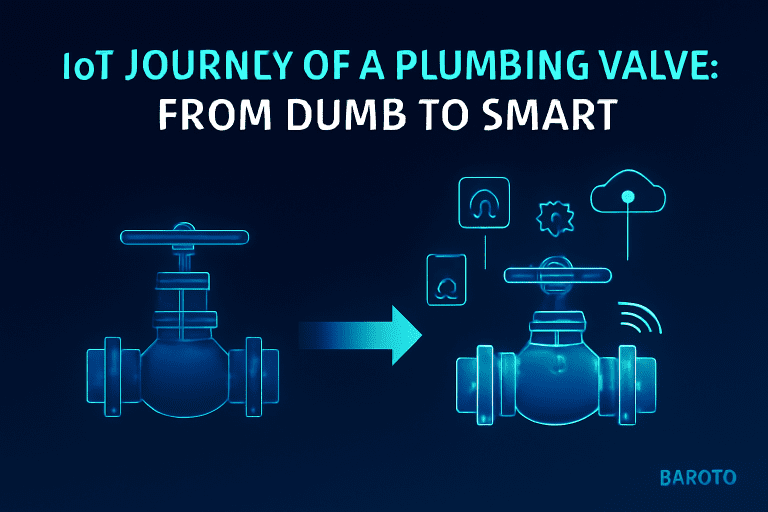
Traditionally, plumbing valves were mere mechanical switches—simple, robust, and entirely manual. But with the rise of the Internet of Things (IoT), these “dumb” products are undergoing a spectacular digital transformation, turning into intelligent, connected, and self-optimizing components of modern water systems. In this blog, we chronicle the real-world journey of a plumbing valve—from initial concept to becoming a smart hardware product—and show how the convergence of sensors, cloud connectivity, and data analytics enables new levels of efficiency, sustainability, and value.
1. Phase One: The Age of Dumb Valves

-
Manual operation: Requires on-site access, often leading to delayed response for leaks or issues.
-
Lack of data: No usage tracking, failure prediction, or remote diagnostics.
-
Constant supervision: Human monitoring needed to ensure systems function as intended.
-
Maintenance challenges: Failures are often detected late, causing water loss or property damage.
2. The Trigger: What Problems Spark Smart Plumbing Innovation?
-
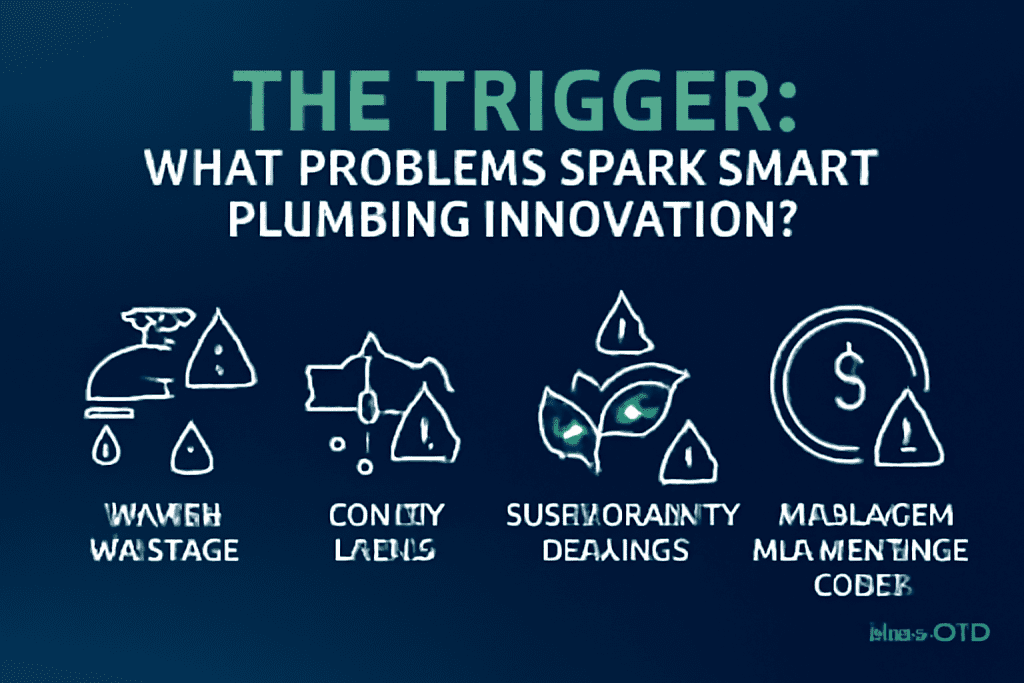
Water wastage and costly leaks: Manual valves can’t respond instantly to unexpected bursts or inefficiencies.
-
Regulatory pressure and sustainability goals: Cities and organizations demand more visibility and control over water consumption.
-
Labor and maintenance costs: Manual checks are labor-intensive and prone to human error.
3. Reimagining the Valve: Digital Foundations

-
Embedded Sensors:
Smart valves are equipped with flow, pressure, and sometimes chemical sensors, enabling real-time monitoring of water conditions at every point in the system. -
Wireless Connectivity:
Modern smart valves feature WiFi, ZigBee, LoRa, or cellular modules that communicate with building management systems or mobile apps. -
Microcontrollers & Actuators:
Allow the valve to be operated remotely and respond autonomously to sensor data (e.g., shutting off when a leak is detected).
4. The IoT Plumbing Valve Solution: Capabilities Unleashed
-
Remote Monitoring & Control:
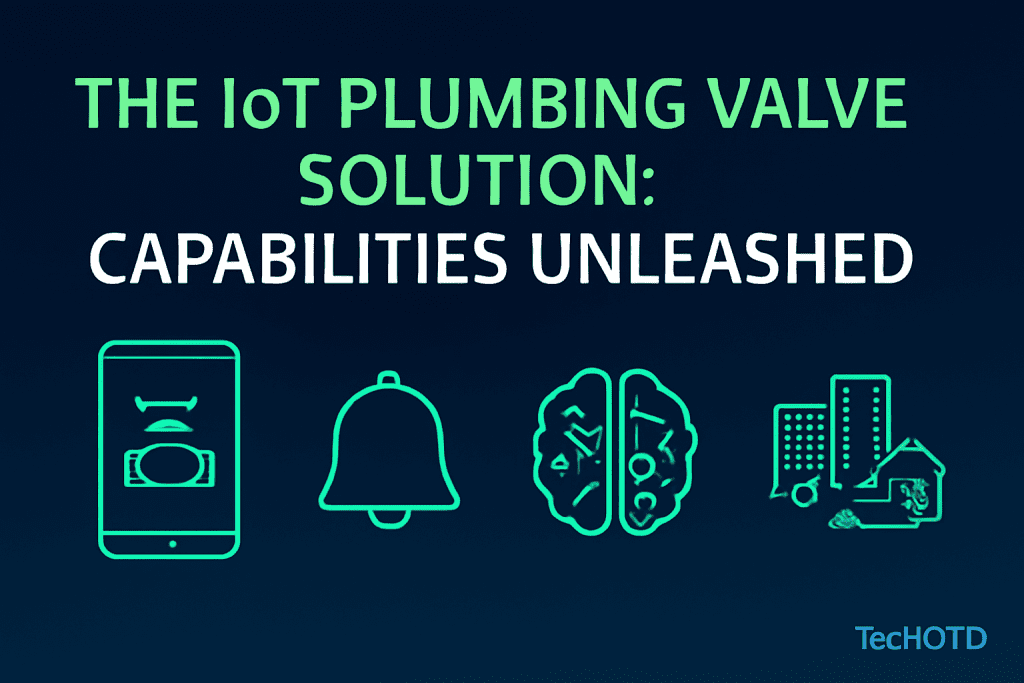
Facility managers and homeowners can check valve status, flow rates, and issue commands from a smartphone or dashboard—anywhere, anytime. -
Automated Alerts:
Receive instant notifications for leaks, excessive flow, or freezing conditions, enabling rapid response and minimizing damage. -
Predictive Maintenance & Analytics:
The combination of usage data and AI analytics supports proactive servicing, optimizing both performance and lifespan of plumbing assets. -
Integration with Smart Ecosystems:
Connect valves to fire suppression, energy management, or home automation platforms for unified, responsive building operations.
5. Real-World Impact

-
Water Utilities:
Deploy smart valves to monitor city-wide systems, reduce non-revenue water through early leak detection, and optimize pressure to minimize bursts. -
Commercial Buildings:
Achieve regulatory compliance, reduce operational costs, and deliver greener, more responsive facilities. -
Residential Homes:
Prevent costly flood damage and empower owners to actively manage water usage and conserve resources.
6. The Future: Smarter, Safer, Sustainable

-
AI + Digital Twins:
Next-gen smart valves use digital twins and AI to simulate and optimize real-world performance, preempting problems before they happen. -
Edge Computing:
Smart valves are becoming more autonomous, running analytics on-device for instant decision-making. -
Self-Learning Systems:
Over time, smart valves adapt to usage patterns, environmental changes, and unique plumbing demands—delivering truly “intelligent” water management.
Conclusion
The IoT-driven evolution of plumbing valves is a story of hard work, innovation, and digital transformation. What started as a humble manual component is now central to smart buildings, sustainable utilities, and efficient, resilient infrastructure. Businesses and homeowners ready to harness the full value of IoT plumbing systems—integrating smart sensors, cloud dashboards, and AI analytics—will drive the next phase of efficiency and water wisdom.
Interested in building, upgrading, or monitoring your own smart plumbing systems? Partner with the IoT and web development leaders at TechOTD, leverage advanced analytics with AI solutions, or explore industry-specific innovations at Industry Solutions. Discover flexible, scalable, and secure digital plumbing control—start your journey today!
FAQ
1. What makes a plumbing valve “smart”?
Sensors, actuators, and wireless connectivity allow for real-time data, remote control, and autonomous behavior in response to leaks or usage patterns.
2. What are the biggest benefits of IoT plumbing valves?
Instant leak detection, predictive maintenance, water conservation, and remote monitoring/control.
3. Can smart valves integrate with other smart home or building systems?
Yes! Modern platforms enable integration with fire, HVAC, and central building management systems for holistic control.
4. Are smart valves cost-effective for small buildings or homes?
While initial investment is higher than standard valves, long-term savings from avoided damage, lower labor, and water efficiency justify the expense.
5. How do I get started with smart plumbing technology?
Contact experts like Techotd for a tailored solution that fits your property, budget, and sustainability goals.