IoT

Artificial Intelligence, Educational Technology

How Edge AI Is Powering the Next Generation of Smart Devices

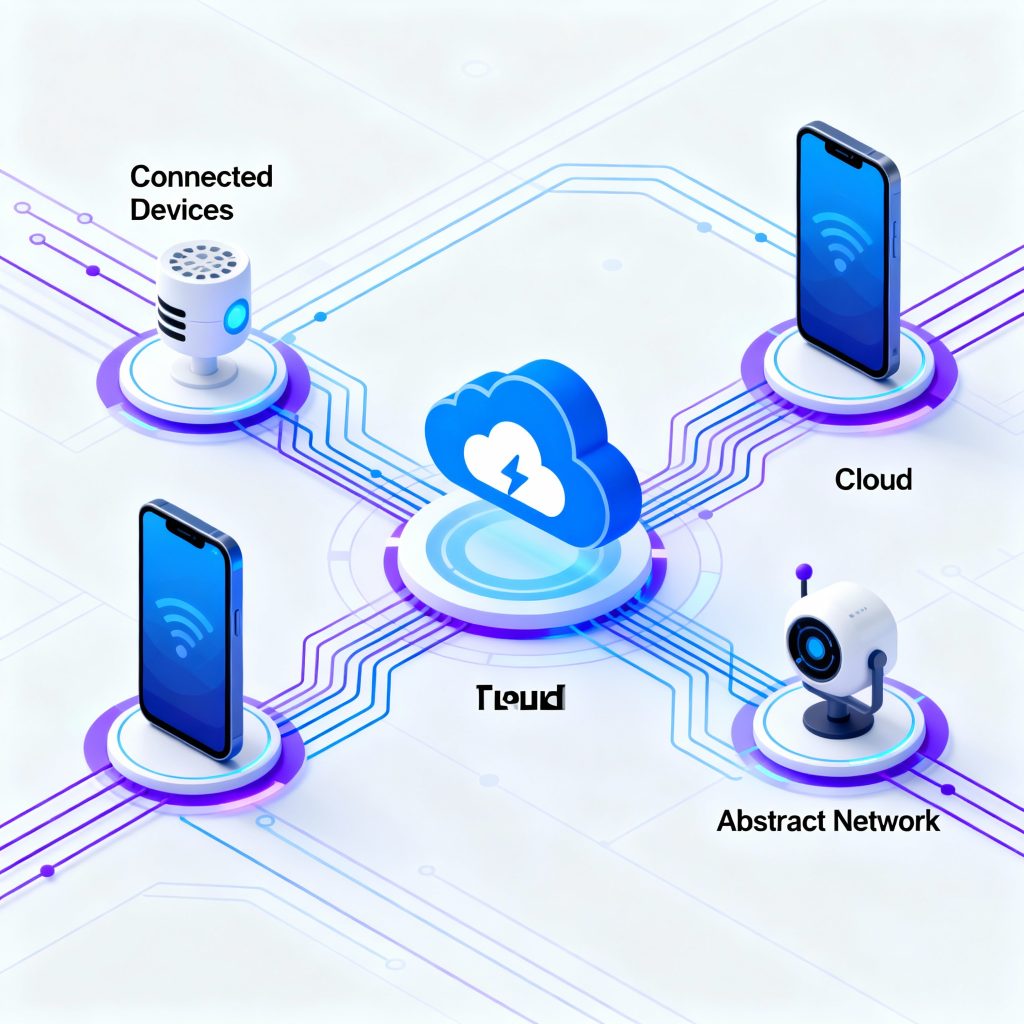
How Edge AI Is Powering the Next Generation of Smart Devices Artificial Intelligence has become one of the most influential technologies of the modern digital era. Over the past few years, AI applications have evolved from cloud-based systems to more efficient and responsive solutions capable of operating directly on devices. This shift has given rise to Edge AI, a transformative technology that is changing the way smart devices function and interact with users. From smartphones and smart speakers to industrial robots and healthcare monitoring systems, Edge AI is enabling devices to process information locally instead of relying entirely on remote cloud servers. This approach is making devices faster, smarter, more secure, and capable of delivering real-time experiences that were previously difficult to achieve. As businesses and consumers continue to demand intelligent technologies that provide instant responses while protecting sensitive data, Edge AI is emerging as a critical component of next-generation smart devices. Understanding how this technology works and why it matters can help organizations and individuals prepare for the future of connected technology. What Is Edge AI? Edge AI refers to the deployment of artificial intelligence algorithms directly on hardware devices located at the “edge” of a network. Instead of sending data to cloud data centers for processing, the device itself performs AI computations locally. The term “edge” refers to devices positioned close to where data is generated. Examples include: Smartphones Smart cameras Smartwatches Industrial sensors Autonomous vehicles Medical devices Smart home appliances Retail monitoring systems By integrating AI capabilities directly into these devices, organizations can significantly reduce the need for constant cloud communication while improving performance and responsiveness. For example, when a smartphone uses facial recognition to unlock instantly, much of the processing happens directly on the device rather than being sent to a remote server. This local processing is a practical example of Edge AI in action. Why Edge AI Is Gaining Momentum Several technological developments are driving the rapid adoption of Edge AI across industries. The growth of Internet of Things (IoT) devices has resulted in billions of connected systems generating enormous amounts of data every day. Sending all this information to centralized cloud environments can create bandwidth limitations, increase costs, and introduce delays. At the same time, consumers have become more concerned about privacy and data security. Organizations are looking for ways to process information without exposing sensitive data to external servers. Advancements in AI chips, neural processing units (NPUs), and specialized hardware accelerators have also made it possible to run sophisticated AI models on compact devices with limited power consumption. These factors have created the ideal environment for Edge AI to flourish. How Edge AI Works Edge AI combines machine learning models with specialized hardware capable of performing complex calculations efficiently. The process generally follows these steps: Data Collection Sensors, cameras, microphones, and connected components collect information from the surrounding environment. Local Processing The device processes the data using embedded AI models. Instead of transmitting raw data to a cloud server, the analysis occurs locally. Decision Making Based on the processed information, the AI model makes decisions or predictions in real time. Action Execution The device performs the necessary action immediately, such as sending alerts, adjusting settings, recognizing objects, or responding to voice commands. Optional Cloud Synchronization Some devices periodically connect to cloud platforms for updates, training improvements, or data backups while keeping most real-time operations local. This architecture dramatically improves efficiency while reducing dependency on internet connectivity. Key Benefits of Edge AI The increasing popularity of Edge AI is largely driven by the advantages it offers over traditional cloud-based AI systems. Faster Response Times One of the biggest advantages of Edge AI is reduced latency. When data must travel to a cloud server and back, delays can occur. In applications such as autonomous vehicles or industrial automation, even a few milliseconds can be critical. By processing data directly on the device, Edge AI delivers immediate responses that improve user experiences and operational efficiency. Enhanced Privacy and Security Data privacy has become a major concern for businesses and consumers. Edge AI helps address these concerns by keeping sensitive information on the device rather than transmitting it across networks. For example: Medical devices can analyze patient data locally. Security cameras can identify threats without storing footage in the cloud. Smartphones can process biometric information without external servers. This approach reduces exposure to cyber threats and helps organizations comply with data protection regulations. Reduced Bandwidth Usage Transmitting large amounts of data to cloud platforms requires significant network resources. Edge AI minimizes bandwidth consumption because only relevant insights or summarized information need to be transmitted. This capability is particularly valuable in remote environments where network connectivity may be limited or expensive. Improved Reliability Many smart devices operate in environments where internet connectivity is inconsistent. Since Edge AI functions locally, devices can continue working even when network access is unavailable. This reliability is essential for industries such as manufacturing, transportation, healthcare, and defense. Lower Operational Costs Cloud computing costs can increase rapidly as organizations process larger volumes of data. By performing AI tasks at the edge, companies can reduce cloud storage, bandwidth expenses, and server processing requirements. This cost efficiency makes AI deployment more accessible for businesses of all sizes. Edge AI in Smartphones Modern smartphones are among the most common examples of Edge AI. Manufacturers increasingly incorporate AI accelerators that enable advanced features such as: Facial recognition Voice assistants Real-time translation Photography enhancement Predictive text suggestions Battery optimization Spam call detection Because these capabilities run directly on the device, users experience faster performance while maintaining greater privacy. The latest generation of smartphones continues to demonstrate how Edge AI can improve everyday digital experiences without relying heavily on cloud infrastructure. Smart Homes Powered by Edge AI The smart home ecosystem is rapidly evolving thanks to Edge AI technologies. Smart devices can now make intelligent decisions locally rather than waiting for cloud instructions. Examples include: Smart Security Systems AI-powered cameras can detect suspicious activities, recognize faces, and differentiate between
Digital Transformation, Technology & Innovation, telecom

The Business Impact of 5G and the Road to 6G Connectivity

The Business Impact of 5G and the Road to 6G Connectivity The world is becoming increasingly connected, and the technologies that power this connectivity are evolving at an unprecedented pace. Over the past few years, 5G has emerged as one of the most transformative technological advancements, promising faster speeds, lower latency, and the ability to connect billions of devices simultaneously. While many businesses are still exploring the full potential of 5G, discussions about 6G are already gaining momentum. Connectivity has become the foundation of modern business operations. From cloud computing and remote work to artificial intelligence and the Internet of Things (IoT), organizations depend on reliable, high-speed networks to remain competitive. As industries continue their digital transformation journeys, both 5G and the future transition to 6G are expected to redefine how businesses operate, innovate, and serve customers. Understanding the impact of these technologies is essential for organizations that want to stay ahead in a rapidly evolving digital landscape. Understanding 5G Technology 5G, or fifth-generation wireless technology, represents a significant upgrade from previous mobile network generations. Unlike 4G, which primarily focused on improving mobile internet speeds, 5G is designed to support a wide range of advanced applications and connected ecosystems. One of the most notable features of 5G is its ability to deliver extremely high data transfer speeds. Businesses can transmit large volumes of information in real time, enabling smoother communication, faster cloud access, and improved operational efficiency. Another critical advantage is ultra-low latency, which reduces the delay between sending and receiving information. This capability is particularly important for applications that require real-time responsiveness, such as autonomous vehicles, remote surgery, and industrial automation. Additionally, 5G can support a significantly larger number of connected devices compared to previous generations. This makes it ideal for environments where thousands or even millions of sensors, machines, and smart devices need to communicate simultaneously. How 5G Is Transforming Businesses The impact of 5G extends far beyond faster smartphone internet. Businesses across various sectors are leveraging this technology to create new opportunities and improve existing operations. Enhanced Remote Work and Collaboration The shift toward hybrid and remote work has increased the demand for reliable connectivity. 5G enables seamless video conferencing, faster file sharing, and real-time collaboration regardless of location. Employees can access cloud-based applications more efficiently, reducing delays and improving productivity. As organizations continue to embrace flexible work models, 5G provides the infrastructure needed to support distributed teams and digital workplaces. Accelerating the Internet of Things (IoT) The Internet of Things is one of the biggest beneficiaries of 5G technology. Smart devices generate enormous amounts of data, and 5G networks provide the bandwidth and reliability required to manage these connections effectively. Businesses can deploy large-scale IoT ecosystems for applications such as: Smart manufacturing Asset tracking Supply chain monitoring Smart agriculture Energy management Connected healthcare devices The ability to process and transmit data in real time enables organizations to make faster and more informed decisions. Revolutionizing Manufacturing Manufacturing is undergoing a major transformation through Industry 4.0 initiatives, and 5G plays a central role in this evolution. Factories equipped with connected sensors, autonomous robots, and intelligent monitoring systems can achieve greater efficiency and productivity. Real-time communication between machines allows manufacturers to optimize production processes, reduce downtime, and improve quality control. Predictive maintenance powered by IoT sensors helps identify potential equipment failures before they occur, minimizing disruptions and reducing maintenance costs. Improving Customer Experiences Customer expectations continue to rise, and businesses are seeking innovative ways to deliver personalized and engaging experiences. Retailers can use 5G-powered technologies such as augmented reality (AR) and virtual reality (VR) to create immersive shopping experiences. Customers can virtually try products, explore digital showrooms, and receive personalized recommendations in real time. Similarly, entertainment companies can deliver high-quality streaming services with minimal buffering, enhancing user satisfaction and engagement. Driving Innovation in Healthcare Healthcare organizations are leveraging 5G to improve patient care and operational efficiency. Real-time data sharing enables healthcare providers to access patient information instantly, facilitating faster diagnosis and treatment decisions. Telemedicine services become more reliable and effective, allowing doctors to consult with patients remotely without connectivity limitations. Advanced applications such as remote robotic surgery and AI-assisted diagnostics also benefit from the low latency and high reliability offered by 5G networks. Supporting Smart Cities Cities around the world are investing in smart infrastructure to improve transportation, energy management, public safety, and environmental monitoring. 5G provides the connectivity foundation for smart city initiatives by enabling real-time communication between sensors, cameras, vehicles, and public services. This results in more efficient resource utilization and improved quality of life for residents. Economic Benefits of 5G Adoption The adoption of 5G is generating significant economic opportunities for businesses and governments alike. Organizations that invest in 5G-enabled solutions can experience: Increased operational efficiency Reduced infrastructure costs Faster innovation cycles Enhanced customer engagement Improved workforce productivity New revenue streams Many businesses are also developing entirely new products and services that were not feasible under previous network limitations. As 5G ecosystems continue to mature, the economic impact is expected to expand across virtually every industry. Challenges in 5G Implementation Despite its advantages, implementing 5G is not without challenges. One of the primary concerns is infrastructure investment. Deploying 5G networks requires significant upgrades to existing telecommunications infrastructure, including additional base stations and advanced networking equipment. Cybersecurity is another important consideration. As more devices become connected, the potential attack surface for cyber threats increases. Businesses must implement robust security measures to protect sensitive data and critical systems. There are also concerns related to spectrum availability, regulatory compliance, and interoperability between different technologies and vendors. Organizations must carefully plan their adoption strategies to maximize benefits while managing risks. Looking Beyond 5G: The Emergence of 6G While 5G is still being rolled out globally, researchers and technology companies are already exploring the possibilities of 6G. 6G is expected to represent the next major leap in wireless communication. Although commercial deployment may still be years away, early research suggests that 6G could deliver speeds up to 100 times faster

Cloud Computing and Technology, Digital Transformation, Technology

The Rise of Edge Computing: Why Processing Data Closer Matters

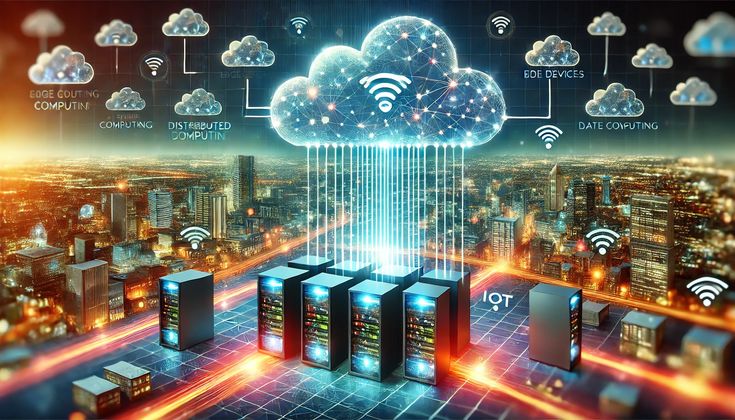
The Rise of Edge Computing: Why Processing Data Closer Matters The digital world is generating more data than ever before. Every smartphone notification, smart home device, connected vehicle, industrial sensor, and online interaction contributes to an ever-growing stream of information. For years, businesses have relied on cloud computing to store, manage, and process this data. While cloud technology revolutionized the way organizations operate, the explosion of connected devices has revealed a critical challenge: speed. Imagine a self-driving car traveling at high speed. If it encounters an obstacle, it cannot afford to send data to a distant cloud server, wait for processing, and then receive instructions. Even a delay of a few milliseconds could have serious consequences. The same challenge exists in manufacturing plants, healthcare facilities, smart cities, and countless other environments where immediate decisions are essential. This is where edge computing enters the picture. Edge computing is changing how organizations process information by bringing computing power closer to where data is created. Instead of sending every piece of information to a centralized cloud, data can be analyzed and acted upon near the source itself. This shift is helping businesses improve performance, reduce latency, enhance security, and unlock entirely new possibilities for innovation. As technologies like artificial intelligence, the Internet of Things (IoT), and 5G continue to evolve, edge computing is rapidly becoming one of the most important pillars of modern digital infrastructure. Understanding Edge Computing At its core, edge computing refers to processing data near the device or location where it is generated rather than transmitting it to a centralized data center or cloud server. Traditionally, data generated by devices would travel across networks to cloud servers where it would be processed and stored. The results would then be sent back to the device or application. While this approach works well for many scenarios, it introduces delays that can become problematic when immediate responses are required. Edge computing addresses this challenge by moving computing resources closer to the “edge” of the network. The edge can be a local server, a gateway device, a factory machine, a retail system, or even the device itself. Rather than depending entirely on distant cloud infrastructure, edge devices can analyze information in real time and make decisions instantly. The cloud still plays an important role, but it becomes part of a larger ecosystem where processing is distributed intelligently. This approach significantly improves efficiency while enabling applications that would be difficult or impossible to support through cloud-only architectures. Why the Need for Edge Computing Is Growing The rise of edge computing is closely connected to the rapid growth of connected devices. Industry experts estimate that billions of IoT devices are now generating massive volumes of data every day. From wearable fitness trackers and smart thermostats to industrial robots and connected vehicles, these devices continuously produce information that requires processing. Sending every bit of this data to the cloud creates several challenges. First, network congestion becomes a concern. The more data that travels across networks, the greater the strain on bandwidth resources. Second, latency can negatively impact user experiences and operational efficiency. Applications requiring real-time responses cannot tolerate delays. Third, transmitting large volumes of data to the cloud increases costs associated with bandwidth and storage. Finally, organizations face growing concerns about privacy, security, and regulatory compliance. Edge computing helps solve these issues by allowing data to be processed locally while only transmitting relevant information to the cloud when necessary. As businesses continue to embrace digital transformation, the demand for faster and more intelligent processing is making edge computing increasingly valuable. The Latency Advantage One of the biggest reasons organizations invest in edge computing is latency reduction. Latency refers to the time it takes for data to travel from its source to a processing location and back again. Even small delays can create significant problems in certain applications. Consider a smart manufacturing facility where machines operate with incredible precision. Sensors continuously monitor temperature, pressure, vibration, and performance metrics. If a machine begins to malfunction, immediate action may be required to prevent costly downtime. With cloud-based processing, the delay involved in transmitting data could slow down response times. Edge computing enables instant analysis directly within the facility, allowing maintenance teams to address issues before they escalate. The same principle applies to autonomous vehicles, remote healthcare monitoring, financial trading systems, and augmented reality applications. By processing data closer to where it originates, organizations can achieve near-instant decision-making capabilities. Enhancing Real-Time Decision Making Modern businesses increasingly rely on real-time insights to remain competitive. Customers expect immediate responses. Operations demand continuous optimization. Systems need to adapt dynamically to changing conditions. Edge computing supports these requirements by enabling faster decision-making at the source. For example, a smart retail store can use edge-powered cameras and sensors to analyze customer behavior in real time. Store managers can monitor foot traffic, optimize product placement, and improve customer experiences without waiting for cloud-based analytics. Similarly, healthcare providers can use edge-enabled monitoring devices to track patient vitals continuously. If a patient’s condition changes suddenly, alerts can be generated instantly, potentially saving lives. The ability to process information in real time creates opportunities that extend far beyond simple efficiency improvements. It enables businesses to become more proactive, responsive, and intelligent. Edge Computing and the Internet of Things The Internet of Things and edge computing are closely connected technologies. IoT devices generate enormous amounts of data, much of which requires immediate analysis. Without edge computing, organizations would struggle to manage this growing information flow effectively. Imagine a smart city equipped with thousands of connected sensors monitoring traffic, air quality, public transportation, and energy usage. If every sensor continuously transmitted data to centralized cloud systems, network infrastructure could quickly become overwhelmed. Edge computing allows local processing to occur near these sensors. Relevant insights can be generated instantly while only critical data is sent to the cloud for long-term analysis. This approach improves performance, reduces network traffic, and enhances overall system reliability. As IoT adoption continues to accelerate, edge computing will

Artificial Intelligence, Digital Transformation, Technology

How Digital Twins Are Transforming Manufacturing and Smart Cities

How Digital Twins Are Transforming Manufacturing and Smart Cities Imagine being able to create an exact digital replica of a factory, a production line, a power grid, or even an entire city. Now imagine that this digital replica updates itself continuously using real-time data from sensors, machines, cameras, and connected devices. Engineers can test changes before implementing them, city planners can predict traffic congestion before it occurs, and manufacturers can identify equipment failures before they happen. This is the power of digital twin technology. Over the past few years, digital twins have evolved from an experimental concept into one of the most impactful technologies driving digital transformation. Organizations across industries are leveraging digital twins to improve efficiency, reduce costs, optimize operations, and make better decisions based on real-world data. As manufacturing facilities become smarter and cities become increasingly connected, digital twins are emerging as a critical technology that bridges the gap between the physical and digital worlds. Understanding how digital twins work and why they matter is essential for businesses, city planners, and technology leaders looking to stay competitive in an increasingly data-driven future. What Is a Digital Twin? A digital twin is a virtual representation of a physical object, process, system, or environment that continuously receives data from its real-world counterpart. Unlike traditional simulations that rely on static information, digital twins are dynamic. They constantly collect and analyze real-time data through sensors, Internet of Things (IoT) devices, software systems, and connected networks. The digital model mirrors the current condition of the physical asset and can predict future behavior based on historical and live data. For example, in a manufacturing plant, a digital twin of a machine can monitor temperature, vibration levels, energy consumption, and production output. If the system detects unusual behavior, it can alert operators before a costly breakdown occurs. Similarly, a digital twin of a city can monitor traffic flow, public transportation, energy consumption, water distribution, weather patterns, and infrastructure performance to help authorities make smarter decisions. The combination of IoT, artificial intelligence, cloud computing, big data analytics, and advanced visualization technologies has accelerated the adoption of digital twins across multiple sectors. Why Digital Twins Matter More Than Ever Today’s organizations face increasing pressure to improve operational efficiency while reducing costs and minimizing risks. Manufacturers must manage complex supply chains, maintain equipment reliability, and meet customer demands for faster production. City governments must address challenges such as population growth, traffic congestion, energy management, sustainability, and public safety. Traditional monitoring systems often provide limited visibility into operations. Digital twins offer a more comprehensive approach by providing a complete digital view of physical systems. This enables organizations to move from reactive decision-making to predictive and proactive management. Instead of fixing problems after they occur, organizations can anticipate issues and take action before disruptions happen. This shift is creating significant value across industries and transforming how physical assets are designed, managed, and optimized. The Role of Digital Twins in Modern Manufacturing Manufacturing is one of the industries experiencing the greatest impact from digital twin technology. Modern factories generate enormous amounts of operational data every day. Machines, robots, conveyors, sensors, and production systems continuously produce information that can be used to improve efficiency and productivity. Digital twins bring all this information together into a single intelligent model. Manufacturers can visualize operations in real time, identify inefficiencies, and test improvements without disrupting production. One of the most valuable applications is predictive maintenance. Equipment failures can cause expensive downtime and production delays. Traditional maintenance schedules often rely on fixed intervals, which may result in unnecessary servicing or unexpected breakdowns. Digital twins continuously monitor machine health and identify early warning signs of potential failures. This allows maintenance teams to perform repairs at the optimal time, reducing downtime and extending equipment lifespan. Production optimization is another major benefit. Manufacturers can simulate different production scenarios and evaluate their impact before implementing changes. Whether adjusting workflows, introducing new machinery, or redesigning assembly lines, digital twins help organizations make informed decisions with minimal risk. Quality control also improves significantly. By monitoring production processes in real time, digital twins can identify deviations that may affect product quality. This enables faster corrective actions and helps maintain consistent manufacturing standards. As competition increases and margins become tighter, these improvements can deliver substantial financial benefits. Enhancing Product Development and Innovation Digital twins are not only transforming factory operations but also revolutionizing product development. Traditionally, creating and testing physical prototypes requires significant time and resources. Digital twins enable engineers to evaluate product designs in virtual environments before building physical versions. Manufacturers can test performance, durability, safety, and functionality under various conditions using advanced simulations. This approach reduces development costs, accelerates innovation, and shortens time-to-market. For industries such as automotive, aerospace, electronics, and industrial equipment, digital twins provide a powerful way to improve product quality while reducing design risks. Companies can identify potential issues earlier in the development process and make adjustments before production begins. This creates a more efficient and cost-effective innovation cycle. Supply Chain Visibility and Optimization Global supply chains have become increasingly complex and vulnerable to disruptions. Manufacturers need better visibility into every stage of the supply chain to ensure smooth operations. Digital twins can create virtual models of supply chain networks, allowing organizations to track inventory, shipments, supplier performance, and logistics operations in real time. By analyzing supply chain data, businesses can identify bottlenecks, predict delays, and optimize inventory management. This improved visibility helps organizations respond more effectively to market fluctuations and unexpected disruptions. The ability to simulate different scenarios also supports strategic planning and risk management. As supply chain resilience becomes a top priority for businesses worldwide, digital twins are becoming an essential tool for operational success. How Digital Twins Are Powering Smart Cities The same technology that improves manufacturing efficiency is also helping cities become smarter, safer, and more sustainable. Urban populations continue to grow rapidly, creating increasing demands on infrastructure and public services. City planners face challenges related to transportation, energy consumption, environmental sustainability, housing, waste

5G network connections visualized over a futuristic cityscape
telecom

The Future of 5G and Connectivity: Powering the Next Digital Revolution

Introduction The world is on the brink of a new digital era — one driven by speed, intelligence, and seamless connectivity. At the center of this transformation lies 5G, the fifth generation of wireless technology. Far more than just an upgrade from 4G, 5G represents a paradigm shift that will redefine how we communicate, work, and experience the world. From autonomous cars to smart cities, remote surgeries, and immersive virtual realities, 5G promises to connect everything — and everyone — with ultra-fast speed, low latency, and massive capacity. It’s not just about faster downloads; it’s about enabling a smarter, interconnected planet. In this blog, we’ll explore what 5G is, how it works, its real-world applications, challenges, and what the future holds for this groundbreaking technology. What is 5G Technology? 5G stands for the fifth generation of mobile network technology, succeeding 4G LTE. It offers significantly higher data transfer rates, improved reliability, and the ability to connect billions of devices simultaneously. Key Features of 5G: Ultra-High Speed:Data speeds up to 10 Gbps, nearly 100 times faster than 4G. Ultra-Low Latency:Latency reduced to 1 millisecond, allowing real-time responsiveness. Massive Device Connectivity:Can support over 1 million devices per square kilometer, essential for IoT. Improved Reliability and Energy Efficiency:Designed for continuous, dependable connections with optimized power usage. Enhanced Bandwidth:Uses wider frequency bands, including millimeter waves, to handle large volumes of data. How 5G Works 5G networks operate across three spectrum bands: Low-band spectrum: Offers broad coverage but slower speeds — suitable for rural areas. Mid-band spectrum: Balances speed and coverage — ideal for suburban and urban environments. High-band (millimeter wave) spectrum: Delivers lightning-fast speeds but has limited range — perfect for dense city centers or stadiums. Unlike 4G, which relied on centralized cell towers, 5G uses small cell networks — clusters of mini antennas installed on lampposts, buildings, and towers. This creates a dense, efficient, and reliable web of connectivity capable of supporting real-time communication. The Evolution: From 1G to 5G Generation Launched Main Feature Speed 1G 1980s Analog voice calls 2.4 Kbps 2G 1990s Digital voice & SMS 64 Kbps 3G 2000s Mobile Internet 2 Mbps 4G 2010s HD streaming, faster mobile data 100 Mbps – 1 Gbps 5G 2020s Ultra-fast, low latency, IoT & AI integration Up to 10 Gbps Each generation of connectivity has changed how we live — but 5G is poised to reshape society itself, bridging the gap between humans and intelligent machines. Real-World Applications of 5G 1. Smart Cities 5G will enable real-time management of traffic, energy, and waste through connected IoT sensors. Imagine a city where streetlights adjust automatically, emergency services respond instantly, and traffic congestion is managed proactively. 2. Autonomous Vehicles Self-driving cars depend on instant communication between vehicles and infrastructure. 5G’s low latency allows vehicles to share real-time data — preventing accidents and optimizing routes. 3. Healthcare Revolution Remote surgeries, AI-driven diagnostics, and connected medical devices are becoming a reality. A doctor in New York could operate on a patient in Tokyo, thanks to 5G’s precision and speed. 4. Industrial Automation Factories using Industrial IoT (IIoT) can monitor equipment, detect issues, and perform predictive maintenance in real time — increasing productivity and reducing downtime. 5. Immersive Entertainment 5G will redefine entertainment through augmented reality (AR) and virtual reality (VR). From gaming to live sports and concerts, users will enjoy fully immersive experiences without lag. 6. Smart Homes 5G enables faster communication among home devices — from smart speakers and security systems to refrigerators that can restock themselves automatically. 7. Remote Work and Education Ultra-fast, stable connections will enhance virtual collaboration and online learning, making high-quality education and work accessible anywhere. 8. Agriculture and Environment Smart sensors powered by 5G can monitor soil health, irrigation, and weather patterns, leading to sustainable farming and better resource management. Benefits of 5G Technology 1. Speed and Efficiency 5G’s unprecedented speed allows for faster downloads, real-time streaming, and seamless communication between devices. 2. Low Latency With almost zero delay, applications like robotic surgeries, drone delivery, and autonomous driving become practical realities. 3. Increased Connectivity Supports billions of devices simultaneously, making it ideal for the Internet of Things (IoT) revolution. 4. Enhanced Productivity Industries benefit from instant data insights, enabling smarter decision-making and reducing operational costs. 5. Energy Efficiency 5G networks are designed to consume less energy per bit of data transferred, reducing the environmental impact. Challenges in 5G Implementation Despite its advantages, 5G deployment faces several challenges: Infrastructure Costs:Installing small cell networks and upgrading towers requires massive investment. Spectrum Availability:High-frequency bands are limited and subject to government regulation. Device Compatibility:Only newer devices are 5G-enabled, limiting accessibility initially. Security Concerns:More connected devices increase the potential for cyberattacks. Health & Environmental Concerns:Although unproven, there’s public concern about exposure to radio waves and the environmental impact of mass infrastructure. 5G and IoT: The Perfect Partnership The Internet of Things (IoT) — a vast ecosystem of connected devices — will thrive on 5G. Sensors, wearables, vehicles, and industrial equipment can communicate instantly, enabling smarter ecosystems. Examples: Smart factories analyzing performance in real time. Wearable health trackers alerting doctors instantly. Smart grids balancing energy supply dynamically. Connected farms optimizing irrigation and yields. 5G acts as the backbone of IoT, making it faster, more reliable, and more efficient than ever before. 5G and Artificial Intelligence (AI) 5G and AI are a powerful duo. While 5G provides the infrastructure for high-speed data transfer, AI analyzes that data to drive automation and intelligence. For instance: AI systems on 5G networks can analyze industrial sensor data instantly. Edge AI devices can process data locally with minimal delay. Smart assistants become faster and more context-aware. This synergy between 5G and AI will accelerate innovations in autonomous systems, healthcare, logistics, and personalized experiences. Global 5G Adoption and Progress Countries like South Korea, China, the United States, and Japan are leading 5G adoption, while many nations in Europe and Asia are rapidly expanding their networks. According to GSMA, by 2030, over 1.8 billion people will be connected via 5G. Industries such

Business professionals collaborating with digital technology, holographic displays, and innovative workspace
Technology & Innovation

The Future of Technology & Innovation: Transforming Tomorrow’s World

Introduction Technology and innovation have become the twin engines driving humanity forward in the 21st century. As we navigate through 2025, the pace of technological advancement shows no signs of slowing down. From artificial intelligence reshaping how we work to quantum computing promising to solve previously unsolvable problems, innovation continues to redefine what’s possible. In this comprehensive guide, we’ll explore the most significant technology trends, understand how innovation is transforming industries, and look ahead at what the future holds for our increasingly digital world. Artificial Intelligence: Beyond the Hype Artificial intelligence has evolved from a buzzword to an essential business tool. In 2025, AI is no longer just about automation—it’s about augmentation, enabling humans to make better decisions and achieve outcomes that were previously impossible. Generative AI’s Maturation Generative AI has moved beyond novelty to become a productivity powerhouse. Organizations are integrating AI assistants into workflows, automating complex tasks, and creating personalized customer experiences at scale. The technology has matured to handle multimodal inputs—text, images, audio, and video—opening new creative and analytical possibilities. AI in Healthcare Medical diagnostics powered by AI are detecting diseases earlier and more accurately than ever before. Machine learning algorithms analyze medical imaging, predict patient outcomes, and even assist in drug discovery, potentially saving millions of lives and billions in healthcare costs. Quantum Computing: The Next Frontier Quantum computing is transitioning from theoretical promise to practical application. While still in its early stages, quantum computers are beginning to tackle problems in cryptography, materials science, and complex optimization that would take classical computers millennia to solve. Major tech companies and research institutions are racing to achieve “quantum advantage”—the point where quantum computers can solve real-world problems faster than traditional computers. This breakthrough could revolutionize fields from climate modeling to financial forecasting. Sustainable Technology: Innovation with Purpose Climate change has made sustainable technology not just desirable but essential. Innovation is increasingly focused on reducing environmental impact while maintaining or improving functionality. Green Energy Solutions Solar and wind technology continues to become more efficient and affordable. Battery storage solutions are solving the intermittency problem, making renewable energy viable for baseload power. Innovations in hydrogen fuel cells and carbon capture technology are addressing hard-to-decarbonize sectors. Circular Economy Tech Technology is enabling circular economy models where waste becomes a resource. IoT sensors track product lifecycles, AI optimizes recycling processes, and blockchain ensures transparency in supply chains, all working together to minimize environmental impact. The Internet of Things (IoT) and Edge Computing The IoT ecosystem has exploded, with billions of connected devices generating unprecedented amounts of data. Edge computing processes this data closer to its source, reducing latency and enabling real-time responses crucial for applications like autonomous vehicles and smart cities. Smart homes, wearable health monitors, industrial sensors, and connected infrastructure are creating a world where physical and digital realms seamlessly integrate. This connectivity is optimizing everything from energy consumption to traffic flow. Blockchain Beyond Cryptocurrency While cryptocurrencies grabbed headlines, blockchain’s real innovation lies in its ability to create trust in trustless environments. In 2025, blockchain is being applied to supply chain transparency, digital identity verification, smart contracts, and decentralized finance (DeFi). Organizations are using blockchain to ensure product authenticity, streamline cross-border transactions, and create tamper-proof records for everything from medical histories to property deeds. Augmented and Virtual Reality: Merging Worlds AR and VR technologies have matured beyond gaming into practical applications across industries. Virtual training environments allow professionals to practice high-risk procedures safely. AR assists technicians with complex repairs by overlaying digital instructions onto physical equipment. The metaverse concept continues evolving, with virtual spaces hosting business meetings, educational experiences, and social interactions that feel increasingly natural and immersive. Biotechnology and Human Enhancement The convergence of technology and biology is opening extraordinary possibilities. CRISPR gene editing, brain-computer interfaces, and personalized medicine are moving from research labs to real-world applications. Wearable technology monitors health metrics in real-time, while implantable devices can restore sight, hearing, and mobility. The ethical implications are profound, but the potential to eliminate diseases and extend healthy lifespans is transforming healthcare. The Innovation Ecosystem True innovation rarely happens in isolation. It emerges from ecosystems where startups, established companies, research institutions, and governments collaborate. Open-source communities, accelerator programs, and venture capital all play crucial roles in bringing innovative ideas to market. The Role of Startups Startups continue to be innovation catalysts, unburdened by legacy systems and willing to take risks. They’re disrupting established industries and creating entirely new markets, from fintech to foodtech. Corporate Innovation Labs Large corporations are establishing innovation labs and partnering with startups to stay competitive. This collaboration combines startup agility with corporate resources and market access, accelerating technology adoption. Challenges and Considerations Innovation brings challenges alongside opportunities. Cybersecurity threats evolve as quickly as the technologies they target. Privacy concerns grow as data collection becomes ubiquitous. The digital divide risks leaving behind those without access to technology or digital literacy. Ethical considerations around AI bias, autonomous weapons, and genetic modification require thoughtful regulation and public discourse. Society must balance innovation’s benefits against potential risks and unintended consequences. Preparing for the Future Organizations and individuals must embrace continuous learning to thrive in this rapidly evolving landscape. Technical skills remain important, but creativity, critical thinking, and adaptability are equally crucial. Investing in STEM education, supporting diverse voices in technology, and fostering cultures of experimentation will determine who leads and who follows in the innovation race. Conclusion Technology and innovation are reshaping every aspect of human existence. From how we work and communicate to how we address global challenges like climate change and healthcare, technological advancement offers unprecedented opportunities. The future belongs to those who embrace change, think creatively, and use technology purposefully. As we stand at the intersection of multiple technological revolutions, the question isn’t whether innovation will transform our world—it’s how we’ll shape that transformation to benefit all of humanity. The most exciting innovations may not yet be invented. The next breakthrough could come from a garage startup, a university lab, or a global corporation. What’s certain is

Digital transformation concept with business technology, AI data flow, and cloud computing network.
Uncategorized

Digital Transformation in 2025: How Technology Is Redefining Business and Innovation

Introduction The world is changing — and it’s happening at digital speed. Digital transformation has evolved from being a buzzword to a fundamental necessity for every business. It’s not just about adopting new technologies but about reimagining how organizations operate, deliver value, and connect with customers. In 2025, companies that embrace digital transformation are leading markets, while those that resist it risk falling behind. From cloud computing to AI-driven automation, digital innovation is redefining the global economy. What Is Digital Transformation? Digital transformation is the integration of digital technologies into all areas of business, changing how companies operate and deliver value. It involves adopting new tools, automating processes, and building a culture that embraces continuous innovation. Key aspects include: Technology Adoption: Using AI, cloud, and analytics. Process Optimization: Automating workflows and operations. Cultural Change: Encouraging adaptability and innovation. Core Technologies Powering Digital Transformation Artificial Intelligence (AI): Enables automation, predictions, and personalization. Cloud Computing: Offers scalability and remote accessibility. Internet of Things (IoT): Connects devices for real-time data exchange. Big Data Analytics: Transforms raw data into actionable insights. Blockchain: Adds transparency and security to transactions. 5G Networks: Enables faster, more reliable digital experiences. Benefits of Digital Transformation Speed & Agility: Faster decision-making and innovation. Customer Satisfaction: Real-time personalization and engagement. Cost Efficiency: Automation reduces operational expenses. Business Continuity: Cloud services ensure resilience and scalability. Sustainability: Digital solutions minimize resource waste and paper usage. Challenges in Digital Transformation While transformation offers benefits, it also brings challenges: Cybersecurity Risks: Increased digital exposure demands stronger protection. Legacy Systems: Outdated technology slows innovation. Cultural Resistance: Employees may fear change or automation. High Initial Costs: Digital tools require upfront investment. The Future of Digital Transformation The next phase of transformation focuses on AI-first ecosystems, automation, and sustainability. Hyper-Automation: Everything that can be automated will be. Green IT: Businesses are adopting eco-friendly digital solutions. AI-Driven Decision Making: Predictive insights guide leadership. Metaverse Integration: Blending digital and physical experiences. Conclusion Digital transformation is not just a technological upgrade — it’s a mindset shift. In 2025, success depends on how quickly businesses adapt to change, leverage data, and deliver value through innovation. As AI, cloud computing, and automation continue to evolve, one thing is clear: “Digital transformation is the bridge between today’s challenges and tomorrow’s possibilities.” FAQ Section Q1. What is digital transformation in simple terms?It’s the process of using technology to improve how businesses operate and serve customers. Q2. Which technologies drive digital transformation?AI, cloud computing, IoT, big data, and automation. Q3. Why is digital transformation important?It enhances efficiency, innovation, and customer satisfaction while reducing costs. Q4. What are common challenges?Cybersecurity, cost, and cultural resistance to change. Q5. Is digital transformation only for big companies?No — small and medium businesses also benefit from automation and cloud tools.

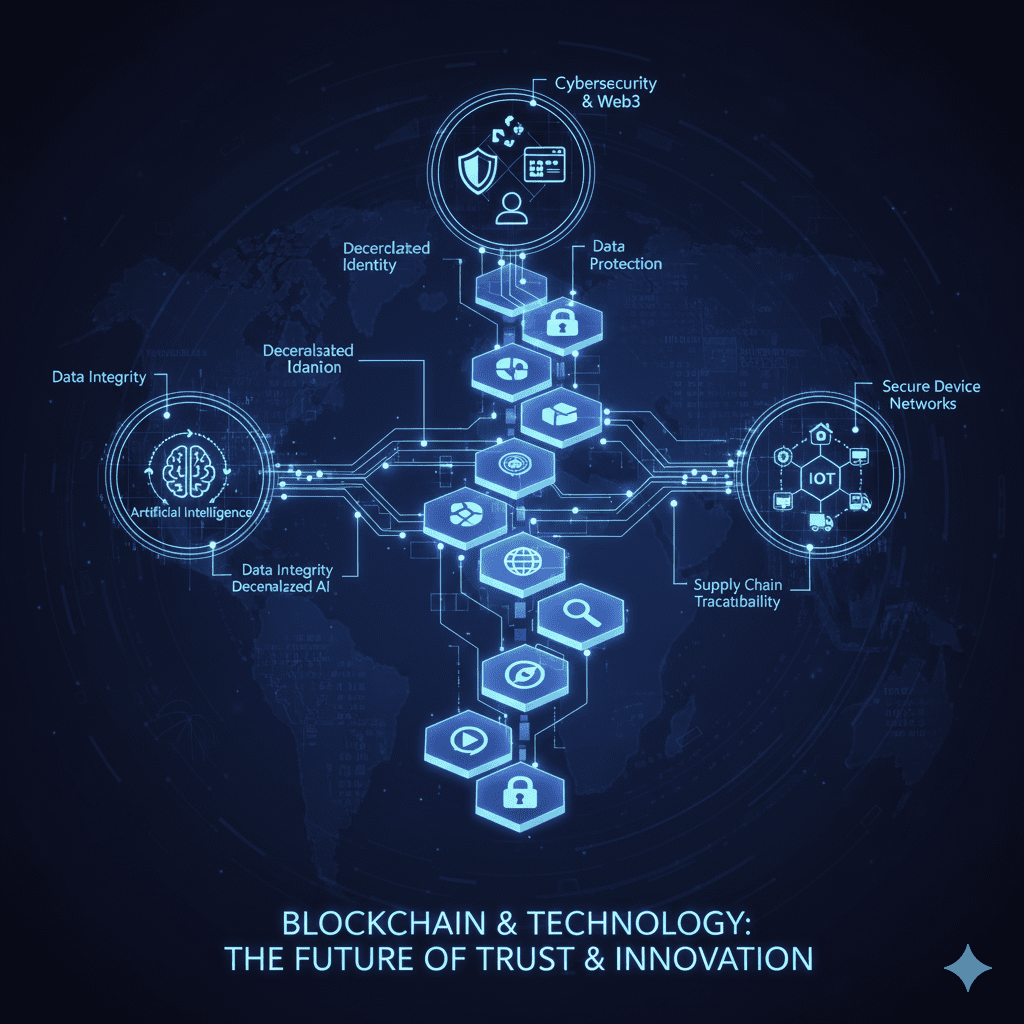
A futuristic infographic titled 'BLOCKCHAIN & TECHNOLOGY,' showing a central blockchain icon connected to other technologies like AI, IoT, Cybersecurity, DeFi, NFTs, and Web3.
Blockchain & Technology

Blockchain’s Role in Building Tomorrow’s Tech

Introduction What do AI, cybersecurity, and the future of the internet (Web3) have in common? They all have critical problems with trust, security, and centralization. Blockchain technology is emerging as the key solution to all three. It’s the invisible architecture that provides the security for our data, the transparency for our transactions, and the ownership of our digital assets. Let’s dive into the technology ecosystem that blockchain is building right now. What is Blockchain? At its simplest, a blockchain is a secure, digital ledger that is shared among many computers in a network. Once a piece of information (a “block”) is added to the ledger, it is linked to the previous block using cryptography, creating a “chain.” This structure makes it immutable, meaning once data is recorded, it is extremely difficult to change or remove. Core Components Decentralization: Instead of one person or company controlling the ledger (like a single bank), the ledger is copied and spread across many computers. This means no single entity has control, and there is no single point of failure. Cryptography: Every transaction is secured and verified using advanced math. This ensures that only the rightful owner can access their assets and that all records are authentic. Blocks: These are the “pages” of the ledger. Each block contains a batch of recent, verified transactions. Consensus Mechanism: This is the “rulebook” that the network follows to agree on which transactions are valid and can be added to the chain (e.g., Proof-of-Work or Proof-of-Stake). The Big Trends: Web3, DeFi, and NFTs Blockchain is the foundational technology for several major trends: Web3: This is the idea of a new, decentralized internet. Web1 was the “read-only” internet (static websites). Web2 is the “read-write” internet we use today (social media, user-generated content), but it’s controlled by large tech companies. Web3 aims to be a “read-write-own” internet, where users control their own data and identity using blockchain. DeFi (Decentralized Finance): This is an entire ecosystem of financial applications built on blockchain. It aims to recreate traditional financial systems (like lending, borrowing, and trading) without the need for intermediaries like banks. Users interact directly with smart contracts. NFTs (Non-Fungible Tokens): An NFT is a unique digital certificate of ownership for an asset (like a piece of digital art, a collectible, or even a real-world item). “Non-fungible” means it’s one-of-a-kind and cannot be replaced by another, unlike a dollar bill, which is fungible. This ownership is recorded and verifiable on the blockchain. Blockchain’s Integration with Other Technologies Blockchain doesn’t exist in a bubble. Its real power is unlocked when combined with other technologies. 1. Artificial Intelligence (AI) Data Integrity: AI models are only as good as the data they’re trained on. Blockchain can provide an immutable, verifiable audit trail for AI training data, ensuring it hasn’t been tampered with and proving its origin. Decentralized AI: It enables “Federated Learning,” where an AI model can be trained across multiple devices without the users’ private data ever leaving their device. The blockchain is used to log and verify the model’s updates, protecting user privacy. 2. Internet of Things (IoT) Security: IoT networks often have thousands of simple devices (like sensors) that are vulnerable to hacking. Blockchain can create a secure, decentralized network for these devices to communicate directly and verifiably, preventing a central server from being hacked. Traceability: For supply chains, an IoT sensor can log a package’s temperature and location to a blockchain at every step. This creates a tamper-proof record that all parties (the producer, the shipper, the customer) can trust. 3. Cybersecurity Decentralized Identity: Instead of relying on Google or Facebook to log in to websites, blockchain allows for Self-Sovereign Identity (SSI). You would control your own digital identity, stored securely, and grant specific, temporary access to services that need to verify it. Mitigating Attacks: By decentralizing data storage, blockchain can help prevent large-scale data breaches. It also makes systems more resilient to Distributed Denial of Service (DDoS) attacks, as there is no single central server to overwhelm Conclusion In conclusion, blockchain has evolved far beyond its origins in cryptocurrency. It is now the essential “trust layer” for the next generation of technology. By providing a decentralized, immutable, and transparent ledger, it solves the critical vulnerabilities in our current systems. It’s the thread that securely connects AI models to verifiable data, enables IoT devices to communicate without a central point of failure, and provides the very foundation for a user-owned internet in Web3, DeFi, and NFTs. As we move forward, it’s clear that blockchain isn’t just another technology in the stack; it’s the fundamental architecture the future is being built on. FAQ Q1: What is blockchain in the simplest terms? Blockchain is a digital ledger, like a shared notebook, that is duplicated and spread across many computers. Once a transaction (a “block”) is added to this notebook, it’s cryptographically linked to the one before it, creating a “chain.” This structure makes the data immutable, meaning it’s nearly impossible to change or tamper with. Q2: Isn’t blockchain just for Bitcoin and cryptocurrency? No. While Bitcoin was the first major application, it’s just one use case. Blockchain is the underlying technology that enables cryptocurrencies, but its core value is in providing a secure and decentralized way to record any kind of data. It’s now being used in supply chains, healthcare, voting systems, cybersecurity, and more. Q3: What’s the difference between Blockchain and Web3? Think of blockchain as the tool and Web3 as the movement. Blockchain is the specific technology (a decentralized ledger). Web3 is the broader vision for a new, decentralized internet built using tools like blockchain, crypto, and decentralized networks. Web3’s goal is to shift control from large tech companies to individual users. Q4: How does blockchain work with Artificial Intelligence (AI)? Blockchain can be seen as the “source of truth” for AI. Data Integrity: It provides a tamper-proof log of the data used to train an AI model, so you can verify its origin and quality. Privacy: It enables federated learning,

Technology, Uncategorized

Brisbane 2025: Future Tech Business Ideas You Can Launch Today

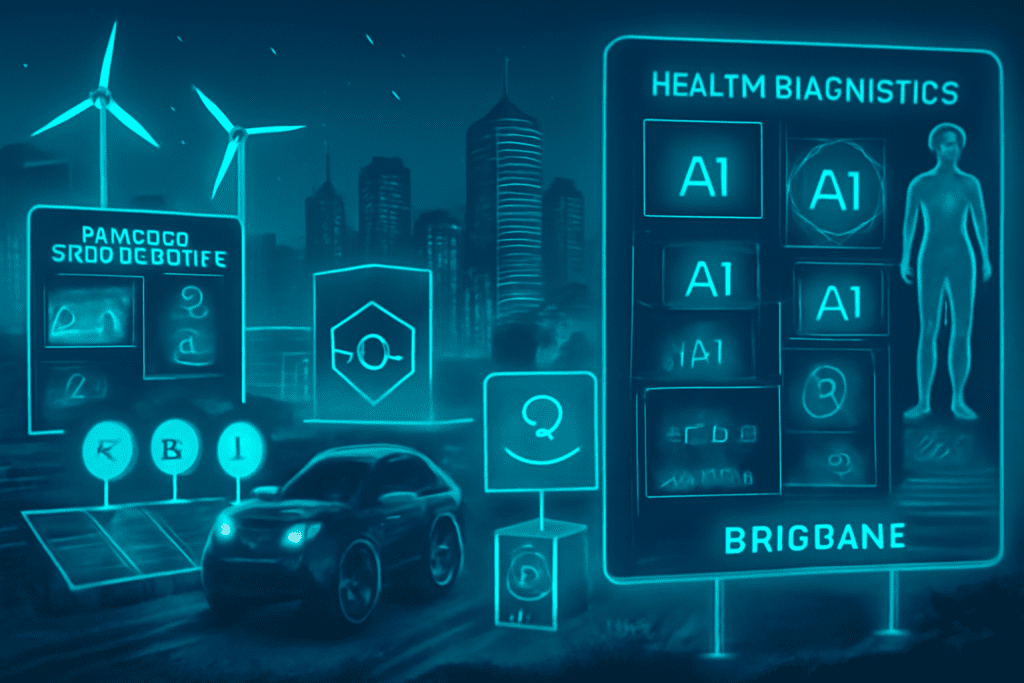
Introduction Brisbane is rapidly emerging as a dynamic technology hub with robust government support, a thriving talent pool, and a focus on sustainability and innovation. Here are some future-focused tech business ideas you can launch in Brisbane today, designed to meet local needs and tap into global trends: Top Future Tech Business Ideas AI-Powered Healthcare Diagnostics Develop platforms that use artificial intelligence to analyze medical images and data, offering faster, more accurate diagnostics tailored to Australia’s unique health demographics. Climate-Smart AgTech Solutions Leverage IoT sensors, machine learning, and analytics to optimize water usage, soil health, and crop yields. Solutions can support local farmers in climate adaptation and sustainable agriculture. Renewable Energy Management Platforms Build smart platforms for managing solar and battery storage, peer-to-peer energy trading, or smart microgrids, in line with Queensland’s ambitious renewable energy targets. EdTech for Lifelong Professional Upskilling Launch e-learning platforms that use AI-driven personalization, gamified content, and partnerships with Brisbane universities. Focus on industries in need of upskilling like tech, health, and sustainability. Cybersecurity for SMEs Offer affordable, scalable cybersecurity services tailored for small and mid-sized businesses, addressing compliance and ransomware threats with managed detection and response. Circular Economy Digital Platforms Create marketplaces that enable Brisbane businesses to share, reuse, or recycle resources, with AI-powered logistics optimization and traceability. Mental Health & Wellbeing Apps Develop comprehensive wellness apps with AI-powered mood tracking, secure telehealth features, and culturally relevant interventions for Australia’s workforce and remote communities. Supply Chain Transparency with Blockchain Use blockchain tech to ensure traceability for local products (such as food, resources, or medical supplies), building consumer trust and supporting ethical sourcing. Smart City IoT Solutions Launch smart city products for traffic management, waste monitoring, or energy consumption, using sensor networks and real-time analytics to optimize urban life. Fintech for Sustainable Investing Build platforms allowing users to invest in green assets, monitor ESG factors, or directly fund sustainable local projects. Visual representation of future tech business ideas to launch in Brisbane in 2025 Why Brisbane? Growing Innovation Ecosystem: Backed by programs like Advance Queensland and support for R&D and startup funding. Talent Pipelines: Strong local universities and research institutions. Market Readiness: Rapid adoption of digital services, renewable energy, and sustainability-focused initiatives. Launch Tips Start with a focused MVP tailored to a Brisbane-specific need. Leverage local accelerator programs, government grants, and university partnerships. Prioritize user experience, regulatory compliance, and scalable solutions from day one. Brisbane’s combination of emerging tech, supportive local policies, and market needs makes it an ideal place to launch and scale future-focused tech businesses in 2025 and beyond

How would you like me to respond?

Select a personality for your AI assistant

Normal
Happy
Sad
Angry

Your selection will affect how the AI assistant responds to your messages

Chat Assistant

Let's discuss your project!

Hear from our clients and why 3000+ businesses trust TechOTD

Tell us what you need, and we'll get back with a cost and timeline estimate

Scroll to Top