Inventory Optimization

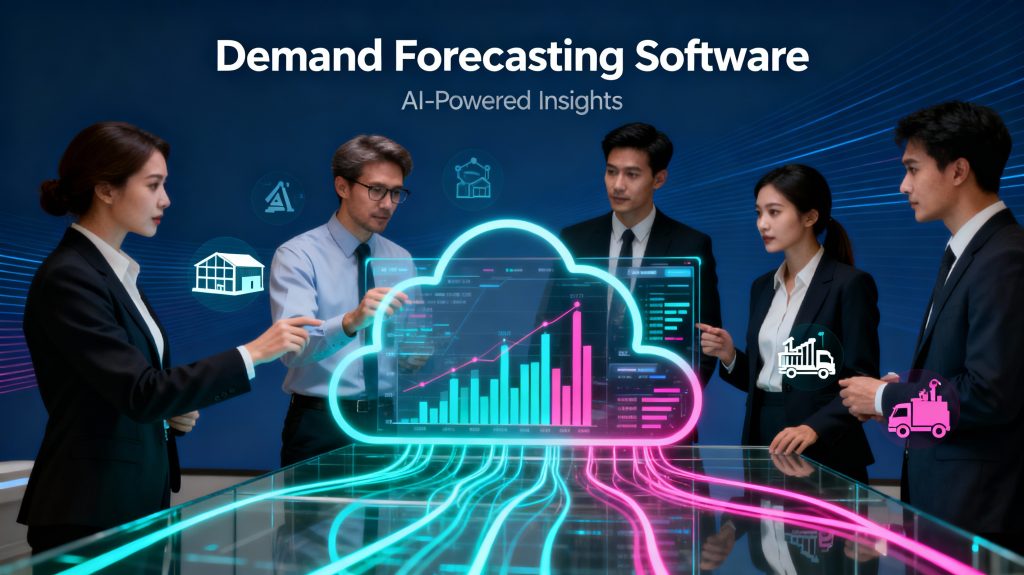
Business team analyzing AI-powered demand forecasting dashboards and digital supply chain charts in a modern office setting.
Software development

How to Build Demand Forecasting Software

Introduction Demand forecasting software is changing the way businesses predict product demand and optimise inventory. Accurate forecasts help companies reduce costs, improve customer satisfaction, and streamline supply chain management. Building demand forecasting software requires integrating data analytics, machine learning, and seamless system integration. This blog explores essential steps, features, and technologies for developing effective demand forecasting software in 2025. What Is DevOps and Why It Matters in 2025 Key Features of Demand Forecasting Software Data Integration: Connects with ERP, CRM, inventory, sales, and external market data sources for real-time updates.​ Predictive Models: Uses machine learning and statistical algorithms (ARIMA, LSTM, Prophet) to analyse trends, seasonality, and external factors.​ Scenario Planning & What-If Analysis: Allows businesses to simulate effects of price changes, promotional campaigns, or supply disruptions for strategic planning.​ Alerts & Notifications: Automated alerts for significant demand shifts or anomalies ensure proactive management.​ Customizable Dashboards: Tailored interfaces for different departments and decision makers to access relevant insights.​ Cloud-Based & Scalable: Enables remote access, large-scale data handling, and fast updates.​ Steps to Build Demand Forecasting Software Define Objectives and Requirements: Clarify goals like improving accuracy, automation level, and integration needs with existing systems.​ Data Collection and Preprocessing: Gather internal data (sales, inventory, CRM) and external market info, clean and normalize for analysis.​ Select Forecasting Models and Algorithms: Choose suitable predictive models (e.g., ML-based, statistical models) that match business domain and data characteristics.​ Design Software Architecture: Develop modules for data processing, model training, forecasting, alerts, and reporting with scalability in mind.​ Implementation & Integration: Build backend services, frontend dashboards, and connect with ERP/Sales systems using APIs.​ Testing & Validation: Validate model accuracy with historical and real-time data; simulate scenarios and optimize performance.​ Deployment and User Training: Roll out software with training sessions and support to ensure adoption and feedback loops.​ Benefits of Demand Forecasting Software Reduced Inventory Costs: Optimize stock levels to minimize carrying and shortage costs.​ Improved Operational Efficiency: Facilitate better production planning and resource allocation.​ Enhanced Customer Service: Meet demand timely by avoiding stockouts and delays.​ Strategic Business Decisions: Utilize scenario analysis to foresee market changes and plan effectively.​ Realtime Adaptation: Quickly respond to market shifts with alerts and updated forecasts.​ Conclusion Building effective demand forecasting software requires a harmonious blend of data analytics, predictive modeling, and practical system integration. By following methodological steps from defining clear objectives to deployment, businesses can achieve accurate forecasting, reduce costs, and improve operational agility. As 2025 evolves, demand forecasting software powered by AI and real-time data integration becomes an indispensable tool for competitive businesses. FAQ 1. What types of data are needed for demand forecasting software? Sales records, inventory levels, market trends, CRM data, and external economic signals.​ 2. Which machine learning models are commonly used? ARIMA, LSTM, and Facebook Prophet are popular for time-series demand prediction.​ 3. Can demand forecasting software adapt to sudden changes? Yes, advanced solutions provide real-time data integration and anomaly detection for quick adaptation.​ 4. How important is scenario planning? It enables businesses to simulate potential disruptions or changes in conditions, aiding better decision-making.​ 5. Is cloud deployment recommended? Yes, cloud ensures scalability, accessibility, and ease of updates for demand forecasting software.​

Illustration of a futuristic retail store featuring AI-powered recommendations, automated checkout, and digital data analytics, highlighting how machine learning is transforming the retail sector
machine learning

How Machine Learning in Retail is Redefining the Sector

Introduction The retail sector is undergoing a digital revolution driven by the rapid adoption of machine learning (ML) and artificial intelligence (AI). From dynamic personalization to predictive inventory management, retailers of all sizes are leveraging ML to transform customer experiences, improve operations, and boost profitability. With global AI in retail expected to reach $23.3 billion by 2025 and hyper-personalization becoming a benchmark for success, machine learning is no longer a luxury—it’s a competitive necessity. Hyper-Personalization: The New Retail Standard Machine learning enables retailers to offer deeply personalized shopping experiences. By analyzing massive amounts of data—such as browsing history, purchase patterns, and social media activity—ML models predict consumer preferences before customers even realize them. AI-powered Recommendation Engines: Platforms like Amazon and Netflix use ML to suggest tailored products and content, dramatically increasing engagement and sales. Dynamic Content & Offers: In-store and online, ML customizes promotions and product displays to match individual tastes, driving greater conversion rates. Customer Segmentation: ML clusters shoppers by behavior and interest, enabling more effective targeted marketing. Stat: 75–80% of shoppers are more likely to buy when offered personalized experiences, and brands adopting this approach are seeing customer loyalty and revenue soar. Predictive Analytics Drive Smart Inventory and Dynamic Pricing Gone are the days of manual forecasting. Advanced ML algorithms analyze historical sales, seasonal trends, and even weather patterns to predict demand with remarkable accuracy. Retailers can: Optimize Inventory: Minimize stockouts and reduce excess inventory, cutting costs and increasing fulfillment rates. Dynamic Pricing Engines: Adjust prices in real time based on demand, competition, and buyer behavior, maximizing profits while staying competitive. Case Example: REWE uses AI-driven demand forecasting to fine-tune inventory and reduce waste, while Amazon’s dynamic pricing adapts instantly to market fluctuations. Smarter Fraud Detection and Risk Management Retailers face major challenges from payment fraud and account takeovers. ML continuously analyzes transaction patterns to identify anomalies, stopping fraud in real time. Fraud Detection: Spotting fake transactions and unauthorized activity before losses occur. Reduced False Positives: ML learns over time, minimizing disruptions for genuine shoppers while raising the bar for would-be fraudsters. Enhanced Search, Chatbots, and In-Store Automation Machine learning’s impact goes beyond backend efficiency—it enhances customer engagement at every point. Semantic Search Engines: ML understands context, delivering highly relevant search results and recommendations. Chatbots & Virtual Assistants: 24/7 AI-powered help improves support, provides expert advice, and streamlines online and in-store processes. Staff-less & Automated Stores: Innovations like Amazon Go use ML to enable checkout-free shopping, reshaping the physical retail space. Optimizing Supply Chain and Logistics ML streamlines the complex world of retail logistics: Route Optimization: Reduces delivery times and shipping costs. Demand Forecasting: Predicts regional demand spikes, ensuring the right stock is in the right place. Supplier Collaboration: Shares insights instantly, keeping partners aligned on inventory and fulfillment. Real-World Impact: Retail Success Stories Walmart Realm: Uses AI to adapt virtual stores and enhance the shopping journey for each customer. H&M: Employs ML for demand prediction and store optimization—cutting excess stock by 20% and strategically opening locations. Tesco: Offers healthier food suggestions by analyzing purchase histories, encouraging better choices among shoppers. Key Benefits of Machine Learning in Retail Benefit Description Personalization Tailors recommendations and promotions to individual shoppers. Inventory Optimization Accurately forecasts demand, reducing stockouts and surplus. Dynamic Pricing Updates prices in real time to balance profit and competitiveness. Fraud Prevention Detects and prevents unauthorized transactions. Customer Insights Uncovers deep patterns in buying behavior for targeted marketing. Operational Efficiency Automates repetitive tasks and improves overall workflow. Challenges and Future Trends Challenges: Data Privacy & Security: ML systems handle sensitive customer data, making compliance and security paramount. Integration: Merging new ML tech with legacy retail systems can be complex. Talent Gap: Building in-house ML capabilities remains a challenge for smaller retailers. Trends for 2025 and Beyond: Hyper-personalization will become a baseline, not a differentiator. Voice commerce and conversational AI will drive new user experiences. ML will power sustainability efforts through waste reduction and optimized logistics. Conclusion Machine learning is fundamentally redefining the retail sector—empowering businesses to anticipate trends, create individualized customer journeys, combat fraud, and optimize every step from supply chain to checkout. Retailers that invest in ML-driven transformation today are poised to win tomorrow’s market, building resilience, agility, and customer loyalty in a fiercely competitive landscape. FAQ How does machine learning personalize retail? By analyzing a shopper’s data and behavior, ML models recommend products, tailor offers, and create a seamless, relevant experience—both online and in-store. How does ML help with inventory management? ML uses historical and real-time data to forecast demand, reducing overstock and preventing stockouts. Can machine learning stop fraud in retail? Yes, by monitoring transactions for unusual patterns, ML instantly detects and stops fraudulent behavior, lowering losses. What are the key challenges for adopting ML in retail? Data privacy, system integration with legacy tools, and the shortage of skilled talent are major challenges for many retailers. Is ML only for large retailers? No. While giants lead adoption, scalable ML tools and cloud solutions are available for retailers of all sizes30 tags

enterprise

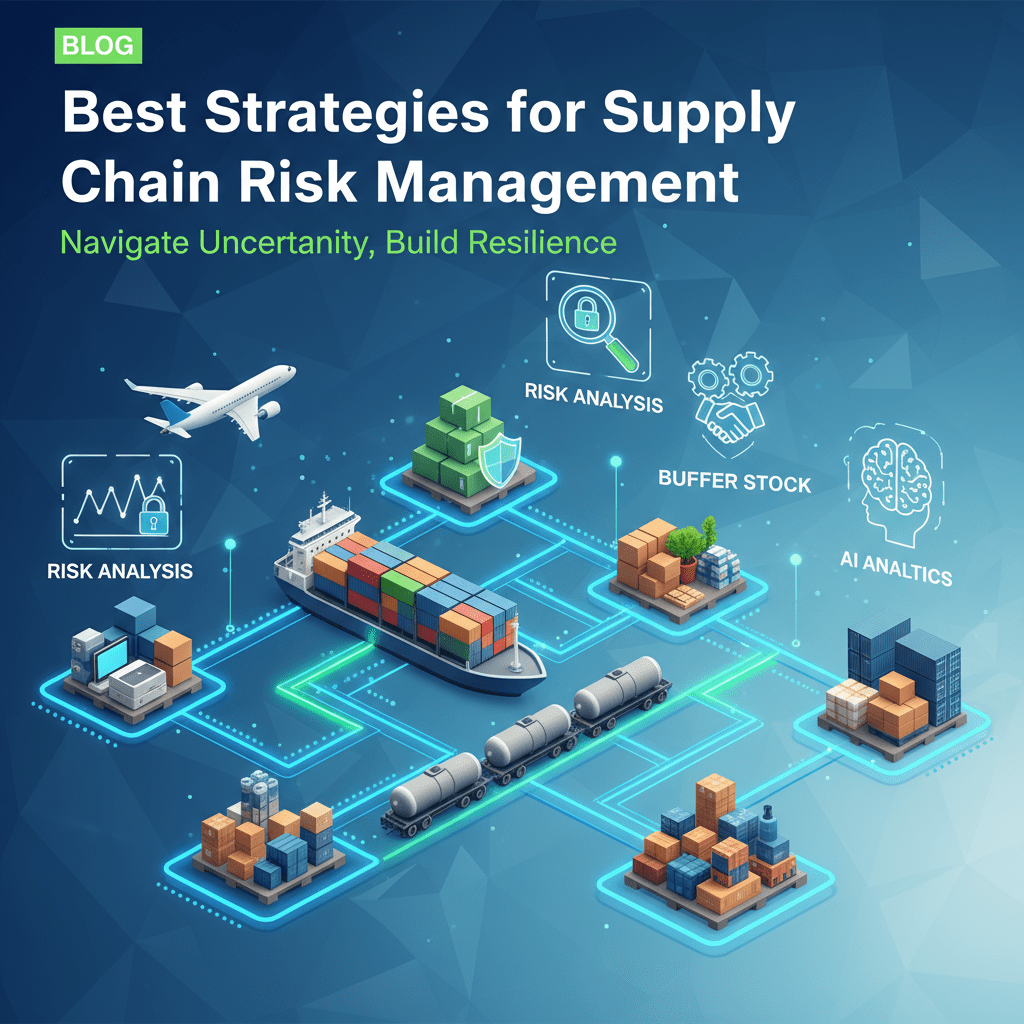
Best Strategies for Supply Chain Risk Management

Introduction Supply chain risk management has become a top priority for organizations due to geopolitics, climate events, cyber threats, and unpredictable global disruptions. Businesses need robust frameworks and proactive strategies to secure continuity, minimize losses, and ensure long-term resilience in 2025. Diversify the Supplier Base Relying on a single supplier exposes companies to disruption risks. Multi-sourcing and geographic diversification reduce the impact of localized events and create backup capabilities for critical supplies. Nearshoring and Regionalization Locating suppliers closer to operations or markets shortens lead times and mitigates risks associated with global transport delays, tariffs, or geopolitical issues. Nearshoring also increases control and responsiveness in volatile scenarios. Enhance Supply Chain Visibility Leveraging digital tools (IoT, blockchain, real-time dashboards) provides transparency across supplier tiers, shipment status, and inventory levels. Visibility enables faster detection and mitigation of disruptions. Scenario Planning and Stress Testing Run regular scenario analyses and stress tests to reveal vulnerabilities in supply chain networks. Realistic modeling for natural disasters, cyber incidents, or supplier insolvency enables preparation and rapid response. Safety Stock and Redundant Inventory Maintain buffer inventory and safety stock for critical products to mitigate supply disruptions or demand spikes, protecting business continuity. Strategic Supplier Relationships Build partnerships and collaborate closely with suppliers—share forecasts, risk data, and contingency plans for mutual support during crises. Invest in Digital and AI Tools Adopt supply chain mapping, predictive analytics, and automation to sense early warnings, model risks, and automate risk response for greater resilience. Cybersecurity Integration Protect supply chains from escalating cyber threats by implementing end-to-end security protocols, monitoring supplier IT risk, and securing contracts and information exchanges. Regular Risk Assessments and Training Conduct frequent supply chain risk reviews and educate internal teams about risk awareness and mitigation, ensuring organizational preparedness for emerging threats. Conclusion Effective supply chain risk management requires a mix of prudent planning, technology adoption, supplier collaboration, and ongoing monitoring. By implementing these best strategies, organizations can handle disruption confidently, secure operations, and build lasting resilience against future challenges. For advanced supply chain risk solutions and AI-powered analytics, explore TechOTD AI Services and learn more on the TechOTD Blog. Would you like a checklist or template for supply chain risk management planning?

How would you like me to respond?

Select a personality for your AI assistant

Normal
Happy
Sad
Angry

Your selection will affect how the AI assistant responds to your messages

Chat Assistant

Let's discuss your project!

Hear from our clients and why 3000+ businesses trust TechOTD

Tell us what you need, and we'll get back with a cost and timeline estimate

Scroll to Top