digital twins

Manufacturing, Technology

Smart Factories and Industry 4.0: The Future of Manufacturing Operations

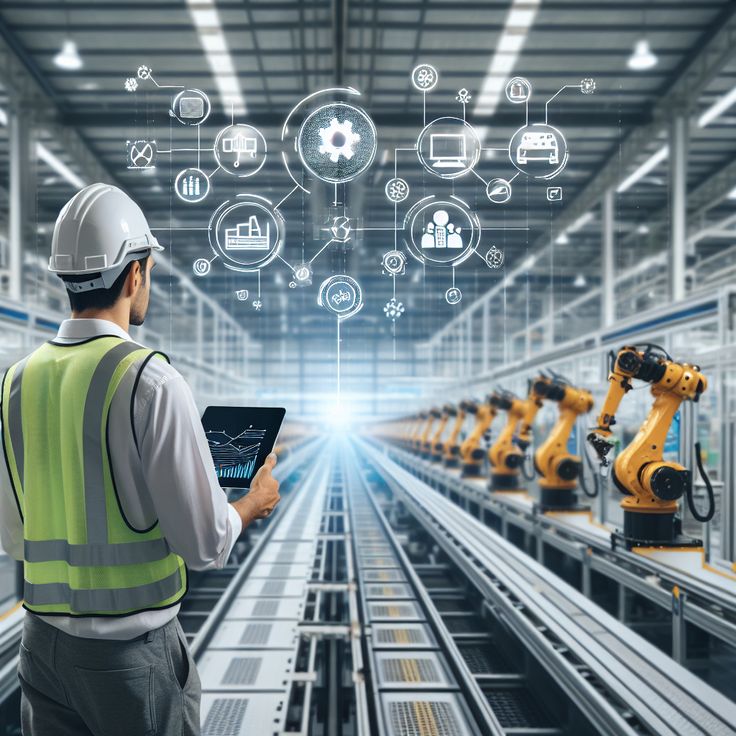
Smart Factories and Industry 4.0: The Future of Manufacturing Operations Manufacturing has always been a driving force behind economic growth and industrial development. From the steam-powered machines of the First Industrial Revolution to the computer-controlled production systems of the modern era, manufacturing has continuously evolved to meet changing market demands. Today, the industry is experiencing another major transformation known as Industry 4.0, a technological revolution that is redefining how factories operate, produce goods, and interact with supply chains. At the heart of this transformation lies the concept of the smart factory. Unlike traditional manufacturing facilities that rely heavily on manual monitoring and isolated systems, smart factories use interconnected technologies such as Artificial Intelligence (AI), the Internet of Things (IoT), cloud computing, robotics, and advanced analytics to create highly intelligent and automated production environments. As global competition intensifies and customer expectations continue to rise, manufacturers are under increasing pressure to improve efficiency, reduce costs, enhance product quality, and accelerate innovation. Smart factories provide a solution by enabling real-time visibility, predictive decision-making, and seamless communication across the entire production ecosystem. The combination of Industry 4.0 technologies and smart manufacturing practices is not simply improving existing processes; it is fundamentally changing how products are designed, manufactured, delivered, and maintained. Organizations that embrace this shift are positioning themselves for long-term success in an increasingly digital and connected world. Understanding Industry 4.0 Industry 4.0 represents the fourth industrial revolution, characterized by the integration of digital technologies into manufacturing and industrial operations. It connects machines, systems, and people through intelligent networks that enable autonomous decision-making and real-time data exchange. The first industrial revolution introduced mechanization through steam power. The second brought mass production through electricity and assembly lines. The third revolution introduced computers and automation. Industry 4.0 builds upon these developments by creating smart, connected, and data-driven manufacturing environments. The primary goal of Industry 4.0 is to create a seamless flow of information across all aspects of manufacturing operations. This allows organizations to respond quickly to changing conditions, optimize production processes, and improve overall performance. Smart factories serve as the practical implementation of Industry 4.0 principles. They combine digital technologies with traditional manufacturing processes to create adaptive and intelligent production systems capable of self-monitoring and self-optimization. What Is a Smart Factory? A smart factory is a highly digitized manufacturing facility where machines, sensors, software systems, and employees work together through connected networks to improve productivity and efficiency. In a smart factory, production equipment continuously generates data that is analyzed in real time. This information helps manufacturers identify inefficiencies, predict equipment failures, optimize workflows, and maintain consistent product quality. Unlike traditional factories where decisions often rely on manual intervention and historical reports, smart factories use real-time insights to support immediate action. Machines can communicate with each other, adjust production schedules automatically, and even detect potential issues before they impact operations. The result is a manufacturing environment that is more flexible, efficient, and responsive to customer needs. Key Technologies Powering Smart Factories The success of smart factories depends on several advanced technologies working together to create an interconnected manufacturing ecosystem. Internet of Things (IoT) The Internet of Things forms the foundation of Industry 4.0. IoT devices and sensors collect data from machines, production lines, and industrial equipment. These sensors monitor various parameters such as temperature, pressure, vibration, energy consumption, and machine performance. The collected data provides valuable insights into operational conditions and production efficiency. By connecting physical assets to digital systems, IoT enables real-time visibility across manufacturing operations and supports proactive decision-making. Artificial Intelligence and Machine Learning Artificial Intelligence plays a critical role in transforming raw manufacturing data into actionable insights. AI algorithms can analyze large volumes of information, identify patterns, and predict future outcomes. Machine learning systems continuously improve their accuracy by learning from historical and real-time data. Manufacturers use AI for predictive maintenance, quality control, demand forecasting, inventory optimization, and production planning. These capabilities help reduce downtime, improve product quality, and increase operational efficiency. Industrial Robotics Modern industrial robots have become increasingly intelligent, flexible, and collaborative. Unlike traditional robots designed for repetitive tasks, advanced robotic systems can adapt to changing production requirements and work alongside human employees. These collaborative robots, often called cobots, enhance productivity while improving workplace safety. Robots are widely used for assembly, welding, packaging, material handling, and inspection processes, allowing manufacturers to maintain high levels of accuracy and consistency. Cloud Computing Cloud computing provides the infrastructure needed to store, process, and analyze vast amounts of manufacturing data. By leveraging cloud platforms, manufacturers can access information from multiple locations, improve collaboration, and scale operations without significant infrastructure investments. Cloud-based systems also enable remote monitoring and management of manufacturing facilities, making it easier to oversee global production networks. Digital Twins A digital twin is a virtual representation of a physical asset, process, or production system. Digital twins allow manufacturers to simulate real-world conditions, test different scenarios, and evaluate potential improvements without disrupting actual operations. By creating accurate digital models of machines and production lines, organizations can optimize performance, reduce risks, and accelerate innovation. Big Data Analytics Manufacturing environments generate enormous volumes of data every day. Big data analytics helps organizations extract valuable insights from this information by identifying trends, detecting anomalies, and uncovering opportunities for improvement. Data-driven decision-making enables manufacturers to optimize production schedules, reduce waste, improve resource utilization, and enhance overall performance. Benefits of Smart Factories The adoption of smart factory technologies offers numerous advantages that extend across all aspects of manufacturing operations. Increased Operational Efficiency Automation and real-time monitoring help eliminate bottlenecks and streamline production processes. Manufacturers can identify inefficiencies quickly and make adjustments before they impact productivity. This leads to higher output and improved resource utilization. Reduced Downtime Unexpected equipment failures can result in costly production interruptions. Predictive maintenance solutions use AI and IoT data to identify potential issues before they cause breakdowns. Maintenance activities can be scheduled proactively, reducing downtime and extending equipment lifespan. Improved Product Quality Smart factories use advanced inspection systems, machine vision, and AI-powered analytics to detect
Artificial Intelligence, Digital Transformation, Technology

How Digital Twins Are Transforming Manufacturing and Smart Cities

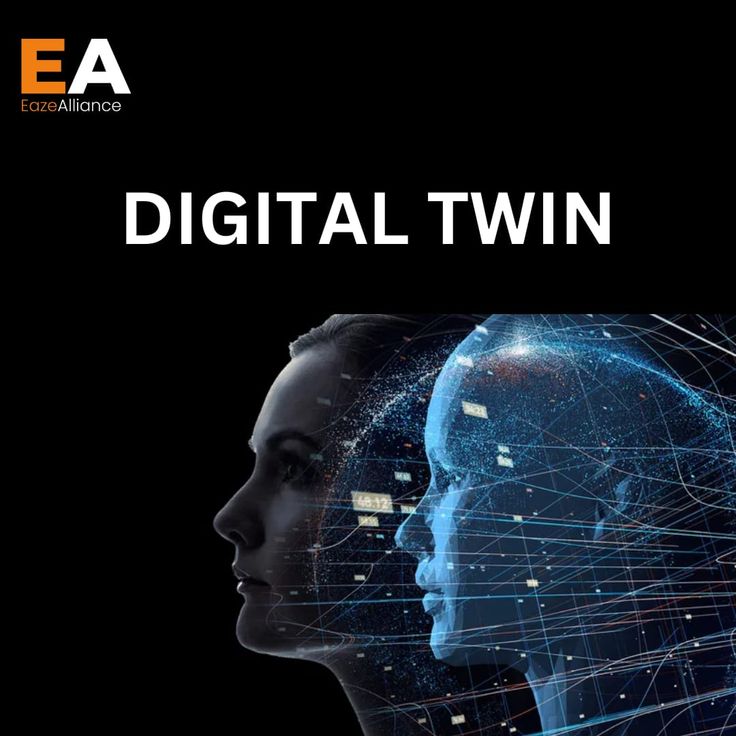
How Digital Twins Are Transforming Manufacturing and Smart Cities Imagine being able to create an exact digital replica of a factory, a production line, a power grid, or even an entire city. Now imagine that this digital replica updates itself continuously using real-time data from sensors, machines, cameras, and connected devices. Engineers can test changes before implementing them, city planners can predict traffic congestion before it occurs, and manufacturers can identify equipment failures before they happen. This is the power of digital twin technology. Over the past few years, digital twins have evolved from an experimental concept into one of the most impactful technologies driving digital transformation. Organizations across industries are leveraging digital twins to improve efficiency, reduce costs, optimize operations, and make better decisions based on real-world data. As manufacturing facilities become smarter and cities become increasingly connected, digital twins are emerging as a critical technology that bridges the gap between the physical and digital worlds. Understanding how digital twins work and why they matter is essential for businesses, city planners, and technology leaders looking to stay competitive in an increasingly data-driven future. What Is a Digital Twin? A digital twin is a virtual representation of a physical object, process, system, or environment that continuously receives data from its real-world counterpart. Unlike traditional simulations that rely on static information, digital twins are dynamic. They constantly collect and analyze real-time data through sensors, Internet of Things (IoT) devices, software systems, and connected networks. The digital model mirrors the current condition of the physical asset and can predict future behavior based on historical and live data. For example, in a manufacturing plant, a digital twin of a machine can monitor temperature, vibration levels, energy consumption, and production output. If the system detects unusual behavior, it can alert operators before a costly breakdown occurs. Similarly, a digital twin of a city can monitor traffic flow, public transportation, energy consumption, water distribution, weather patterns, and infrastructure performance to help authorities make smarter decisions. The combination of IoT, artificial intelligence, cloud computing, big data analytics, and advanced visualization technologies has accelerated the adoption of digital twins across multiple sectors. Why Digital Twins Matter More Than Ever Today’s organizations face increasing pressure to improve operational efficiency while reducing costs and minimizing risks. Manufacturers must manage complex supply chains, maintain equipment reliability, and meet customer demands for faster production. City governments must address challenges such as population growth, traffic congestion, energy management, sustainability, and public safety. Traditional monitoring systems often provide limited visibility into operations. Digital twins offer a more comprehensive approach by providing a complete digital view of physical systems. This enables organizations to move from reactive decision-making to predictive and proactive management. Instead of fixing problems after they occur, organizations can anticipate issues and take action before disruptions happen. This shift is creating significant value across industries and transforming how physical assets are designed, managed, and optimized. The Role of Digital Twins in Modern Manufacturing Manufacturing is one of the industries experiencing the greatest impact from digital twin technology. Modern factories generate enormous amounts of operational data every day. Machines, robots, conveyors, sensors, and production systems continuously produce information that can be used to improve efficiency and productivity. Digital twins bring all this information together into a single intelligent model. Manufacturers can visualize operations in real time, identify inefficiencies, and test improvements without disrupting production. One of the most valuable applications is predictive maintenance. Equipment failures can cause expensive downtime and production delays. Traditional maintenance schedules often rely on fixed intervals, which may result in unnecessary servicing or unexpected breakdowns. Digital twins continuously monitor machine health and identify early warning signs of potential failures. This allows maintenance teams to perform repairs at the optimal time, reducing downtime and extending equipment lifespan. Production optimization is another major benefit. Manufacturers can simulate different production scenarios and evaluate their impact before implementing changes. Whether adjusting workflows, introducing new machinery, or redesigning assembly lines, digital twins help organizations make informed decisions with minimal risk. Quality control also improves significantly. By monitoring production processes in real time, digital twins can identify deviations that may affect product quality. This enables faster corrective actions and helps maintain consistent manufacturing standards. As competition increases and margins become tighter, these improvements can deliver substantial financial benefits. Enhancing Product Development and Innovation Digital twins are not only transforming factory operations but also revolutionizing product development. Traditionally, creating and testing physical prototypes requires significant time and resources. Digital twins enable engineers to evaluate product designs in virtual environments before building physical versions. Manufacturers can test performance, durability, safety, and functionality under various conditions using advanced simulations. This approach reduces development costs, accelerates innovation, and shortens time-to-market. For industries such as automotive, aerospace, electronics, and industrial equipment, digital twins provide a powerful way to improve product quality while reducing design risks. Companies can identify potential issues earlier in the development process and make adjustments before production begins. This creates a more efficient and cost-effective innovation cycle. Supply Chain Visibility and Optimization Global supply chains have become increasingly complex and vulnerable to disruptions. Manufacturers need better visibility into every stage of the supply chain to ensure smooth operations. Digital twins can create virtual models of supply chain networks, allowing organizations to track inventory, shipments, supplier performance, and logistics operations in real time. By analyzing supply chain data, businesses can identify bottlenecks, predict delays, and optimize inventory management. This improved visibility helps organizations respond more effectively to market fluctuations and unexpected disruptions. The ability to simulate different scenarios also supports strategic planning and risk management. As supply chain resilience becomes a top priority for businesses worldwide, digital twins are becoming an essential tool for operational success. How Digital Twins Are Powering Smart Cities The same technology that improves manufacturing efficiency is also helping cities become smarter, safer, and more sustainable. Urban populations continue to grow rapidly, creating increasing demands on infrastructure and public services. City planners face challenges related to transportation, energy consumption, environmental sustainability, housing, waste

Healthcare & Fitness

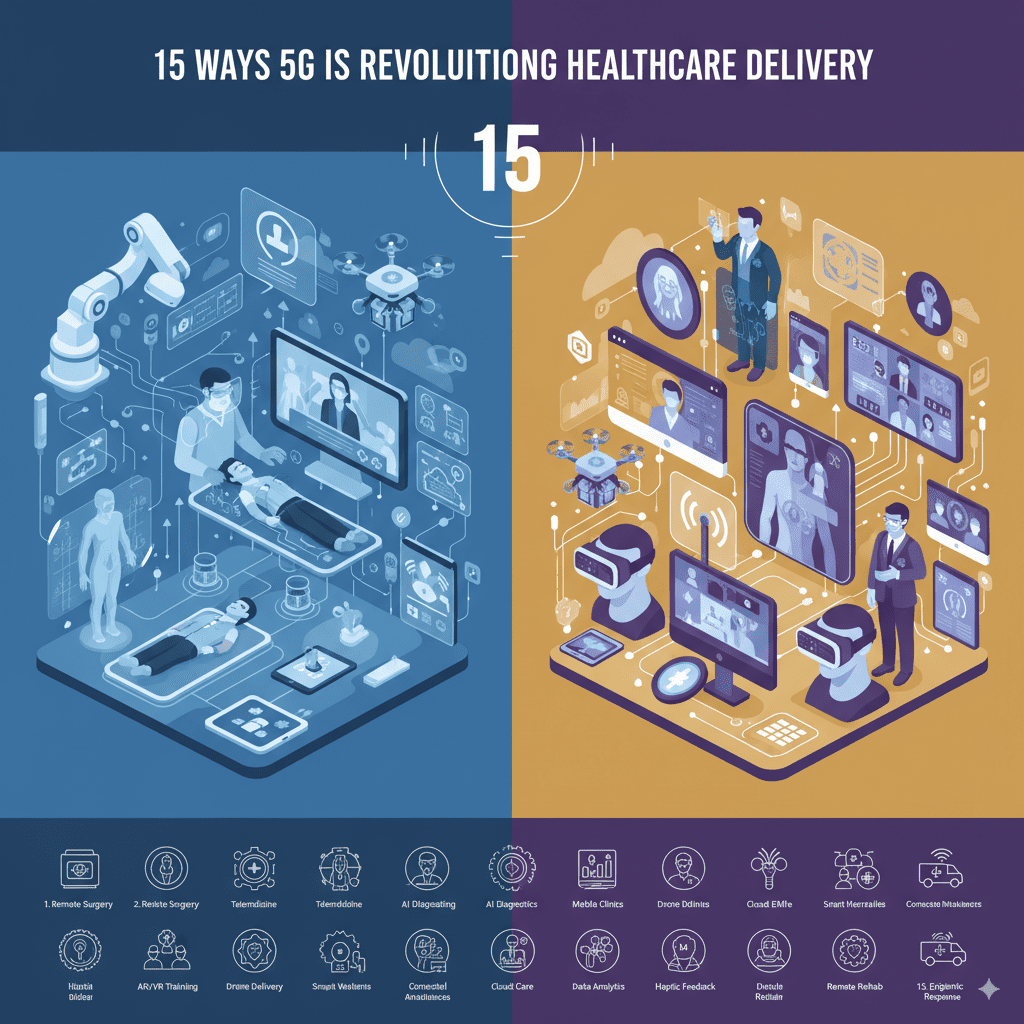
15 Ways 5G is Revolutionizing Healthcare Delivery

Introduction The healthcare industry is undergoing a seismic transformation powered by the emergence of 5G connectivity. The fifth generation of wireless networks offers blazing speeds, ultra-low latency, and the ability to connect unprecedented numbers of devices—all of which unlock new efficiencies and innovations in patient care. With a rapidly expanding global 5G healthcare market projected to surge from $70.94 billion in 2025 to nearly $390 billion by 2034, forward-looking providers are reimagining everything from diagnostics and surgery to patient monitoring and data management. This blog explores 15 practical ways 5G is revolutionizing healthcare delivery, empowering professionals and patients, and creating a smarter, more connected medical ecosystem. Real-Time Remote Patient Monitoring 5G networks support continuous remote patient monitoring (RPM) by seamlessly connecting wearables and IoT devices. Real-time transmission of vitals allows care teams to detect issues early and intervene before complications arise. Example: Heart monitors send instant readings via connected medical platforms, enabling faster doctor responses. High-Fidelity Telemedicine and Virtual Consultations Ultra-clear 4K+ video with almost zero lag dramatically enhances virtual medical visits. Doctors can visually inspect skin, wounds, or rashes in detail, building trust and accuracy in remote diagnosis. Example: Leading telehealth providers use 5G to connect diagnostic equipment during video consults. Connected Ambulances and Next-Gen Emergency Services 5G-equipped ambulances serve as “mobile ERs,” sharing live HD video and critical patient data with hospitals in real time. Paramedics receive expert guidance from remote clinicians during transport, improving life-saving outcomes. Example: University Hospitals in Birmingham piloted remote ultrasound guidance in 5G ambulances. Instantaneous Access to Electronic Health Records (EHR) 5G enables clinicians to access full EHRs—including large medical images—on tablets or devices anywhere in the hospital within seconds. Faster access means faster, more informed clinical decisions and workflow efficiency. Example: Rush University Medical Center’s private 5G boosts Epic system accessibility. The Rise of the Internet of Medical Things (IoMT) 5G enables thousands of connected IoMT devices in smart hospitals, powering smart beds, infusion pumps, and environmental sensors. Real-time data aggregation creates a digital twin of entire operations, driving clinical and operational optimization. Example: Philips HealthSuite manages data from millions of devices over robust 5G networks. Democratizing Expertise with Remote and Robotic Surgery Ultra-low 5G latency makes remote robotic surgery a reality. Surgeons in one location can perform delicate procedures on patients hundreds of miles away. Example: In China, remote thyroid surgeries have been performed thanks to 5G. Advanced Predictive Analytics for Patient Care Real-time sensor and medical record data flow enables AI-powered predictive models for sepsis risk, patient deterioration, and resource allocation. Enhanced clinician decision-making leads to proactive, personalized interventions. Example: The U.S. Veterans Affairs living lab uses 5G to power predictive analytics in chronic care. Immersive Medical Training with AR and VR Medical education evolves with 5G-fueled AR/VR, enabling virtual dissection, simulated surgeries, and lag-free team training. Complex procedures can be practiced in virtual operating rooms globally. Example: Multi-user platforms like GE HealthCare’s OmnifyXR allow remote collaborative training. Automated Hospital Kiosks and Self-Serve Stations 5G keeps smart kiosks and check-in stations fast and responsive, even during peak times. Automating patient intake, co-payment, and navigation streamlines operations and frees up staff. Example: Boston Children’s Hospital uses a hybrid 5G network for real-time registration and payments. Digital Twins for Personalized Treatment Planning Virtual patient “digital twins” simulate organs or systems for personalized planning and risk-free surgery rehearsal. High-throughput 5G transfers large imaging and modeling data seamlessly between systems and clinicians. Resilient Supply Chain and Smart Inventory Management 5G-powered sensors and tags track medical equipment, medications, and PPE in real time, reducing waste and shortages. Automated stock alerts and predictive maintenance lower costs and improve readiness. Enhanced Medical Imaging and Faster Diagnostics 5G dramatically reduces the time to transfer massive imaging files, accelerating diagnosis and treatment. Enables seamless collaboration among radiologists and AI-driven image analysis. Seamless Collaboration Between Healthcare Professionals Real-time, high-definition video and data sharing accelerate collaborative diagnosis, second opinions, and multidisciplinary decision-making. Teams work seamlessly—even across continents—improving complex case outcomes. Improved Patient Data Security and Privacy 5G’s network slicing and advanced encryption ensure that critical patient data is isolated from general traffic. Hospitals can deploy Zero Trust frameworks to verify every app, user, and device before access. Example: Advanced hospital networks use hardware-level isolation and separate encryption keys for security. Supporting Rural and Underserved Communities Fixed wireless access (FWA) over 5G delivers high-speed Internet to remote clinics, enabling telemedicine, specialist consults, and remote diagnostics. Rural patients gain access to advanced care previously only available in major cities. Example: T-Mobile’s Project 10Million brings 5G health services and virtual appointments to rural schools and clinics. Conclusion 5G is redefining the healthcare playbook, transforming both the patient and provider experiences with speed, scale, and intelligence never before possible. From telemedicine and robotic surgery to predictive analytics, immersive training, and robust supply chain management, the applications are far-reaching and evidence-based. Forward-thinking organizations are already moving quickly to integrate 5G, gaining efficiency, resilience, and a decisive edge in the pursuit of delivering better, more accessible care. Now is the time for healthcare leaders to prioritize bold adoption—and to build a digital health future where connectivity, compassion, and innovation go hand in hand. Ready to future-proof healthcare operations or deliver next-gen patient experiences? Contact a digital healthcare transformation expert for an in-depth 5G strategy assessment today. FAQ Q1: What is the biggest impact of 5G in healthcare? A: Remote patient monitoring and telemedicine provide continuous, real-time care and expand access to specialists for rural and urban populations alike. Q2: Is 5G safe and secure for patient information? A: Yes, 5G offers advanced security features such as network slicing and end-to-end encryption, helping protect sensitive medical data against cyber threats. Q3: How does 5G benefit hospital operations? A: 5G streamlines data flows, enhances collaboration, enables instant access to EHRs, and supports smart logistics—resulting in faster patient throughput, fewer errors, and reduced administrative burden. Q4: Can 5G enable surgeries performed from remote locations? A: Absolutely. 5G’s ultra-low latency allows surgeons to operate on patients miles away, democratizing access to cutting-edge specialized

Business Process

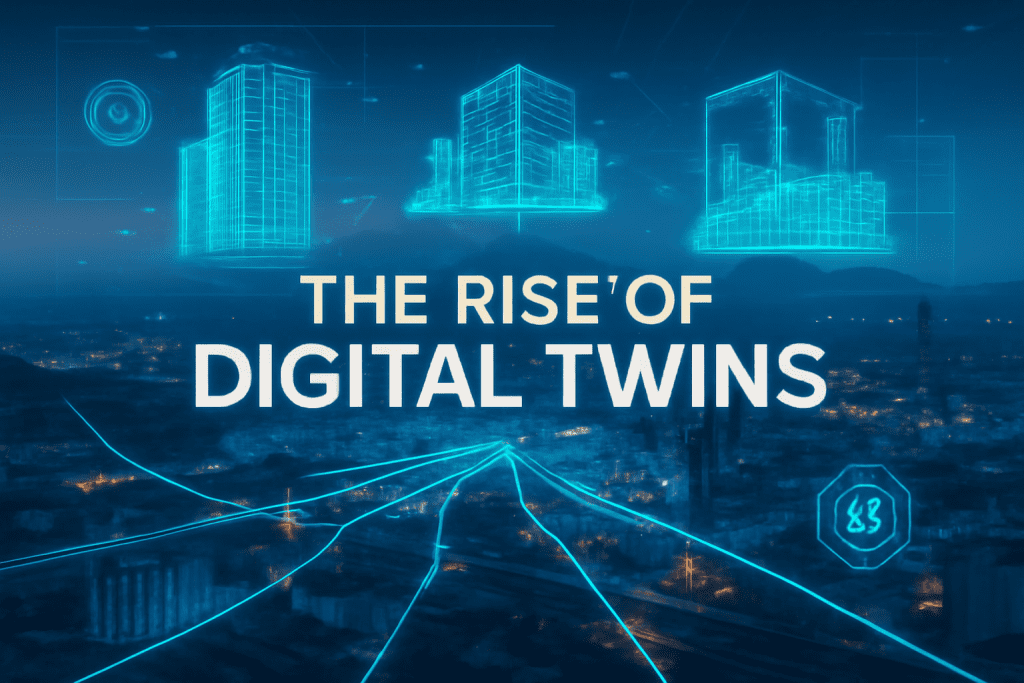
The Rise of Digital Twins: How Virtual Models Are Changing Industries

Introduction Digital twins—virtual replicas of physical objects, systems, or processes—are rapidly transforming the industrial landscape. By bridging the gap between the real and digital worlds, these sophisticated virtual models allow organizations to simulate, monitor, and optimize operations in real time. As businesses grapple with increasing complexity, talent shortages, and global competition, digital twins offer a pathway to smarter decision-making, reduced costs, and unprecedented efficiencies. Understanding how these technologies are revolutionizing industries is crucial for leaders aiming to remain competitive and future-ready. What Are Digital Twins and Why Are They Important? Digital twins are detailed digital replicas of physical assets, processes, or systems, continuously updated using real-world data from sensors, IoT devices, and analytics platforms. These models reflect the current state and behavior of their physical counterparts, allowing organizations to: Simulate “what-if” scenarios for operational planning. Predict issues and enable proactive maintenance. Monitor performance and health of assets in real time. Why are they important? Enable safer, faster, and more cost-effective testing without physical risks. Provide insights to improve design, manufacturing, and end-user experiences. Lead to significant cost savings, increased uptime, and higher customer satisfaction. Key Market Statistics The global digital twin market is projected to reach $27.53 billion in 2025, with forecasts exceeding $471 billion by 2034—a CAGR of over 37%. Adoption is accelerating across sectors, with manufacturing, healthcare, construction, smart cities, and aerospace leading the way. How Digital Twins Are Transforming Industries Manufacturing Real-time asset monitoring and predictive maintenance minimize downtime and lower repair costs. Digital twins facilitate optimized production lines, reduced waste, and improved product quality. Companies like Mars are leveraging digital twins to enhance capacity, reduce packaging errors, and maximize equipment uptime. Healthcare Virtual models of the human body allow for better diagnosis, treatment, and personalized care. Hospital operations and logistics are improved through simulation and predictive analytics. Architecture, Construction, and Smart Cities Digital twins model buildings and infrastructure for planning, safety analysis, and efficient resource management. Cities use digital twins for traffic and utility management, disaster response, and sustainability initiatives. Aerospace & Automotive Simulate and test aircraft and vehicle performance before physical prototypes are built. Predict maintenance needs, reducing unexpected failures and extending asset life. Energy and Utilities Power plants and grids use digital twins for real-time operation optimization and maintenance scheduling. Renewable energy assets (e.g., wind turbines) benefit from predictive analytics for improved efficiency. Conclusion Digital twins are much more than a technological trend; they are a transformative force reshaping how industries operate. By merging digital intelligence with physical systems, organizations unlock new value from their assets, making operations smarter, safer, and more sustainable. As adoption rises and AI-driven automation deepens, the only question is how fast businesses will implement these tools to gain and sustain competitive advantage. Ready to future-proof your operations? Now is the time to explore and invest in digital twin technologies for transformative results. FAQ 1. What is a digital twin? A digital twin is a virtual replica of a physical asset, process, or system, constantly updated with real-time data to simulate and optimize performance. 2. Which industries use digital twins the most? Manufacturing, healthcare, construction, smart cities, aerospace, and energy are leading adopters. 3. How do digital twins save costs? By predicting failures, optimizing operations, and enabling proactive maintenance, digital twins reduce downtime, resource waste, and maintenance expenses. 4. Are digital twins only for large businesses? While early adoption was led by large enterprises, advancements in IoT and cloud/edge computing are making digital twins accessible to mid-sized and even small companies. 5. What challenges are there in adopting digital twins? Key hurdles include integration with legacy systems, data privacy, high upfront costs, and ensuring data quality.

How would you like me to respond?

Select a personality for your AI assistant

Normal
Happy
Sad
Angry

Your selection will affect how the AI assistant responds to your messages

Chat Assistant

Let's discuss your project!

Hear from our clients and why 3000+ businesses trust TechOTD

Tell us what you need, and we'll get back with a cost and timeline estimate

Scroll to Top