cyber threats

cybersecurity, Digital Transformation, Educational Technology, enterprise

Zero Trust Security: Why Organizations Are Adopting It Faster Than Ever

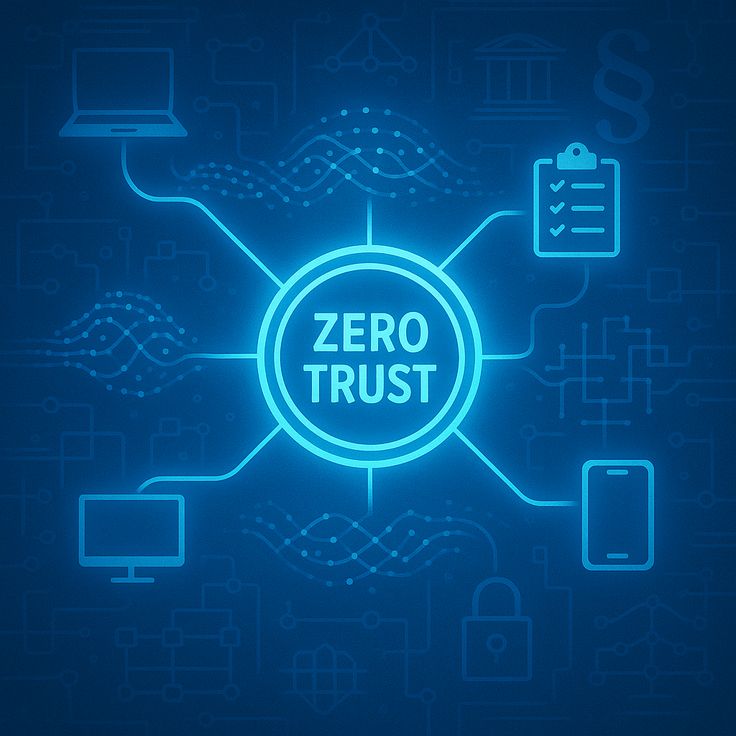
Zero Trust Security: Why Organizations Are Adopting It Faster Than Ever Cybersecurity has never been more important than it is today. Organizations across the globe are facing an unprecedented number of cyber threats, ranging from ransomware attacks and phishing campaigns to insider threats and sophisticated nation-state cyber operations. As businesses continue to embrace cloud computing, remote work, digital transformation, and interconnected technologies, traditional security models are proving increasingly inadequate. For decades, organizations relied on perimeter-based security strategies. The assumption was simple: anything inside the corporate network could be trusted, while anything outside should be treated as a potential threat. Firewalls, VPNs, and network segmentation formed the backbone of enterprise security. However, the modern digital environment has fundamentally changed this approach. Employees access company resources from multiple devices and locations. Applications reside in public and private clouds. Third-party vendors require network access. Sensitive data moves continuously between platforms and users. In this new reality, the concept of trust based solely on network location no longer works. This is where Zero Trust Security comes into the picture. Zero Trust has rapidly evolved from a cybersecurity concept into one of the most widely adopted security frameworks worldwide. Organizations of all sizes are investing heavily in Zero Trust architectures to protect their digital assets, strengthen compliance, and reduce cyber risks. But what exactly is Zero Trust Security, and why are organizations adopting it faster than ever before? Let’s explore. Understanding Zero Trust Security Zero Trust Security is a cybersecurity framework built on a simple but powerful principle: “Never Trust, Always Verify.” Unlike traditional security models that automatically trust users and devices inside a corporate network, Zero Trust assumes that every user, device, application, and connection could potentially be compromised. Under a Zero Trust model, no entity receives automatic trust, regardless of whether it is inside or outside the network perimeter. Every access request must be continuously verified before access is granted. This verification process typically includes: Identity verification Device authentication Access control policies User behavior analysis Multi-factor authentication Continuous monitoring The objective is to minimize risk by ensuring that only authorized users can access specific resources under predefined conditions. The Evolution of Cybersecurity Threats One of the biggest reasons organizations are embracing Zero Trust is the dramatic evolution of cyber threats. Modern cybercriminals have become more sophisticated than ever. Today’s attackers use advanced techniques such as: Ransomware-as-a-Service (RaaS) AI-powered phishing attacks Credential theft Supply chain attacks Insider threats Cloud account compromises Social engineering campaigns Many of these attacks bypass traditional security defenses because they exploit trusted accounts and legitimate access credentials. When attackers successfully steal login credentials, they can often move freely across traditional networks without triggering security alerts. Zero Trust eliminates this weakness by requiring verification at every stage of access. Even if an attacker compromises one account, they cannot automatically gain unrestricted access to sensitive systems. This significantly reduces the attack surface and limits potential damage. Why Traditional Security Models Are Failing The traditional “castle-and-moat” approach to cybersecurity was designed for a different era. In the past: Employees worked primarily from offices. Applications were hosted on-premises. Data remained within corporate networks. Devices were company-managed. Today, none of these assumptions consistently apply. Modern enterprises operate in highly distributed environments where: Employees work remotely. Applications run in multiple clouds. Data resides across various platforms. Contractors and vendors require access. Employees use personal devices. As a result, the network perimeter has effectively disappeared. Organizations can no longer rely solely on perimeter defenses because users and data exist far beyond traditional boundaries. Zero Trust addresses this challenge by focusing on identities, devices, and access rather than network location. The Core Principles of Zero Trust Security While Zero Trust implementations vary between organizations, most frameworks follow several key principles. Verify Every User Every user must authenticate before accessing resources. Authentication methods may include: Passwords Biometrics Security tokens Multi-factor authentication Identity verification is performed continuously rather than only during login. Least Privilege Access Users receive only the minimum access necessary to perform their tasks. This approach reduces risk because compromised accounts cannot access systems beyond their authorized permissions. Least privilege significantly limits lateral movement during cyberattacks. Continuous Monitoring Security teams continuously monitor user activities, devices, and network traffic. Behavior analytics help identify unusual patterns that may indicate malicious activity. Suspicious behavior triggers additional verification or access restrictions. Assume Breach Zero Trust operates under the assumption that breaches can occur at any time. Instead of focusing solely on prevention, organizations prioritize detection, containment, and response. This mindset improves resilience against sophisticated attacks. Device Security Verification Access decisions consider device health and security status. Devices may be evaluated based on: Operating system updates Antivirus status Encryption settings Security compliance Compromised or non-compliant devices may be denied access. The Remote Work Revolution Accelerated Adoption The global shift toward remote and hybrid work has dramatically accelerated Zero Trust adoption. Employees now access corporate resources from: Home offices Coffee shops Airports Co-working spaces Mobile devices Traditional VPN-based security approaches struggle to secure this distributed workforce effectively. Organizations need a security framework that protects users regardless of location. Zero Trust enables secure access by verifying users and devices rather than relying on network boundaries. As remote work becomes a permanent part of business operations, Zero Trust continues to gain momentum. Cloud Computing and Zero Trust Cloud adoption is another major driver behind the rise of Zero Trust Security. Modern organizations increasingly rely on: Software-as-a-Service (SaaS) Infrastructure-as-a-Service (IaaS) Platform-as-a-Service (PaaS) Cloud environments introduce new security challenges because resources are distributed across multiple providers and locations. Traditional security architectures often lack visibility and control in these environments. Zero Trust helps organizations secure cloud assets through: Strong identity management Granular access controls Continuous authentication Micro-segmentation Cloud workload protection This approach improves security without sacrificing flexibility. The Role of Multi-Factor Authentication Multi-factor authentication (MFA) has become a cornerstone of Zero Trust Security. Passwords alone are no longer sufficient. Attackers frequently obtain credentials through: Phishing attacks Data breaches Malware Credential stuffing MFA requires users to provide additional verification


Artificial Intelligence, cybersecurity, Technology

The Future of Cybersecurity in the Age of Generative AI

The Future of Cybersecurity in the Age of Generative AI The cybersecurity landscape is undergoing a dramatic transformation. As organizations continue to embrace digital technologies, cloud computing, remote work, and interconnected systems, cyber threats are becoming increasingly sophisticated. At the same time, a new technological revolution is reshaping how businesses defend themselves against these threats: Generative Artificial Intelligence (Generative AI). Generative AI has rapidly evolved from a fascinating innovation into a powerful business tool capable of creating content, analyzing data, automating processes, and assisting with complex decision-making. While much of the public attention has focused on AI-generated text, images, and videos, one of its most significant impacts is emerging in the field of cybersecurity. Generative AI is creating both opportunities and challenges. On one hand, it enables organizations to detect threats faster, automate security operations, and strengthen defenses against cybercriminals. On the other hand, malicious actors are leveraging the same technology to launch more convincing phishing attacks, develop advanced malware, and exploit vulnerabilities at unprecedented speeds. As businesses prepare for the future, understanding the relationship between generative AI and cybersecurity has become essential. The future of digital security will be defined by how effectively organizations can harness AI while managing the risks it introduces. Understanding Generative AI in Cybersecurity Generative AI refers to artificial intelligence systems capable of creating new content, generating responses, producing code, and learning patterns from massive datasets. Unlike traditional AI systems that primarily analyze information, generative AI can actively create solutions, recommendations, and predictions based on its training. In cybersecurity, this capability opens new possibilities for threat detection, incident response, vulnerability management, and security automation. AI systems can analyze vast amounts of security data, identify suspicious activities, and provide actionable insights in real time. Security teams are increasingly overwhelmed by the volume of alerts generated by modern networks. Generative AI helps reduce this burden by filtering irrelevant alerts, prioritizing threats, and assisting analysts in understanding complex attack patterns. This shift allows security professionals to focus on strategic decision-making rather than spending valuable time on repetitive tasks. The Growing Complexity of Cyber Threats Cybercriminals continue to evolve their methods as organizations strengthen their defenses. Traditional cybersecurity approaches often struggle to keep pace with the scale and speed of modern attacks. Attack surfaces have expanded significantly due to cloud adoption, Internet of Things (IoT) devices, remote work environments, and digital transformation initiatives. Every connected device and application introduces potential vulnerabilities that attackers can exploit. Modern threats include: Advanced phishing campaigns Ransomware attacks Supply chain compromises Zero-day vulnerabilities Insider threats Credential theft Social engineering attacks The increasing sophistication of these threats requires equally advanced defense mechanisms. Generative AI provides organizations with the ability to analyze complex environments continuously and identify emerging risks before they become major incidents. AI-Powered Threat Detection and Prevention One of the most promising applications of generative AI in cybersecurity is threat detection. Traditional security systems often rely on predefined rules and known attack signatures. While effective against familiar threats, these systems may struggle to identify new or evolving attack techniques. Generative AI can analyze patterns across networks, endpoints, user behavior, and application activity to detect anomalies that may indicate malicious activity. For example, if an employee suddenly accesses sensitive data from an unusual location or begins transferring large volumes of information, AI systems can recognize the abnormal behavior and trigger alerts. The benefits include: Faster threat identification Reduced false positives Improved accuracy Real-time monitoring Continuous learning capabilities By identifying threats earlier in the attack lifecycle, organizations can minimize damage and reduce recovery costs. Automating Security Operations Security operations centers (SOCs) face significant challenges due to staffing shortages and increasing workloads. Many organizations struggle to hire enough cybersecurity professionals to manage growing security demands. Generative AI can help bridge this gap by automating routine tasks and supporting security teams. AI-driven automation can assist with: Log analysis Incident classification Threat intelligence gathering Vulnerability assessment Security reporting Compliance monitoring Instead of manually reviewing thousands of alerts each day, analysts can rely on AI-powered systems to summarize incidents, recommend actions, and prioritize critical threats. This automation improves efficiency while enabling security teams to respond more quickly to potential attacks. The Role of Generative AI in Incident Response When a cyberattack occurs, rapid response is critical. Every minute of delay can increase financial losses, operational disruptions, and reputational damage. Generative AI can significantly accelerate incident response processes. AI systems can analyze attack data, identify affected systems, determine the likely attack path, and generate recommended remediation steps. Security teams can use AI-generated insights to: Investigate incidents faster Contain threats more effectively Reduce downtime Improve recovery processes Document incidents automatically As AI technologies continue to mature, organizations may increasingly rely on autonomous response systems capable of taking immediate defensive actions without human intervention. Predictive Cybersecurity and Risk Assessment One of the most exciting developments in AI-driven security is predictive threat analysis. Rather than simply reacting to attacks after they occur, organizations can use generative AI to anticipate future threats. By analyzing historical attack data, vulnerability trends, industry intelligence, and global threat activity, AI systems can identify potential risks before they are exploited. Predictive cybersecurity enables businesses to: Prioritize security investments Patch vulnerabilities proactively Strengthen high-risk systems Improve risk management strategies Reduce attack exposure This proactive approach represents a significant shift from traditional reactive security models. How Cybercriminals Are Using Generative AI While generative AI offers powerful defensive capabilities, it also provides new tools for cybercriminals. Attackers are increasingly using AI technologies to enhance their operations and improve attack success rates. Some malicious applications include: AI-Generated Phishing Attacks Traditional phishing emails often contain grammatical errors and suspicious language. Generative AI can produce highly convincing messages that closely resemble legitimate communications. These personalized attacks can be tailored to specific individuals, making them significantly harder to detect. Advanced Social Engineering AI can generate realistic conversations, fake identities, and persuasive messages designed to manipulate victims into revealing sensitive information. Automated Malware Development Cybercriminals may use AI-assisted coding tools to create malware variants more quickly and

Artificial Intelligence, cybersecurity, Technology

The Future of Cybersecurity in an AI-Driven World

The Future of Cybersecurity in an AI-Driven World Introduction The digital world is evolving faster than ever, and with every technological advancement comes a new set of security challenges. Artificial Intelligence (AI) has become one of the most transformative technologies of our time, helping businesses automate processes, improve decision-making, and unlock new levels of efficiency. However, as AI continues to reshape industries, it is also changing the cybersecurity landscape in profound ways. Cybersecurity has traditionally been a constant battle between defenders and attackers. Security teams work to protect systems and data, while cybercriminals continuously search for new vulnerabilities to exploit. The introduction of AI has accelerated this battle. Organizations are now using AI-powered security tools to detect threats faster and respond more effectively, while attackers are leveraging the same technology to launch increasingly sophisticated cyberattacks. As we move deeper into an AI-driven era, cybersecurity is no longer just an IT concern. It has become a strategic business priority. Companies that fail to adapt to emerging security threats risk financial losses, reputational damage, regulatory penalties, and operational disruptions. How AI Is Transforming Cybersecurity Artificial intelligence is transforming cybersecurity by enabling systems to analyze massive amounts of data in real time. Traditional security tools often rely on predefined rules and signatures to identify threats. While effective against known attacks, these systems can struggle to detect new or evolving threats. AI-powered cybersecurity solutions use machine learning algorithms to identify unusual patterns, recognize anomalies, and detect suspicious behavior that may indicate a cyberattack. This allows organizations to identify and respond to threats more quickly than ever before. Faster Threat Detection and Response One of the biggest advantages of AI in cybersecurity is speed. Modern organizations generate enormous volumes of data every second. AI systems can monitor network traffic, user behavior, applications, and endpoint devices simultaneously, identifying threats within seconds rather than hours or days. This rapid detection capability helps businesses minimize damage, reduce downtime, and improve overall security resilience. Smarter Threat Intelligence Threat intelligence is essential for understanding emerging attack techniques, malware variants, and vulnerabilities. AI can analyze information from security reports, threat databases, dark web forums, and network logs to identify potential risks before they become major incidents. This proactive approach allows organizations to strengthen defenses and stay one step ahead of attackers. The Rise of AI-Powered Cyber Threats While AI strengthens defenses, it is also giving cybercriminals new tools and capabilities. Advanced Phishing Attacks Traditional phishing emails often contain spelling mistakes or suspicious wording. AI-generated phishing messages are much more convincing. They can be personalized, professionally written, and tailored to specific individuals or organizations. As a result, employees may find it increasingly difficult to distinguish between legitimate communications and fraudulent attempts. Deepfakes and Identity Fraud Deepfake technology uses AI to create highly realistic audio, video, and images. Criminals can use deepfakes to impersonate executives, employees, or trusted individuals. These fake identities can be used to authorize fraudulent payments, gain unauthorized access, or manipulate employees into revealing confidential information. AI-Enhanced Ransomware Ransomware attacks continue to evolve. AI can help attackers identify valuable targets, automate attack strategies, and evade traditional security systems. This increased sophistication means businesses need more intelligent security solutions capable of detecting suspicious activity before ransomware can spread. The Growing Importance of Cloud Security Cloud computing has become essential for modern organizations, but it also introduces new security challenges. AI-powered cloud security platforms can continuously monitor cloud environments, identify misconfigurations, detect unusual activities, and recommend corrective actions. This automated protection helps organizations maintain stronger security while reducing operational complexity. As businesses continue migrating applications and data to cloud platforms, AI-driven cloud security will become even more important. Securing the Internet of Things (IoT) The number of connected devices is growing rapidly. From smart sensors and industrial machinery to wearable devices and connected appliances, IoT is transforming how businesses operate. However, many IoT devices lack strong security controls. AI can help by monitoring device behavior, detecting anomalies, and identifying compromised devices before they become entry points for cyberattacks. As IoT ecosystems expand, AI-powered monitoring will be critical for maintaining security. Zero Trust and AI: A Powerful Combination The traditional concept of trusting users and devices inside a network perimeter is becoming outdated. Modern organizations are increasingly adopting Zero Trust security models based on the principle of “Never Trust, Always Verify.” Continuous Verification AI enhances Zero Trust architectures by continuously evaluating user behavior, device health, access requests, and contextual information. Instead of relying on a single login event, AI can continuously assess risk levels and adjust access permissions in real time. Reducing Insider Threats Insider threats remain one of the most challenging security risks. AI can identify unusual user behavior that may indicate compromised accounts or malicious activity from within the organization. This capability helps security teams detect and address threats before significant damage occurs. The Future of Identity and Access Management Passwords alone are no longer enough to protect sensitive systems and information. AI-powered authentication solutions are introducing more advanced methods of identity verification through behavioral biometrics. Behavioral Biometrics Behavioral biometrics analyze patterns such as: Typing speed Mouse movements Device usage habits Login locations Navigation behavior These unique behavioral characteristics help verify identities without creating friction for users. Addressing the Cybersecurity Skills Gap The global shortage of cybersecurity professionals continues to challenge organizations worldwide. AI can help bridge this gap by automating repetitive security tasks such as: Log analysis Threat detection Vulnerability scanning Incident response Security monitoring By handling routine tasks, AI allows cybersecurity experts to focus on strategic planning and complex investigations. The Risks and Challenges of AI in Cybersecurity Despite its benefits, AI is not a perfect solution. Adversarial AI Attacks Cybercriminals are developing techniques to manipulate AI systems themselves. These attacks may involve: Poisoning training data Manipulating machine learning models Exploiting algorithm weaknesses Bypassing AI-powered defenses Organizations must secure not only their networks but also the AI systems protecting them. Privacy and Compliance Concerns AI systems often require access to large amounts of data. Businesses must ensure that

Digital padlock representing cybersecurity and data protection.
cybersecurity, Data Privacy & Security

Cybersecurity in the Digital Age: Protecting Data in a Connected World

Introduction We live in an age where data travels faster than thought — from cloud storage to smartphones, from online banking to social media. But as our digital world expands, so do the cyber threats lurking behind every connection. From global ransomware attacks to phishing scams and data breaches, cybercrime has evolved into one of the biggest challenges of the 21st century. In 2024 alone, the global cost of cybercrime was estimated to surpass $10 trillion, making it more profitable than the illegal drug trade. In this digital age, cybersecurity isn’t optional — it’s essential for individuals, businesses, and governments alike. What Is Cybersecurity? Cybersecurity refers to the practice of protecting systems, networks, and data from unauthorized access, attacks, and damage. It involves technologies, processes, and best practices designed to secure: Computers and servers Mobile devices Networks Cloud environments User data Core Objectives of Cybersecurity — The CIA Triad: Element Meaning Purpose Confidentiality Keeping data private Prevent unauthorized access Integrity Maintaining data accuracy Ensure data isn’t altered maliciously Availability Ensuring accessibility Keep systems online and functional Together, these principles form the foundation of all cybersecurity systems. ⚙️ Types of Cybersecurity Cybersecurity covers a wide range of protection layers designed to defend different parts of the digital ecosystem. 1. Network Security Protects internal networks from intruders using firewalls, intrusion detection systems, and VPNs. 2. Information Security (InfoSec) Ensures data privacy and protects sensitive information from leaks or misuse. 3. Cloud Security Secures cloud-based infrastructure, applications, and data stored in remote servers. 4. Endpoint Security Defends devices such as laptops, phones, and IoT gadgets that connect to a network. 5. Application Security Prevents vulnerabilities during software development through encryption, code testing, and patch management. 6. Operational Security (OpSec) Focuses on the policies and procedures to handle data and protect assets. 7. Disaster Recovery and Business Continuity Ensures systems can recover quickly from attacks or data loss events. Common Cyber Threats Cyberattacks come in many forms — some target individuals, others target global corporations. Here are the most common types of cyber threats: Type Description Example Phishing Fraudulent emails trick users into revealing credentials Fake bank alerts Ransomware Encrypts data and demands payment WannaCry, LockBit Malware Software designed to damage or steal information Viruses, Trojans Denial of Service (DoS/DDoS) Overloads servers to make them crash Attacks on websites or networks Man-in-the-Middle (MitM) Intercepts data during transmission Wi-Fi eavesdropping SQL Injection Inserts malicious code into databases Web form exploits Zero-Day Exploit Targets unpatched vulnerabilities Newly discovered software flaws Insider Threats Employees misuse access privileges Data theft by insiders The increasing sophistication of cyberattacks means no organization is immune — prevention and vigilance are key. Essential Cybersecurity Tools Modern cybersecurity strategies rely on a mix of software, AI, and human expertise. Commonly Used Tools: Antivirus Software: Protects against malware and viruses (e.g., Bitdefender, Norton) Firewalls: Blocks unauthorized access to networks Encryption Tools: Secures data in transit and at rest Password Managers: Protects user credentials VPNs: Masks IP addresses for secure browsing Intrusion Detection Systems (IDS): Monitors networks for suspicious activity Multi-Factor Authentication (MFA): Adds an extra security layer beyond passwords The Role of Artificial Intelligence in Cybersecurity AI is becoming a game-changer in the fight against cyber threats. How AI Helps: Detects anomalies in real-time Predicts potential attacks before they occur Automates incident response Reduces false alerts and improves accuracy Example: AI-driven tools like Darktrace and CrowdStrike use machine learning to identify unusual network behavior and block cyberattacks instantly. Cybersecurity in Business Organizations of all sizes — from startups to multinationals — are prime targets for hackers. Key Areas of Focus for Businesses: Employee Awareness Training: Human error is the top cause of breaches. Data Encryption: Sensitive data must be encrypted at all stages. Regular Security Audits: Identify vulnerabilities before hackers do. Zero-Trust Architecture: Verify every access attempt, even inside the network. Incident Response Plans: Prepare for attacks with structured recovery strategies. Example:In 2023, several global firms adopted Zero Trust Security Models, ensuring users and devices are verified every time they access company data — drastically reducing internal breaches. Cybersecurity in the Cloud With more organizations migrating to cloud services like AWS, Azure, and Google Cloud, securing cloud infrastructure is vital. Cloud security ensures: Data encryption Identity and access management (IAM) Secure APIs and regular patching Providers also follow shared responsibility models, meaning both the provider and the client share the duty of maintaining security. Cybersecurity for Individuals Cybersecurity isn’t just for corporations — individuals must also stay alert. Personal Cyber Hygiene Tips: Use strong and unique passwords for every account. Enable two-factor authentication (2FA). Avoid clicking on suspicious links or attachments. Update software and systems regularly. Use secured Wi-Fi networks. Regularly back up important data. The Future of Cybersecurity The coming years will see cybersecurity evolve alongside AI, quantum computing, and the Internet of Things (IoT). 🔮 Key Future Trends: AI-powered threat detection Quantum encryption for unbreakable security Zero Trust Architecture becoming the global standard Biometric authentication (face, fingerprint, voice) Cyber resilience — not just prevention but rapid recovery Cybersecurity is no longer about building walls — it’s about creating adaptive, intelligent systems that learn and evolve faster than attackers. Conclusion In the digital era, data is power, and protecting it is non-negotiable. Cybersecurity is the first line of defense against a world of invisible threats. Whether it’s an individual securing personal data or a multinational corporation safeguarding billions of records, awareness and preparation are the strongest shields. As technology advances, so must our commitment to cybersecurity — ensuring a safer, more resilient digital future for everyone. FAQs 1. What is cybersecurity in simple terms?Cybersecurity is the protection of computers, networks, and data from digital attacks or unauthorized access. 2. Why is cybersecurity important?It prevents data theft, financial loss, and system damage caused by hackers or malware. 3. What are common cyber threats?Phishing, ransomware, malware, DDoS attacks, and insider threats are among the most common. 4. How can individuals improve cybersecurity?Use strong passwords, enable two-factor authentication, and avoid suspicious emails or downloads. 5.

Artificial intelligence network scanning for cyber threats and data protection.
Artificial Intelligence, cybersecurity

The Role of Artificial Intelligence in Cybersecurity

Introduction In a world where cyberattacks are growing more sophisticated by the day, traditional defense systems are no longer enough. Businesses, governments, and individuals face threats ranging from phishing scams to ransomware and identity theft. To combat this, Artificial Intelligence (AI) has emerged as a game-changing weapon in the field of cybersecurity. By combining machine learning (ML), predictive analytics, and automation, AI helps security teams identify, prevent, and respond to attacks — often before they occur. As per IBM’s Cost of a Data Breach Report 2025, organizations using AI-driven cybersecurity tools save an average of $3 million per breach compared to those without it. Clearly, the future of cybersecurity is AI-powered. What Is AI in Cybersecurity? Artificial Intelligence in Cybersecurity involves using algorithms and machine learning models to analyze data, detect anomalies, and automatically respond to threats. Unlike traditional security systems that rely on pre-defined rules, AI systems learn and adapt to new threats dynamically — making them ideal for handling today’s complex digital environments.     Core Functions: Real-time threat detection Automated response and mitigation Behavioral analysis Network monitoring Predictive analytics Why AI Is Essential in Cybersecurity Traditional cybersecurity relies on human experts and static rule-based systems. However, with billions of daily data points and evolving attack patterns, humans alone can’t keep up. AI brings: Speed: Instantly processes large datasets to identify threats. Accuracy: Reduces false positives compared to manual analysis. Scalability: Monitors thousands of endpoints simultaneously. Adaptability: Learns from new data and evolving attacks. AI acts as a force multiplier — enhancing human intelligence rather than replacing it. Key Applications of AI in Cybersecurity 1. Threat Detection and Prediction AI systems analyze historical attack data to predict potential threats. By learning patterns, AI can detect zero-day vulnerabilities that traditional systems might miss. Example: Darktrace uses AI to continuously learn an organization’s network behavior and identify anomalies in real-time. 2. Behavioral Analytics AI monitors user and system behavior to detect suspicious activities such as unauthorized access or data transfers. Example: If an employee’s account suddenly downloads huge amounts of data at odd hours, AI can flag and isolate that activity. 3. Automated Incident Response AI can automate the initial response to threats — such as isolating infected devices or blocking suspicious IP addresses — reducing the time between detection and action. Example: SOAR (Security Orchestration, Automation, and Response) platforms use AI to streamline security workflows. 4. Phishing and Email Security Machine learning models analyze email content, sender patterns, and URLs to detect phishing attacks before they reach users’ inboxes. Example: Google’s Gmail AI blocks over 100 million phishing emails daily using ML filters. 5. Malware Detection AI-powered systems can detect new malware strains by studying code structure and execution patterns — even if the malware hasn’t been seen before. Example: Cylance uses AI models trained on millions of malicious files to predict threats in real-time. 6. Network Security and Monitoring AI helps track massive network traffic volumes, identifying abnormalities that might signal cyberattacks like DDoS (Distributed Denial of Service). Example: AI tools detect unusual spikes in network activity and alert administrators instantly. 7. Fraud Detection Banks and e-commerce companies use AI to analyze user transactions and detect fraudulent behavior. Example: Mastercard’s Decision Intelligence uses AI to evaluate transaction risks within milliseconds.  Advantages of Using AI in Cybersecurity Advantage Impact Speed & Efficiency Real-time threat detection and mitigation Improved Accuracy Fewer false alarms and better prioritization Cost Reduction Reduced operational costs and data breach impact Predictive Capabilities Prevents attacks before they occur 24/7 Monitoring Continuous protection without downtime Adaptive Learning Evolves with emerging cyber threats Challenges and Limitations While AI offers immense potential, it’s not without challenges. 1. Adversarial AI Attacks Hackers use AI to create smarter malware or bypass security systems by mimicking legitimate behavior. 2. High Implementation Costs Building and training AI models require significant investment in infrastructure and expertise. 3. False Positives Poorly trained AI systems may still misclassify safe activities as threats, leading to unnecessary alerts. 4. Data Privacy Concerns AI models need large datasets to train — which sometimes include sensitive user data. 5. Skill Gap The shortage of AI and cybersecurity professionals makes it difficult for many organizations to deploy AI effectively. The Future of AI in Cybersecurity The next era of cybersecurity will be autonomous, predictive, and intelligent. Key Trends to Watch: AI + Blockchain Integration: For tamper-proof data verification. Quantum AI Security: Defending against quantum computing-based attacks. Self-Healing Systems: Networks that can automatically detect, isolate, and repair vulnerabilities. Edge AI: Real-time protection for IoT and edge devices. AI-driven Cyber Threat Intelligence (CTI): Collaborative global databases for predictive defense. By 2030, AI will be the central pillar of all major cybersecurity infrastructures — empowering organizations to respond to threats faster than hackers can act. Real-World Case Studies IBM Watson for Cybersecurity Uses natural language processing and machine learning to analyze millions of security reports, helping security teams make faster decisions. Capital One Implements AI to monitor billions of transactions in real time, protecting customers from credit card fraud and identity theft. Healthcare Networks Hospitals use AI-based security tools to protect sensitive patient records and detect ransomware attacks. Conclusion The rise of Artificial Intelligence has redefined the battle against cybercrime. From predictive threat detection to automated defense mechanisms, AI enables businesses to stay one step ahead of hackers. As digital transformation accelerates, the fusion of AI and cybersecurity will become the cornerstone of trust and resilience in the online world. However, with great power comes responsibility — ensuring AI is used ethically, transparently, and securely will be crucial for a safer digital future. In short, AI is not just defending the digital world — it’s redefining it. FAQs 1. How is AI used in cybersecurity?AI analyzes patterns, detects anomalies, and automates responses to identify and mitigate cyber threats in real time. 2. Can AI prevent cyberattacks completely?AI reduces risks and improves detection, but human oversight remains essential for complex decision-making. 3. What are the main benefits of AI in cybersecurity?Faster detection, improved accuracy,

Symbolic image of digital data protection and cybersecurity.
Data Privacy & Security

Data Privacy & Security: Protecting Your Digital Footprint in the Age of AI

Introduction In today’s hyper-connected world, data is the new currency. Every click, login, and online purchase leaves behind a trail of information — your digital footprint. But as technology evolves, so do cyber threats. From phishing scams to ransomware, the fight for data privacy and security has become one of the biggest challenges of our digital age. This blog explores the importance of data privacy and security in 2025, the growing influence of AI in cybersecurity, and practical steps you can take to protect personal and business data. 1. What is Data Privacy and Security? Data Privacy refers to controlling who can access your personal information and how it’s used. Data Security focuses on protecting that data from unauthorized access, corruption, or theft. Together, they ensure that your personal, financial, and organizational information remains safe and confidential. 2. Why Data Privacy Matters More Than Ever With billions of people online, sensitive data — like bank details, passwords, and health records — can be easily exploited.Key reasons why privacy matters: Identity Protection: Prevents identity theft and fraud. Trust & Compliance: Businesses must comply with GDPR, CCPA, and India’s DPDP Act. Control Over Information: Gives individuals power over how their data is used. Did you know? Over 80% of consumers are more likely to trust brands that prioritize data transparency. 3. AI’s Role in Modern Cybersecurity Artificial Intelligence (AI) has become both a shield and a sword in the cybersecurity landscape. How AI Strengthens Security Threat Detection: AI can analyze millions of data points in real time to detect suspicious activity. Automated Response: Reduces human error by instantly isolating infected systems. Predictive Analysis: Identifies vulnerabilities before hackers exploit them. But Beware — AI Can Be Misused Hackers are also using AI to create deepfakes, phishing bots, and malware that can bypass traditional defenses. 4. Top Data Security Challenges in 2025 Cloud Vulnerabilities: As more businesses move to the cloud, weak configurations lead to data leaks. Ransomware Attacks: Criminals lock systems and demand payment in cryptocurrency. IoT Device Risks: Smart home devices can become entry points for hackers. Insider Threats: Employees can unintentionally or maliciously leak information. AI-Driven Cybercrime: Automated attacks powered by generative AI tools. 5. Best Practices to Protect Your Data Here are proven steps to strengthen your personal and organizational data security: Use Strong Passwords: Combine uppercase, lowercase, symbols, and numbers. Enable Multi-Factor Authentication (MFA): Adds an extra security layer. Encrypt Sensitive Files: Ensure data is unreadable without authorization. Regular Software Updates: Patch vulnerabilities frequently. Educate Employees: Conduct cybersecurity awareness training. Backup Regularly: Keep offline and cloud backups of crucial data. Limit Data Sharing: Share only what’s necessary and with trusted sources. 6. The Future of Data Privacy: Regulation & Ethics Governments across the globe are tightening data protection laws. Europe: GDPR continues to evolve with stricter AI governance. India: The Digital Personal Data Protection (DPDP) Act 2023 emphasizes user consent and accountability. Global Trend: Companies now appoint Data Protection Officers (DPOs) to ensure compliance. As we step into an AI-driven decade, ethical handling of data will determine brand reputation and customer loyalty. 7. Pro Tips for Individuals & Businesses Regularly review app permissions. Avoid connecting to public Wi-Fi for financial transactions. Use VPNs to secure browsing. For businesses — adopt Zero Trust Architecture, ensuring “never trust, always verify.” Remember: Data privacy isn’t a one-time effort — it’s a continuous process. Conclusion Data privacy and security aren’t just IT concerns — they’re human rights and business essentials. As AI and digital technologies evolve, protecting your digital footprint is no longer optional. It’s your strongest defense against cyber threats. Whether you’re an individual user or a global enterprise, the message is clear:                                             “Stay private. Stay secure. Stay aware.” FAQ Section Q1. Why is data privacy important in 2025?Because the amount of personal data collected by companies and AI systems is higher than ever, increasing the risk of misuse. Q2. What’s the difference between data privacy and data security?Privacy is about control and consent; security is about protection and prevention. Q3. How does AI help improve cybersecurity?AI helps detect threats faster, automates responses, and predicts future attacks. Q4. What are common threats to data security?Phishing, ransomware, insider leaks, and cloud misconfigurations. Q5. What’s the best way to secure personal data?Use strong passwords, enable MFA, encrypt files, and stay alert online.

How would you like me to respond?

Select a personality for your AI assistant

Normal
Happy
Sad
Angry

Your selection will affect how the AI assistant responds to your messages

Chat Assistant

Let's discuss your project!

Hear from our clients and why 3000+ businesses trust TechOTD

Tell us what you need, and we'll get back with a cost and timeline estimate

Scroll to Top