

Cloud Cost Optimization

Cloud

Navigating the Cloud Cost Landscape: Strategies for Efficient Spending

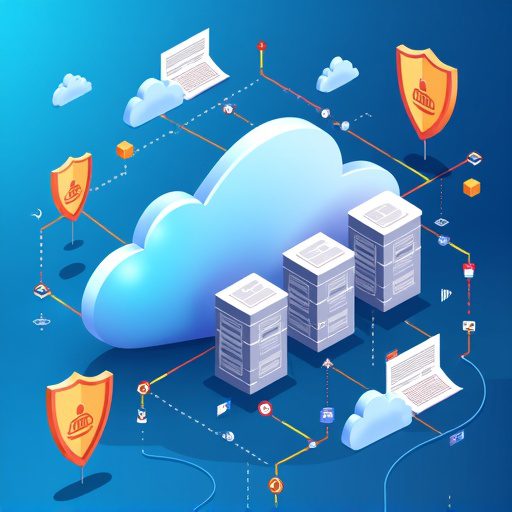
Introduction Cloud computing has revolutionized how businesses deploy and scale applications, manage infrastructure, and deliver services. However, as cloud adoption grows, so does the complexity of managing costs efficiently. Without strategic oversight, cloud expenses can spiral, impacting profitability and operational agility. This blog explores comprehensive strategies to navigate the cloud cost landscape efficiently—covering cost drivers, best practices for optimization, tools, and future trends. It also integrates insights on AI-driven analytics and blockchain for operational cost savings, referencing TechOTD AI Services, the TechOTD Blog, blockchain innovations at TechOTD Blockchain Integration, and more. Understanding Cloud Cost Drivers Effective cloud cost management begins with understanding what drives expenses: Compute Resources: Virtual machines (VMs), containers, serverless functions. Storage: Persistent volumes, object storage, database storage. Data Transfer: Data egress between regions, CDN use. Managed Services: Databases, AI/ML services, monitoring. Licensing: Third-party software, marketplace services. Networking: Load balancers, private networks. Each component contributes distinctly to cloud bills, necessitating granular monitoring. Key Strategies for Cloud Cost Efficiency 1. Implement a Cloud Operating Model Establish governance frameworks, policies, and workflows for cloud resource provisioning, cost allocation, and accountability. Collaborative FinOps approaches involve finance, engineering, and operations teams in cost decisions, ensuring transparency and control. 2. Rightsizing and Auto-Scaling Resources Avoid over-provisioning by matching compute and storage resources with actual workload demands. Use autoscaling to dynamically adjust resources, minimizing idle capacity without compromising performance. 3. Use Reserved Instances and Savings Plans Commit to predictable workloads by purchasing reserved capacity or savings plans from cloud providers like AWS, Azure, or Google Cloud at discounted rates compared to on-demand pricing. 4. Schedule and Automate Resource Usage Automate shutdown of development and test environments outside work hours using scheduling tools and scripts, cutting unnecessary costs significantly. 5. Optimize Storage Tiering and Data Transfer Leverage tiered storage classes (e.g., AWS S3 Glacier) for cold data, and locality to reduce data transfer fees. Use Content Delivery Networks (CDNs) efficiently to minimize outbound traffic charges. 6. Leverage Spot and Preemptible Instances Use discounted spot instances or preemptible VMs for fault-tolerant, batch, or flexible workloads to lower compute expenses while maintaining capacity. 7. Monitor, Analyze, and Use Cost Management Tools Adopt cloud-native cost analyzers and third-party platforms to track trim spend, forecast expenses, and identify anomalies proactively. Invest in ML-driven cost optimization tools for continuous improvement. 8. Consider Microservices and Containers Implement microservices architectures and container orchestration platforms like Kubernetes, which facilitate fine-grained scaling and resource utilization, reducing overall cloud consumption. 9. Enable Tagging and Cost Attribution Tag cloud resources by project, team, or cost center to enable precise cost allocation, driving accountability and budgeting accuracy. 10. Balance Multi-Cloud and Regional Deployments Selecting optimal cloud regions and balancing workloads across providers can yield cost savings and improve resilience. Avoid expensive regions when possible while considering latency and compliance. Emerging Trends Impacting Cloud Cost Optimization Sustainability as a Priority: Aligning cost savings with greener cloud operations, using provider sustainability tools. AI/ML for Cost Control: Automated anomaly detection, rightsizing recommendations, and predictive scaling powered by AI. Kubernetes Cost Optimization: Enhanced autoscaling and resource allocation strategies tailored for containerized environments. GenAI Impact: Managing resource intensity associated with AI workloads by intelligent scaling and workload optimization. Leveraging AI and Blockchain for Cloud Efficiency Innovative AI solutions optimize cloud expenses by analyzing utilization patterns and automating optimization. Blockchain enables transparent, secure cost tracking and billing reconciliation—discover how these technologies can amplify cloud efficiency at TechOTD AI Services and Blockchain Integration. Conclusion Mastering cloud spending requires a proactive, data-driven strategy that balances performance and budget. By implementing rightsizing, automation, cost-aware governance, and leveraging AI-powered tools, organizations can unleash cloud’s power sustainably and affordably. Aligning these strategies with your business roadmap ensures cloud investments yield maximum value.
Cloud, Uncategorized

Unleashing the Potential of Cloud for the Insurance Industry

Introduction The insurance industry is undergoing a radical transformation fueled by digital technologies, with cloud computing playing a pivotal role. The cloud enables insurance companies to modernize IT infrastructure, enhance customer experience, boost operational efficiency, and accelerate innovation. As insurers strive to meet rising customer expectations, regulatory demands, and growing data complexities, embracing cloud solutions becomes crucial to stay competitive. This blog explores the profound impact of cloud computing on the insurance sector, detailing benefits, use cases, challenges, and future trends. Throughout the discussion, it integrates relevant insights on artificial intelligence, blockchain, predictive analytics, and digital transformation from the TechOTD AI Services and TechOTD Blog resources. The Digital Imperative in Insurance Traditional insurance models are heavily reliant on legacy systems that are costly to maintain and rigid in meeting new consumer and market demands. Digital disruption has dictated an urgent need to adopt scalable, flexible, and agile IT architectures — and cloud computing provides this foundation. Insurers face increasing pressures to: Deliver personalized, on-demand services Analyze vast amounts of customer and risk data Accelerate product development and go-to-market cycles Ensure compliance and data security Optimize costs Cloud computing answers these imperatives with on-demand computing power, storage, and access to advanced technologies such as AI and blockchain. Core Benefits of Cloud Computing for Insurance 1. Scalability and Flexibility Cloud platforms allow insurers to scale infrastructure dynamically based on demand, supporting fluctuating workloads like claims processing during disasters or new product launches without expensive over-provisioning. 2. Cost Efficiency By shifting to cloud models, insurance companies reduce capital expenditure and operations costs related to on-premises infrastructure, benefiting from pay-as-you-go pricing and reduced hardware investments. 3. Enhanced Data Analytics and AI Integration Cloud environments enable integration with AI-driven analytics tools that process big data for risk assessment, fraud detection, and customer insights—boosting predictive capabilities and personalized insurance offerings. Explore advanced AI solutions tailored for insurance at TechOTD AI Services. 4. Improved Customer Experience Cloud-powered customer portals, mobile apps, and chatbots offer real-time access to policy information, claims status, and personalized support, enhancing satisfaction and loyalty. Relevant AI-driven customer journey strategies can be found at TechOTD Seamless AI Customer Journeys. 5. Regulatory Compliance and Security Cloud service providers increasingly offer robust security, encryption, and compliance certifications that help insurers meet stringent data protection regulations in diverse markets. 6. Faster Innovation and Time to Market Cloud platforms enable rapid development and deployment pipelines that accelerate innovation, allowing insurers to stay ahead in competitive landscapes through agile product launches. Transformative Use Cases in Insurance Cloud-Based Claims Management Digitizing claims on the cloud facilitates automated workflows, real-time status updates, faster approvals, and fraud detection through integrated AI analytics. Risk Modeling and Underwriting Cloud-powered big data analytics enable insurers to better predict and price risk dynamically by ingesting multiple data sources across geographic and demographic segments. Customer Self-Service Portals and Mobile Apps Cloud-hosted portals provide centralized, secure access to insurance products and services, empowering customers digitally while reducing service costs. Insights on building effective mobile apps are detailed at TechOTD Mobile Apps. Blockchain for Policy Management and Fraud Prevention Combining blockchain with cloud infrastructure supports tamper-proof policy records, secure transactions, and enhanced transparency in claims processing. Detailed exploration at TechOTD Blockchain Integration. Predictive Analytics to Combat Fraud and Improve Retention Cloud data platforms integrated with predictive analytics software help proactively identify suspicious claims and optimize customer retention strategies. Challenges and Strategic Solutions Data Migration Complexity Moving legacy data to the cloud is complex but can be simplified through phased migration strategies and cloud-native redesigns (see the generated image above). Security Concerns Insurance companies need layered security approaches combining cloud vendor safeguards, encryption, access controls, and continuous monitoring. Regulatory Compliance Collaborating with cloud providers offering region-specific compliance certifications and conducting rigorous audits mitigates regulatory risks. Cultural and Organizational Change Driving cloud adoption requires cultural shifts towards agility, continuous learning, and DevOps practices supported by leadership (see the generated image above). For structured digital transformation, explore TechOTD How We Work. Future Trends in Cloud Computing for Insurance Increased Adoption of AI and Machine Learning: More cloud-based AI solutions will enhance automation and personalization. Expansion of Hybrid and Multi-Cloud Strategies: Insurers will balance private and public clouds for optimal performance and security. Greater Integration of Blockchain: Enhancing trust, transparency, and efficiency in insurance processes. Focus on Edge Computing: Combining cloud and edge to manage IoT-enabled insurance use cases such as telematics and connected home devices. Cloud-Native Application Development: Accelerating innovation cycles through microservices architecture and containerization. Stay updated on technology trends at TechOTD Blog. Key Takeaways: Cloud enables scalable, agile, and cost-effective IT modernization. AI and predictive analytics supercharge data-driven decisions. Blockchain enhances security, transparency, and trust. Multi-cloud and edge architectures balance innovation and regulation. Enterprise cultural adoption is critical for successful cloud transformation. Conclusion Cloud computing is dramatically reshaping the insurance industry by delivering scalable infrastructure, enhanced analytics capabilities, improved customer experiences, and cost efficiencies. Insurers who leverage the cloud alongside AI, blockchain, and edge technologies are best positioned to innovate, adapt, and lead in a digital-first market.

How would you like me to respond?

Select a personality for your AI assistant

Normal
Happy
Sad
Angry

Your selection will affect how the AI assistant responds to your messages

Chat Assistant

Let's discuss your project!

Hear from our clients and why 3000+ businesses trust TechOTD

Tell us what you need, and we'll get back with a cost and timeline estimate

Scroll to Top