Introduction
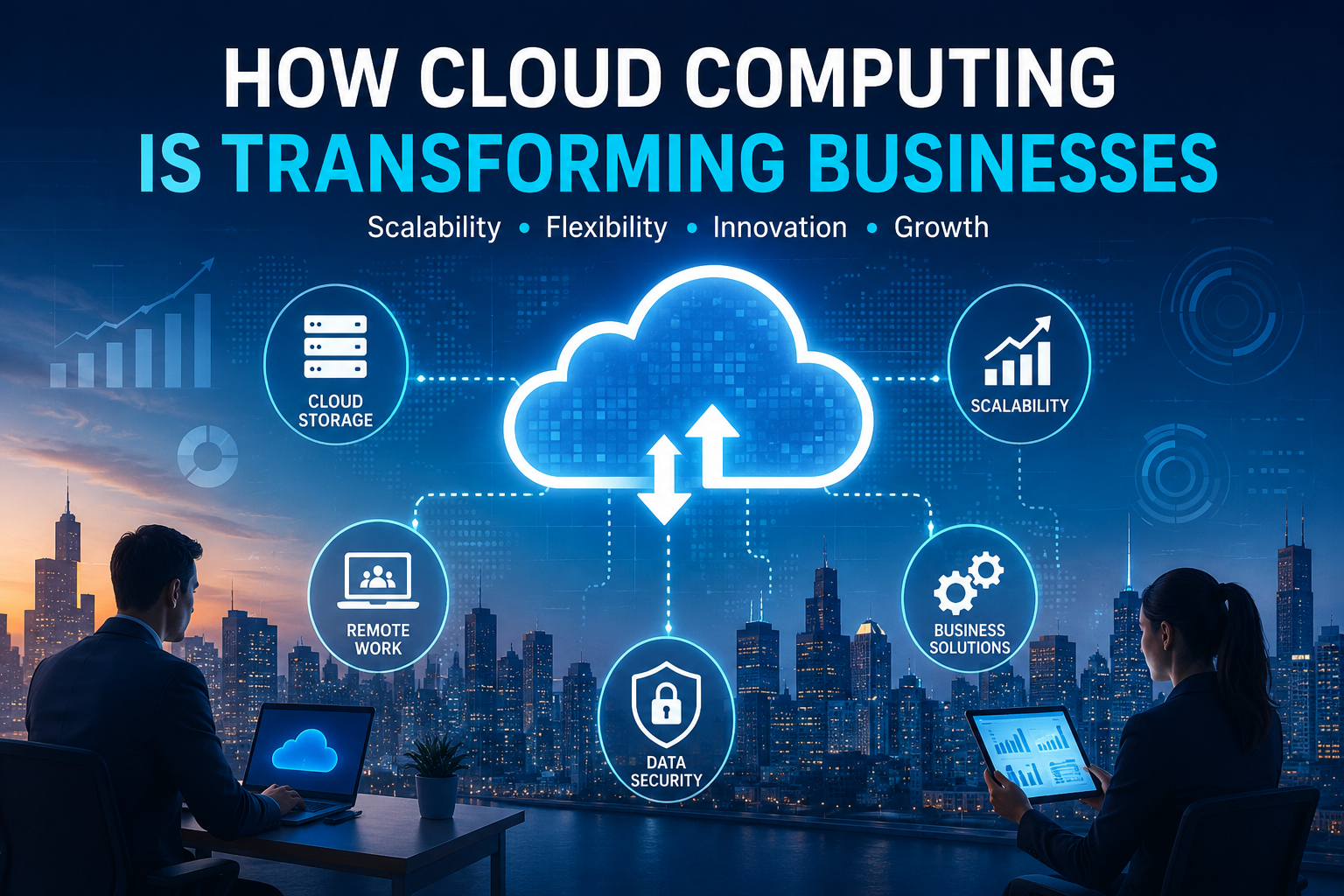
Cloud computing has revolutionized how businesses deploy and scale applications, manage infrastructure, and deliver services. However, as cloud adoption grows, so does the complexity of managing costs efficiently. Without strategic oversight, cloud expenses can spiral, impacting profitability and operational agility.
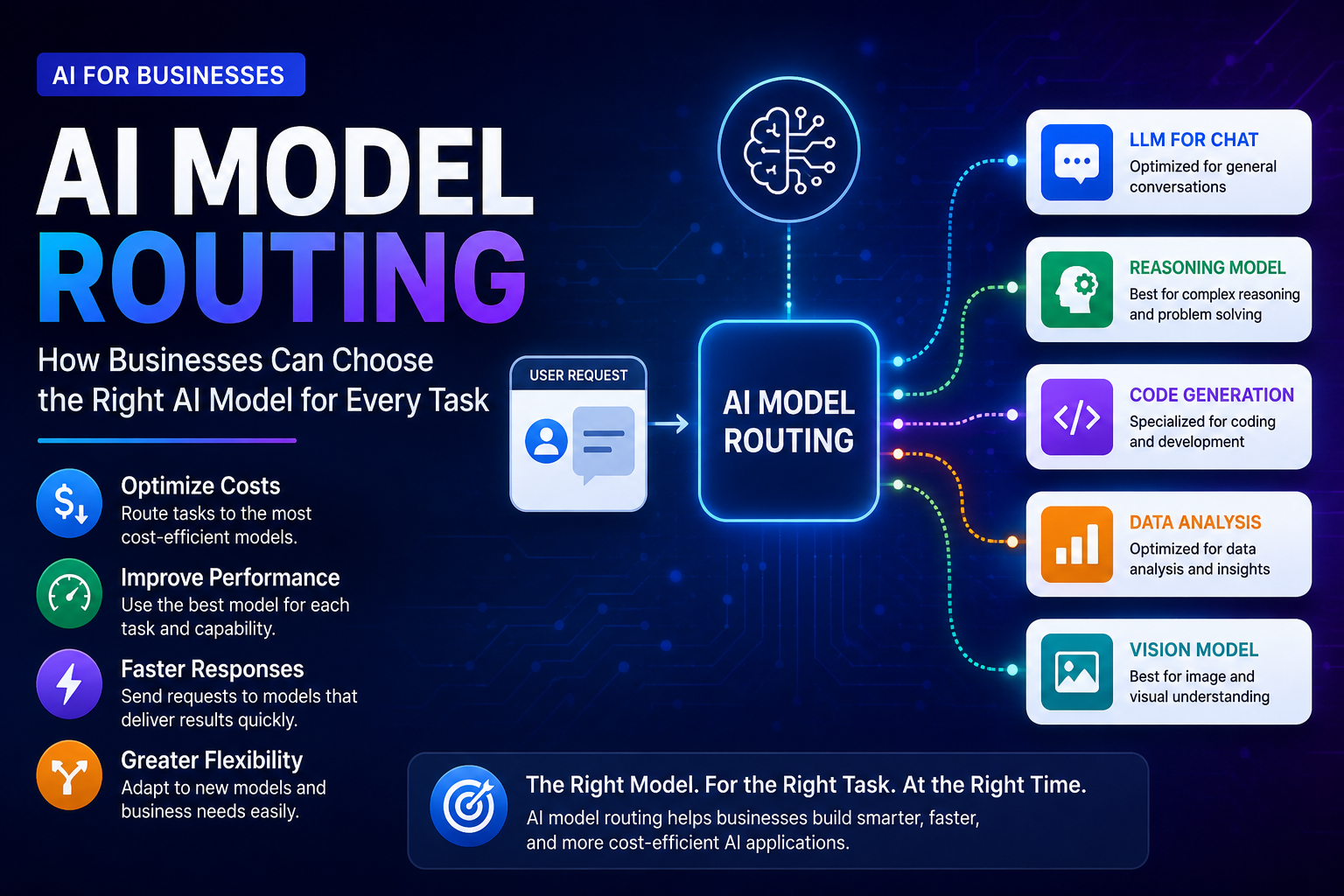
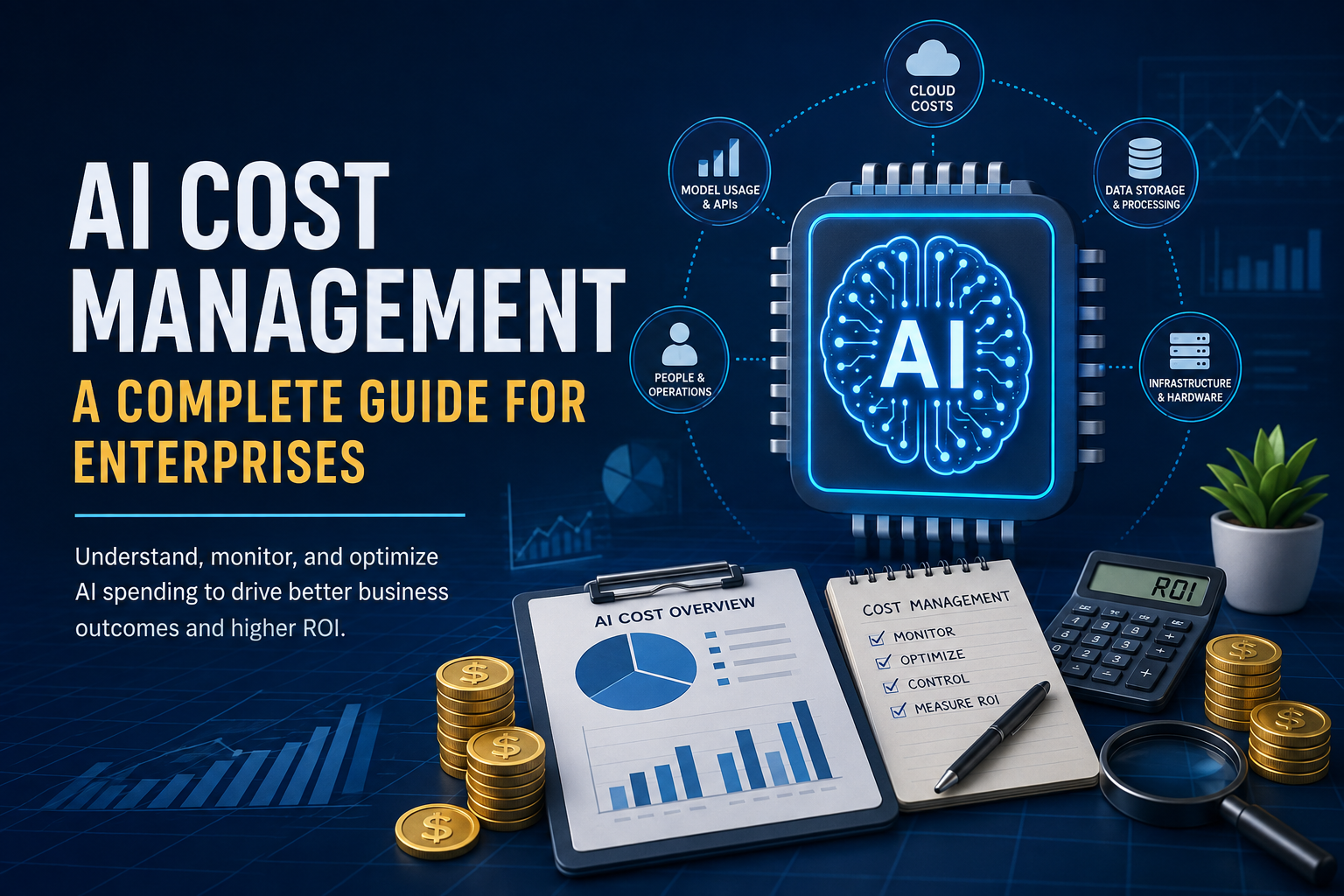
This blog explores comprehensive strategies to navigate the cloud cost landscape efficiently—covering cost drivers, best practices for optimization, tools, and future trends. It also integrates insights on AI-driven analytics and blockchain for operational cost savings, referencing TechOTD AI Services, the TechOTD Blog, blockchain innovations at TechOTD Blockchain Integration, and more.
Understanding Cloud Cost Drivers
Effective cloud cost management begins with understanding what drives expenses:
-
Compute Resources: Virtual machines (VMs), containers, serverless functions.
-
Storage: Persistent volumes, object storage, database storage.
-
Data Transfer: Data egress between regions, CDN use.
-
Managed Services: Databases, AI/ML services, monitoring.
-
Licensing: Third-party software, marketplace services.
-
Networking: Load balancers, private networks.
Each component contributes distinctly to cloud bills, necessitating granular monitoring.
Key Strategies for Cloud Cost Efficiency
1. Implement a Cloud Operating Model
Establish governance frameworks, policies, and workflows for cloud resource provisioning, cost allocation, and accountability. Collaborative FinOps approaches involve finance, engineering, and operations teams in cost decisions, ensuring transparency and control.
2. Rightsizing and Auto-Scaling Resources
Avoid over-provisioning by matching compute and storage resources with actual workload demands. Use autoscaling to dynamically adjust resources, minimizing idle capacity without compromising performance.
3. Use Reserved Instances and Savings Plans
Commit to predictable workloads by purchasing reserved capacity or savings plans from cloud providers like AWS, Azure, or Google Cloud at discounted rates compared to on-demand pricing.
4. Schedule and Automate Resource Usage
Automate shutdown of development and test environments outside work hours using scheduling tools and scripts, cutting unnecessary costs significantly.
5. Optimize Storage Tiering and Data Transfer
Leverage tiered storage classes (e.g., AWS S3 Glacier) for cold data, and locality to reduce data transfer fees. Use Content Delivery Networks (CDNs) efficiently to minimize outbound traffic charges.
6. Leverage Spot and Preemptible Instances
Use discounted spot instances or preemptible VMs for fault-tolerant, batch, or flexible workloads to lower compute expenses while maintaining capacity.
7. Monitor, Analyze, and Use Cost Management Tools
Adopt cloud-native cost analyzers and third-party platforms to track trim spend, forecast expenses, and identify anomalies proactively. Invest in ML-driven cost optimization tools for continuous improvement.
8. Consider Microservices and Containers
Implement microservices architectures and container orchestration platforms like Kubernetes, which facilitate fine-grained scaling and resource utilization, reducing overall cloud consumption.
9. Enable Tagging and Cost Attribution
Tag cloud resources by project, team, or cost center to enable precise cost allocation, driving accountability and budgeting accuracy.
10. Balance Multi-Cloud and Regional Deployments
Selecting optimal cloud regions and balancing workloads across providers can yield cost savings and improve resilience. Avoid expensive regions when possible while considering latency and compliance.
Emerging Trends Impacting Cloud Cost Optimization
-
Sustainability as a Priority: Aligning cost savings with greener cloud operations, using provider sustainability tools.
-
AI/ML for Cost Control: Automated anomaly detection, rightsizing recommendations, and predictive scaling powered by AI.
-
Kubernetes Cost Optimization: Enhanced autoscaling and resource allocation strategies tailored for containerized environments.
-
GenAI Impact: Managing resource intensity associated with AI workloads by intelligent scaling and workload optimization.
Leveraging AI and Blockchain for Cloud Efficiency
Innovative AI solutions optimize cloud expenses by analyzing utilization patterns and automating optimization. Blockchain enables transparent, secure cost tracking and billing reconciliation—discover how these technologies can amplify cloud efficiency at TechOTD AI Services and Blockchain Integration.
Conclusion
Mastering cloud spending requires a proactive, data-driven strategy that balances performance and budget. By implementing rightsizing, automation, cost-aware governance, and leveraging AI-powered tools, organizations can unleash cloud’s power sustainably and affordably. Aligning these strategies with your business roadmap ensures cloud investments yield maximum value.