
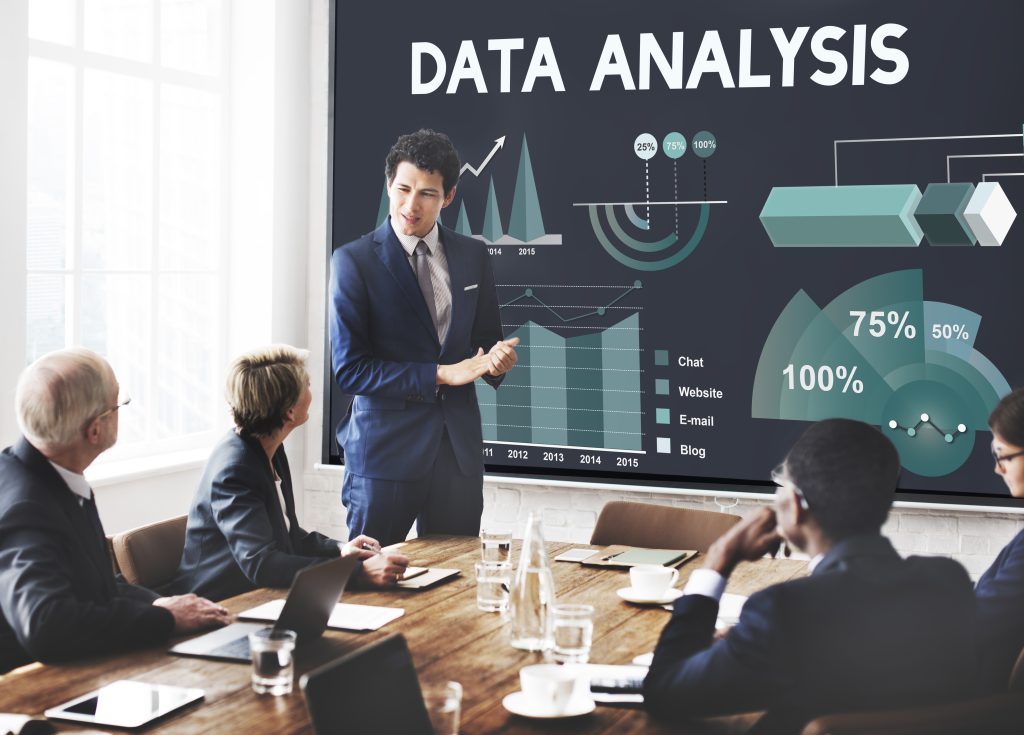
cloud analytics

Business Intelligence dashboard visualizing big data analytics trends
Business Intelligence

Big Data Analytics and Business Intelligence: Turning Information into Insight

Introduction In today’s hyper-connected digital world, data is the new oil — a powerful asset that drives innovation, strategy, and growth. Every second, billions of data points are generated from online transactions, social media, IoT devices, and business operations. But raw data is meaningless unless it’s analyzed, interpreted, and used to make informed decisions. That’s where Big Data Analytics and Business Intelligence (BI) come into play. Together, they empower organizations to uncover hidden trends, improve efficiency, and gain a competitive edge in the marketplace. What Is Big Data Analytics? Big Data Analytics is the process of examining large, complex datasets to discover hidden patterns, correlations, market trends, and customer preferences. Unlike traditional data analysis, Big Data Analytics can handle massive volumes (terabytes or petabytes) of structured and unstructured data at lightning speed.  The 5 Vs of Big Data: Volume – Massive amount of data generated daily Velocity – Speed at which data is created and processed Variety – Different formats (text, images, videos, logs, etc.) Veracity – Accuracy and reliability of data Value – Insights gained from analysis By leveraging technologies like Hadoop, Spark, and NoSQL databases, businesses can process and analyze enormous data efficiently. What Is Business Intelligence (BI)? Business Intelligence is a technology-driven process for analyzing data and presenting actionable insights to help executives, managers, and employees make informed business decisions. BI systems typically use dashboards, reports, and visualization tools like: Power BI Tableau QlikView Google Data Studio BI tools collect data from multiple sources, integrate it, and display results through interactive visual dashboards, making insights accessible to everyone. Big Data Analytics vs. Business Intelligence Aspect Big Data Analytics Business Intelligence (BI) Purpose Predict future outcomes Analyze past & present performance Data Type Structured + Unstructured Mostly structured data Tech Used Hadoop, Spark, Machine Learning Power BI, Tableau, SQL Output Predictive & prescriptive insights Descriptive & diagnostic insights Focus Exploration & forecasting Reporting & visualization In short, Big Data Analytics predicts what’s coming next, while Business Intelligence explains what’s happening now. Together, they create a 360° view of the organization, enhancing data-driven strategies. How Big Data and BI Work Together When integrated, Big Data and BI enable organizations to: Collect vast amounts of real-time data Process and store it efficiently Visualize complex patterns Support strategic business decisions Example:A retail company can use Big Data Analytics to predict customer purchase trends and then use BI dashboards to visualize which products are performing best in real-time. Key Components of Big Data and BI Ecosystem 1. Data Collection Data is gathered from multiple sources — sensors, CRM systems, web logs, transactions, and social media. 2. Data Storage Tools like Hadoop Distributed File System (HDFS), Amazon S3, or Google Cloud Storage store massive data volumes securely. 3. Data Processing Frameworks such as Apache Spark and Flink process the data for analysis. 4. Data Analysis Machine learning algorithms and statistical models identify patterns and trends. 5. Data Visualization BI tools like Power BI or Tableau present the results in interactive dashboards and graphs. Applications of Big Data and BI in Industries  1. Retail & E-Commerce Personalized product recommendations Dynamic pricing based on demand Customer behavior tracking Example:Amazon uses predictive analytics to recommend products, improving sales and customer engagement.  2. Healthcare Predictive diagnosis and treatment plans Disease outbreak tracking Patient data management Example:Hospitals use BI tools to monitor patient recovery and resource allocation. 3. Finance Fraud detection using real-time analytics Credit risk assessment Algorithmic trading Example:Banks use Big Data to identify suspicious transactions within seconds. 4. Manufacturing Predictive maintenance of equipment Supply chain optimization Quality control automation 5. Education Performance analytics for students Personalized learning paths Data-driven decision-making in administration Emerging Trends in Big Data and BI Artificial Intelligence Integration:Machine learning models now automate insights generation. Real-Time Analytics:Instant decision-making with live data streaming. Data Democratization:BI tools make analytics accessible to non-technical users. Augmented Analytics:Combines AI and natural language processing (NLP) for smarter reports. Edge Analytics:Data processing closer to the source for faster outcomes. Data Governance and Privacy:Ensuring compliance with regulations like GDPR and HIPAA. Benefits of Big Data Analytics and BI Benefit Impact Informed Decision-Making Data-backed strategic planning Cost Optimization Identify inefficiencies Customer Insights Understand preferences & behaviors Predictive Capabilities Anticipate future trends Competitive Advantage Gain market leadership Operational Efficiency Automate and streamline workflows Challenges in Big Data and BI Implementation Data quality and integration issues High storage and processing costs Security and privacy risks Shortage of skilled data professionals Over-dependence on tools without clear strategy However, with cloud-based solutions and AI-powered platforms, these challenges are becoming easier to overcome. Conclusion In the digital era, data is the foundation of success — but only when it’s analyzed effectively. Big Data Analytics gives organizations predictive power, while Business Intelligence delivers clarity and visibility. Together, they transform information into strategic insight, fueling smarter, faster, and data-driven decision-making. Companies embracing this synergy are not just surviving — they’re leading the future of business innovation. FAQs 1. What is the main difference between Big Data Analytics and Business Intelligence?Big Data focuses on analyzing large datasets for predictive insights, while BI focuses on reporting and visualizing historical data. 2. Why are Big Data and BI important?They help businesses make informed decisions, improve efficiency, and predict market trends. 3. What tools are used in Big Data Analytics?Hadoop, Spark, Hive, and Flink are commonly used tools. 4. What are popular BI tools?Power BI, Tableau, QlikView, and Google Data Studio are top BI tools. 5. What skills are needed for Big Data and BI?Data analysis, SQL, Python, visualization tools, and knowledge of databases.

Cloud

Navigating the Cloud Cost Landscape: Strategies for Efficient Spending

Introduction Cloud computing has revolutionized how businesses deploy and scale applications, manage infrastructure, and deliver services. However, as cloud adoption grows, so does the complexity of managing costs efficiently. Without strategic oversight, cloud expenses can spiral, impacting profitability and operational agility. This blog explores comprehensive strategies to navigate the cloud cost landscape efficiently—covering cost drivers, best practices for optimization, tools, and future trends. It also integrates insights on AI-driven analytics and blockchain for operational cost savings, referencing TechOTD AI Services, the TechOTD Blog, blockchain innovations at TechOTD Blockchain Integration, and more. Understanding Cloud Cost Drivers Effective cloud cost management begins with understanding what drives expenses: Compute Resources: Virtual machines (VMs), containers, serverless functions. Storage: Persistent volumes, object storage, database storage. Data Transfer: Data egress between regions, CDN use. Managed Services: Databases, AI/ML services, monitoring. Licensing: Third-party software, marketplace services. Networking: Load balancers, private networks. Each component contributes distinctly to cloud bills, necessitating granular monitoring. Key Strategies for Cloud Cost Efficiency 1. Implement a Cloud Operating Model Establish governance frameworks, policies, and workflows for cloud resource provisioning, cost allocation, and accountability. Collaborative FinOps approaches involve finance, engineering, and operations teams in cost decisions, ensuring transparency and control. 2. Rightsizing and Auto-Scaling Resources Avoid over-provisioning by matching compute and storage resources with actual workload demands. Use autoscaling to dynamically adjust resources, minimizing idle capacity without compromising performance. 3. Use Reserved Instances and Savings Plans Commit to predictable workloads by purchasing reserved capacity or savings plans from cloud providers like AWS, Azure, or Google Cloud at discounted rates compared to on-demand pricing. 4. Schedule and Automate Resource Usage Automate shutdown of development and test environments outside work hours using scheduling tools and scripts, cutting unnecessary costs significantly. 5. Optimize Storage Tiering and Data Transfer Leverage tiered storage classes (e.g., AWS S3 Glacier) for cold data, and locality to reduce data transfer fees. Use Content Delivery Networks (CDNs) efficiently to minimize outbound traffic charges. 6. Leverage Spot and Preemptible Instances Use discounted spot instances or preemptible VMs for fault-tolerant, batch, or flexible workloads to lower compute expenses while maintaining capacity. 7. Monitor, Analyze, and Use Cost Management Tools Adopt cloud-native cost analyzers and third-party platforms to track trim spend, forecast expenses, and identify anomalies proactively. Invest in ML-driven cost optimization tools for continuous improvement. 8. Consider Microservices and Containers Implement microservices architectures and container orchestration platforms like Kubernetes, which facilitate fine-grained scaling and resource utilization, reducing overall cloud consumption. 9. Enable Tagging and Cost Attribution Tag cloud resources by project, team, or cost center to enable precise cost allocation, driving accountability and budgeting accuracy. 10. Balance Multi-Cloud and Regional Deployments Selecting optimal cloud regions and balancing workloads across providers can yield cost savings and improve resilience. Avoid expensive regions when possible while considering latency and compliance. Emerging Trends Impacting Cloud Cost Optimization Sustainability as a Priority: Aligning cost savings with greener cloud operations, using provider sustainability tools. AI/ML for Cost Control: Automated anomaly detection, rightsizing recommendations, and predictive scaling powered by AI. Kubernetes Cost Optimization: Enhanced autoscaling and resource allocation strategies tailored for containerized environments. GenAI Impact: Managing resource intensity associated with AI workloads by intelligent scaling and workload optimization. Leveraging AI and Blockchain for Cloud Efficiency Innovative AI solutions optimize cloud expenses by analyzing utilization patterns and automating optimization. Blockchain enables transparent, secure cost tracking and billing reconciliation—discover how these technologies can amplify cloud efficiency at TechOTD AI Services and Blockchain Integration. Conclusion Mastering cloud spending requires a proactive, data-driven strategy that balances performance and budget. By implementing rightsizing, automation, cost-aware governance, and leveraging AI-powered tools, organizations can unleash cloud’s power sustainably and affordably. Aligning these strategies with your business roadmap ensures cloud investments yield maximum value.

Software development

Predictive Analytics Software Development: Features, Benefits, Use Cases, Process, and Cost

Introduction Predictive analytics is reshaping how forward-thinking companies make decisions, optimize operations, and identify growth opportunities. By harnessing historical and real-time data with machine learning, predictive analytics software enables organizations to foresee trends, minimize risks, and gain a competitive advantage. If you’re considering building a predictive analytics solution, here’s everything you need to know about its features, value, development process, use cases, and investment requirements. Discover more on TechOTD’s Data Analytics & AI services and custom software development. Key Features of Predictive Analytics Software Multi-Source Data Integration: Aggregate data from CRMs, ERPs, web apps, IoT devices, eCommerce systems, and cloud infrastructure for a unified analytics approach. Machine Learning & AI Models: Leverage built-in and custom ML algorithms for regression, classification, time series, clustering, and anomaly detection. Automated Data Preparation: Streamline cleansing, transformation, and enrichment of large data sets. Advanced Visualization & Dashboards: Deliver actionable insights via dynamic charts, heatmaps, and business KPIs. Scenario Simulations: “What-if” analysis for risk mitigation and strategic planning. Real-Time Analytics & Alerts: Monitor KPIs instantly and trigger notifications for anomalies or actionable trends. User Management & Security: Detailed access controls, audit logs, and encryption to meet compliance and privacy requirements. For industry-specific solutions combining cloud, AI, and robust analytics, explore TechOTD’s services. Business Benefits Faster, Smarter Decisions: Turn massive data into clear strategic guidance for marketing, operations, and finance. Cost Reduction: Detect process inefficiencies, forecast demand, and minimize overstocking or downtime. Customer Personalization: Predict buying behavior, engagement, and churn for personalized outreach. Operational Efficiency: Automate repetitive forecasting and reporting, freeing up your team’s time. Risk Management: Identify financial fraud, equipment failures, or supply disruptions before they escalate. Read client stories at TechOTD and see how businesses transform with predictive analytics. Use Cases   Predictive analytics software is key to data-driven strategies in: Retail & eCommerce: Sales forecasting, inventory management, personalized recommendations (see eCommerce solutions). Finance/Banking: Fraud detection, loan default prediction, customer segmentation. Healthcare: Patient risk scoring, treatment recommendations, resource allocation. Supply Chain: Demand prediction, logistic optimization, supplier risk analysis. Manufacturing: Predictive maintenance, quality control, yield optimization. Marketing: Campaign performance prediction, lead scoring, churn reduction. Development Process Discovery & Requirement Analysis: Define business goals, KPIs, and critical data sources. Data Aggregation & Preparation: Integrate data from all relevant internal/external sources and cleanse for model training. Model Building & Testing: Select, design, and test ML models (regression, clustering, etc.) against real datasets. Custom Visualization & Dashboards: Build user interfaces and business dashboards for insights delivery. Deployment & API Integration: Seamlessly connect with existing enterprise software, web apps, or eCommerce platforms (web development with TechOTD). Ongoing Support & Scaling: Monitor performance, retrain models, update features, and ensure security (Partner with TechOTD). Cost to Develop Predictive Analytics Software MVP/Basic Solution: $40,000 – $80,000 Core integrations, basic modelling, and reports. Mid-Scale Business Platform: $80,000 – $200,000 More data connectors, advanced analytics, AI/ML modules, interactive dashboards. Enterprise-Grade/Custom Solution: $200,000 – $400,000+ Real-time streaming, cross-department analytics, cloud-native scaling, robust security, industry customizations. Key Factors Impacting Cost: Feature set, number of integrations, AI/ML depth, data complexity, compliance, and ongoing maintenance. Get a tailored estimate with TechOTD’s consulting experts. Conclusion Predictive analytics software is essential for organizations looking to future-proof decision-making, drive revenue, and enhance user experiences. When you partner with an experienced technology expert like TechOTD, you benefit from the latest AI, cloud, and data engineering best practices. Accelerate business insight, embrace automation, and unlock new value for your enterprise—contact TechOTD today to discuss your project! FAQ 1. Can predictive analytics help my eCommerce business? Yes—predictive analytics can refine your inventory, optimize marketing, and deliver targeted recommendations (eCommerce features here). 2. How secure is predictive analytics software? With the right partner, you’ll benefit from strict access controls, data encryption, and full compliance for privacy (see security practices). 3. What is the ongoing investment after launch? Expect 15–25% of your initial cost annually for feature enhancements, monitoring, and model updates. 4. Can the solution be cloud-based and API-ready? Absolutely—cloud deployment ensures scalability and APIs enable seamless integration with your tech stack (learn more).

How would you like me to respond?

Select a personality for your AI assistant

Normal
Happy
Sad
Angry

Your selection will affect how the AI assistant responds to your messages

Chat Assistant

Let's discuss your project!

Hear from our clients and why 3000+ businesses trust TechOTD

Tell us what you need, and we'll get back with a cost and timeline estimate

Scroll to Top