Software development

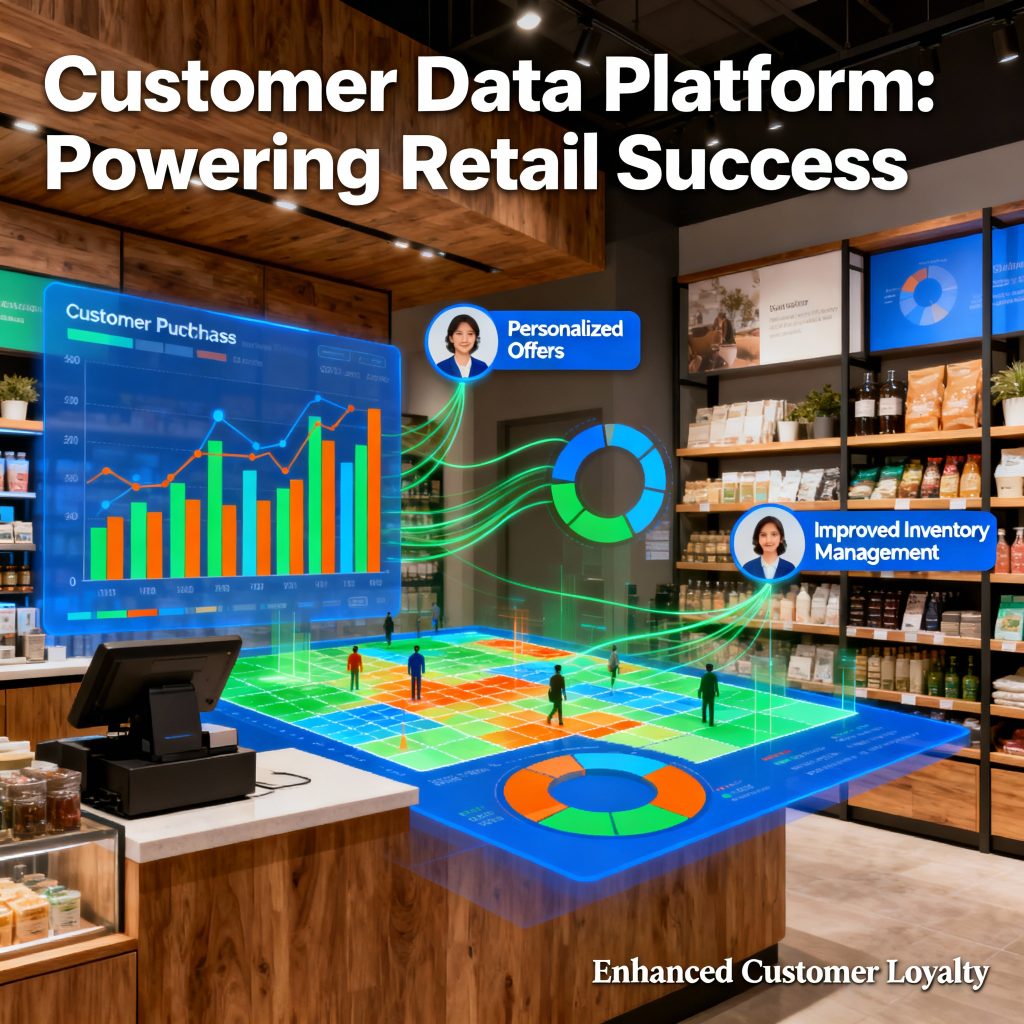
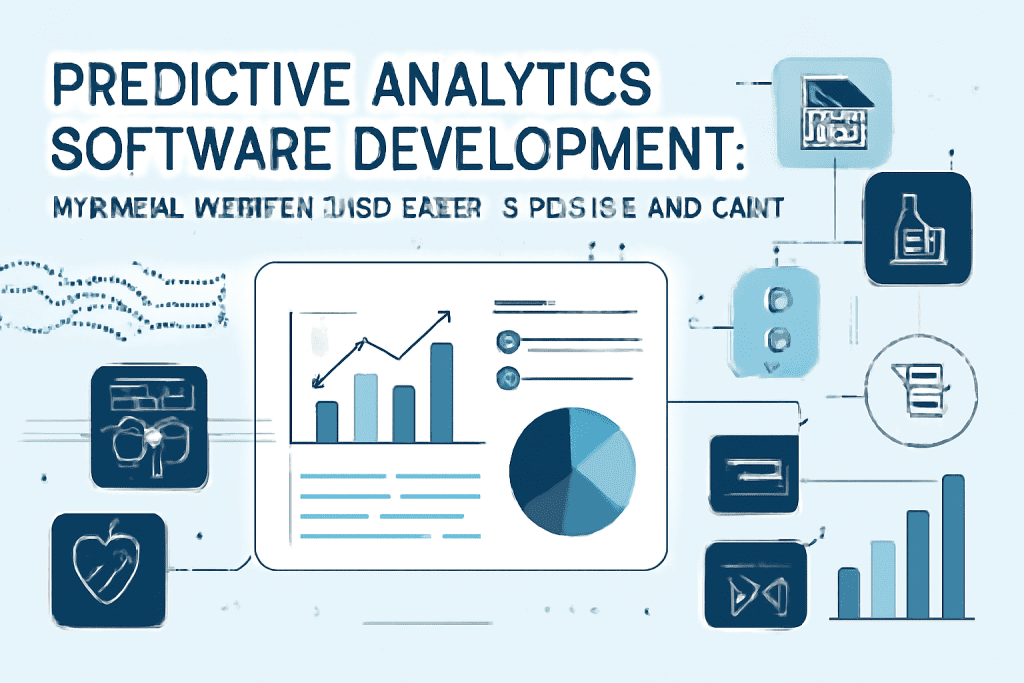
"Futuristic dashboard with predictive analytics graphs, AI data streams, and business professionals analyzing digital interfaces, representing software-driven business forecasting."
data science, Software development

Predictive Analytics Software Development

Introduction Predictive analytics software development is revolutionizing how organizations leverage their data to anticipate trends, reduce risk, and gain a competitive edge. By deploying machine learning, statistics, and advanced modeling, companies can turn historical and real-time data into actionable predictions—whether for sales forecasting, preventing fraud, or optimizing inventory. With mounting business complexity and data volumes, predictive analytics tools have become essential for organizations aiming to future-proof their strategies and drive smart decisions in an ever-changing market. What Is Predictive Analytics Software Development? Predictive analytics utilizes historical and live data, advanced algorithms, and machine learning to forecast future outcomes and recommend the best actions. Developing predictive analytics software typically involves identifying business needs, collecting and preparing data, building models, and integrating these models seamlessly into business applications for real-time insights. Modern predictive analytics systems can be custom-coded, built using data science tools, or integrated through user-friendly low-code platforms, making this technology accessible across industries. Key Features: Automated data ingestion and cleansing Model building, evaluation, and deployment Real-time prediction capabilities Integration with business processes and dashboards Ability to learn and adapt as new data arrives The Predictive Analytics Software Development Lifecycle Strategic Planning Define specific business problems such as churn prediction, fraud detection, or inventory optimization. Set measurable goals and align key stakeholders. Data Collection & Preparation Gather data from internal systems, external sources, and real-time feeds. Cleanse, transform, and annotate data to ensure quality input for models. Model Development Choose appropriate algorithms (e.g., regression, decision trees, neural networks). Train and validate models on historical data; iterate for accuracy and explainability. Integration & Deployment Embed predictive models into business systems like CRMs, ERPs, or supply chain tools for live predictions. Provide end-users, analysts, and leaders with intuitive dashboards or automated triggers. Monitoring, Maintenance, and Scaling Track accuracy; retrain models as conditions shift and new data is available. Continuously enhance with new features and data sources. Best Practices: Start small with a pilot project—optimize, then scale Prioritize data quality and governance early on Foster teamwork between IT, data science, and business units Focus on model transparency and compliance Embrace agile, iterative development for adaptability Business Benefits & Use Cases Improved Decision-Making: Predictive analytics drives proactive strategies by uncovering patterns and forecasting potential outcomes. Risk Reduction: Banks, insurers, and manufacturers leverage predictive models for fraud detection, credit scoring, risk assessment, and predictive maintenance. Enhanced Efficiency: Automated forecasting and resource allocation improve supply chain and operations management. Personalization: Retailers and marketers optimize targeting, recommendations, and retention using behavioral analytics. Healthcare: Early disease detection, readmission risk prediction, and personalized treatment planning lead to improved patient outcomes. Scalable Growth: Predictive software enables organizations to handle increasing data complexity and maintain a competitive edge. Conclusion Developing predictive analytics software equips organizations with the foresight to make smarter, data-driven decisions while automating processes and enhancing resiliency. By following best practices and leveraging modern development frameworks, businesses of all sizes can turn raw data into predictive power—unlocking new opportunities and sustainable growth. Call-to-Action: Explore predictive analytics software solutions tailored to your business needs—connect with expert developers today and turn your data into a strategic asset! FAQ What is predictive analytics software? It is a tool that uses historical and current data, along with algorithms and machine learning, to forecast future trends and inform smarter business decisions. How does predictive analytics benefit companies? It improves revenue prediction, reduces risk, enhances customer experience, streamlines operations, and delivers personalized recommendations. What are common use cases? Fraud detection, demand forecasting, maintenance planning, customer segmentation, and healthcare diagnosis are among the top applications. What is needed to build predictive analytics software? You need a well-defined problem, quality data, an experienced team, the right algorithms, and a plan for ongoing monitoring and refinement. How do you choose the right predictive model? Select based on the type of prediction needed—classification, regression, or time series—and evaluate with validation metrics before deployment

Software development

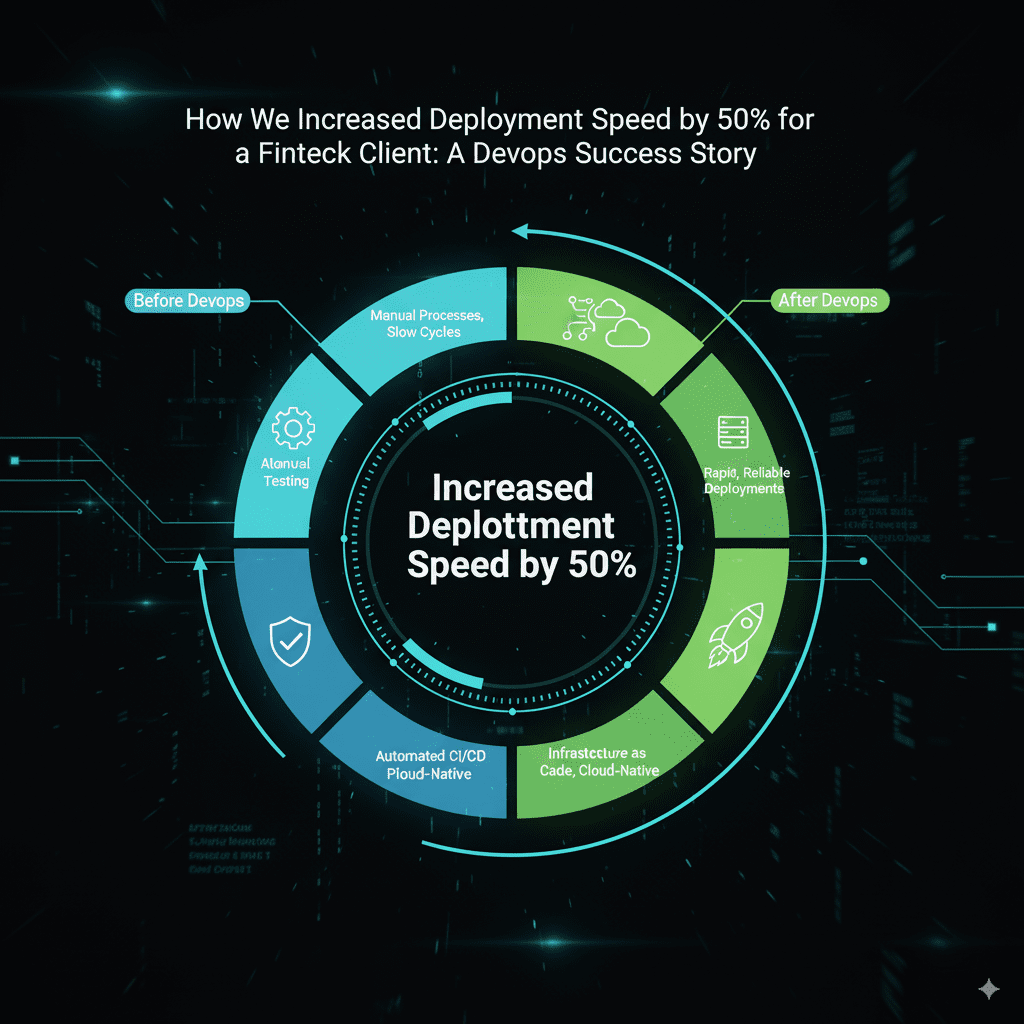
How We Increased Deployment Speed by 50% for a Fintech Client: A DevOps Success Story

Introduction Accelerating deployment velocity while maintaining software quality is the holy grail of modern fintech development. Our recent project achieved a 50% reduction in deployment time for a leading fintech client, enabling faster time-to-market and improved competitive advantage. This transformation streamlined their development pipeline and significantly enhanced their ability to respond to market changes and customer needs. The State of Fintech Development Speed in 2025 Fintech software development has become increasingly complex. According to industry research, projects typically take between one and nine months to complete, averaging about 4.5 months. More concerning is that software development projects often take about 30% more time than initially estimated. In today’s rapidly evolving financial technology landscape, this extended timeline can be the difference between market leadership and obsolescence. The pressure to accelerate deployment is enormous, but the stakes in fintech are equally high. Financial applications demand absolute reliability, security, and compliance, creating a challenging balancing act between speed and quality. Common Deployment Challenges in Fintech Before implementing our solution, our client faced numerous challenges that are common across the fintech industry: Manual Deployment Processes The client’s team spent excessive time manually deploying environments in their application pipeline while still trying to ensure uniform policies, governance, and compliance. This approach was time-consuming but also error-prone and difficult to scale across multiple environments. Tightly Coupled Components The application framework version and the Docker image creation process were tightly coupled, increasing component interdependence and impeding agility. This interdependence created bottlenecks in the deployment process and made it difficult to implement changes quickly. Inefficient Testing Procedures Manual testing consumed over 40% of development time and resources, leading to delayed releases, reduced productivity, and a compromised user experience. Legacy Tools and Vendor Lock-in The existing pipeline presented several problems, including vendor lock-in, lack of transparency, and the inability to support industry-standard integrations. Strategic Approaches That Delivered 50% Faster Deployments Our DevOps Consulting Services are focused on several key areas to dramatically improve deployment speed without compromising quality or security: 1. Implementing Infrastructure as Code (IAC) The most transformative change was the introduction of Infrastructure as Code (Iac) principles. By codifying the deployment of cloud resources, we achieved: One-touch deployment from development to production Consistency across regions, ensuring “First Time Right” changes Reduction in build and deploy times from days to hours This approach eliminated manual errors and provided a repeatable, version-controlled deployment process. 2. Revolutionising the CI/CD Pipeline We completely re-architected the deployment pipeline using DevOps best practices: Replaced proprietary tools with open-source alternatives, saving thousands in licensing costs Implemented streamlined CI/CD pipelines using modern tooling like Drone CI Decoupled Docker image versioning for faster, more flexible deployments 3. Adopting Delta Package Deployments By leveraging Delta package deployments, we reduced deployment time by 60% compared to full deployments. This meant: Only the changed components needed deployment Lower risk of failures More frequent feature releases 4. Automating Quality Assurance Our AI/ML Development team implemented automated testing, which: Replaced manual processes that consumed 40% of development time Enabled consistent, repeatable test scenarios Provided faster feedback to developers Measurable Results Beyond Speed Improvements While the 50% faster deployment was our headline achievement, the benefits extended further: ✅ Enhanced Development Efficiency – Teams now spend more time innovating rather than managing deployments. ✅ Improved Software Quality – Automated testing caught issues earlier, reducing bugs in production. ✅ Cost Reduction – Open-source tools saved thousands in licensing fees. ✅ Better Scalability – Kubernetes orchestration enabled transparent, global scaling. ✅ Increased Business Agility – The client now responds to market changes 50% faster. Implementation Roadmap: Achieving Faster Fintech Deployments For organisations looking to achieve similar results, we recommend our Digital Transformation Services with this roadmap: Assessment & Planning – Identify bottlenecks and automation opportunities. DevOps Foundation – Implement CI/CD pipelines and containerization. Automation Implementation – Use IAC, automated testing, and monitoring. Optimisation & Refinement – Introduce delta deployments and fine-tune resources. Conclusion: Faster Deployment as a Competitive Advantage In the fast-paced fintech industry, deployment speed is a critical differentiator. Our client’s 50% improvement has translated into faster time-to-market, better customer satisfaction, and accelerated innovation. By leveraging Infrastructure as Code, CI/CD optimisation, delta deployments, and QA automation, we’ve set a foundation for sustained success in fintech. For fintech companies struggling with slow deployments, modernising their pipeline isn’t just a technical upgrade—it’s a business imperative. Ready to accelerate your fintech deployments? Explore our DevOps Consulting Services Learn more about our Fintech Solutions How We Increased Deployment Speed by 50% for a Fintech Client: A DevOps Success Story    

Software development

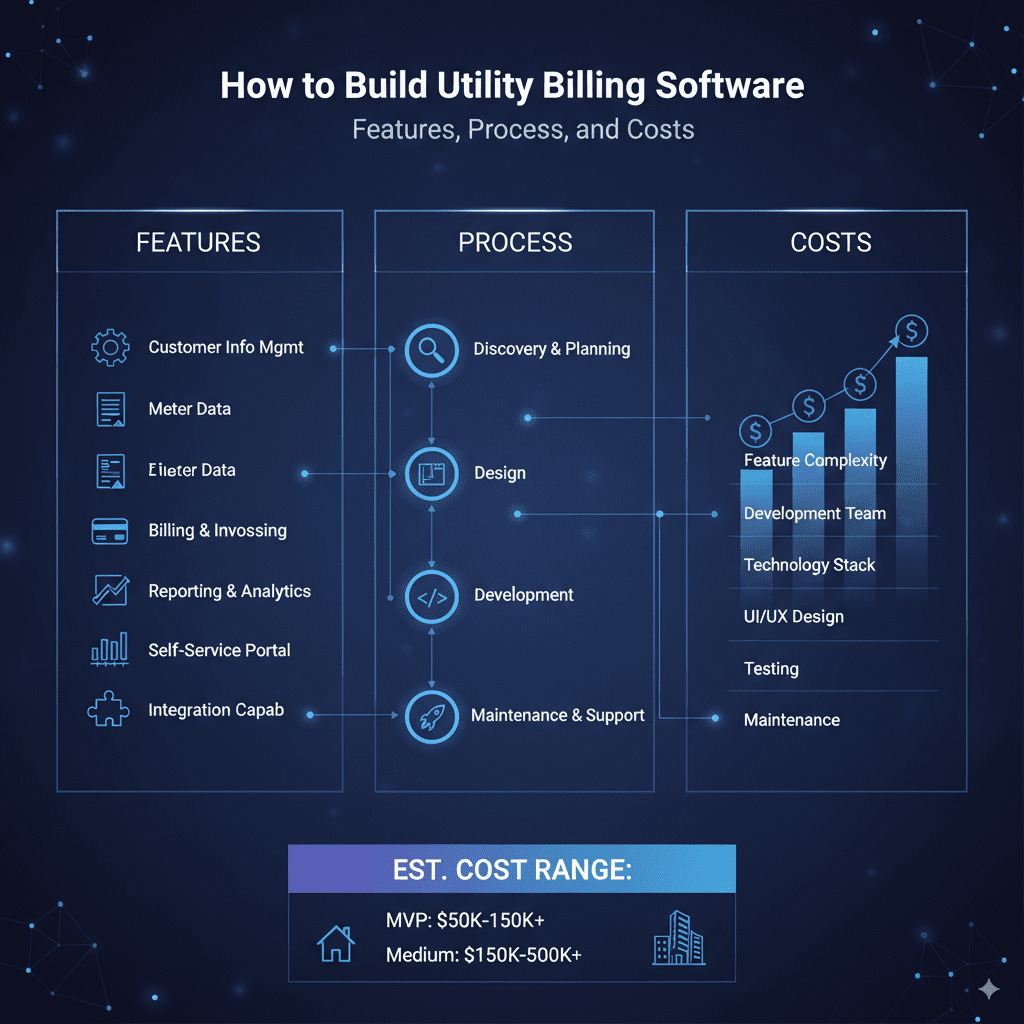
How to Build Utility Billing Software: Features, Process, and Costs

Introduction Utility billing software plays a critical role in managing and automating billing processes for services like electricity, water, gas, and telecom. With the increasing demand for efficient, accurate, and user-friendly billing systems, businesses and utility providers are looking to build tailored software solutions that streamline operations, reduce errors, and enhance customer satisfaction. This blog offers a comprehensive guide on how to build utility billing software, detailing essential features, the development process, and approximate costs. For leveraging AI and advanced analytics in billing systems, explore TechOTD’s AI solutions and their technology blog. Essential Features of Utility Billing Software 1. Meter Data Management Integration with smart meters and IoT devices Automated or manual meter reading inputs Real-time data capture and monitoring 2. Billing and Invoice Generation Usage-based billing with flexible tariff plans Automated invoice generation and delivery (email, SMS, print) Multi-utility and multi-rate support 3. Payment Processing Support for multiple payment gateways and methods Online payment portals and mobile payment integration Automatic payment reconciliation 4. Customer Account Management User profiles and service history tracking Customized billing notifications and alerts Self-service portals for bill viewing and payment 5. Usage Analytics and Reporting Detailed consumption reports and trends Revenue analytics and forecasting Exportable reports for audits and compliance 6. Integration Capabilities ERP and CRM software integration Taxation and regulatory compliance modules APIs for third-party services and partner systems 7. Security and Compliance Data encryption and secure user authentication Compliance with local regulations and standards (e.g., GDPR, PCI-DSS) The Development Process 1. Requirement Analysis Engage stakeholders to gather business needs and regulatory requirements. 2. System Design Architect the software with scalability, security, and usability in focus. 3. Technology Stack Selection Choose technologies aligned with project scope (e.g., cloud platforms, databases, front-end frameworks). 4. Development and Integration Develop modules for meter data, billing algorithms, payment gateways, and customer portals. Integrate with hardware devices and legacy systems. 5. Testing Conduct rigorous unit, integration, security, and user acceptance testing (UAT). 6. Deployment and Training Deploy on-premises or cloud-based environments. Train users and administrators for smooth adoption. 7. Maintenance and Support Provide continuous updates, bug fixes, and improvement features. Cost Factors and Estimates Software Complexity: More utilities supported and features increase cost. Technology Choices: Cloud vs on-premises, choice of databases and frameworks affects budget. Integration Needs: Costs rise with custom hardware and third-party system integrations. Security Requirements: Higher security standards require specialized investments. Development Team Location: Offshore teams may reduce costs but require effective management. Estimated costs vary widely: Basic utility billing software: $50,000 to $150,000 Mid-range solutions with integrations: $150,000 to $500,000 Enterprise-grade, scalable platforms: $500,000+ Leveraging AI and Analytics AI-driven predictive analytics enhances billing accuracy, fraud detection, and customer personalization. Automation powered by AI reduces manual errors and accelerates billing cycles. Explore how predictive analytics reshapes business software: Predictive Analytics Software Development. Why Partner with Experts Like TechOTD TechOTD offers end-to-end software development expertize in building secure, scalable utility billing systems integrated with AI and cloud technologies. They follow agile methodologies ensuring rapid delivery aligned with business needs. Discover their services: TechOTD Software Development Services. Conclusion Building utility billing software requires a harmonious blend of domain understanding, technical expertise, and regulatory compliance. Clear requirement gathering, incorporating key features, and partnering with experienced developers help ensure that the final solution is efficient, scalable, and user-friendly. Investing in AI, cloud, and secure integrations will future-proof your billing system and enhance customer experience. Start planning your utility billing software journey today with professional guidance and innovative technology partners. FAQs Q1: What are must-have features for utility billing software? Meter data management, billing automation, payment processing, customer portals, and reporting. Q2: How long does it take to develop utility billing software? Typically 6 to 12 months depending on complexity and integrations. Q3: Can AI improve utility billing systems? Yes, for predictive analytics, fraud detection, and workflow automation. Q4: What are cost drivers for utility billing software? Features, integration needs, technology stack, and security compliance. Q5: Is cloud deployment suitable for utility billing? Yes, cloud offers scalability, availability, and easier updates for billing systems.

Software development

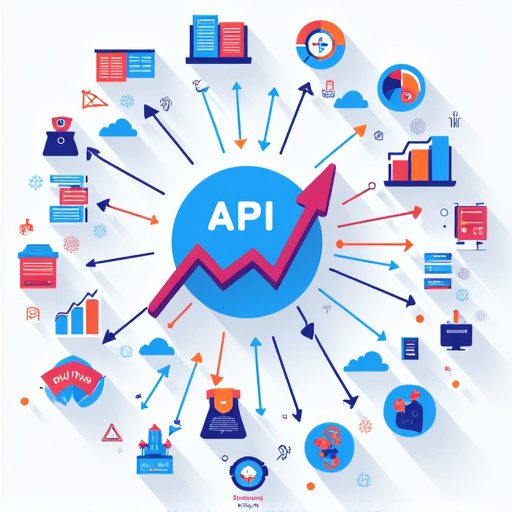
The Future of Connectivity: Exploring the Explosive Growth of APIs

Introduction In today’s hyper-connected digital economy, Application Programming Interfaces (APIs) have become the cornerstone of seamless communication between applications, services, and platforms. APIs enable businesses to unlock innovation, streamline operations, and create new revenue streams by facilitating efficient data exchange and integration. With industries rapidly adopting cloud services, AI, IoT, and blockchain technologies, the demand for robust APIs is growing explosively. For businesses aiming to thrive in the evolving digital landscape, understanding the future of connectivity powered by APIs is crucial. This blog explores the transformative role of APIs, the trends driving their growth, key benefits, and practical use cases shaping industries worldwide. It also provides insights for CTOs, developers, and business leaders to leverage APIs effectively for competitive advantage. What Are APIs and Why Do They Matter? APIs are sets of rules and protocols that allow different software applications to communicate with each other. They act as intermediaries enabling services, platforms, or devices to request and exchange data securely and efficiently. Key Functions of APIs: Enable Integration: Connect diverse systems and technologies across the cloud, on-premises, and edge environments. Enhance Modularity: Allow developers to reuse components and build scalable applications faster. Drive Automation: Facilitate workflow automation by linking disparate services seamlessly. Allow Innovation: Power new digital experiences like AI-driven personalization, real-time analytics, and IoT device communication. APIs empower businesses to deliver services faster while ensuring agility and reliability in complex environments (TechOTD AI services). The Explosive Growth of APIs: Market Trends and Drivers The API economy is surging with no signs of slowing down. According to industry reports, the global API management market is projected to reach $6 billion by 2027, driven by digital transformation initiatives across sectors. Key Drivers Fueling API Growth: Cloud Adoption and Microservices: Cloud-native applications rely heavily on APIs to enable microservices architectures that support scalability and resilience (TechOTD cloud solutions). AI and Big Data: Increasing AI and analytics use require APIs to access machine learning models, datasets, and real-time processing (LLMs in finance). IoT Proliferation: APIs facilitate secure data exchange between billions of connected IoT devices and backend systems (TechOTD industries). Blockchain Integration: Blockchain networks expose APIs enabling interoperability and automation with existing IT architectures (Blockchain in Dubai). Mobile and Web Apps Demand: APIs support diverse platforms and devices, fueling demand for seamless third-party integrations (Mobile apps services). Emerging API Trends API-First Development: Prioritizing APIs in product development for extensibility and faster iterations (React Native vs Swift). GraphQL Adoption: Allowing flexible and efficient queries over traditional REST APIs. API Security Enhancements: Zero trust, OAuth, API gateways, and rate limiting to secure the growing API attack surface. Event-Driven APIs: Supporting real-time data streaming for responsive user experiences. Benefits of APIs for Modern Businesses APIs reshape how businesses build and deliver value in many ways: Accelerate Innovation: By reusing existing APIs, companies can rapidly develop new features and integrations. Improve Customer Experiences: Facilitate personalized, omnichannel experiences in retail, finance, healthcare, and more (Seamless customer journeys with AI). Operational Efficiency: APIs automate workflows, reduce manual interventions, and improve data accuracy. Expand Market Reach: APIs enable ecosystem partnerships and third-party developers to extend product offerings globally. Enhance Agility and Scalability: Cloud APIs and microservices accelerate scaling without sacrificing stability. Real-World Use Cases of API Connectivity 1. Finance and Banking Banks use APIs for secure transactions, open banking, KYC verification, and integrating AI-driven credit risk models (Predictive analytics in finance). 2. Retail and E-commerce APIs connect payment gateways, inventory systems, CRMs, and marketing platforms to create frictionless shopping experiences. 3. Healthcare Interoperable healthcare systems share patient data securely via APIs improving diagnostics, remote monitoring, and personalized treatment plans (Healthcare app development). 4. Telecommunications Telecom providers leverage APIs for network management, customer billing, and IoT device connectivity (Big Data in Telecom). 5. Education Technology APIs power digital learning platforms by integrating content, workflows, and analytics to enhance remote and hybrid education systems (Technology impact on education). Challenges and Best Practices in API Management While APIs unlock substantial benefits, businesses must navigate challenges thoughtfully: Security Risks: APIs create new exposure points. Secure design, authentication, and monitoring are crucial. Complexity Management: Handling API versioning, documentation, and governance requires robust tools and processes (How We Work). Performance Optimization: Ensuring reliability and low latency is critical for distributed APIs. Scalability and support for rapid growth. Developer Experience: Comprehensive documentation and sandbox environments accelerate adoption. Best practices include using API gateways, implementing rate limiting, and adopting continuous integration/continuous deployment (CI/CD) pipelines for updates. The Future of APIs: What to Expect APIs will continue to evolve as foundational components of digital transformation: AI-Powered APIs: Intelligent APIs capable of adaptive learning and recommendations. Decentralized APIs: Leveraging blockchain for secure, trustless API interactions. API Marketplaces: Platforms offering discoverable, monetizable APIs supporting developer ecosystems. Enhanced API Automation: Automated testing, deployment, and security assessments. Cross-Platform Interoperability: APIs supporting multi-cloud and edge computing environments. Conclusion APIs are central to the future of digital connectivity, fueling innovation and business growth in every sector. Organizations embracing API-first strategies enjoy enhanced agility, operational efficiency, and ecosystem opportunities. With the rapid adoption of cloud, AI, IoT, and blockchain, APIs have never been more critical in shaping seamless, personalized, and secure user experiences. As new trends emerge, mastering API management and security will be vital to stay competitive in the evolving digital ecosystem. For businesses seeking expert guidance and cutting-edge AI and API integration solutions, TechOTD offers bespoke services to transform your technology roadmap seamlessly. Explore their offerings today: TechOTD AI services. FAQ 1. What is an API and why is it important for businesses? An API is a set of protocols enabling software applications to communicate, facilitating integration, automation, and innovation critical for modern businesses. 2. How do APIs impact customer experience? APIs enable seamless data exchange across channels and platforms, supporting personalized, efficient, and consistent customer interactions. 3. What are the main security concerns with APIs? APIs can expose vulnerabilities if improperly secured. Key concerns include authentication flaws, data leaks, and denial-of-service attacks. 4. How can a business get started with API-first development? Start by identifying core services for API exposure, adopt an API management platform, and involve developers early in designing reusable API endpoints. 5. What role do APIs play in AI and blockchain integration? APIs connect AI

Software development

Predictive Analytics Software Development: Features, Benefits, Use Cases, Process, and Cost

Introduction Predictive analytics is reshaping how forward-thinking companies make decisions, optimize operations, and identify growth opportunities. By harnessing historical and real-time data with machine learning, predictive analytics software enables organizations to foresee trends, minimize risks, and gain a competitive advantage. If you’re considering building a predictive analytics solution, here’s everything you need to know about its features, value, development process, use cases, and investment requirements. Discover more on TechOTD’s Data Analytics & AI services and custom software development. Key Features of Predictive Analytics Software Multi-Source Data Integration: Aggregate data from CRMs, ERPs, web apps, IoT devices, eCommerce systems, and cloud infrastructure for a unified analytics approach. Machine Learning & AI Models: Leverage built-in and custom ML algorithms for regression, classification, time series, clustering, and anomaly detection. Automated Data Preparation: Streamline cleansing, transformation, and enrichment of large data sets. Advanced Visualization & Dashboards: Deliver actionable insights via dynamic charts, heatmaps, and business KPIs. Scenario Simulations: “What-if” analysis for risk mitigation and strategic planning. Real-Time Analytics & Alerts: Monitor KPIs instantly and trigger notifications for anomalies or actionable trends. User Management & Security: Detailed access controls, audit logs, and encryption to meet compliance and privacy requirements. For industry-specific solutions combining cloud, AI, and robust analytics, explore TechOTD’s services. Business Benefits Faster, Smarter Decisions: Turn massive data into clear strategic guidance for marketing, operations, and finance. Cost Reduction: Detect process inefficiencies, forecast demand, and minimize overstocking or downtime. Customer Personalization: Predict buying behavior, engagement, and churn for personalized outreach. Operational Efficiency: Automate repetitive forecasting and reporting, freeing up your team’s time. Risk Management: Identify financial fraud, equipment failures, or supply disruptions before they escalate. Read client stories at TechOTD and see how businesses transform with predictive analytics. Use Cases   Predictive analytics software is key to data-driven strategies in: Retail & eCommerce: Sales forecasting, inventory management, personalized recommendations (see eCommerce solutions). Finance/Banking: Fraud detection, loan default prediction, customer segmentation. Healthcare: Patient risk scoring, treatment recommendations, resource allocation. Supply Chain: Demand prediction, logistic optimization, supplier risk analysis. Manufacturing: Predictive maintenance, quality control, yield optimization. Marketing: Campaign performance prediction, lead scoring, churn reduction. Development Process Discovery & Requirement Analysis: Define business goals, KPIs, and critical data sources. Data Aggregation & Preparation: Integrate data from all relevant internal/external sources and cleanse for model training. Model Building & Testing: Select, design, and test ML models (regression, clustering, etc.) against real datasets. Custom Visualization & Dashboards: Build user interfaces and business dashboards for insights delivery. Deployment & API Integration: Seamlessly connect with existing enterprise software, web apps, or eCommerce platforms (web development with TechOTD). Ongoing Support & Scaling: Monitor performance, retrain models, update features, and ensure security (Partner with TechOTD). Cost to Develop Predictive Analytics Software MVP/Basic Solution: $40,000 – $80,000 Core integrations, basic modelling, and reports. Mid-Scale Business Platform: $80,000 – $200,000 More data connectors, advanced analytics, AI/ML modules, interactive dashboards. Enterprise-Grade/Custom Solution: $200,000 – $400,000+ Real-time streaming, cross-department analytics, cloud-native scaling, robust security, industry customizations. Key Factors Impacting Cost: Feature set, number of integrations, AI/ML depth, data complexity, compliance, and ongoing maintenance. Get a tailored estimate with TechOTD’s consulting experts. Conclusion Predictive analytics software is essential for organizations looking to future-proof decision-making, drive revenue, and enhance user experiences. When you partner with an experienced technology expert like TechOTD, you benefit from the latest AI, cloud, and data engineering best practices. Accelerate business insight, embrace automation, and unlock new value for your enterprise—contact TechOTD today to discuss your project! FAQ 1. Can predictive analytics help my eCommerce business? Yes—predictive analytics can refine your inventory, optimize marketing, and deliver targeted recommendations (eCommerce features here). 2. How secure is predictive analytics software? With the right partner, you’ll benefit from strict access controls, data encryption, and full compliance for privacy (see security practices). 3. What is the ongoing investment after launch? Expect 15–25% of your initial cost annually for feature enhancements, monitoring, and model updates. 4. Can the solution be cloud-based and API-ready? Absolutely—cloud deployment ensures scalability and APIs enable seamless integration with your tech stack (learn more).

Software development

Why Every Automotive CEO Needs an SDV Strategy: Benefits, Architecture, Challenges & More

Introduction As the automotive industry races toward a software-driven future, Software-Defined Vehicles (SDV) have shifted from a buzzword to an urgent business imperative. In 2025, OEMs and suppliers who fail to adopt an SDV strategy risk falling behind not only in product features but also in efficiency, customer experience, revenue models, and security. Here’s why every automotive CEO must lead the SDV transformation—plus the benefits, architecture insights, and toughest challenges along the way. For turnkey digital solutions, see TechOTD and their advanced AI services, or explore the company’s about page, industry expertise, partner program, and comprehensive web development capabilities. What Is a Software-Defined Vehicle (SDV)? An SDV is a vehicle whose core functions—performance, safety, comfort, connectivity, and even after-sales features—are enabled and continually updated by software. Unlike traditional cars, SDVs evolve and improve over their lifetime via over-the-air updates, AI-powered analytics, and continuous data integration. Why SDV Strategy is Essential for Automotive CEOs Continuous Customer Value: Over-the-air (OTA) updates let automakers deliver new features, infotainment enhancements, and safety upgrades to vehicles already on the road—eliminating “feature freeze” at the factory. Enhances brand loyalty and customer engagement by ensuring the car improves during its lifecycle. Recurring Revenue & Monetization: SDVs turn vehicles into platforms for digital services, opening new revenue streams like subscriptions (for seat heating, premium navigation, or autonomous driving features) and on-demand upgrades. Moves business models from one-time sales to ongoing monetization, increasing lifetime customer value. Efficiency & Cost Control: Decoupling software from hardware means faster innovation cycles, less hardware rework, and simplified product portfolios. Enables more predictable R&D budgets and reduces SKUs, benefiting large and complex organizations. Enhanced Personalization & Experience: Vehicles can be tailored to individual drivers, offering customizable user profiles, infotainment, real-time navigation, and AI voice assistants for a truly digital driving experience. Predictive maintenance and remote diagnostics add operational efficiency and improved safety. SDV Architecture: The New Automotive Backbone Adopting SDV requires reimagining automotive architecture from hardware-centric designs to software-focused, centralized platforms. Here’s what that looks like: Domain & Centralized Controllers: Traditional vehicles use multiple electronic control units (ECUs) for each function. SDVs consolidate these into powerful domain or central controllers, managed by a high-performance System-on-Chip (SoC). Artificial intelligence capabilities are built-in for real-time, safety-critical tasks. Layered Software Stack: Embedded operating systems manage functions and prioritize safety over entertainment. Middleware ensures secure communication between hardware, applications, and the cloud. Applications deliver features directly to the end-user and may run onboard or in a hybrid cloud configuration. Connected Systems: Telecom infrastructure and cloud backend enable continuous data exchange, fleet-wide updates, real-time diagnostics, and smart city integration. Core Challenges in Building an SDV Strategy   Legacy & Organizational Barriers: Existing platforms are heavily tied to legacy ECUs, software silos, and supply chains focused on hardware. Transitioning demands organizational transformation as much as technical change. Cybersecurity Risks: Fully connected vehicles create larger attack surfaces. Security must be built into every architectural layer, not treated as an afterthought. Skill Gaps & Talent Shortages: SDV innovation needs a blend of embedded, cloud, AI, and cybersecurity talent—expertise most automakers currently lack. Regulatory Uncertainty: Navigating evolving global and regional rules for OTA updates, data privacy, and liability requires legal agility and transparency. Supply Chain Complexity: The rise of SDVs demands new partnerships across tech, chipmakers, cloud companies, and compliance solution vendors—testing traditional OEM-supplier relationships. Why CEOs Need an SDV Strategy Software as the new differentiator: Real customer value comes from in-cabin features, digital experiences, and upgrade flexibility—all enabled by software. Competitive advantage: First movers unlock new revenue streams (subscriptions, digital services), move faster to market, and gain stronger customer loyalty. Continuous evolution: SDVs can fix bugs, add features, and customize experiences instantly, keeping vehicles “fresh” and future-proof. Regulatory readiness: Software-driven architecture allows fast rollout of compliance features (cybersecurity, emissions, safety). The Benefits of SDV Adoption Personalization & Flexibility: Update UIs, infotainment, and features for different users or regions, even post-sale. Remote Services & Maintenance: OTA updates, remote diagnostics, and predictive maintenance lower costs and minimize recalls. Enhanced Safety & Security: Deploy new ADAS and emergency features rapidly and maintain robust security. New Revenue Streams: Microtransactions, feature unlocks, or third-party app ecosystems are possible. Sustainability: Less hardware, optimized energy, and better support for electric and connected mobility. Core SDV Architecture Principles Centralized Computing: Fewer, high-powered compute domains replace many fragmented ECUs, enabling software/hardware decoupling. Cloud-Native & Edge Integration: Advanced analytics, storage, and multi-vehicle services in the cloud; real-time safety on edge devices. Modular, API-Driven Design: Rapid feature integration, better interoperability, and streamlined DevOps. Secure-by-Design: Security and safety are core to the stack—from ISA/SOC standards to privacy compliance. The Biggest Challenges in SDV Transformation Software Complexity: Modern vehicles run tens of millions of code lines—robust QA and cross-disciplinary teams are essential. Cybersecurity: Greater complexity and connectivity increase attack surfaces, requiring strong, layered defense and constant vigilance. Legacy Integration: Migrating from legacy hardware/software to modern SDV architectures is costly and complex. Supply Chain & Talent: Collaboration across chipmakers, cloud providers, and digital talent is critical. Global Compliance: Regulations (like ISO 26262, ISO/SAE 21434) evolve rapidly, demanding agile, embedded compliance processes. Strategic Advice for Automotive Executives Set a bold SDV vision: Make the SDV model central to future products and culture. Invest in digital talent: Hire and upskill in software, AI, DevOps, and cybersecurity. Develop the right partnerships: Work with technology providers, consultancies, and AI/cloud platforms to accelerate transformation. Consider becoming a TechOTD partner. Prioritize secure architecture: Focus on defense-in-depth, robust OTA, modular systems, and continuous compliance. Center on user experience: Prioritize personalization, upgradability, and feedback loops. Start small, scale rapidly: Use MVPs, pilots, and agile rollouts to minimize risk and drive learning, then expand. Conclusion A software-defined future is already unfolding on the roads. For automotive CEOs, standing still means falling behind. SDV strategies empower automakers to deliver dynamic, upgradeable products, create resilient revenue streams, transform customer satisfaction, and lead in the digital mobility marketplace. Now is the moment to invest in software talent, rethink platform architecture, prioritize security by design, and build future-ready ecosystems. The next generation of industry winners will be defined by their mastery of software—and their willingness to lead this transformation. Accelerate your SDV journey: Get in touch for strategy, AI, integration, and secure web development with TechOTD’s expert services, explore their AI solutions, or review the about page for industry insights and partnership opportunities. Useful Links & Backlinks TechOTD – Digital Transformation AI-Powered

Software development

Custom Development vs White Label Solutions: Choosing What’s Best for Your Business

Introduction In today’s hyper-competitive digital world, selecting the right software strategy is crucial for business growth. Should your business invest in a bespoke solution tailored to your unique vision through custom development, or opt for a white label solution for fast, cost-effective deployment? This guide explores the key differences, benefits, and limitations of both approaches—empowering you to make an informed decision in line with your growth targets, market, and resources. Key Differences Between Custom Development and White Label Solutions Aspect Custom Development White Label Solutions Customization Built from scratch to fit your business’s requirements. Full control over features, branding, scalability, and security. Web & Software Development Pre-built, ready-to-deploy software. Customizable mainly for branding/interface. Explore Solutions Investment Higher upfront investment, potentially lower long-term cost (no ongoing vendor licenses). Your dedicated development partner: About Techotd Lower initial cost, but ongoing subscription/licensing fees may add up over time. Deployment Speed Requires skilled team and longer timelines—often months to years for complex projects. Rapid market entry—often deployable in weeks. eCommerce & More Support & Updates Managed by your in-house or dedicated team. Requires continuous investment in updates/security. Partner for Innovation Vendor provides technical support and product updates. Autonomy may be limited by provider’s roadmap. Scalability Infinite scalability and evolving features tailored to your growth. AI/ML Expertise Scalability is dependent on the vendor’s platform capabilities. Modifications are restricted. Use Cases Custom Development: Best for highly regulated industries (fintech, healthcare), unique SaaS, solutions demanding maximum compliance, complex workflows. See: Healthcare Solutions White Label Solutions: Ideal for startups, agencies, e-commerce businesses, and organizations needing fast, low-risk entry. See: eCommerce Platforms Weighing the Pros and Cons Advantages Custom Development Unique features and branding for a true competitive edge. Unlimited scalability and flexibility. Security tailored to compliance and industry specifics. May lower total cost of ownership in the long run. In-house or dedicated support ensures alignment and faster innovation. White Label Solutions Go live in weeks, not months. Low initial costs—make technology accessible for any size business. Pre-tested, vendor-maintained software means fewer technical hurdles. Focus on your core business; tech is managed by the solution provider. Limitations Custom Development High upfront investment and long project cycles. Ongoing expenses for maintenance, security, updates. Risk of delays or overruns if requirements change or expertise is lacking. White Label Solutions Limited ability to differentiate your brand. Customization confined mainly to aesthetics and minor features. Vendor lock-in risks and recurring costs. Scalability and compliance may be hindered by vendor limitations. Support and updates are dictated by the solution provider’s priorities. Conclusion Choosing between custom development and white label solutions depends on your organization’s vision, resource availability, and growth ambitions. If rapid launch and minimal investment are your priorities, a white label approach is practical. For businesses focused on unique positioning, advanced features, and long-term competitiveness, investing in custom development is a strategic move. Ready to elevate your business? Connect with TechOTD’s experts, assess your needs, and prepare for future-ready digital growth. FAQ 1. What is the biggest difference between custom development and white label solutions? Custom development is fully tailored, while white label is ready-made and limited to superficial customization. 2. Which approach is more cost-effective? White label is cheaper up front, but custom solutions may cost less long-term by avoiding subscription/vendor fees. 3. Does custom development guarantee faster business growth? It boosts long-term competitiveness via uniqueness and scalability, but doesn’t guarantee immediate gains. 4. Can white label solutions be customized for unique needs? Mostly limited to branding/interface tweaks—not deep feature or workflow changes. 5. When should I choose a white label solution? If you need to go to market quickly, have a limited budget, or don’t need complex integrations.

How would you like me to respond?

Select a personality for your AI assistant

Normal
Happy
Sad
Angry

Your selection will affect how the AI assistant responds to your messages

Chat Assistant

Let's discuss your project!

Hear from our clients and why 3000+ businesses trust TechOTD

Tell us what you need, and we'll get back with a cost and timeline estimate

Scroll to Top