
Blockchain & Technology

Blockchain & Technology

How Blockchain Integration is Optimizing Business Processes in Dubai

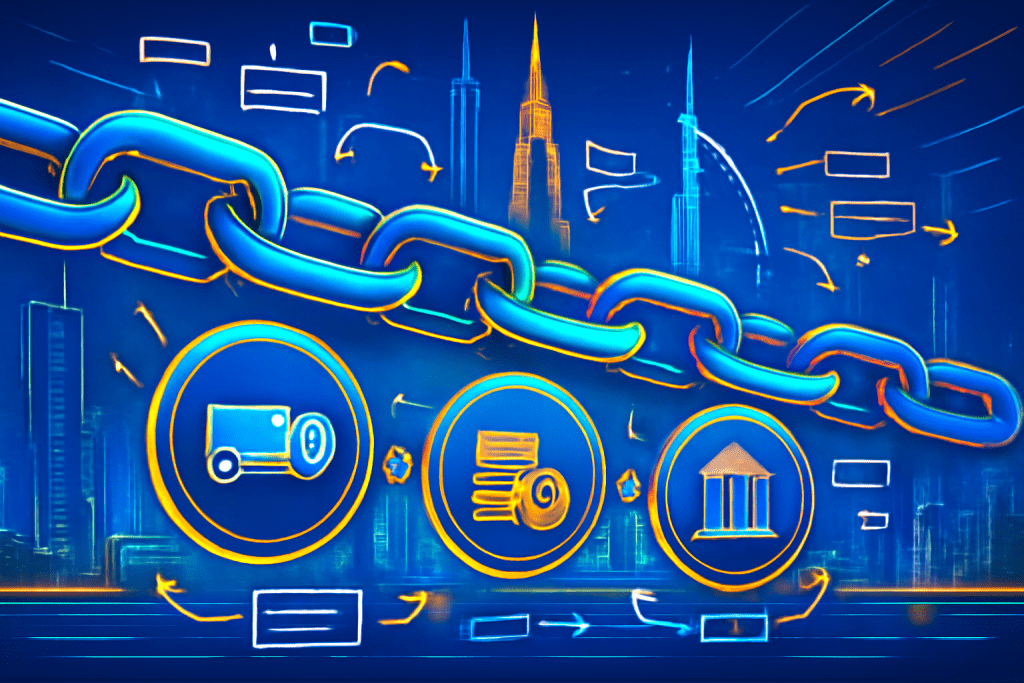
Introduction Dubai has rapidly positioned itself as a global leader in embracing innovative technologies, with blockchain integration at the forefront of this transformation. Businesses across the emirate are leveraging blockchain to streamline operations, improve transparency, and boost security. The result? Optimized business processes that enhance efficiency, reduce costs, and build trust with stakeholders. Here’s a detailed look at how blockchain integration is revolutionizing business processes in Dubai and why it’s a critical investment for the future. Explore more transformative technology solutions from TechOTD, where innovation and digital excellence meet. The Impact of Blockchain on Business Operations 1. Enhanced Transparency and Trust Blockchain’s decentralized ledger technology ensures every transaction or data entry is recorded transparently and immutably. Companies in Dubai now enjoy unmatched transparency in their supply chains, contract management, and financial transactions, which significantly reduces fraud and disputes. 2. Improved Efficiency and Automation Smart contracts automate routine and complex workflows, minimizing human intervention and accelerating processes. By integrating blockchain with AI and custom software solutions, Dubai businesses are achieving seamless, automated operations cutting down operational bottlenecks. 3. Secure Data Management In a world facing rising cyber threats, blockchain provides security with its cryptographic algorithms, protecting sensitive business and customer information. This is vital for Dubai’s thriving sectors like finance, real estate, and eCommerce (see eCommerce innovations). 4. Regulatory Compliance Made Easier Dubai’s regulatory framework increasingly encourages blockchain adoption, with government initiatives promoting transparent and verified digital record keeping. This helps businesses stay compliant effortlessly and ready for audits. 5. Cost Reduction Across the Board By streamlining processes such as cross-border payments, document verification, and inventory management, blockchain drastically cuts administrative and transactional costs. Businesses report higher ROI with blockchain projects supported by advanced AI-powered analytics. Real-World Blockchain Use Cases in Dubai Supply Chain Management: Dubai-based logistics companies use blockchain to track goods in real-time with end-to-end visibility, enhancing accountability and reducing delays. Trade Finance: Blockchain enables secure, fast, and transparent trade financing, revolutionizing Dubai’s role as a global trading hub. Real Estate: Blockchain simplifies property transactions, title management, and leasing agreements via tamper-proof records. E-commerce: Blockchain ensures secure, transparent, and efficient transactions, improving customer trust for Dubai’s growing online market. Government Services: Dubai’s blockchain initiatives enhance efficiency and transparency in services like licensing, customs clearance, and identity verification. How TechOTD Supports Blockchain Integration As Dubai businesses make blockchain a key part of their digital strategy, partnering with experienced developers is critical. TechOTD offers end-to-end blockchain integration services, from Feasibility Study to Deployment with ongoing support. Leveraging their expertise in AI, cloud, and software development (TechOTD web development), they help companies unlock blockchain’s full potential tailored to their unique needs. Explore partnership opportunities with TechOTD here to accelerate your blockchain journey. Conclusion Blockchain integration is not just a trend but a vital driver of optimized business processes in Dubai. Its benefits—transparency, efficiency, security, and cost reduction—empower businesses to compete globally while meeting local regulatory expectations. With trusted partners like TechOTD providing advanced digital and AI services, Dubai’s enterprises are well equipped for a future powered by decentralized technology. FAQ 1. What industries in Dubai benefit most from blockchain? Finance, real estate, logistics, eCommerce, and government sectors lead adoption. 2. How does blockchain improve supply chain transparency? By providing immutable real-time tracking accessible to all authorized parties. 3. Can blockchain solutions be integrated with existing IT systems? Yes, especially when combined with AI and custom web development for smooth workflows. 4. How can TechOTD help with blockchain adoption? TechOTD provides consulting, product design, development, deployment, and continuous support tailored to your business needs. 5. What is the typical timeline for blockchain integration? Timelines vary by project complexity, but TechOTD offers detailed estimates during the consultation phase.
Blockchain & Technology

Ethereum Tokenization in 2025

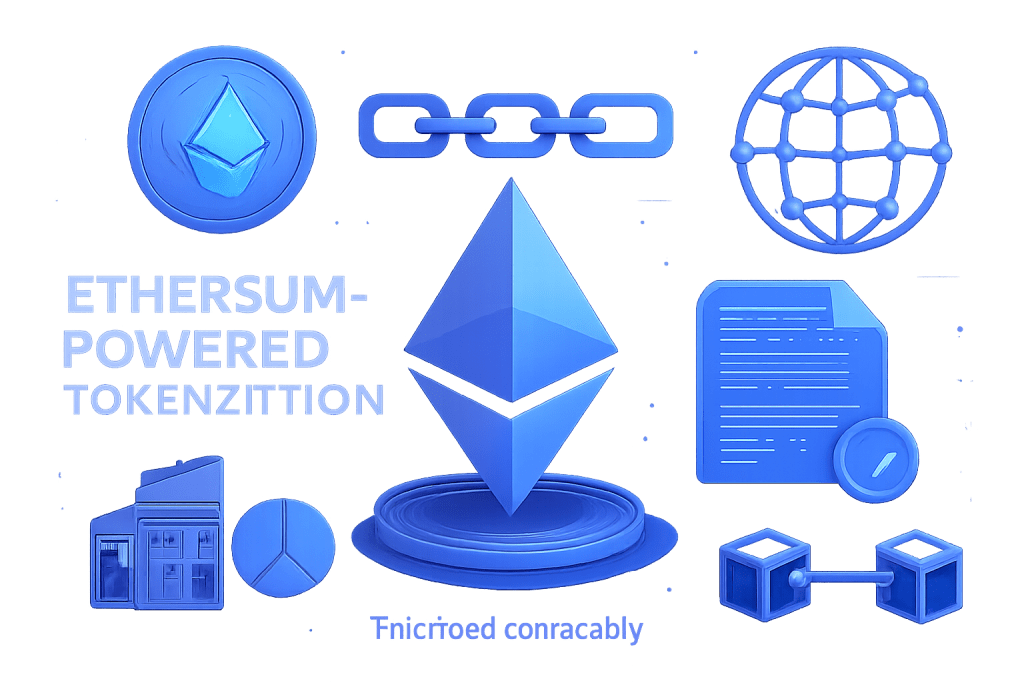
Introduction Tokenization is transforming the world of finance—turning real-world assets like stocks, bonds, real estate, and commodities into programmable digital securities. By 2025, Ethereum has emerged as the backbone for this new wave, making security tokens more accessible, transparent, and efficient than ever before. This blog explores how Ethereum is powering institutional adoption, what’s driving the surge in security tokens, and how technical advances and regulatory clarity are unlocking trillion-dollar opportunities for businesses, investors, and fintech innovators. Data Analytics in Banking: Transforming Finance in 2025   What Is Tokenization, and Why Does It Matter in 2025?   Tokenization is the process of converting rights to an asset into a digital token on a blockchain. With security tokens, these digital assets follow strict legal and regulatory frameworks, combining blockchain transparency with the safeguards of traditional finance. Why it matters: Improved liquidity & 24/7 trading Fractional ownership and instant settlement Lower transaction costs and fewer intermediaries Greater transparency and auditability Improved access for global retail and institutional investors Key Trends Shaping Ethereum Tokenization   1. Regulatory Clarity and Institutional Adoption Security tokens are no longer experimental. As of 2025, global regulators have established clear frameworks for tokenized securities, enabling traditional banks, asset managers, and major trading platforms to enter the space confidently. Major institutions are deploying capital at scale and demanding industrial-strength tokenization platforms. 2. Ethereum: The Platform of Choice Mature Standards: ERC-3643 and ERC-1400, designed specifically for compliance and transfer restrictions, are widely used for security token management. On-Chain Compliance: Automation of KYC/AML and transfer validations through smart contracts. Interoperability: Seamless integration with DeFi, Layer-2 solutions, other blockchains, and real-world financial infrastructure. 3. Growing Tokenization Use Cases Tokenized Treasuries: Over $24 billion in real-world assets (RWAs) are already tokenized—including U.S. Treasuries (the largest category), real estate, and private equity. New Asset Categories: Equity, credit funds, and even IP rights are joining the tokenized economy. Programmable Compliance: Smart contracts automate rule enforcement, dividend payouts, voting, and more. How Security Tokens Work on Ethereum   Asset Selection: Real-world asset (e.g., stock, real estate) is chosen for tokenization. Token Standardization: Security tokens are created using ERC-3643, ERC-1400, or ERC-1404—which enforce compliance and transfer rules at the smart contract level. Custody & Compliance: Assets are held by licensed custodians. On-chain KYC/AML controls who can hold or trade tokens. Issuance & Trading: Tokens are issued, managed, and traded digitally on compliant exchanges and marketplaces—enabling instant, global liquidity. Reporting & Analytics: Immutable audit logs, real-time reporting, privacy features (with zero-knowledge proofs), and AI-powered anomaly detection. Benefits of Ethereum-Powered Tokenization     Efficiency: Near-instant settlement, automated compliance, and fewer intermediaries cut costs and speed up processes. Transparency: Blockchain’s auditability reduces fraud, manual errors, and regulatory risk. Programmability: Automated dividends, voting, or redemption logic embedded in smart contracts. Accessibility: Fractional ownership democratizes investment in previously illiquid or exclusive asset classes. Challenges and What’s Ahead   Scalability: Layer-2s and rollups address throughput and cost concerns. Privacy & Security: Zero-knowledge cryptography and robust custody solutions balance transparency with confidentiality. Interoperability: Bridges, modular architectures, and evolving standards let tokens move across platforms and chains. Market Education: As the benefits become clearer, financial institutions, governments, and investors are accelerating adoption. Real-World Examples Making Waves   Apollo Global’s On-Chain Credit Fund: Tokenized funds operational on Ethereum. Robinhood & eToro: Offering tokenized equity in private companies exclusively on Ethereum. Major Banks & Agencies: Adopting tokenization for bonds, funds, and supply chain finance. Conclusion Ethereum tokenization in 2025 is ushering in an era where security tokens are foundational to the next generation of capital markets. Backed by regulatory clarity, technical maturity, and rising institutional demand, Ethereum is enabling programmable, borderless, and transparent assets that redefine access to investment and unlock new models for global finance. Ready to harness blockchain for financial innovation? Discover tailored tokenization, smart contract, and decentralized finance solutions for your enterprise at TechOTD, or explore AI-powered smart contract analytics and integration with TechOTD AI, custom development services, and more. FAQ 1. What are security tokens? Security tokens are digital representations of ownership in assets like stocks, funds, or real estate, issued and traded on blockchain networks under regulatory compliance. 2. Why is Ethereum preferred for tokenization? Ethereum offers mature standards (ERC-3643, ERC-1400), programmable compliance, a vibrant DeFi ecosystem, and proven reliability. 3. What assets are being tokenized in 2025? U.S. Treasuries, real estate, private equity, credit funds, and even intellectual property rights. 4. How does compliance work on-chain? Smart contracts automate transfer restrictions, KYC/AML, cap tables, and reporting, with audit trails and privacy layers. 5. Can retail investors participate? Yes, as regulatory clarity spreads, access is broadening—fractional ownership opens doors to global retail and institutional investors.

How would you like me to respond?

Select a personality for your AI assistant

Normal
Happy
Sad
Angry

Your selection will affect how the AI assistant responds to your messages

Chat Assistant

Let's discuss your project!

Hear from our clients and why 3000+ businesses trust TechOTD

Tell us what you need, and we'll get back with a cost and timeline estimate

Scroll to Top