
Marketing Automation

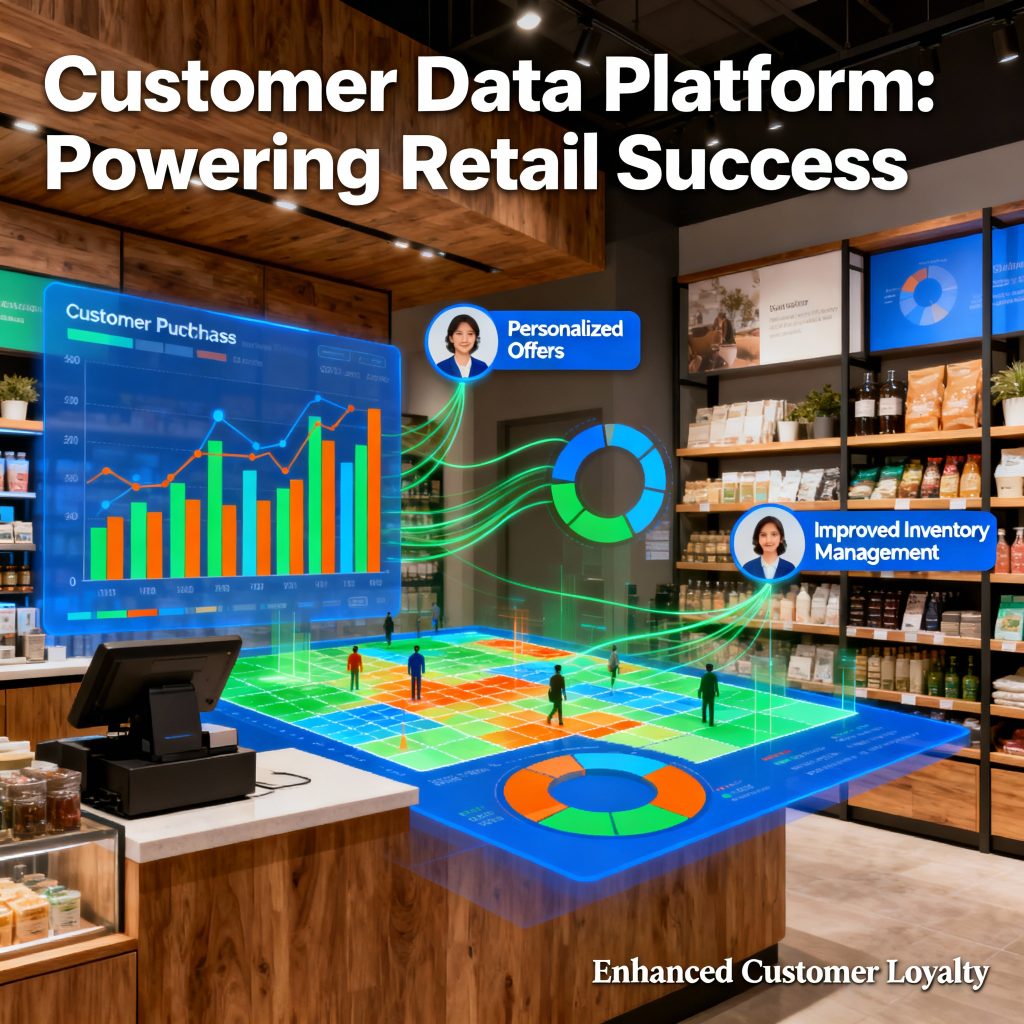
Feature image showing customer data platform (CDP) benefits for retail businesses, with colorful data analytics visuals and modern retail store elements.
Software development

10 Reasons You Need a CDP for Your Retail Business

  Introduction In today’s data-driven retail landscape, understanding and connecting with customers is crucial to success. Modern retailers rely on advanced software solutions like a Customer Data Platform (CDP) to unify fragmented customer data into a single hub. This empowers retail technology ecosystems to create personalized experiences, optimize marketing, and boost sales. As machine learning retail analytics, privacy regulations, and digital channels expand, a robust e-commerce CDP is no longer a luxury—it’s an essential tool for thriving in retail. This blog explores ten powerful reasons every retailer needs a CDP and offers actionable steps to build one, with deep insights and internal links to TechOTD’s leading resources. 10 Reasons You Need a CDP for Your Retail Business 10 Reasons Your Retail Business Needs a CDP 1. Unified Customer View A CDP creates a single, comprehensive profile for each customer by consolidating data from online stores, point-of-sale systems, mobile apps, and loyalty programs. This unified profile becomes the backbone of your retail system, supporting better understanding and improved decision-making. 2. Improved Personalization With unified data, retailers can deliver highly personalized product recommendations, emails, and offers. Personalization increases engagement and conversion rates by leveraging smart machine learning retail models within your CDP. 3. Enhanced Customer Segmentation CDPs enable segmentation based on behaviors, demographics, and purchase history—so messaging and offers are always relevant to each group, making your retail technology strategy more powerful. 4. Better Marketing ROI Precise targeting with real-time data means fewer wasted ad dollars and more effective campaigns. CDPs boost return on ad spend (ROAS) and improve overall marketing efficiency using advanced software analytics. 5. Seamless Omnichannel Experience CDPs unify customer journeys across web, apps, email, and physical stores, ensuring consistent messaging and experiences no matter where customers interact—essential for any e-commerce cdp implementation. 6. Data Compliance and Privacy Managing customer data centrally makes compliance with GDPR, CCPA, and other privacy regulations easier, reducing legal risks. 7. Real-Time Analytics and Insights Advanced analytics allow retailers to track campaign performance, predict churn, and uncover trends for smart, agile decision-making within your retail system. 8. Recover Abandoned Carts CDPs enable personalized follow-up emails and offers that re-engage customers and recover lost sales—using software-powered triggers for timely communication. 9. Customer Retention and Loyalty By understanding and responding to customer needs, CDPs empower loyalty programs and incentives, driving repeat purchases and long-term relationships with the help of advanced retail technology. 10. Marketing Automation and Efficiency Automated workflows triggered by customer actions save time, increase relevance, and let teams focus on strategy instead of manual tasks. This is the essence of modern retail software. How to Build a CDP for Your Retail Business Building a CDP is a strategic process that ensures your investment aligns with business goals—and delivers ongoing value for your retail system. 1. Assess Your Business Needs Identify whether you want more personalization, improved retention, or seamless omnichannel experiences. Clear goals inform every subsequent step. 2. Audit Existing Data Sources Review all systems with customer data (e.g., CRM, online store, loyalty programs—a part of your retail system), identify overlaps and gaps, and clean your data to ensure reliability. 3. Design the Architecture Plan how the CDP will connect to platforms like CRMs, e-commerce, POS, and marketing tools—key elements of retail technology. Define rules for real-time and batch data processing, access control, and regulatory compliance. 4. Develop and Integrate the Platform Choose scalable technology and APIs to bridge systems, ensure rapid data sync, and prioritize security. Integrate with existing processes and future-proof for business expansion using suitable software. 5. Define Segments and Attributes Map out key customer attributes and create segments for targeted campaigns (e.g., VIPs, frequent buyers, at-risk customers). 6. Personalization and Automation Configure real-time triggers for personalized messages, recommendations, and offers using machine learning retail tools. Use automation tools to deliver the right communication at the right time. 7. Privacy and Compliance Management Build in privacy controls and consent management. Keep customer trust by being transparent about data handling and honoring customer choices. 8. Measure and Optimize Set clear KPIs, monitor campaign results, and adjust segments, messages, and strategies using live data and advanced analytics software. Key Points Table Reason/Step Description Unified Customer View Single profile per customer enables better understanding and interactions. Improved Personalization Data-driven product recommendations and offers for each user. Enhanced Segmentation Group customers for relevant messages and campaigns. Marketing ROI Fewer wasted ads, real-time performance tracking, higher sales. Omnichannel Experience One smooth journey across online and offline touchpoints. Compliance & Privacy Centralized data simplifies consent management and data regulations. Real-Time Analytics Track trends, campaign success, and customer needs as they happen. Recover Carts Use behavioral data to re-engage and convert lost customers. Retention & Loyalty Data-driven incentives for long-term relationships and repeat sales. Automation Hands-off, triggered messaging and campaigns improve efficiency. For insights on how AI and software are transforming retail, read our guide on Machine Learning in Healthcare for parallels in data-driven innovation: Machine Learning in Healthcare Explore the future of AI-powered customer service in retail technology with our article on Seamless Customer Journeys with AI: Seamless Customer Journeys with AI – The Future of Service Excellence Understand how predictive analytics software enhance CDP capabilities in retail by visiting: Predictive Analytics Software Development – Features, Benefits, Use Cases, Process, and Cost Discover how cloud technology supports modern retail systems in our comprehensive guide: Cloud Computing – An Ultimate Guide for Businesses Learn about agentic RAG and its applications for smarter data management in retail systems: Agentic RAG: What It Is, Types, Applications, and Implementation Read about confidential AI systems transforming data security and compliance in retail technology: Confidential AI Conclusion A Customer Data Platform is a must-have software for every modern retail business. By connecting disparate data sources, enabling true omnichannel engagement, and powering personalization through machine learning retail analytics, a CDP puts the customer at the heart of decision-making. Investing in a CDP enables retailers to exceed customer expectations, drive returns, and thrive amid fierce competition. If you haven’t yet explored CDPs, now is the time to future-proof your retail business with advanced retail system tools—ensuring agility, compliance, and sustained growth. For tailored CDP integration and AI solutions, explore TechOTD’s expertise today. FAQ What is a CDP and how does it differ from a CRM? A CDP unifies customer data from all sources for 360° analysis and activation, while a CRM
enterprise

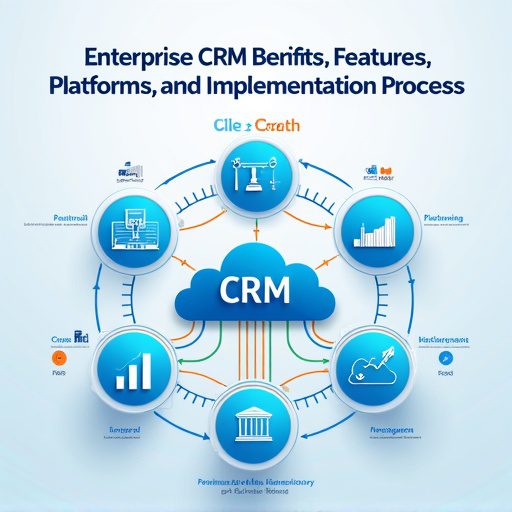
Enterprise CRM Benifits, Features, Platforms, And Implementation Process

Introduction Enterprise CRM (Customer Relationship Management) platforms are powerful tools that transform how large organizations manage customer data, improve engagement, and drive business growth. Below is a detailed blog-style guide, covering benefits, features, leading platforms, and the implementation process, with strategic backlinks to your TechOTD resources. In today’s hyper-competitive marketplace, Enterprise CRM is not merely a software—it’s an integrated approach that centralizes data, automates workflows, and fuels personalized customer journeys at scale. When implemented with advanced technologies like AI and predictive analytics, CRM becomes a strategic driver of efficiency, compliance, and business agility. Discover how AI and tech consulting can elevate CRM on TechOTD’s AI solutions page. Key Benefits of Enterprise CRM 360° View of Customers Enterprise CRM consolidates all customer data—interactions, preferences, support tickets—into a unified dashboard, providing a 360-degree customer profile. This empowers sales, marketing, and support teams to deliver informed, personalized service and anticipate customer needs. Learn how holistic data fuels AI-driven insights on TechOTD’s privacy and AI page. Improved Team Collaboration CRM platforms break down silos, enabling seamless information sharing across sales, marketing, and customer support departments. This unified communication boosts efficiency and ensures everyone works towards common goals. Data-Driven Decision Making Advanced analytics and reporting tools enable data-driven strategies, empowering management to spot trends, forecast sales, and make informed decisions. For a deeper dive into data analytics, visit TechOTD’s predictive analytics feature. Streamlined Sales and Marketing Processes Automation of repetitive tasks—lead tracking, appointment scheduling, follow-ups—lets teams focus on strategic initiatives, shortens sales cycles, and improves productivity. Enhanced Customer Experience CRM software personalizes every touchpoint—recommendations, promotional offers, and support—leading to higher customer satisfaction and loyalty. Explore more on TechOTD’s blog about seamless customer journeys. Compliance and Risk Management Modern platforms are designed to help businesses adhere to data privacy regulations and industry standards, crucial for finance, healthcare, and other regulated sectors. For more insights, read TechOTD’s how we work page. Essential Features of Enterprise CRM Holistic Customer View Provides a consolidated, real-time profile of each customer, tracking every email, call, transaction, and support request. Advanced Automation and AI Automation tools drive efficiency in sales, marketing, and workflows. AI features offer predictive analytics, intelligent recommendations, and chatbots—see TechOTD’s blog on LLMs and AI in customer journeys. Customizable Dashboards and Analytics Enterprises require deep analytics, granular segmentation, and real-time reporting to identify opportunities and mitigate risks. Multichannel Communication Integrated email, chat, phone, and social media support ensure consistent, timely engagement with customers wherever they interact. Security and Compliance Enterprise-grade CRMs offer robust security features: role-based access, encryption, audit trails, and compliance tools for GDPR, HIPAA, and more. Integration and Extensibility APIs and integrations connect CRM with ERP, marketing automation, e-commerce, and legacy systems for seamless data flow across the organization. Top Enterprise CRM Platforms Platform Best For Key Distinction Pricing/Notes [More Info] Salesforce Customization, large-scale deployments Deep modularity, AI, ecosystem From $165/user/mo, AI extra Leading Gartner MQ SAP CRM Integrated ERP-CRM for SAP users Native SAP integration, global Quote-based Oracle CX Large, complex organizations Flexibility, analytics, CX tools Quote-based Microsoft Dynamics 365 Microsoft-centric organizations ERP links, hybrid cloud options Flexible tiers HubSpot Enterprise Quick setup, remote teams User-friendly, marketing-heavy Competitive pricing Zoho CRM Growing enterprises, customization Automated workflows, scalability Lower overall TCO Zendesk Sell Sales and support integration Suited for Zendesk users Per-seat pricing Freshsales AI-driven engagement Fast, contextual interactions Modern UI, flexibility Discover more platforms and business app tips at TechOTD’s industry blogs. The Enterprise CRM Implementation Process 1. Define Strategy and Objectives Start by mapping out business objectives, key performance indicators, and a data strategy. Use TechOTD’s consulting framework to establish clear priorities. 2. Data Migration and Integration Cleanse existing data, de-duplicate records, and plan integrations with core systems (ERP, e-commerce, etc.). Blockchain integration—see blockchain in Dubai business—can add transparency to data migration. 3. Platform Selection and Customization Choose a CRM platform based on scale, industry, compliance, and integration requirements. Custom-build modules as needed, adjusting workflows, triggers, and dashboards for your enterprise’s unique processes. 4. User Adoption and Training Invest in staff training, change management, and cross-departmental workshops. Encourage power users and stakeholders to champion the CRM for maximum adoption. 5. Launch and Ongoing Support Roll out in phases—start with pilot departments, gather feedback, iterate, and expand. Leverage continuous analytics and support for long-term ROI. For best practices in tech project launches, visit TechOTD’s mobile services page. 6. Advanced Optimization Integrate AI-driven analytics, marketing automation, and predictive customer scoring. Review and refine workflows to drive ongoing efficiency. Explore predictive analytics solutions on TechOTD’s featured blog page. Real-World Use Cases Sales Acceleration: Automated lead scoring and next-best actions reduce time-to-close and increase sales. Customer Service Excellence: Omnichannel ticketing and AI-powered chatbots resolve issues faster, improving CSAT. Marketing ROI: Segmentation, journey mapping, and attribution modeling optimize spend and boost conversion rates. Risk & Compliance: Audit trails, consent management, and data protection features mitigate regulatory risk—critical for finance and healthcare. Mobile CRM: Field sales and service reps use mobile apps to access/updating customer data on the go; see TechOTD’s mobile frameworks guide. Conclusion Adopting an enterprise CRM is transformative for large organizations—it centralizes operations, unleashes team potential, personalizes every customer interaction, and future-proofs against changing regulations. For ongoing trends, strategies, and CRM case studies, explore: AI-Powered Enterprise Solutions TechOTD Blogs on Business Technology Customer Journey Mapping with AI Blockchain for Data Integrity How We Work at TechOTD Predictive Analytics for CRM Mobile Solutions and CRM Industry Insights & Platforms

How would you like me to respond?

Select a personality for your AI assistant

Normal
Happy
Sad
Angry

Your selection will affect how the AI assistant responds to your messages

Chat Assistant

Let's discuss your project!

Hear from our clients and why 3000+ businesses trust TechOTD

Tell us what you need, and we'll get back with a cost and timeline estimate

Scroll to Top