Essential Skills Every Frontend Developer Should Master in 2025
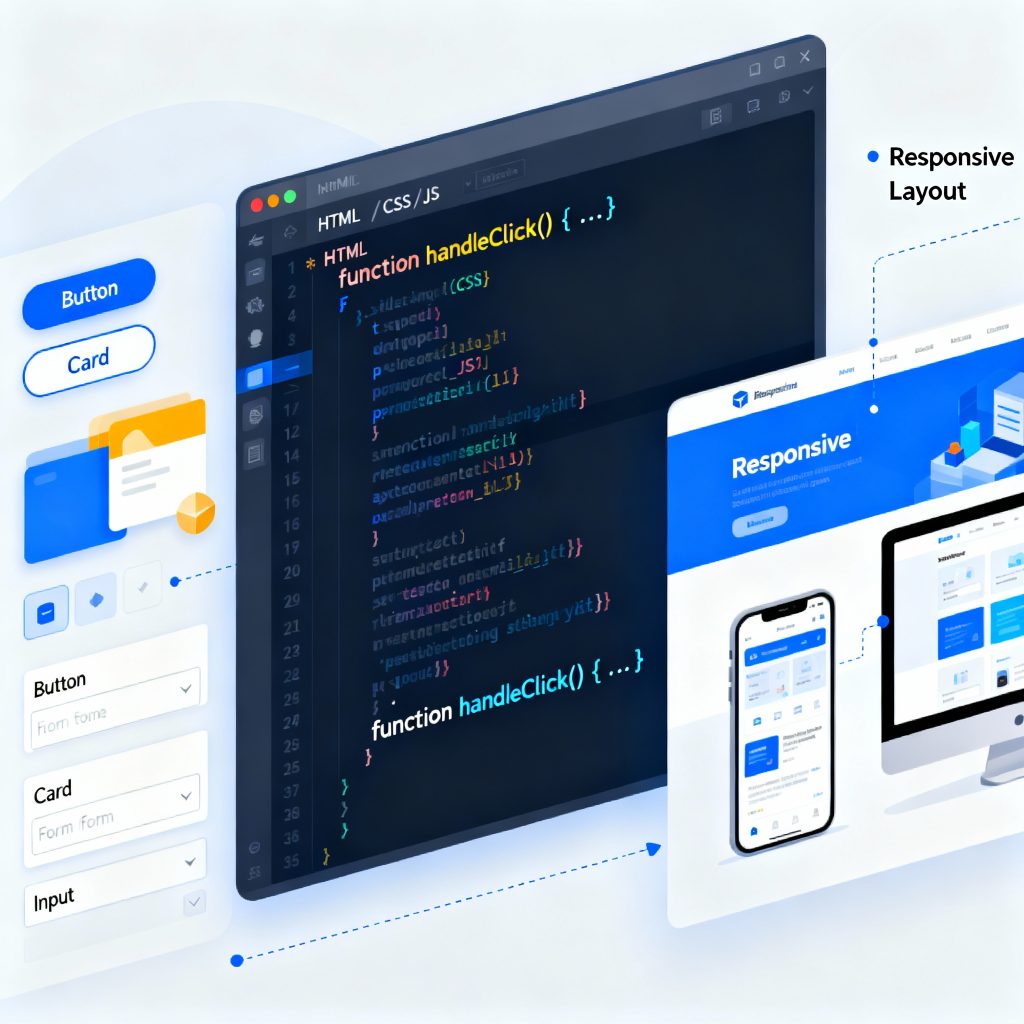
Introduction The web development world is evolving rapidly, and the demand for skilled frontend developers continues to grow. As users expect faster, more interactive, and visually appealing websites, developers must master both technical and creative skills to stay ahead in 2025. In this blog, we’ll explore the essential skills every frontend developer should master — from HTML and CSS fundamentals to advanced frameworks, tools, and design thinking techniques. Mastering the Core Building Blocks: HTML, CSS, and JavaScript At the heart of every website are three pillars — HTML, CSS, and JavaScript. These are the foundation of frontend development and must be learned thoroughly: HTML (HyperText Markup Language): Defines the structure and content of a webpage. You must understand elements, tags, attributes, semantic HTML, and accessibility. CSS (Cascading Style Sheets): Controls the layout, colors, fonts, and design aesthetics. Learn CSS Grid, Flexbox, animations, and media queries for responsive design. JavaScript (JS): Adds logic and interactivity. Know how to manipulate the DOM, handle events, fetch APIs, and use ES6+ features like promises, async/await, and modules. A solid grasp of these three ensures you can build any web interface from scratch. Learning Modern Frontend Frameworks Frameworks streamline development by providing reusable components and optimized performance. In 2025, the most popular ones include: React.js: Developed by Meta, React is known for its virtual DOM, reusable components, and large ecosystem. Vue.js: Lightweight and beginner-friendly, perfect for building small to mid-sized apps. Angular: Maintained by Google, Angular is ideal for large-scale enterprise applications. Tip: Learn at least one framework deeply instead of jumping between many. Responsive Web Design and Cross-Browser Compatibility With users accessing websites across desktops, tablets, and smartphones, knowing responsive design is essential. Skills to learn: CSS Media Queries Fluid grids and flexible images Frameworks like Bootstrap and Tailwind CSS Testing tools like BrowserStack Your website should look perfect and perform well across all screen sizes and browsers. Version Control with Git and GitHub No developer can thrive without version control systems (VCS) like Git. It allows you to: Track changes in your code Revert to previous versions Collaborate with other developers seamlessly Master Git commands such as commit, push, pull, and merge. Create and manage repositories using GitHub, GitLab, or Bitbucket. Understanding APIs and AJAX Modern web apps depend heavily on data exchange between the client and server. Learn how to: Use RESTful APIs and JSON data Make fetch() or Axios requests Handle asynchronous data with Promises and Async/Await Understand CORS, authentication, and error handling This knowledge helps build dynamic apps like social media feeds, dashboards, and e-commerce websites. UI/UX Design Principles Frontend developers bridge the gap between design and functionality. Knowing the basics of UI/UX design enhances user satisfaction: Learn color theory, typography, and layout design Use design tools like Figma, Sketch, or Adobe XD Follow accessibility standards (WCAG) Understand user behavior and intuitive navigation patterns A visually appealing, accessible website boosts engagement and conversion rates. Frontend Performance Optimization Performance is critical. Users leave a site if it takes more than 3 seconds to load.Focus on: Code minification and lazy loading Optimizing images and videos Using CDN and caching strategies Monitoring performance with tools like Lighthouse and WebPageTest A faster site equals better SEO and higher user retention. Soft Skills and Continuous Learning Frontend development isn’t just about coding. Soft skills help you stand out: Problem-solving: Debug efficiently and write clean, maintainable code. Collaboration: Work smoothly with designers, backend devs, and clients. Adaptability: Learn new frameworks and libraries quickly. Communication: Explain technical topics clearly to non-technical stakeholders. The tech world changes fast — stay updated through blogs, online courses, and coding communities. Recommended Tools and Resources Category Tools/Resources Code Editor VS Code, Sublime Text Browser DevTools Chrome DevTools, Firefox Developer Edition Design Tools Figma, Canva Frameworks React, Vue, Angular Version Control Git, GitHub Testing Jest, Cypress, Playwright Conclusion To become a successful frontend developer in 2025, mastering these technical and design skills is essential. From HTML, CSS, and JavaScript to frameworks, APIs, and optimization — each skill builds your ability to create beautiful, responsive, and efficient web applications. FAQs – 1. What are the most important skills for a frontend developer in 2025? In 2025, the essential skills for frontend developers include HTML, CSS, JavaScript, and frameworks like React or Vue.js. In addition, knowledge of responsive design, version control (Git), APIs, and performance optimization is crucial for building modern, scalable web applications. 2. Is frontend development still a good career choice? Yes! Frontend development remains one of the most in-demand tech careers. As more businesses move online, the need for developers who can create fast, visually appealing, and user-friendly websites continues to grow. With the right skills, you can build a successful and well-paying career. 3. How long does it take to become a frontend developer? On average, it takes 6 to 12 months to become job-ready in frontend development. However, the timeline depends on how consistently you practice. Start with HTML, CSS, and JavaScript, then move to frameworks, responsive design, and Git. Continuous learning and project building will speed up your progress. 4. Do frontend developers need to know backend technologies? Not necessarily, but having basic knowledge of backend technologies like Node.js or Express.js helps you understand how data flows between client and server. It’s especially beneficial if you aim to become a full-stack developer in the future. 5. What tools should every frontend developer use? Some must-have tools include: Code Editors: VS Code, Sublime Text Version Control: Git, GitHub Design Tools: Figma, Adobe XD Browser DevTools: Chrome, Firefox Developer Edition Testing Tools: Jest, Cypress These tools make your development process faster, cleaner, and more efficient. 6. How can I improve my frontend development skills? To improve, focus on practical projects. Build personal websites, clone famous apps, contribute to open-source projects, and follow modern web development trends. Join developer communities on GitHub or Reddit and take regular courses to stay updated with the latest frameworks and techniques. 7. What are the soft skills needed for a frontend developer? Frontend developers