
fraud detection

"Futuristic dashboard with predictive analytics graphs, AI data streams, and business professionals analyzing digital interfaces, representing software-driven business forecasting."
data science, Software development

Predictive Analytics Software Development

Introduction Predictive analytics software development is revolutionizing how organizations leverage their data to anticipate trends, reduce risk, and gain a competitive edge. By deploying machine learning, statistics, and advanced modeling, companies can turn historical and real-time data into actionable predictions—whether for sales forecasting, preventing fraud, or optimizing inventory. With mounting business complexity and data volumes, predictive analytics tools have become essential for organizations aiming to future-proof their strategies and drive smart decisions in an ever-changing market. What Is Predictive Analytics Software Development? Predictive analytics utilizes historical and live data, advanced algorithms, and machine learning to forecast future outcomes and recommend the best actions. Developing predictive analytics software typically involves identifying business needs, collecting and preparing data, building models, and integrating these models seamlessly into business applications for real-time insights. Modern predictive analytics systems can be custom-coded, built using data science tools, or integrated through user-friendly low-code platforms, making this technology accessible across industries. Key Features: Automated data ingestion and cleansing Model building, evaluation, and deployment Real-time prediction capabilities Integration with business processes and dashboards Ability to learn and adapt as new data arrives The Predictive Analytics Software Development Lifecycle Strategic Planning Define specific business problems such as churn prediction, fraud detection, or inventory optimization. Set measurable goals and align key stakeholders. Data Collection & Preparation Gather data from internal systems, external sources, and real-time feeds. Cleanse, transform, and annotate data to ensure quality input for models. Model Development Choose appropriate algorithms (e.g., regression, decision trees, neural networks). Train and validate models on historical data; iterate for accuracy and explainability. Integration & Deployment Embed predictive models into business systems like CRMs, ERPs, or supply chain tools for live predictions. Provide end-users, analysts, and leaders with intuitive dashboards or automated triggers. Monitoring, Maintenance, and Scaling Track accuracy; retrain models as conditions shift and new data is available. Continuously enhance with new features and data sources. Best Practices: Start small with a pilot project—optimize, then scale Prioritize data quality and governance early on Foster teamwork between IT, data science, and business units Focus on model transparency and compliance Embrace agile, iterative development for adaptability Business Benefits & Use Cases Improved Decision-Making: Predictive analytics drives proactive strategies by uncovering patterns and forecasting potential outcomes. Risk Reduction: Banks, insurers, and manufacturers leverage predictive models for fraud detection, credit scoring, risk assessment, and predictive maintenance. Enhanced Efficiency: Automated forecasting and resource allocation improve supply chain and operations management. Personalization: Retailers and marketers optimize targeting, recommendations, and retention using behavioral analytics. Healthcare: Early disease detection, readmission risk prediction, and personalized treatment planning lead to improved patient outcomes. Scalable Growth: Predictive software enables organizations to handle increasing data complexity and maintain a competitive edge. Conclusion Developing predictive analytics software equips organizations with the foresight to make smarter, data-driven decisions while automating processes and enhancing resiliency. By following best practices and leveraging modern development frameworks, businesses of all sizes can turn raw data into predictive power—unlocking new opportunities and sustainable growth. Call-to-Action: Explore predictive analytics software solutions tailored to your business needs—connect with expert developers today and turn your data into a strategic asset! FAQ What is predictive analytics software? It is a tool that uses historical and current data, along with algorithms and machine learning, to forecast future trends and inform smarter business decisions. How does predictive analytics benefit companies? It improves revenue prediction, reduces risk, enhances customer experience, streamlines operations, and delivers personalized recommendations. What are common use cases? Fraud detection, demand forecasting, maintenance planning, customer segmentation, and healthcare diagnosis are among the top applications. What is needed to build predictive analytics software? You need a well-defined problem, quality data, an experienced team, the right algorithms, and a plan for ongoing monitoring and refinement. How do you choose the right predictive model? Select based on the type of prediction needed—classification, regression, or time series—and evaluate with validation metrics before deployment
telecom

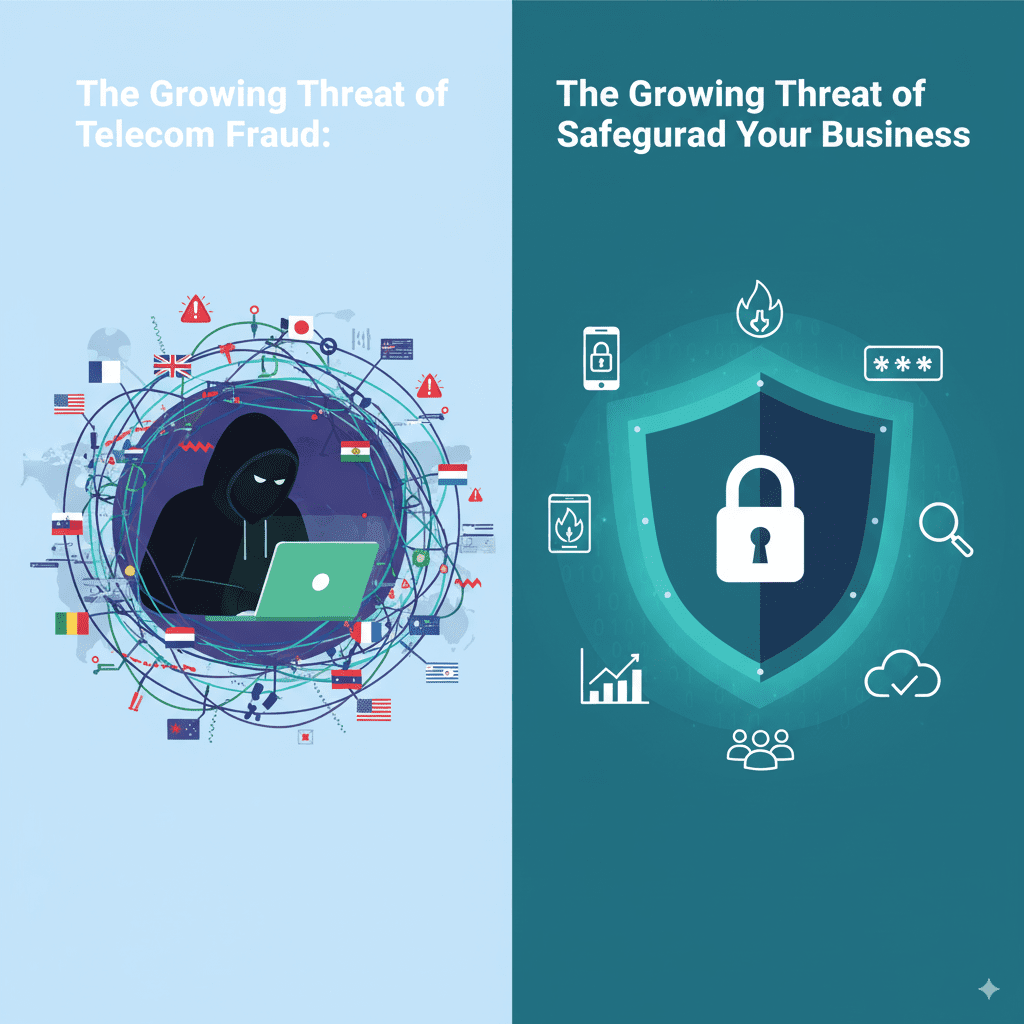
The Growing Threat of Telecom Fraud and How to Safeguard Your Business

Introduction As telecom networks become increasingly vital to global communications and business operations, the threat of telecom fraud has escalated into a pressing concern. Fraudsters exploit vulnerabilities within telecom infrastructures to commit crimes ranging from unauthorized access and identity theft to call and subscription fraud. For businesses relying heavily on telecom services, these fraudulent activities can result in significant financial losses, reputational damage, and regulatory penalties. This blog explores the evolving nature of telecom fraud, common fraud schemes targeting businesses, and robust strategies to safeguard your telecom assets. Leveraging AI-driven security solutions and advanced analytics is becoming indispensable to stay ahead of increasingly sophisticated attacks. For businesses seeking intelligent risk assessment and security planning, TechOTD’s AI services offer transformative solutions tailored to telecom and other industries. Understanding Telecom Fraud: Types and Tactics Telecom fraud continues to evolve with the advent of new technologies like VoIP, 5G, and mobile networks. Common types include: Subscription Fraud: Fraudsters obtain services under false identities, leaving businesses with unpaid bills. Call Forwarding Fraud: Unauthorized redirection of calls to premium rate numbers to exploit call charges. PBX Hacking: Unauthorized access to private branch exchanges, generating fraudulent calls. Refiling and Phishing: Illegitimate use of telecom resources to conduct phishing or refile previous calls to mask origins. SIM Swap Fraud: Hijacking mobile numbers to bypass authentication controls. International Revenue Share Fraud (IRSF): Exploiting international call setups to generate revenue for fraudsters at the operators’ expense. Each scheme targets vulnerabilities in telecom infrastructure, emphasizing the need for proactive defense mechanisms. Business Impacts of Telecom Fraud Financial Losses: Millions lost annually through fraudulent call charges, service theft, and identity compromise. Operational Disruption: Network overloads and compromised services degrade customer experience. Regulatory and Compliance Risks: Failure to protect telecom assets can lead to penalties under data protection laws and industry regulations. Brand Reputation Damage: Customer trust erodes when fraud incidents are publicized. How to Safeguard Your Business Against Telecom Fraud 1. Implement AI-Powered Fraud Detection and Analytics AI systems monitor traffic patterns in real time to detect anomalies that indicate potential fraud. Machine learning models adapt to new fraud behaviors, minimizing false positives and enabling quick action. Learn about predictive analytics enhancing telecom security here: Predictive Analytics Features and Use Cases. 2. Strengthen Identity and Access Management Multi-factor authentication (MFA) for network access, strict user identity verification, and SIM swap detection mechanisms decrease unauthorized entry risk. 3. Secure Network Architecture and Protocols Deploy firewalls, encryption, and secure routing protocols. Regularly update PBX and VoIP systems to patch vulnerabilities. 4. Continuous Monitoring and Incident Response Establish 24/7 network surveillance, combining automated alerts and expert reviews. Develop a clear fraud response plan and staff training. 5. Collaborate with Telecom Partners Work closely with carriers and technology providers to share threat intelligence and integrate security operations. Explore how blockchain enhances telecom security and trust: Blockchain Integration in Dubai Business Processes. Leveraging TechOTD’s Expertise in Telecom Security TechOTD provides tailored AI and machine learning solutions focused on telecom fraud detection, risk assessment, and workflow automation. Their expert consulting services help businesses evaluate vulnerabilities, implement advanced fraud controls, and comply with industry standards. Discover their approach to securing telecom through intelligent automation: How TechOTD Works. Future Trends in Combating Telecom Fraud AI and Deep Learning: Enhanced detection capabilities with evolving fraud patterns. Cloud-Based Security: Scalable, centralized fraud monitoring platforms. 5G Security Innovations: Addressing unique vulnerabilities in emerging networks. Integration of Big Data Analytics: Deeper insights into complex fraud schemes. The synergy of AI with telecom infrastructure will be key to staying ahead in this security arms race. Conclusion Telecom fraud is a pervasive and growing threat to business continuity and profitability. Safeguarding telecom assets requires a blend of cutting-edge AI technologies, robust protocols, and collaborative efforts across the ecosystem. Businesses investing in these defenses, with expert partners like TechOTD, can not only mitigate losses but also build trust and resilience in an increasingly connected world. For comprehensive AI-powered security solutions and insights, visit TechOTD AI Services and explore their extensive technology blog. FAQs Q1: What is the most common telecom fraud for businesses? Subscription fraud and PBX hacking are among the most prevalent and costly. Q2: How does AI help prevent telecom fraud? AI detects unusual traffic patterns and adapts to new fraud techniques in real time. Q3: Can blockchain improve telecom security? Yes, blockchain provides immutable and transparent transaction records that reduce fraud risks. Q4: What role does continuous monitoring play? It enables early fraud detection and rapid incident response, minimizing damage. Q5: Why is collaboration important in telecom fraud prevention? Sharing threat intelligence and best practices enhances the overall ecosystem security.

machine learning

Machine Learning in Banking – Use Cases and Implementation Process

Introduction The banking industry is rapidly embracing machine learning (ML) to enhance operational efficiency, manage risk, detect fraud, and deliver personalized customer experiences. As financial institutions face increasing competition, regulatory complexities, and evolving customer expectations, ML innovations are becoming central to banking digital transformation. This comprehensive blog explores prominent use cases of machine learning in banking, its business impact, and the structured implementation process, supported by current insights and examples from leading institutions and fintech innovators. Key Use Cases of Machine Learning in Banking 1. Fraud Detection and Risk Management Fraud detection is arguably the most critical application of ML in banking. Machine learning models analyze millions of transactions in real-time, identifying abnormal patterns and preventing unauthorized activities earlier and more accurately than traditional rule-based systems. Behavioral analytics track anomalies like unusual transaction locations or atypical spending. Models dynamically adapt to emerging fraud tactics without explicit reprogramming. Banks like Citi use ML-driven anomaly detection for enhanced transaction security. 2. Personalized Customer Experiences ML enables hyper-personalization by analyzing customer behavior, preferences, and financial histories to tailor products, services, and recommendations. Robo-advisors provide customized investment advice based on risk tolerance. Targeted financial products improve customer engagement and retention. AI-driven virtual assistants offer real-time support and guidance addressing individual needs. 3. Process Automation and Operational Efficiency ML automates back-office processes such as loan underwriting, document verification, compliance monitoring, and reconciliation, reducing human errors and increasing throughput. Optical Character Recognition (OCR) converts handwritten documents for digital processing. Robotic Process Automation (RPA) combined with ML streamlines regulatory compliance tasks. Automation shortens loan approval cycles and improves customer onboarding. 4. Conversational Banking and Virtual Assistants AI-powered chatbots and intelligent virtual assistants enhance customer service by providing 24/7 support for routine inquiries, transaction assistance, and fraud alerts. Natural Language Processing (NLP) allows human-like interactions. Automations reduce call center load and improve response times. Virtual agents assist with bill payments, balance checks, and card controls. 5. Algorithmic Trading and Investment Analysis ML models identify complex market trends using diverse datasets including news sentiment, social media, and historical prices, enabling data-driven trading strategies. High-frequency trading bots optimize transactional timing and portfolio performance. Predictive analytics improve risk forecasting and asset allocation. Fintech firms leverage advanced ML to outperform traditional trading approaches. Business Impact of Machine Learning in Banking Enhanced Security: ML reduces financial crime impact and regulatory penalties. Improved Customer Loyalty: Personalized offerings increase satisfaction and retention. Operational Cost Savings: Automation lowers manual processing costs. Accelerated Innovation: Agile data-driven decision-making supports new product launches. Increased Competitive Advantage: Banks implementing ML lead fintech innovation. Explore advanced AI solutions fostering risk management and customer personalization at TechOTD AI Services. Implementing Machine Learning in Banking: A Structured Process Step 1: Business Needs Assessment Identify critical banking processes that benefit from ML, such as fraud detection or customer segmentation. Define clear goals and success metrics aligned with strategic priorities. Step 2: Data Collection and Evaluation Gather relevant datasets spanning transactions, customer profiles, operational logs, and external market data. Data quality and completeness are paramount for effective ML models. Step 3: Model Development and Training Develop ML models tailored to use cases, including supervised classification for fraud, clustering for customer segmentation, and NLP for chatbots. Choose algorithms suitable for the complexity and dataset size. Employ techniques such as cross-validation and hyperparameter tuning. Leverage cloud platforms to manage computational demands efficiently TechOTD Cloud Solutions. Step 4: Model Testing and Validation Rigorous testing using historical and simulated data ensures models meet accuracy, precision, and fairness criteria before deployment. Step 5: Deployment and Integration Deploy ML models into banking systems, integrated with transactional platforms, CRM, and compliance tools for streamlined workflows. Use APIs for system communication. Ensure real-time inference capability for critical applications. Step 6: Monitoring and Maintenance Continue monitoring model performance, retraining with new data and adapting to evolving patterns such as new fraud tactics or regulatory changes. Challenges and Considerations Data Privacy and Security: Ensuring compliance with regulations like GDPR while leveraging sensitive customer data. Model Interpretability: Addressing regulatory needs for transparent, explainable AI decisions. Legacy Systems Integration: Bridging newer ML systems with traditional banking infrastructure. Organizational Readiness: Cultivating skilled teams and fostering ML adoption culture. Learn about overcoming challenges with expert consulting at TechOTD How We Work. Future Trends in Machine Learning for Banking Agentic AI: Autonomous AI agents driving higher-level decision making. Federated Learning: Enhancing privacy by training models collaboratively without sharing raw data. Continual Learning: Models that adapt continuously with minimal human intervention. Cross-Industry Data Integration: Leveraging diverse data sources for holistic financial insights. Enhanced NLP Capabilities: More sophisticated conversational banking and sentiment analysis. Stay updated on AI and ML advances at the TechOTD Blog. Conclusion Machine learning is revolutionizing banking by enabling data-driven risk management, operational efficiency, and personalized customer journeys. Financial institutions that strategically implement ML processes and technologies stand poised to lead industry innovation, enhance profitability, and improve regulatory compliance.

data science

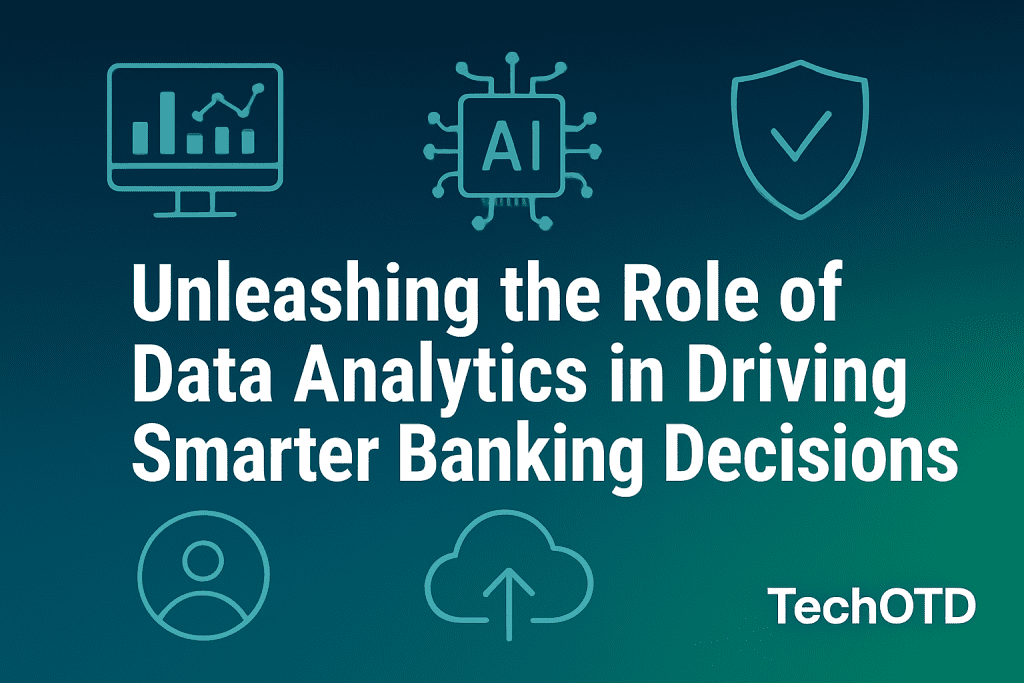
Unleashing the Role of Data Analytics in Driving Smarter Banking Decisions

Introduction In today’s evolving financial landscape, data analytics has become the secret weapon of forward-thinking banks. As digital transformation accelerates and customer expectations soar, leveraging big data and advanced analytics is helping financial institutions make smarter, faster, and more secure decisions. This blog explores how data analytics is revolutionizing smarter decision-making in banking, empowering both organizations and their customers. Looking for transformative analytics and AI solutions? Discover expert offerings at TechOTD, explore industry AI services, learn about TechOTD’s background, investigate eCommerce banking solutions, check out the partnership program, or see their web development expertise. How Data Analytics Powers Smarter Banking Decisions Deeper Customer Insights: Analytics tools process customer transactions, behaviors, and digital interactions to create detailed customer profiles. This enables hyper-personalized recommendations, targeted offers, and dynamic risk scoring. Proactive Risk Management: AI and machine learning monitor transactions in real time to detect and predict fraud or credit risks—allowing banks to act before issues escalate. Operational Efficiency: Automated analytics streamline processes like loan approvals, compliance checks, and account monitoring, reducing costs and improving accuracy. Strategic Growth: Market analytics reveal emerging opportunities, untapped customer segments, and help banks launch new banking or investment products. Data-Driven Compliance: Powerful reporting and analytics ensure regulatory requirements are met and help quickly respond to audits or legislative shifts. Real-World Applications Fraud Detection: Real-time analytics flag suspicious activities, preventing losses and boosting customer trust. Credit Scoring: Dynamic scoring models incorporate more data points—and are much more predictive than traditional scoring. Personalized Banking: Recommending the right product or service, at the right moment, for every unique customer. Operational Optimization: Monitoring ATM usage, branch performance, and digital channel adoption to inform smarter resource allocation. Use Cases Where Data Analytics Drives Smarter Banking   Use Case Application Example Value Delivered Cash Flow Forecasting Retailer gets insights on seasonal cash fluctuations Bank tailors products and credit lines to ensure liquidity Working Capital Optimization Manufacturing firm’s payment trends analyzed Automation and financial advice to free up cash flow Fraud Detection Real-time monitoring of outlier transactions Reduces losses, limits fraud-related customer churn Loan & Credit Recommendations Analysis of historic purchases and payment cycles Banks offer right-sized, flexible loans or credit Strategic Expansion Aggregated customer and location data for market entry decisions Minimizes risk, enables smarter regional growth How to Implement Data Analytics for Bank Success in 2025 Modernize Infrastructure: Move to scalable, cloud-driven solutions for seamless data processing. (TechOTD’s web solutions) Use AI/ML Intensively: Integrate automated fraud, risk, and customer analytics with your core banking systems. (TechOTD AI services) Invest in Team Training: Upskill your staff in analytics, machine learning, and data-driven decision-making. Partner Strategically: Collaborate with fintech and digital partners to accelerate analytics innovation. (Partner with TechOTD) Adopt Robust Data Governance: Ensure privacy, data security, and compliance with Australia’s privacy laws and banking regulations. Conclusion The banks that thrive in 2025 and beyond will be those that embed data analytics at every level of their business. Smarter insights lead to better products, sharper risk management, and exceptional customer experiences. If you’re looking to unleash smarter banking through cutting-edge analytics and AI, explore trusted solutions and industry expertise at TechOTD, the AI innovation hub, about TechOTD, specialized eCommerce finance solutions, the TechOTD partnership program, and custom web development services. FAQ 1. How can data analytics improve my bank’s profitability? By detecting fraud earlier, targeting high-value offers, optimizing operations, and improving risk management—all driven by accurate, data-based insights. 2. Is AI replacing bankers in decision-making? No; AI and analytics tools support human bankers with actionable intelligence—freeing staff for higher-value client interactions. 3. What’s essential to get started with banking analytics? A modern, secure data infrastructure, trained teams, clear governance, and the right technology partners like TechOTD. 4. Are data analytics solutions secure and compliant? Yes, when implemented with the right security architecture, privacy controls, and compliance expertise (as provided by TechOTD). 5. Can analytics help banks unlock new growth? Absolutely. Analytics reveal new markets, guide product launches, and deepen customer loyalty.

Artificial Intelligence

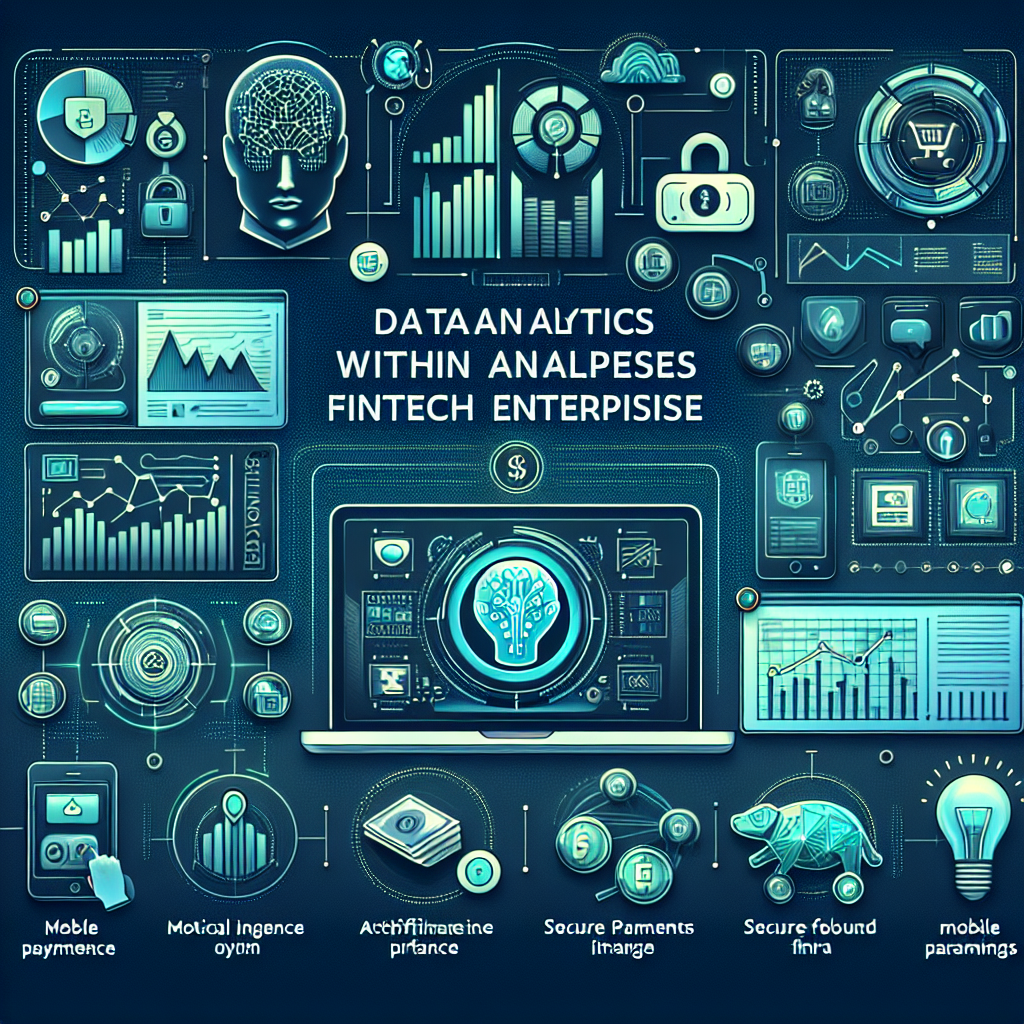
How Data Analytics Works in Fintech Enterprises

Introduction In 2025, data analytics has become the backbone of innovation and efficiency in fintech enterprises. Whether it’s for risk assessment, real-time fraud detection, customer personalization, or regulatory compliance, the strategic use of big data is redefining how fintech firms operate and scale. In this blog, we’ll explore how data analytics functions in the fintech sector, covering everything from data collection and processing to predictive modeling and business impact. Plus, discover why working with a future-ready partner like TechOTD is key to accelerating your fintech transformation journey. The Role of Data Analytics in Fintech 1. Data Collection & Integration Fintech companies ingest massive volumes of structured and unstructured data from banking transactions, payment gateways, customer interactions, IoT devices, and open banking APIs. The data stack typically involves cloud-native data lakes, robust ETL pipelines, and seamless integrations—often built by expert partners like TechOTD Web Development Services. 2. Preprocessing & Cleaning Before analysis, raw data undergoes cleaning, transformation, and normalization. This ensures that only accurate, relevant, and consistent information is carried forward. Automated workflows powered by AI-driven process monitoring and automation can catch anomalies and flag low-quality data early. 3. Real-Time Analysis & Decisioning Modern fintech relies on real-time analytics. Platforms stream data through tools like Apache Kafka or cloud-native systems, enabling instantaneous fraud detection, payment authorization, and compliance monitoring. For high-volume actions such as microtransactions or trading, milliseconds matter. 4. Predictive Modeling & Machine Learning At the core of fintech analytics are advanced AI and machine learning models that power: Credit scoring & risk assessment Fraud pattern recognition Customer segmentation & personalization Predictive portfolio management Dynamic pricing for loans and insurance AI models are developed, trained, and deployed by specialists using platforms and stacks like those offered by TechOTD’s AI Solutions, which also include model retraining and ongoing performance refinement. 5. Visualization & Business Insights Clear data visualization—think dashboards, interactive charts, automated reports—makes complex analytics understandable, actionable, and auditable for decision-makers, regulators, and partners. 6. Compliance & Data Security Regulations in finance are strict (GDPR, PSD2, local compliance). Data analytics platforms in fintech must be secure, transparent, and auditable, using encrypted flows, monitored access, and traceable changes. TechOTD’s consulting and development services include robust compliance planning baked into every solution. Key Benefits of Data Analytics in Fintech Faster and smarter decision-making Reduced fraud and operational risk Improved loan and product personalization Better regulatory reporting and auditability Higher user retention and growth rates Practical Example: AI-Powered Credit Scoring A leading fintech lender integrates open banking data and transaction histories through a secure cloud pipeline. ML models analyze applicant financial footprints in real time, generating nuanced credit ratings that outperform legacy techniques—reducing default rates and improving financial inclusion. Why Choose TechOTD for Fintech Data Analytics? Deep expertise in cloud, AI, and secure web development for finance Experience across banking, insurance, trading, and eCommerce verticals End-to-end project delivery from strategy to support Backed by glowing client testimonials—discover our services at TechOTD, About TechOTD, and Partner with Us. Conclusion Data analytics is the competitive edge that defines modern fintech. From collecting transaction data to deploying AI-driven models and visualizing actionable insights, each step unlocks new value and opportunity. If you’re looking to transform your fintech enterprise with next-level analytics, expert development, or custom AI, connect with TechOTD—and start building the future today. FAQ 1. What is the primary value of data analytics in fintech? It powers smarter decisions, reduces risk, and drives customer personalization and growth. 2. How do fintechs ensure data quality? Through automated cleaning, transformation, real-time monitoring, and specialist support from partners like TechOTD. 3. What role does AI play in fintech analytics? AI enables advanced use cases: predictive credit scoring, smart fraud detection, automated process optimization, and customer experience tailoring. 4. Is data analytics essential for compliance? Absolutely. Analytics platforms facilitate real-time compliance checks, automated reporting, and full audit trails. 5. How can TechOTD help my fintech business? By delivering secure, scalable, and innovative web, AI, and analytics solutions tailored for the financial services ecosystem—see our AI services and industry expertise

How would you like me to respond?

Select a personality for your AI assistant

Normal
Happy
Sad
Angry

Your selection will affect how the AI assistant responds to your messages

Chat Assistant

Let's discuss your project!

Hear from our clients and why 3000+ businesses trust TechOTD

Tell us what you need, and we'll get back with a cost and timeline estimate

Scroll to Top