

educational technology

Students and teachers using AI-powered education technology to personalize learning, track progress, and improve classroom experiences.
Artificial Intelligence

AI in Education: How Technology Is Changing the Way We Learn

Introduction Artificial intelligence is quickly reshaping education by making learning more personal, flexible, and efficient. What used to depend only on textbooks, classroom lectures, and one-size-fits-all lessons is now being enhanced by smart systems that can adapt to each learner’s pace and needs. AI in education is changing not only how students study, but also how teachers teach, assess, and support learning. This shift is creating a more connected and responsive learning experience for everyone involved. One of the biggest changes AI brings to education is personalization. Every student learns differently, and traditional classrooms often struggle to meet those differences at scale. AI-powered learning platforms can analyze student progress, identify weak areas, and suggest lessons or practice activities that match individual needs. This means students can spend more time on topics they find difficult and move faster through the ones they already understand. As a result, learning becomes more efficient and less frustrating. AI is also improving access to education. Students can now use intelligent tutoring systems, chatbots, and learning apps to get help outside the classroom at any time. This is especially useful for learners who need extra support, want to revise independently, or study at their own pace. Instead of waiting for the next class or a teacher’s availability, they can receive instant feedback and guidance. That level of support makes learning more continuous and convenient. Another major benefit of AI in education is smarter assessment. Teachers no longer have to rely only on manual evaluation for every learning activity. AI tools can grade quizzes, track performance trends, and highlight areas where students are struggling. This saves time for educators and allows them to focus more on teaching and mentorship. It also helps schools make better decisions because they can see learning patterns more clearly and respond faster when students need help. At the same time, AI is changing the kind of content students interact with. Learning is becoming more dynamic through video summaries, adaptive quizzes, interactive lessons, and intelligent recommendations. Instead of passively reading long lessons, students can engage with material in formats that hold attention better and improve retention. This makes education feel less rigid and more practical for modern learners. Of course, the growth of AI in education also comes with important questions. People want to know how much technology should be used, how student data should be protected, and how teachers’ roles may change in the future. Even with these concerns, one thing is clear: AI is not replacing education, but transforming it. It is helping create a system where learning can be more personalized, more accessible, and more effective than before. Conclusion AI in education is changing the way we learn by making lessons more personal, feedback faster, and learning tools more accessible. It helps students learn at their own pace while giving teachers better ways to track progress and support growth. As technology continues to improve, AI will likely become an even bigger part of classrooms and self-learning platforms. The future of education will depend on using AI wisely so that it supports human teaching instead of replacing it. FAQ What is AI in education? AI in education refers to the use of artificial intelligence tools and systems to improve teaching, learning, assessment, and student support. How does AI help students learn better? AI helps students by personalizing lessons, giving instant feedback, identifying weak areas, and recommending useful study resources. Can AI replace teachers? No, AI cannot replace teachers. It can support teaching, but human guidance, mentorship, and emotional understanding remain essential. What are examples of AI in education? Examples include chatbots, adaptive learning platforms, smart tutors, automated grading tools, and personalized study apps. Is AI useful for online learning? Yes, AI is especially useful for online learning because it helps students study independently, track progress, and get support anytime. What is the biggest advantage of AI in education? The biggest advantage is personalization, since AI can adapt learning experiences to each student’s needs and pace.
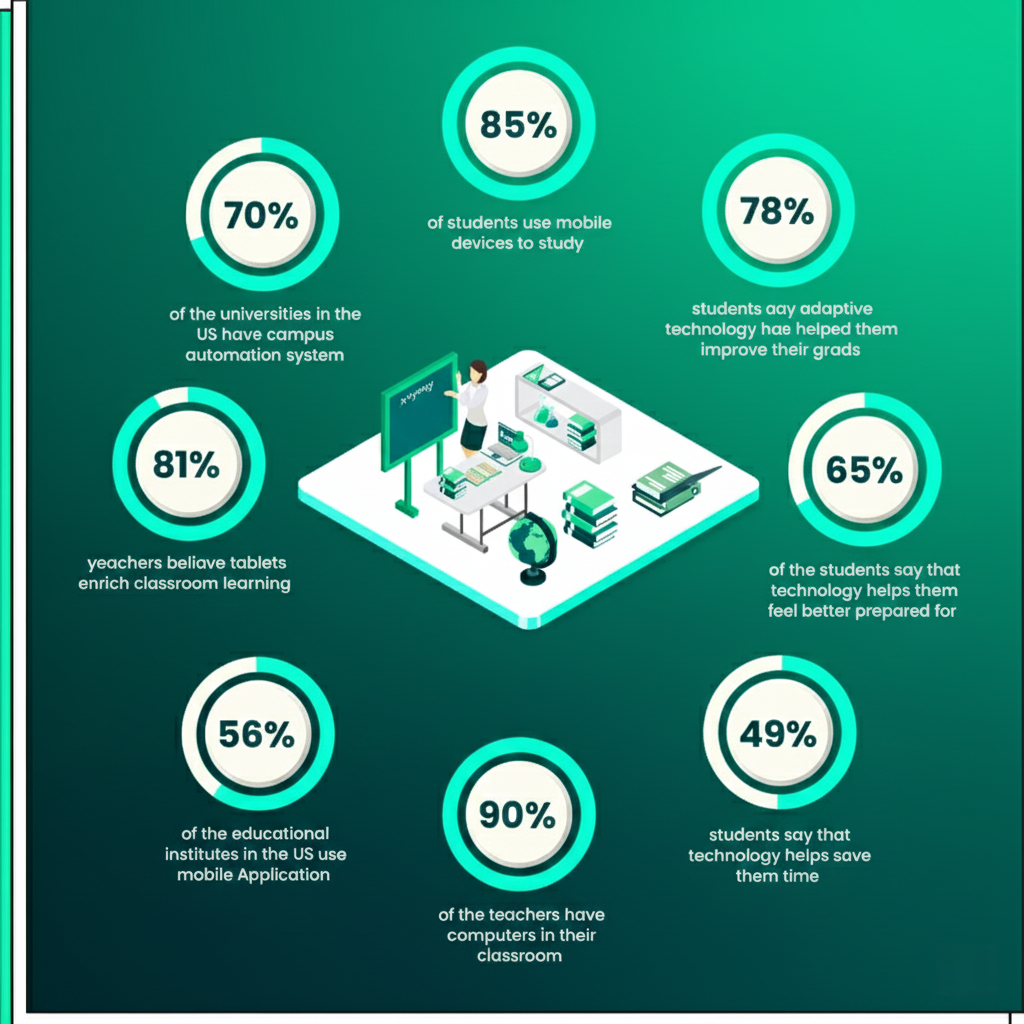
Technology transforming modern education and learning
Education & Learning

The Role of Technology in Modern Education and Learning

Introduction Technology has revolutionized nearly every aspect of modern life, and education is no exception. From digital classrooms to online learning platforms, technology has transformed how knowledge is delivered, accessed, and consumed. The integration of technology into education has expanded learning opportunities and enhanced teaching effectiveness. This blog explores the role of technology in education, its benefits, challenges, applications, and future potential. Evolution of Technology in Education Education has evolved from chalkboards to smartboards, from textbooks to digital content. This transformation has been driven by advancements in computing, internet connectivity, and mobile devices. Key Technologies Used in Education 1. Online Learning Platforms Platforms provide virtual classrooms, assessments, and collaboration tools. 2. Learning Management Systems (LMS) LMS platforms help manage courses, track progress, and deliver content. 3. Mobile Learning Smartphones and tablets enable learning anytime, anywhere. 4. Artificial Intelligence AI personalizes learning experiences and automates assessments. Benefits of Technology in Education Improved Accessibility Learners from remote areas can access quality education. Personalized Learning Technology adapts content to individual learning needs. Enhanced Engagement Interactive multimedia improves student engagement. Efficient Administration Automation reduces administrative workload. Challenges of Technology in Education Digital divide Data privacy concerns Teacher training requirements Addressing these challenges is essential for effective implementation. Technology in Classroom Learning Smart classrooms integrate: Interactive boards Digital resources Collaborative tools This enhances student participation and understanding. Impact on Teachers and Educators Technology empowers teachers by: Providing analytics Enhancing lesson delivery Supporting remote instruction Future Trends in Educational Technology AI-powered tutoring Virtual and augmented reality Gamified learning Role of Technology in Skill-Based Education Technology supports practical skill development through simulations, virtual labs, and project-based learning. Conclusion Technology plays a vital role in modern education by improving accessibility, engagement, and personalization. When implemented thoughtfully, it can significantly enhance learning outcomes. Frequently Asked Questions (FAQs) 1. How does technology improve education? It enhances accessibility, personalization, and engagement. 2. What are examples of educational technology? LMS, online platforms, AI tools, and smart classrooms. 3. Does technology replace teachers? No, it supports and enhances teaching. 4. What challenges does EdTech face? Digital divide and data privacy concerns. 5. Is technology suitable for all learners? Yes, when designed inclusively. 6. What is the future of EdTech? AI, VR, and immersive learning experiences. Connect with us: https://www.facebook.com/profile.php?id=61555452386126  

Education app developement

How Much Does It Cost to Develop a Language Learning App Like Babbel?

Introduction Language learning apps have become an indispensable tool for millions worldwide, and Babbel stands out as one of the top platforms, offering engaging, personalized lessons in over 14 languages. If you’re an entrepreneur or business looking to develop a language learning app with similar features and user experience, understanding the development costs, factors affecting them, and what goes into building such an app is crucial. This blog provides a detailed overview of the typical costs involved in building a language learning app like Babbel, the key features that influence pricing, and strategic insights to help plan your project effectively. For broader insights on AI-driven app development and technology trends, check out TechOTD’s AI services and visit their technology blog. What Makes Babbel Unique? Babbel offers a scientifically backed methodology focusing on conversational learning, bite-sized lessons (10–15 minutes), speech recognition, and personalized learning paths. Key features include: Real-life conversation practice with audio and interactive exercises Speech recognition for pronunciation feedback Review and spaced repetition systems for vocabulary retention Structured grammar lessons and cultural context materials Offline learning capability on multiple devices Subscription-based access with continuous content updates. Key Features Affecting Development Cost 1. Platform and Device Compatibility Deciding whether to launch on iOS, Android, or both affects development time and cost. Cross-platform frameworks like React Native may reduce costs but might affect performance. 2. User Registration and Profiles Basic signup, social media integration, and personalized learning dashboards add complexity. 3. Course Content Management Ability to manage a vast database of multimedia lessons, quizzes, and real-time updates. 4. Speech Recognition and AI Integration Implementing AI-powered speech recognition for real-time feedback adds significantly to development costs. 5. Gamification Elements Features like badges, leaderboards, and rewards enhance engagement but increase design and coding demands. 6. Payment Systems Subscription management with secure payment gateways integration is critical for monetization. 7. Offline Mode Allowing users to download lessons and access them without internet adds storage and syncing complexities.   Estimated Cost Breakdown Basic Language Learning App: Includes core functionalities such as user registration, lesson viewing, and standard quizzes. Estimated cost: $30,000 – $50,000 Development Time: 3-6 months Mid-Level App with Advanced Features: Incorporates speech recognition, gamification, and personalized learning paths. Estimated cost: $50,000 – $100,000 Development Time: 6-9 months Advanced App with AI and Live Tutoring: Features live classes, real-time AI interactions, and extensive content management. Estimated cost: $100,000 – $300,000+ Development Time: 9-12+ months. Other Factors Influencing Cost Design Complexity: Custom UI/UX can increase costs depending on polish and responsiveness. Development Team Location: Offshore teams can lower costs but may require robust management frameworks. Maintenance and Updates: Ongoing costs including content upgrades, bug fixes, and feature additions. Marketing and Launch: Budget separately for app store optimization, user acquisition, and branding efforts. How AI Enhances Language Learning Apps AI and machine learning enable hyper-personalization, better speech analysis, and more engaging content delivery. Investing in AI-driven components may raise initial costs but improves user retention and satisfaction significantly. Explore AI app development possibilities in TechOTD’s AI services. Conclusion Building a language learning app like Babbel is a substantial investment that balances feature richness, platform choice, and user experience. Starting with an MVP focusing on core features can control costs and validate market demand. As the app scales, adding AI and interactive elements enhances appeal and competitive edge. Consulting experienced development partners such as TechOTD can ensure a smooth project journey from concept to launch. Stay informed on app development trends via TechOTD’s blog. FAQs Q1: What is the average cost to develop a language learning app? Between $30,000 and $300,000 depending on features, platform, and AI integration. Q2: How long does it take to build an app like Babbel? Typically 3 to 12 months depending on complexity. Q3: Can AI improve language learning apps? Yes, AI enhances personalization, speech recognition, and learner engagement. Q4: What monetization strategies do apps like Babbel use? Subscription models, freemium access, and in-app purchases. Q5: Should startups build native or cross-platform apps? Both have pros and cons; cross-platform reduces costs, native apps offer better performance.

How would you like me to respond?

Select a personality for your AI assistant

Normal
Happy
Sad
Angry

Your selection will affect how the AI assistant responds to your messages

Chat Assistant

Let's discuss your project!

Hear from our clients and why 3000+ businesses trust TechOTD

Tell us what you need, and we'll get back with a cost and timeline estimate

Scroll to Top