Edge Computing

Artificial Intelligence, Digital Transformation, Software development, Technology

Navigating the Next Tech Horizon: A Human Guide to the Innovations Reshaping Our Digital World

Introduction:- Remember when “the future” meant having a computer in your pocket? Today, we carry the processing power of a mid-90s supercomputer in our jeans, and yet we find ourselves standing on the precipice of an even more radical shift. The tech world isn’t just evolving; it’s rewriting its foundational code. As we navigate through 2026, the conversations around technology have shifted from basic automation to deep, systemic intelligence. We are no longer just building better tools; we are co-authoring a new reality with our machines. From the way developers write software to how global enterprises secure their data in the cloud, the digital landscape is undergoing a massive paradigm shift. Let’s pull back the curtain on the massive shifts defining the tech world today—broken down not just in code, but in human terms. 1. The Future of AI: Beyond the Chatbot Hype For a couple of years, the world was obsessed with generative AI that could write poems or generate quirky images. But the honeymoon phase is over. The future of AI isn’t about chatbots that mimic human speech; it’s about Agentic AI—autonomous systems capable of reasoning, planning, and executing complex workflows without constant human hand-holding. From Prompting to Partnering Early AI required meticulous prompting. If you didn’t phrase your question perfectly, the output was useless. Today, AI has developed contextual awareness. We are moving from a “command-and-control” dynamic to a truly collaborative partnership. Autonomous Agents: Imagine an AI assistant that doesn’t just book a flight when asked, but monitors your calendar, anticipates a business conflict, negotiates a rescheduled meeting with a client’s AI assistant, and books the optimal flight based on your historical preferences—all in the background. Multimodal Maturity: AI now naturally processes voice, video, text, and physical gestures simultaneously. This has broken down the barriers between digital intent and physical execution. The Human Element: Emotional Intelligence (EQ) Meets AI As AI handles the heavy analytical lifting, the premium on human emotional intelligence has skyrocketed. The most successful implementations of AI aren’t those that replace humans, but those that augment human empathy, creativity, and ethical judgment. We are the directors; AI is the ultimate crew. 2. Next-Gen Software Development: The Democratization of Code The software engineering landscape is experiencing its most significant disruption since the invention of high-level programming languages. Next-gen software development is defined by a symbiosis between human intuition and AI-driven development engines. The Rise of the “Architect” Mindset Writing syntax—the actual typing of loops, brackets, and boilerplate code—is increasingly being handled by AI co-pilots. Does this mean software engineers are obsolete? Absolutely not. Instead, their role has elevated. [Traditional Development] ──> Focus on Syntax, Debugging, & Boilerplate [Next-Gen Development] ──> Focus on Architecture, System Design, & Security Developers are transitioning from code writers to system architects. The value shifts from knowing how to write a function to understanding how systems interact, scale, and remain secure. Low-Code, No-Code, and the Citizen Developer We are seeing a massive democratization of technology. Business analysts, healthcare professionals, and educators are now building sophisticated enterprise applications using natural language interfaces. By bridging the gap between an idea and a working application, innovation is no longer bottlenecked by the availability of software engineering teams. 3. Cloud Computing Trends: The Distributed Cloud and Edge Renaissance The cloud is no longer a distant, centralized data center owned by a tech giant. Current cloud computing trends point toward a hyper-distributed model where data processing happens exactly where it makes the most sense. Edge Computing Comes of Age With the proliferation of IoT devices, smart cities, and autonomous vehicles, sending data back to a central cloud server introduces unacceptable latency. Example: An autonomous vehicle traveling at 60 mph cannot wait 200 milliseconds for a cloud server to process a “stop” command. The decision must happen at the “edge”—directly within the vehicle’s onboard processing unit. Sovereign Clouds and Data Privacy Geopolitics has firmly entered the cloud space. Nations and regions are demanding that their citizens’ data remain within geographical boundaries, governed by local laws. This has led to the rise of sovereign clouds, forcing global enterprises to rethink their infrastructure to ensure compliance without sacrificing performance. 4. Cyber Resilience: Shifting from Defense to Survival In the modern tech ecosystem, a data breach is no longer a matter of if, but when. Because of this harsh reality, the conversation has shifted from traditional cybersecurity (building taller walls) to cyber resilience (how well you can take a punch and keep standing). The Zero Trust Imperative The old security model assumed that everything inside a corporate network was safe. Today’s decentralized workforce has thoroughly shattered that perimeter. “Zero Trust” operates on a simple, human-like skepticism: Never trust, always verify. Every user, device, and connection must continuously prove its identity and authorization. Preparing for the Quantum Leap While practical quantum computers are still on the horizon, the cryptographic threat they pose is already reshaping current security strategies. Bad actors are actively harvesting encrypted data today, intending to decrypt it years later when quantum computing matures. Progressive organizations are already implementing Post-Quantum Cryptography (PQC) to ensure their data remains secure tomorrow. 5. Digital Transformation 2026: The Cultural Revolution True digital transformation 2026 isn’t about buying new software or migrating to the cloud just to tick a box. It is fundamentally a cultural shift that requires organizations to fundamentally reimagine how they deliver value to humans. Breaking Down Silos For decades, IT departments lived in isolation, speaking a language the rest of the business couldn’t comprehend. True digital transformation breaks these walls down. Technology is now deeply woven into every department—from HR using predictive analytics for talent retention, to marketing utilizing real-time AI generation for hyper-personalized campaigns. The Sustainability Metric Modern digital transformation is no longer just measured in ROI (Return on Investment), but also in its environmental impact. Data centers consume massive amounts of electricity and water. Forward-thinking companies are auditing their “digital carbon footprint,” optimizing their code for energy efficiency, and choosing cloud providers that run entirely on renewable

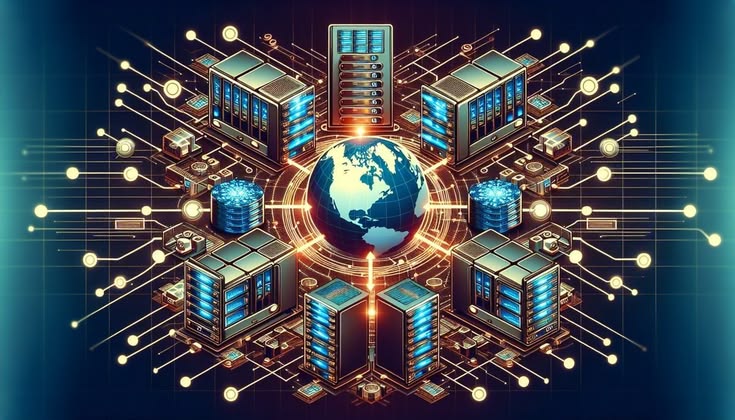
Cloud Computing and Technology, Digital Transformation, Technology, Technology & Innovation

The Future of Web Architecture: Why Edge Computing and Backendless Frameworks Are Redefining Scalability

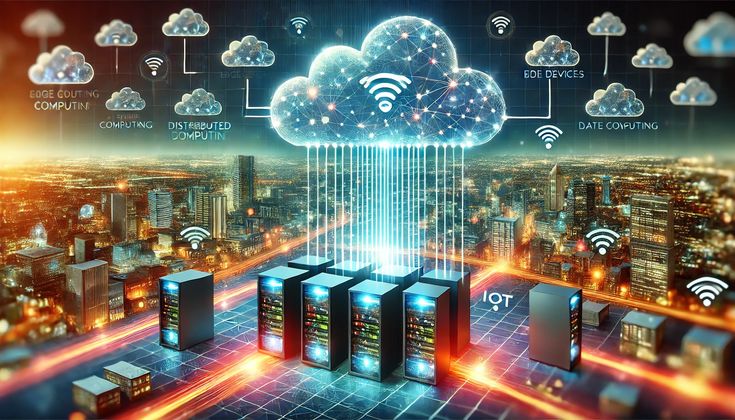
The Future of Web Architecture: Why Edge Computing and Backendless Frameworks Are Redefining Scalability The internet is undergoing a quiet but radical structural transformation. For decades, the standard blueprint for building a web application followed a predictable, centralized path. A user in Tokyo would open a browser, click a button, and send a request across continents to a massive data center located in Northern Virginia or Ireland. The server would process the request, query a central database, format the data, and send it all the way back. While fiber-optic cables and content delivery networks optimized this journey, the fundamental limitation remained: physical distance equals latency. In a digital economy where a 100-millisecond delay can slash conversion rates by double digits, relying entirely on centralized cloud warehouses is no longer a viable strategy for hyper-scale applications. At the same time, the operational overhead of managing backend infrastructure has become an unnecessary burden for modern development teams. The traditional duties of provision, scaling, patching, and maintaining database connections are increasingly viewed as friction. To solve these compounding challenges, two architectural paradigms have converged to create a new blueprint for the web: Edge Computing and Backendless Frameworks. Together, they are shifting the center of gravity of the internet away from centralized mega-data centers and placing it directly at the perimeter of the network, mere miles—or sometimes millimeters—away from the end user. This is not just an incremental upgrade to server infrastructure; it is a fundamental re-engineering of how data is processed, stored, and delivered across the globe. The Limits of Centralized Cloud Infrastructure To understand where web architecture is going, we must first analyze the breaking points of where it has been. The rise of cloud computing giants in the late 2000s revolutionized the tech industry by turning hardware into software. Instead of buying physical racks, companies rented virtual machines. This centralized model brought unprecedented convenience, but it introduced structural inefficiencies that are now catching up to modern engineering demands. The first issue is the speed of light. Data cannot travel faster than the laws of physics allow. When an application requires complex server-side rendering or dynamic database lookups, a round-trip journey to a central cloud region introduces an unavoidable floor of latency. As applications become more interactive, relying on real-time data streaming, collaborative interfaces, and instant feedback loops, this regional latency becomes a jarring user experience bottleneck. The second bottleneck is data egress and bandwidth congestion. Centralized architectures require that every single interaction, no matter how trivial, be pushed to the core network. As billions of internet-of-things devices, smartphones, and smart appliances flood the internet with telemetry and media data, backhauling this raw information to central data centers creates immense network strain and skyrocketing cloud bills. Finally, centralized systems present a concentrated blast radius for failures. When a primary cloud region experiences a routing misconfiguration or power outage, thousands of dependent services across the globe go dark simultaneously. The internet becomes brittle when its intelligence is concentrated in only a handful of geographic zones. Demystifying Edge Computing Edge computing flips the centralized model on its head by moving compute and storage capabilities out of distant data centers and into localized nodes positioned directly at the network’s perimeter. These nodes are embedded within cellular towers, regional internet service providers, and content delivery network points of presence. Instead of acting as passive pipes that merely cache static images and style sheets, modern edge networks operate as distributed mini-computers capable of executing complex code on the fly. When a user interacts with an edge-native application, their request is intercepted by the physically closest node. If code execution is required, it happens right there. By processing data at the edge, the round-trip time across the backbone of the internet is completely eliminated. Latency drops from hundreds of milliseconds to single digits. Crucially, edge computing changes how we handle data security and compliance. Instead of transmitting sensitive user information across sovereign borders to a centralized server, data can be sanitized, filtered, and anonymized locally at the edge. If local regulations require that citizen data remain within specific geographic boundaries, edge nodes can enforce these compliance rules dynamically, ensuring data sovereignty without sacrificing application performance. The Rise of Backendless and Serverless Frameworks Simultaneously, the development philosophy of “Backendless” architecture has matured from a niche experimental approach into an enterprise-grade standard. To clear up a common misconception: backendless does not mean there is no backend. It means that developers no longer build, manage, or maintain custom backend infrastructure or dedicated server instances. In a traditional setup, an engineering team spends significant time writing boilerplate code for authentication, session management, database scaling, file uploads, and API routing. They must configure load balancers to handle traffic spikes and set up monitoring tools to catch server crashes. Backendless frameworks abstract this entire layer away. Instead of writing a continuous monolithic server application, developers leverage managed, highly specialized micro-utilities and BaaS (Backend-as-a-Service) ecosystems. Authentication is handled by fully managed identity providers; file storage is offloaded to intelligent object storage systems; and custom business logic is broken down into modular, event-driven functions that execute only when explicitly triggered. This shift radically alters the economics of software development. Traditional servers run continuously, charging businesses for idle CPU cycles even when no users are online. Backendless architectures operate on a strict pay-as-you-go model. If an application receives zero traffic overnight, the infrastructure costs zero. When a massive spike of a million concurrent users hits the application, the underlying platform automatically provisions the necessary micro-resources instantly, scaling down just as quickly when the surge subsides. Developers are freed from the anxieties of infrastructure management, allowing them to focus exclusively on refining user experiences and frontend product value. The Convergence: Computational Edge Meets Managed Backends The true magic happens where edge computing and backendless frameworks intersect. For a long time, serverless functions suffered from a major flaw known as “cold starts.” Because cloud providers had to dynamically spin up a virtual container or runtime environment when a

Cloud Computing and Technology, Software development, Technology

The Ultimate Guide to WebAssembly (Wasm) at the Edge: Architecting the Next Generation of Serverless Applications

Introduction: The Paradigm Shift in Web Architecture For over a decade, cloud computing has followed a predictable trajectory: centralization followed by hyper-scale consolidation. Massive data centers owned by a handful of cloud giants became the default execution environments for modern software. However, as the demand for real-time data processing, ultra-low latency user experiences, and localized data privacy skyrocketed, the limitations of centralized cloud infrastructures became glaringly obvious. Sending a request from a mobile device in Mumbai to a data center in northern Virginia, processing it, and sending it back introduces physical, speed-of-light latency limitations that no amount of bandwidth optimization can fix. This reality birthed Edge Computing—the practice of running application logic as physically close to the end-user as possible, distributed across thousands of Points of Presence (PoPs) globally. Yet, as developers rushed to deploy applications to the edge, they hit a massive technical wall: our existing virtualization technologies were never built for this. Virtual Machines (VMs) are too heavy, taking minutes to provision and consuming gigabytes of memory. Docker containers, while highly portable, still carry significant overhead, require full operating system isolation layers, and suffer from “cold start” latencies that break the core promise of edge performance. Enter WebAssembly (Wasm). Originally designed to run high-performance compiled code inside web browsers, Wasm has broken out of the sandbox and migrated rapidly to the server side. When combined with edge computing, WebAssembly provides a lightweight, hyper-secure, instantly executing runtime that consumes a fraction of the resources required by traditional containers. It represents nothing short of a generational shift in how we architect, deploy, and scale backend applications. This comprehensive guide explores the intersection of WebAssembly and Edge Computing. We will break down its underlying mechanics, analyze how it compares to traditional virtualization, map out real-world architectural blueprints, and evaluate the current ecosystem to prepare your engineering teams for a serverless future. Section 1: Understanding WebAssembly (Wasm) Beyond the Browser To appreciate why WebAssembly is revolutionary for backend and edge architectures, we must first dismantle the misconception that it is merely a front-end optimization tool. What is WebAssembly? At its core, WebAssembly is a binary instruction format for a stack-based virtual machine. It is designed as a portable compilation target for high-level programming languages like C, C++, Rust, Go, and Zig, enabling deployment on the web and server environments alike at near-native execution speed. Wasm operates as a low-level, assembly-like language with a compact binary format. When you write code in a language like Rust or Go, instead of compiling it into machine-specific assembly (like x86_64 or ARM64), you compile it into a .wasm file. This binary file contains platform-agnostic code that can run on any host machine equipped with a WebAssembly runtime. The Core Design Principles of Wasm Wasm was built from day one on four non-negotiable pillars: Speed and Efficiency: Wasm code compiles down to a compact binary format that can be parsed and executed at near-native speed. By leveraging common hardware capabilities across platforms, the runtime can just-in-time (JIT) or ahead-of-time (AOT) compile the binary into lightning-fast machine code. Security by Default: Wasm executes within a highly restricted, sandboxed environment. A Wasm module cannot access the host machine’s file system, network, memory, or operating system APIs unless those capabilities are explicitly and granularly granted by the runtime. Open and Verifiable: Wasm is designed to be parsed, inspected, and debugged in a human-readable text format (.wat), ensuring transparency and safety during execution. Hardware and Language Agnostic: It does not matter whether your underlying server runs an Intel Xeon processor, an AMD EPYC chip, or an Apple Silicon ARM core. The same Wasm binary runs identical operations everywhere, completely decoupling the application logic from the underlying infrastructure. The Evolution to the Server Side If Wasm was designed to give web browsers the horsepower to run complex games, video editors, and CAD software, how did it end up on backend edge nodes? The breakthrough came with the realization that the web browser is actually one of the most hostile runtime environments imaginable. It must execute untrusted, arbitrary code downloaded from the internet while keeping the host user’s operating system completely safe. If a technology can achieve near-native execution speed while maintaining absolute, ironclad sandbox security inside a browser, it is perfectly suited for cloud multi-tenancy. In a multi-tenant cloud environment, providers run code from thousands of different customers on the exact same physical server. Traditionally, they used heavy VMs or complex container orchestration systems to keep those customers isolated from one another. Wasm offers a way to achieve this exact same isolation at a software level, without the massive hardware abstraction overhead. Section 2: Why Edge Computing Demands Wasm Edge computing sounds ideal in theory: distribute your application across 200 cities worldwide so that every user is less than 10 milliseconds away from an execution node. However, implementing this model with traditional infrastructure exposes severe architectural pain points. Wasm addresses these challenges directly. The Problem with Edge Constraints Unlike centralized data centers, which feature seemingly infinite pools of power, cooling, and rack space, edge nodes are often resource-constrained. They may be small server arrays in regional telecom hubs, retail backrooms, or embedded devices out in the field. When distributing microservices to hundreds of edge nodes, you face two primary resource constraints: Memory Footprint: Running thousands of isolated customer containers requires significant RAM overhead for OS kernels, runtimes, and shared libraries. Cold Start Latency: In serverless architectures, code scales down to zero when not in use to save resources. When a new request arrives, the system must spin up the execution environment. For traditional containers, this “cold start” can take anywhere from several hundred milliseconds to multiple seconds—completely neutralizing the latency benefits of edge deployment. How Wasm Solves the Edge Crisis WebAssembly changes the mathematical equation of edge computing through three key performance characteristics: +——————————————————————-+ | Wasm Edge Advantages | +——————————————————————-+ | 1. Microsecond Cold Starts -> Instantly boots up in < 10µs | | 2. Minimal Memory Footprint -> Individual modules

Artificial Intelligence, Educational Technology

How Edge AI Is Powering the Next Generation of Smart Devices

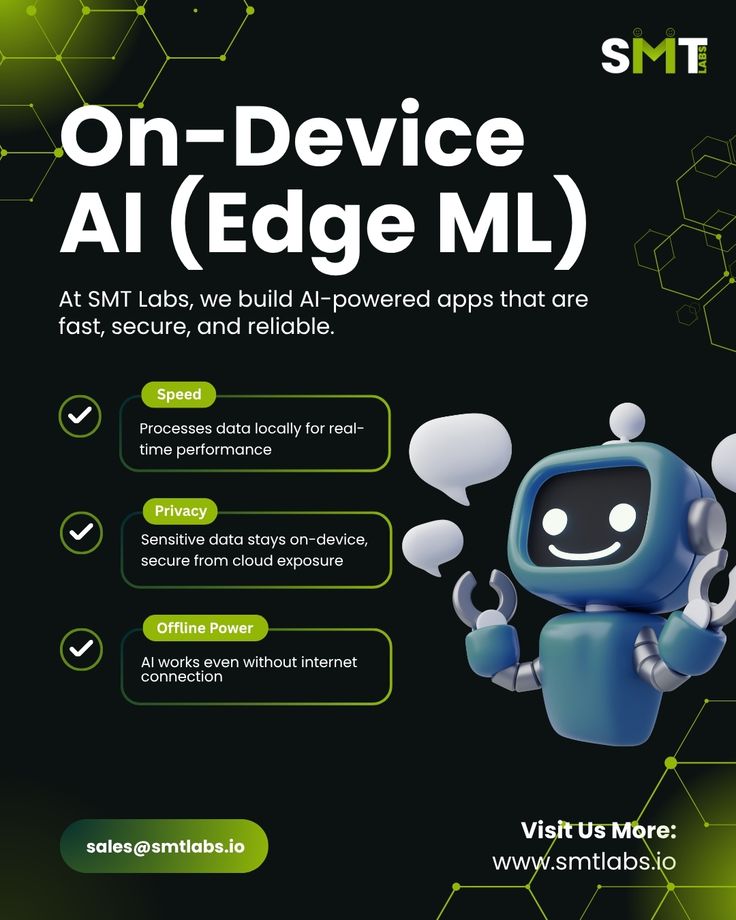
How Edge AI Is Powering the Next Generation of Smart Devices Artificial Intelligence has become one of the most influential technologies of the modern digital era. Over the past few years, AI applications have evolved from cloud-based systems to more efficient and responsive solutions capable of operating directly on devices. This shift has given rise to Edge AI, a transformative technology that is changing the way smart devices function and interact with users. From smartphones and smart speakers to industrial robots and healthcare monitoring systems, Edge AI is enabling devices to process information locally instead of relying entirely on remote cloud servers. This approach is making devices faster, smarter, more secure, and capable of delivering real-time experiences that were previously difficult to achieve. As businesses and consumers continue to demand intelligent technologies that provide instant responses while protecting sensitive data, Edge AI is emerging as a critical component of next-generation smart devices. Understanding how this technology works and why it matters can help organizations and individuals prepare for the future of connected technology. What Is Edge AI? Edge AI refers to the deployment of artificial intelligence algorithms directly on hardware devices located at the “edge” of a network. Instead of sending data to cloud data centers for processing, the device itself performs AI computations locally. The term “edge” refers to devices positioned close to where data is generated. Examples include: Smartphones Smart cameras Smartwatches Industrial sensors Autonomous vehicles Medical devices Smart home appliances Retail monitoring systems By integrating AI capabilities directly into these devices, organizations can significantly reduce the need for constant cloud communication while improving performance and responsiveness. For example, when a smartphone uses facial recognition to unlock instantly, much of the processing happens directly on the device rather than being sent to a remote server. This local processing is a practical example of Edge AI in action. Why Edge AI Is Gaining Momentum Several technological developments are driving the rapid adoption of Edge AI across industries. The growth of Internet of Things (IoT) devices has resulted in billions of connected systems generating enormous amounts of data every day. Sending all this information to centralized cloud environments can create bandwidth limitations, increase costs, and introduce delays. At the same time, consumers have become more concerned about privacy and data security. Organizations are looking for ways to process information without exposing sensitive data to external servers. Advancements in AI chips, neural processing units (NPUs), and specialized hardware accelerators have also made it possible to run sophisticated AI models on compact devices with limited power consumption. These factors have created the ideal environment for Edge AI to flourish. How Edge AI Works Edge AI combines machine learning models with specialized hardware capable of performing complex calculations efficiently. The process generally follows these steps: Data Collection Sensors, cameras, microphones, and connected components collect information from the surrounding environment. Local Processing The device processes the data using embedded AI models. Instead of transmitting raw data to a cloud server, the analysis occurs locally. Decision Making Based on the processed information, the AI model makes decisions or predictions in real time. Action Execution The device performs the necessary action immediately, such as sending alerts, adjusting settings, recognizing objects, or responding to voice commands. Optional Cloud Synchronization Some devices periodically connect to cloud platforms for updates, training improvements, or data backups while keeping most real-time operations local. This architecture dramatically improves efficiency while reducing dependency on internet connectivity. Key Benefits of Edge AI The increasing popularity of Edge AI is largely driven by the advantages it offers over traditional cloud-based AI systems. Faster Response Times One of the biggest advantages of Edge AI is reduced latency. When data must travel to a cloud server and back, delays can occur. In applications such as autonomous vehicles or industrial automation, even a few milliseconds can be critical. By processing data directly on the device, Edge AI delivers immediate responses that improve user experiences and operational efficiency. Enhanced Privacy and Security Data privacy has become a major concern for businesses and consumers. Edge AI helps address these concerns by keeping sensitive information on the device rather than transmitting it across networks. For example: Medical devices can analyze patient data locally. Security cameras can identify threats without storing footage in the cloud. Smartphones can process biometric information without external servers. This approach reduces exposure to cyber threats and helps organizations comply with data protection regulations. Reduced Bandwidth Usage Transmitting large amounts of data to cloud platforms requires significant network resources. Edge AI minimizes bandwidth consumption because only relevant insights or summarized information need to be transmitted. This capability is particularly valuable in remote environments where network connectivity may be limited or expensive. Improved Reliability Many smart devices operate in environments where internet connectivity is inconsistent. Since Edge AI functions locally, devices can continue working even when network access is unavailable. This reliability is essential for industries such as manufacturing, transportation, healthcare, and defense. Lower Operational Costs Cloud computing costs can increase rapidly as organizations process larger volumes of data. By performing AI tasks at the edge, companies can reduce cloud storage, bandwidth expenses, and server processing requirements. This cost efficiency makes AI deployment more accessible for businesses of all sizes. Edge AI in Smartphones Modern smartphones are among the most common examples of Edge AI. Manufacturers increasingly incorporate AI accelerators that enable advanced features such as: Facial recognition Voice assistants Real-time translation Photography enhancement Predictive text suggestions Battery optimization Spam call detection Because these capabilities run directly on the device, users experience faster performance while maintaining greater privacy. The latest generation of smartphones continues to demonstrate how Edge AI can improve everyday digital experiences without relying heavily on cloud infrastructure. Smart Homes Powered by Edge AI The smart home ecosystem is rapidly evolving thanks to Edge AI technologies. Smart devices can now make intelligent decisions locally rather than waiting for cloud instructions. Examples include: Smart Security Systems AI-powered cameras can detect suspicious activities, recognize faces, and differentiate between

Cloud Computing and Technology, Digital Transformation, Technology

The Rise of Edge Computing: Why Processing Data Closer Matters

The Rise of Edge Computing: Why Processing Data Closer Matters The digital world is generating more data than ever before. Every smartphone notification, smart home device, connected vehicle, industrial sensor, and online interaction contributes to an ever-growing stream of information. For years, businesses have relied on cloud computing to store, manage, and process this data. While cloud technology revolutionized the way organizations operate, the explosion of connected devices has revealed a critical challenge: speed. Imagine a self-driving car traveling at high speed. If it encounters an obstacle, it cannot afford to send data to a distant cloud server, wait for processing, and then receive instructions. Even a delay of a few milliseconds could have serious consequences. The same challenge exists in manufacturing plants, healthcare facilities, smart cities, and countless other environments where immediate decisions are essential. This is where edge computing enters the picture. Edge computing is changing how organizations process information by bringing computing power closer to where data is created. Instead of sending every piece of information to a centralized cloud, data can be analyzed and acted upon near the source itself. This shift is helping businesses improve performance, reduce latency, enhance security, and unlock entirely new possibilities for innovation. As technologies like artificial intelligence, the Internet of Things (IoT), and 5G continue to evolve, edge computing is rapidly becoming one of the most important pillars of modern digital infrastructure. Understanding Edge Computing At its core, edge computing refers to processing data near the device or location where it is generated rather than transmitting it to a centralized data center or cloud server. Traditionally, data generated by devices would travel across networks to cloud servers where it would be processed and stored. The results would then be sent back to the device or application. While this approach works well for many scenarios, it introduces delays that can become problematic when immediate responses are required. Edge computing addresses this challenge by moving computing resources closer to the “edge” of the network. The edge can be a local server, a gateway device, a factory machine, a retail system, or even the device itself. Rather than depending entirely on distant cloud infrastructure, edge devices can analyze information in real time and make decisions instantly. The cloud still plays an important role, but it becomes part of a larger ecosystem where processing is distributed intelligently. This approach significantly improves efficiency while enabling applications that would be difficult or impossible to support through cloud-only architectures. Why the Need for Edge Computing Is Growing The rise of edge computing is closely connected to the rapid growth of connected devices. Industry experts estimate that billions of IoT devices are now generating massive volumes of data every day. From wearable fitness trackers and smart thermostats to industrial robots and connected vehicles, these devices continuously produce information that requires processing. Sending every bit of this data to the cloud creates several challenges. First, network congestion becomes a concern. The more data that travels across networks, the greater the strain on bandwidth resources. Second, latency can negatively impact user experiences and operational efficiency. Applications requiring real-time responses cannot tolerate delays. Third, transmitting large volumes of data to the cloud increases costs associated with bandwidth and storage. Finally, organizations face growing concerns about privacy, security, and regulatory compliance. Edge computing helps solve these issues by allowing data to be processed locally while only transmitting relevant information to the cloud when necessary. As businesses continue to embrace digital transformation, the demand for faster and more intelligent processing is making edge computing increasingly valuable. The Latency Advantage One of the biggest reasons organizations invest in edge computing is latency reduction. Latency refers to the time it takes for data to travel from its source to a processing location and back again. Even small delays can create significant problems in certain applications. Consider a smart manufacturing facility where machines operate with incredible precision. Sensors continuously monitor temperature, pressure, vibration, and performance metrics. If a machine begins to malfunction, immediate action may be required to prevent costly downtime. With cloud-based processing, the delay involved in transmitting data could slow down response times. Edge computing enables instant analysis directly within the facility, allowing maintenance teams to address issues before they escalate. The same principle applies to autonomous vehicles, remote healthcare monitoring, financial trading systems, and augmented reality applications. By processing data closer to where it originates, organizations can achieve near-instant decision-making capabilities. Enhancing Real-Time Decision Making Modern businesses increasingly rely on real-time insights to remain competitive. Customers expect immediate responses. Operations demand continuous optimization. Systems need to adapt dynamically to changing conditions. Edge computing supports these requirements by enabling faster decision-making at the source. For example, a smart retail store can use edge-powered cameras and sensors to analyze customer behavior in real time. Store managers can monitor foot traffic, optimize product placement, and improve customer experiences without waiting for cloud-based analytics. Similarly, healthcare providers can use edge-enabled monitoring devices to track patient vitals continuously. If a patient’s condition changes suddenly, alerts can be generated instantly, potentially saving lives. The ability to process information in real time creates opportunities that extend far beyond simple efficiency improvements. It enables businesses to become more proactive, responsive, and intelligent. Edge Computing and the Internet of Things The Internet of Things and edge computing are closely connected technologies. IoT devices generate enormous amounts of data, much of which requires immediate analysis. Without edge computing, organizations would struggle to manage this growing information flow effectively. Imagine a smart city equipped with thousands of connected sensors monitoring traffic, air quality, public transportation, and energy usage. If every sensor continuously transmitted data to centralized cloud systems, network infrastructure could quickly become overwhelmed. Edge computing allows local processing to occur near these sensors. Relevant insights can be generated instantly while only critical data is sent to the cloud for long-term analysis. This approach improves performance, reduces network traffic, and enhances overall system reliability. As IoT adoption continues to accelerate, edge computing will

App Development, Artificial Intelligence, Software development

AI-Powered Mobile Applications

AI-Powered Mobile Applications: The Ultimate Blueprint for Next-Gen Enterprise Mobility (2026) The mobile app landscape has undergone a profound shift. For years, mobile applications were built as sleek, deterministic user interfaces—gateways that wrapped around backend databases to let users manually input data, scroll through static feeds, and toggle basic settings. Today, the paradigm has completely flipped. Enterprises are no longer building apps that wait for user instructions. Instead, they are deploying AI-Powered Mobile Applications: context-aware, hyper-personalized, intelligent ecosystems that run complex neural networks locally on device hardware, process multimodal real-time streams, and predict user intent before a single button is tapped. This comprehensive guide serves as an enterprise-grade blueprint for product leaders, mobile architects, and digital transformation executives aiming to design, secure, and scale the next generation of mobile experiences. 1. The Architectural Shift: Cloud AI vs. On-Device Edge AI When engineering an AI-powered mobile application, the foundational architectural decision revolves around where the cognitive processing occurs: in the cloud via remote APIs, or natively on the device using specialized silicon. +———————————————————————–+ | MOBILE AI COMPUTE ARCHITECTURE | +———————————————————————–+ | CLOUD-BASED AI | ON-DEVICE EDGE AI | | “High Latency & Powerful” | “Zero Latency & Private” | | • Processes massive multi-billion | • Runs optimized, compressed models | | parameter models via remote APIs | directly on mobile NPUs | | • Dependent on constant connectivity | • Functions flawlessly offline | | • Variable token and network costs | • Maximum privacy for sensitive PII | +———————————–+———————————–+ The Cloud AI Model (Server-Side) Cloud-centric mobile apps rely on sending user inputs (text, images, audio) over network protocols to massive enterprise model APIs (like OpenAI, Claude, or Gemini Enterprise). While this grants the application access to immense computational reasoning, it introduces significant bottlenecks for mobile users: network latency, high cloud token costs, and a total dependency on cellular connectivity. The On-Device Edge AI Model (Client-Side) Modern mobile chipsets feature highly advanced, dedicated Neural Processing Units (NPUs). By utilizing model optimization techniques like quantization and pruning, developers can compress specialized Large Language Models (LLMs) and computer vision frameworks to run directly on the smartphone. This approach unlocks near-zero latency, operates entirely offline, and guarantees that sensitive user metrics never leave the local hardware. 2. High-Impact Use Cases for Enterprise Mobile AI Integrating intelligent capabilities natively into mobile apps fundamentally alters how workforce teams and consumers interact with software on the move. A. Real-Time Field Operations and Multimodal Augmented Reality The Friction Point: Field engineers and maintenance crews waste critical hours flipping through multi-hundred-page technical manuals on tiny screens while attempting to repair complex machinery. The AI Automation Solution: An AI-powered field application uses the device’s camera feed to analyze hardware configurations natively. By processing the video frames in real time, the mobile app identifies specific mechanical parts, diagnoses visible wear and tear, and overlays step-by-step augmented reality (AR) repair schematics directly onto the physical components. The technician can speak naturally to the app to log completed steps, completely hands-free. B. Hyper-Personalized Predictive User Interfaces (UI/UX) The Friction Point: Mobile layouts are traditionally static, forcing users to repeatedly navigate complex menus and tap through numerous screens to complete daily, repetitive workflows. The AI Automation Solution: On-device machine learning algorithms continuously analyze localized usage patterns, geographic locations, time-of-day variables, and biometric data. If the app recognizes that a logistics manager opens the app every weekday at 8:00 AM at a specific warehouse to review freight manifests, the interface automatically reconfigures itself. It elevates those specific data metrics and shortcuts directly to the home screen before the user searches for them. C. Offline Intelligent Data Ingestion and Document Auditing The Friction Point: Sales representatives, insurance adjusters, and medical couriers operating in remote environments with spotty internet connections are blocked from processing applications, forms, and receipts. The AI Automation Solution: Leveraging local vision models, the mobile application transforms the device camera into an intelligent parsing scanner. It extracts structured information from physical documents, translates multi-language text instantly, and runs client-side validation logic to check for compliance errors or missing signatures entirely offline—syncing securely back to corporate servers the moment a network connection is re-established. 3. Technical Stack for Intelligent Mobile Development Building a stable, scalable AI application requires choosing the right software frameworks to interface with native mobile operating systems. [Mobile App Codebase: Swift / Kotlin] —> [Hardware Acceleration Layer: CoreML / NNAPI] —> [Device NPU Silicon] The iOS Ecosystem: Apple CoreML and Apple Intelligence For applications targeting the Apple ecosystem, CoreML serves as the primary machine learning framework. It automatically optimizes models to run across the CPU, GPU, and Apple’s specialized Apple Neural Engine (ANE). This framework gives mobile developers the power to implement advanced on-device text generation, image segmentation, and voice recognition with minimal impact on device battery life. The Android Ecosystem: TensorFlow Lite and Android NNAPI The Android landscape is highly fragmented across multiple hardware manufacturers. To achieve consistent performance, developers rely on TensorFlow Lite (TFLite) or PyTorch Mobile, coupled with the Android Neural Network API (NNAPI). This abstraction layer directs the application to leverage whatever hardware acceleration is available on the specific device, ensuring efficient execution across diverse Android ecosystems. Cross-Platform Alternatives For teams building apps via cross-platform frameworks like React Native or Flutter, bridging to on-device AI requires wrapping native CoreML and TFLite modules or using unified web-assembly solutions. While highly effective for basic image classification or semantic text manipulation, high-performance real-time video processing still benefits greatly from native Swift or Kotlin execution. 4. Design Principles for AI Mobile User Experiences Designing user interfaces for intelligent, probabilistic mobile applications requires abandoning many traditional web-based assumptions. Designing for Non-Deterministic Outputs Traditional apps output predictable results. AI apps, however, operate on probability. Designers must implement micro-interactions that communicate system confidence. For instance, if an app automatically scans a barcode or transcribes a vocal note, it should visually highlight areas where the AI’s confidence score dipped below a specific threshold, allowing the user to tap and manually verify that specific data

Digital cloud network symbolizing data storage and online connectivity.
Cloud Computing and Technology

The Role of Cloud Computing in Digital Transformation

Introduction In today’s rapidly evolving digital world, cloud computing has emerged as the foundation of transformation across industries. From startups to Fortune 500 companies, organizations are migrating their systems, applications, and data to the cloud to unlock agility, scalability, and innovation. Digital transformation is not merely about adopting technology — it’s about reimagining how a business operates, delivers value, and interacts with customers. Cloud computing makes this possible by providing on-demand access to computing resources that drive automation, data analytics, and artificial intelligence — without the constraints of physical infrastructure. This blog explores how cloud computing is shaping the digital era, its benefits, key technologies, challenges, and its indispensable role in driving business modernization. What is Cloud Computing? Cloud computing refers to the delivery of computing services — such as servers, storage, databases, networking, software, and analytics — over the internet (“the cloud”). Instead of owning and maintaining hardware, organizations rent access from cloud providers like Amazon Web Services (AWS), Microsoft Azure, and Google Cloud Platform (GCP). Cloud computing enables flexibility, cost-efficiency, and scalability, making it easier for companies to innovate and compete globally. The Three Main Types of Cloud Computing Infrastructure as a Service (IaaS):Provides virtualized computing resources like servers, storage, and networking.Example: AWS EC2, Google Compute Engine. Platform as a Service (PaaS):Offers a platform for developers to build, run, and manage applications without managing infrastructure.Example: Microsoft Azure App Service, Heroku. Software as a Service (SaaS):Delivers software applications via the internet on a subscription basis.Example: Google Workspace, Salesforce, Zoom. Cloud Deployment Models Public Cloud: Services offered over the internet, accessible to multiple users. (e.g., AWS, Azure) Private Cloud: Dedicated cloud infrastructure for a single organization, offering greater control and security. Hybrid Cloud: A combination of public and private clouds for flexibility and workload optimization. Multi-Cloud: Using multiple cloud providers to avoid vendor lock-in and improve resilience. The Role of Cloud Computing in Digital Transformation 1. Enabling Agility and Innovation Cloud platforms allow businesses to deploy and scale applications instantly. Developers can test new ideas faster without waiting for physical infrastructure, fostering a culture of innovation. 2. Empowering Data Analytics and AI Cloud computing provides scalable storage and computational power for big data analytics, machine learning, and AI-driven insights.Companies can analyze massive datasets in real-time to improve decision-making and customer personalization. 3. Enhancing Collaboration and Productivity Cloud tools like Google Workspace, Microsoft 365, and Slack enable real-time collaboration across teams worldwide, boosting productivity and connectivity. 4. Strengthening Cybersecurity Modern cloud platforms offer advanced encryption, identity management, and AI-powered threat detection to protect sensitive data.For example, Microsoft Azure Security Center continuously monitors cloud environments for vulnerabilities. 5. Cost Efficiency and Scalability Cloud computing eliminates the need for large upfront hardware investments. Businesses pay only for the resources they use, scaling up or down as demand changes. 6. Supporting Remote Work The pandemic accelerated the shift to remote work — and cloud-based tools made it possible. Employees can securely access applications and files from anywhere, anytime. 7. Business Continuity and Disaster Recovery Cloud providers offer redundancy and backup solutions, ensuring business continuity even in the face of system failures or disasters. Real-World Examples of Cloud-Driven Digital Transformation 1. Netflix Netflix uses AWS to stream video content globally. Cloud scalability allows it to handle millions of users simultaneously while analyzing viewing patterns for recommendations. 2. Airbnb Airbnb relies on cloud computing for hosting its marketplace, managing bookings, and processing real-time analytics to enhance user experiences. 3. NASA NASA uses the cloud to store and share space exploration data securely and efficiently across research teams worldwide. 4. Spotify Spotify leverages Google Cloud for AI-driven music recommendations, improving user engagement and retention. Benefits of Cloud Computing in Digital Transformation Scalability: Easily adjust computing resources based on demand. Flexibility: Deploy applications and services faster across multiple regions. Innovation: Accelerates AI, IoT, and data analytics capabilities. Reduced Costs: Cuts hardware and maintenance expenses. Security and Compliance: Offers robust security frameworks with global compliance standards. Sustainability: Cloud providers use energy-efficient data centers, reducing carbon footprints. Challenges in Cloud Adoption Data Privacy and Compliance: Handling sensitive information across borders can raise legal issues. Vendor Lock-In: Dependence on one provider may limit flexibility. Downtime and Service Reliability: Internet outages can disrupt access to cloud services. Security Risks: Misconfigurations or weak access controls may lead to breaches. Cost Management: Unmonitored usage can lead to unexpected expenses. Emerging Trends in Cloud Computing 1. Multi-Cloud Strategies Organizations are increasingly adopting multi-cloud environments to avoid dependence on a single provider and enhance resilience. 2. Edge Computing Integration Combining cloud and edge computing allows data to be processed closer to the source for faster response times. 3. Serverless Architecture Developers can deploy code without managing servers, improving scalability and reducing operational costs. 4. Cloud-Native Applications Microservices and containerization (via Docker and Kubernetes) enable faster, more agile software development. 5. AI-Driven Cloud Management AI helps optimize cloud performance, automate resource allocation, and detect security threats proactively. Cloud Computing and Sustainability Cloud computing is playing a crucial role in achieving green IT goals. Major providers are investing in renewable energy and energy-efficient data centers.For example, Google Cloud aims to run entirely on carbon-free energy by 2030, setting a benchmark for sustainable digital transformation. Conclusion Cloud computing is the backbone of digital transformation — enabling businesses to become more agile, data-driven, and customer-focused.It breaks traditional IT barriers, accelerates innovation, and empowers organizations to adapt to rapidly changing markets. As companies continue to embrace cloud-based ecosystems, the future will belong to those who combine the power of cloud, AI, and edge technologies to deliver smarter, faster, and more sustainable digital solutions. FAQs 1. What role does cloud computing play in digital transformation? Cloud computing provides flexible, scalable, and cost-effective IT infrastructure that enables digital transformation across industries. 2. How does cloud computing improve business efficiency? It automates operations, enhances collaboration, and allows rapid deployment of applications without large capital investment. 3. What are examples of cloud-based tools used in business? Google Workspace, AWS, Microsoft Azure, Salesforce, and Slack

Aerial view of a modern smart city connected through digital IoT networks and data visualization.
Internet of Things

Internet of Things (IoT) in Smart Cities: Building the Future of Urban Living

Introduction Cities around the world are becoming smarter — not just in infrastructure but in the way they collect, process, and use data to improve citizens’ lives. At the heart of this revolution lies the Internet of Things (IoT), a network of interconnected devices that communicate in real-time to make urban environments more efficient, sustainable, and livable. From intelligent traffic lights that ease congestion to connected sensors that monitor air quality, IoT is transforming urban life into a seamless, data-driven ecosystem. By 2025, the global smart city market is projected to surpass $1 trillion, with IoT technologies leading the charge. This blog explores how IoT is powering smart cities, its applications, benefits, challenges, and what the future holds for this transformative technology. What is the Internet of Things (IoT)? The Internet of Things refers to a network of physical objects — devices, vehicles, sensors, and appliances — connected via the Internet to exchange and process data automatically. In smart cities, IoT devices play a crucial role in collecting real-time data on parameters such as traffic, energy usage, air pollution, water quality, and public safety. This data is then analyzed to improve city management and deliver better public services. Example:Smart waste bins equipped with IoT sensors notify municipal authorities when they’re full, optimizing garbage collection routes and saving resources. How IoT is Transforming Smart Cities 1. Smart Traffic Management Traffic congestion is one of the biggest challenges for urban areas. IoT-enabled intelligent traffic systems use sensors, cameras, and GPS data to monitor road conditions and traffic density in real-time. These systems automatically adjust traffic lights, reroute vehicles, and provide live traffic updates to commuters via apps like Google Maps or Waze. Result: Reduced travel time, lower fuel consumption, and fewer emissions. 2. Smart Energy and Utilities IoT-based smart grids and energy meters optimize electricity consumption across cities. Sensors track energy usage patterns, detect power outages, and balance supply and demand more efficiently. Example:Streetlights embedded with motion sensors automatically adjust brightness based on movement, saving up to 60% in energy costs. In addition, smart water meters help detect leaks early, reducing water waste — a critical advantage for cities facing water scarcity. 3. Waste Management and Sanitation IoT sensors in waste bins monitor fill levels and send alerts when collection is required. This eliminates unnecessary trips, reduces fuel consumption, and ensures cleaner urban environments. Example:Barcelona’s smart waste management system uses IoT-enabled vacuum tubes that automatically transport garbage to central collection points. 4. Public Safety and Surveillance IoT-powered CCTV networks, smart streetlights, and emergency response systems help enhance public safety. Real-time monitoring enables faster response to crimes, accidents, or natural disasters. Example:Smart cameras can detect unusual behavior or abandoned objects in crowded areas, alerting authorities instantly. 5. Smart Buildings and Infrastructure IoT sensors make buildings more energy-efficient and comfortable. Smart HVAC systems automatically adjust temperature based on occupancy, while predictive maintenance tools detect potential equipment failures before they occur. In addition, IoT-enabled elevators, lighting, and water systems help reduce operational costs and enhance sustainability. 6. Smart Mobility and Public Transport Public transport systems in smart cities are integrated with IoT for real-time tracking, contactless payments, and route optimization. Example:Singapore’s public transport uses IoT data to adjust bus frequencies based on passenger demand and traffic flow, improving efficiency and reducing waiting times. 7. Environmental Monitoring IoT sensors track air quality, noise levels, and water contamination, helping cities identify pollution hotspots and enforce environmental regulations. Example:In Copenhagen, smart air quality sensors installed on lampposts continuously measure CO₂ and particulate matter levels to promote cleaner air initiatives. Benefits of IoT in Smart Cities Improved Efficiency: Automated systems optimize resource usage and reduce human error. Enhanced Quality of Life: Citizens experience smoother transportation, better safety, and cleaner environments. Cost Savings: Real-time data allows cities to reduce energy, labor, and maintenance expenses. Sustainability: IoT solutions support eco-friendly policies by reducing waste and emissions. Data-Driven Governance: Governments can make smarter decisions based on real-time analytics. Challenges in Implementing IoT for Smart Cities While IoT offers immense benefits, several challenges must be addressed: Data Security and Privacy: IoT devices collect massive amounts of personal data, raising concerns about unauthorized access. Interoperability: Integrating devices from multiple manufacturers remains complex. Infrastructure Costs: Upgrading legacy systems for IoT compatibility requires significant investment. Network Reliability: IoT depends heavily on stable, high-speed connectivity — something still lacking in many regions. Data Overload: Managing and analyzing terabytes of data daily demands powerful computing resources and AI tools. The Role of AI and Edge Computing in Smart Cities To process the massive data generated by IoT, AI and edge computing are becoming vital. AI (Artificial Intelligence): Helps interpret data patterns to predict issues, optimize energy usage, or improve traffic flow. Edge Computing: Processes data closer to where it’s generated, reducing latency and bandwidth costs while ensuring real-time decisions. Together, they create an intelligent ecosystem capable of self-regulation and autonomous decision-making. The Future of IoT in Smart Cities By 2030, IoT will be deeply integrated into urban life: Autonomous vehicles will communicate with smart infrastructure. AI-driven city dashboards will predict and prevent issues before they occur. Blockchain technology may secure IoT data sharing across government agencies. Digital twins — virtual models of cities — will simulate real-time urban dynamics for better planning. Smart cities will evolve into living digital organisms, constantly learning, adapting, and improving based on citizen needs. Conclusion The Internet of Things is not just shaping smart cities — it’s redefining urban living altogether. As sensors, AI, and edge computing unite, cities will become more connected, sustainable, and responsive than ever before. However, success depends on balancing innovation with data privacy, security, and inclusive governance. The true vision of a smart city is one where technology empowers people — not the other way around. FAQs 1. What is the role of IoT in smart cities? IoT connects devices and sensors across a city to collect data, automate systems, and improve efficiency in areas like traffic, energy, and safety. 2. How does IoT improve urban sustainability?

5G network tower with digital signal visualization representing next-generation wireless technology.
telecom

The Future of 5G and Connectivity

Introduction The world is becoming increasingly connected, and 5G technology stands at the center of this transformation. As the fifth generation of wireless communication, 5G promises to revolutionize the way people and devices interact. It offers lightning-fast speeds, ultra-low latency, and the capacity to support billions of connected devices simultaneously. From smart cities and autonomous vehicles to remote surgeries and immersive AR/VR experiences, the potential of 5G extends far beyond mobile networks. This blog explores the future of 5G and connectivity, how it differs from previous generations, its applications across industries, the challenges ahead, and how it will shape the digital world in the coming decade. What is 5G and How Does It Work? 5G is the fifth generation of cellular network technology, succeeding 4G LTE. It is designed to deliver: Higher data speeds (up to 100x faster than 4G) Lower latency (as low as 1 millisecond) Greater network reliability Increased capacity to connect multiple devices simultaneously 5G networks operate on three frequency bands: Low-band: Wide coverage but lower speed (similar to 4G). Mid-band: Balanced speed and coverage, ideal for cities. High-band (mmWave): Extremely fast but limited coverage — perfect for high-density areas like stadiums or urban centers. This combination ensures a flexible, scalable network that can adapt to different environments and user demands. Key Features of 5G Technology Ultra-Low Latency: Enables real-time communication, crucial for remote surgeries or autonomous vehicles. Massive Device Connectivity: Supports the Internet of Things (IoT) ecosystem, connecting sensors, wearables, and smart home devices seamlessly. Enhanced Speed and Bandwidth: Delivers gigabit-level download and upload speeds. Energy Efficiency: Uses advanced network slicing and intelligent routing to reduce power consumption. Network Slicing: Allows telecom providers to create customized virtual networks for specific industries — e.g., healthcare, logistics, or gaming. How 5G Will Transform Industries 1. Healthcare 5G will redefine telemedicine, remote patient monitoring, and robotic surgeries. Doctors can perform procedures remotely with near-zero latency. Real-time data sharing between medical devices will improve diagnostics and treatment accuracy. 2. Manufacturing Through smart factories, 5G enables machine-to-machine communication, real-time analytics, and predictive maintenance. This leads to reduced downtime, increased productivity, and improved worker safety. 3. Transportation 5G supports autonomous vehicles by enabling real-time communication between cars, infrastructure, and cloud systems. It ensures faster decision-making and enhances traffic management, making roads safer and more efficient. 4. Entertainment and Gaming Ultra-fast speeds and minimal lag will revolutionize online gaming, virtual reality (VR), and augmented reality (AR) experiences. Cloud gaming platforms like NVIDIA GeForce NOW and Xbox Cloud Gaming will perform seamlessly on 5G networks. 5. Smart Cities From intelligent traffic control to real-time surveillance and energy management, 5G will power smart city infrastructures, improving the quality of life for citizens and reducing environmental impact. 6. Agriculture 5G-powered drones and IoT sensors can monitor soil, crops, and livestock health. Real-time data analysis helps farmers optimize irrigation, reduce waste, and boost yield efficiency. The Role of 5G in Global Connectivity 5G is not just about speed — it’s about empowering connectivity across regions that were previously underserved. Rural areas will gain better internet access, enabling remote learning, telehealth, and small business growth. Moreover, 5G will pave the way for global IoT networks, connecting billions of smart devices — from wearables to industrial robots — enabling a fully digital ecosystem. Challenges in 5G Implementation Despite its potential, 5G faces several challenges: High Infrastructure Costs: Setting up 5G networks requires new base stations and fiber optics, which are expensive. Limited Coverage: High-frequency bands have shorter ranges, demanding dense network deployment. Security Concerns: With increased connectivity, the risk of cyber threats and data breaches rises. Energy Consumption: While efficient, the initial rollout phase requires more power to support dense network nodes. Regulatory and Spectrum Issues: Allocation of 5G spectrum bands varies across countries, slowing global adoption. Future Trends and Innovations in 5G 6G on the Horizon: Expected around 2030, 6G will build on 5G with speeds up to 1 Tbps and integration of AI-driven communication. AI and Edge Computing Integration: 5G will combine with edge computing to process data closer to the source, minimizing latency further. Extended Reality (XR): 5G will enable ultra-realistic AR/VR experiences in education, design, and remote collaboration. Autonomous Ecosystems: Smart logistics, drone deliveries, and automated vehicles will flourish under reliable 5G networks. Sustainable Networks: Energy-efficient 5G infrastructure and renewable-powered data centers will help reduce carbon footprints. Conclusion The future of 5G and connectivity promises a hyperconnected world where speed, intelligence, and reliability converge. As industries adopt this next-gen technology, we’ll witness new innovations that reshape how we live, work, and communicate. While challenges like cost and infrastructure remain, the benefits of 5G will far outweigh them — ushering in an era of digital transformation, real-time interaction, and limitless possibilities. FAQs 1. What makes 5G different from 4G? 5G offers much faster speeds, lower latency, and higher connection density than 4G, enabling real-time communication and smart device integration. 2. How will 5G affect everyday users? Consumers will experience faster downloads, smoother streaming, and improved mobile gaming, along with better connectivity for IoT devices. 3. Which industries will benefit the most from 5G? Healthcare, manufacturing, transportation, entertainment, and smart city infrastructure will see the most transformative effects from 5G. 4. What are the security concerns in 5G networks? Since 5G connects more devices, it increases the attack surface for hackers, making data encryption and network monitoring critical. 5. When will 5G become mainstream globally? By 2027–2030, 5G is expected to become widely available worldwide as infrastructure expands and device compatibility improves.

Digital lock representing cybersecurity protection and network defense
cybersecurity

Cybersecurity Trends for 2025: Safeguarding the Digital Future

Introduction In the digital age, data is the new currency — and cybercriminals know it. As technology evolves, so do cyber threats, making cybersecurity one of the most critical priorities for businesses, governments, and individuals. With billions of devices connected through 5G, cloud computing, and the Internet of Things (IoT), the attack surface for cybercriminals has expanded like never before. According to industry estimates, global cybercrime costs are projected to reach $10.5 trillion annually by 2025, making cybersecurity not just a technical issue, but a global economic concern. As we step into 2025, the world of cybersecurity is being reshaped by artificial intelligence, automation, and quantum computing — both as tools for protection and as new sources of risk. Let’s dive deep into the trends defining the future of digital defense. Why Cybersecurity Matters More Than Ever Modern businesses operate in an ecosystem of interconnected technologies — from cloud-based services to remote work systems and AI-powered analytics. While these innovations improve efficiency, they also introduce vulnerabilities. Recent high-profile incidents — like ransomware attacks on hospitals, supply chain breaches, and phishing-driven data theft — highlight the urgent need for proactive and adaptive cybersecurity measures. Cybersecurity in 2025 is no longer about building walls; it’s about creating intelligent, self-healing defense systems that can anticipate and neutralize threats in real time. Top Cybersecurity Trends for 2025 1.  AI and Machine Learning in Cyber Defense Artificial Intelligence (AI) and Machine Learning (ML) have become the backbone of modern cybersecurity systems. AI algorithms detect unusual patterns and stop attacks before they happen. ML models learn from previous threats to improve detection accuracy. Predictive analytics help identify potential vulnerabilities in advance. Example:AI-driven tools like Darktrace and CrowdStrike use ML to monitor network traffic and detect anomalies faster than any human analyst could. However, attackers are also using AI — creating “smart malware” capable of adapting to traditional defenses, making this an ongoing technological arms race. 2.  Zero-Trust Architecture (ZTA) Becomes the Standard The Zero-Trust Model operates on one simple rule: “Never trust, always verify.” Instead of assuming internal users or devices are safe, ZTA continuously validates every access request using identity, context, and behavior analysis. By 2025, zero-trust frameworks will become a mandatory standard for enterprises — especially in hybrid work environments where employees connect from multiple devices and locations. Key Components of ZTA: Multi-Factor Authentication (MFA) Continuous user validation Least-privilege access Micro-segmentation of networks 3.  Human-Centered Security Awareness Training Human error remains one of the biggest cybersecurity risks. Phishing emails, weak passwords, and social engineering attacks still cause most data breaches. In 2025, companies are shifting from technical defenses to behavioral cybersecurity training — using gamified learning, simulated attacks, and AI-based education platforms to train employees to recognize threats. Example:Platforms like KnowBe4 and Cofense use real-world simulations to reduce phishing susceptibility by over 70%. 4.  Cloud Security and Shared Responsibility With businesses migrating to cloud-first strategies, the cloud has become both a target and a defense frontier. Cloud providers (like AWS, Azure, and Google Cloud) secure infrastructure, but users are responsible for data protection, access control, and compliance — a concept known as the shared responsibility model. By 2025, we’ll see: Greater use of cloud-native security tools Enhanced data encryption and tokenization Real-time identity and access management (IAM) 5.  Cybersecurity Mesh Architecture (CSMA) Introduced by Gartner, Cybersecurity Mesh Architecture connects security tools through an integrated framework. Instead of isolated systems, it creates a centralized policy layer where all applications, networks, and data points communicate securely. By 2025, over 60% of organizations are expected to adopt CSMA to unify their cybersecurity infrastructure. 6.  Quantum-Resistant Encryption Quantum computing, while promising for research and innovation, poses a serious threat to traditional encryption algorithms like RSA and ECC. To counter this, companies are developing quantum-resistant algorithms that can withstand attacks from future quantum computers. Organizations like NIST are already standardizing Post-Quantum Cryptography (PQC), ensuring data remains secure in a post-quantum era. 7.   Rise of Managed Security Service Providers (MSSPs) As cyber threats grow more complex, small and medium businesses (SMBs) often lack the expertise to handle them. By 2025, the demand for MSSPs — external cybersecurity experts providing 24/7 monitoring, compliance management, and incident response — will skyrocket. This approach offers affordable, scalable protection for companies without building large internal security teams. 8.  Data Privacy Regulations Tighten Worldwide Governments across the world are enforcing stricter data protection laws — like GDPR (Europe), CCPA (California), and DPDP Act (India). By 2025, more nations will introduce regulations demanding transparency in how companies collect, store, and use personal data. Privacy-by-design and encryption-by-default will become standard in all major digital products. 9.  Blockchain for Cybersecurity Blockchain technology is emerging as a powerful tool for cybersecurity. Its decentralized and immutable nature makes it ideal for: Securing identity management Verifying transactions Preventing tampering in data exchanges By 2025, blockchain-based identity verification and supply chain security solutions will see mass adoption across finance, logistics, and healthcare. 10.  Automation and SOAR (Security Orchestration, Automation, and Response) With thousands of alerts generated daily, human analysts can’t keep up. That’s where SOAR platforms come in — automating repetitive tasks like incident classification, response, and reporting. This improves efficiency, reduces human error, and ensures 24/7 vigilance.  Real-World Example: AI-Driven Threat Detection A financial institution in Singapore deployed an AI-based threat monitoring system that analyzes 100 million transactions daily.The system detects fraud within seconds and automatically isolates suspicious accounts — saving millions in potential losses. This case proves how AI, combined with automation, is redefining modern cyber defense. Challenges Ahead Despite advancements, the cybersecurity landscape in 2025 faces several challenges: Evolving threat actors: Hackers use AI and deepfake technology to bypass defenses. Shortage of skilled professionals: The global cybersecurity workforce gap exceeds 3 million experts. Cost of compliance: Meeting international data laws increases financial strain on small firms. Complex multi-cloud environments: Managing security across multiple cloud providers adds complexity. The Future of Cybersecurity Beyond 2025 By the late 2020s, cybersecurity will evolve from being reactive to predictive and autonomous. Emerging

How would you like me to respond?

Select a personality for your AI assistant

Normal
Happy
Sad
Angry

Your selection will affect how the AI assistant responds to your messages

Chat Assistant

Let's discuss your project!

Hear from our clients and why 3000+ businesses trust TechOTD

Tell us what you need, and we'll get back with a cost and timeline estimate

Scroll to Top