Digital Health

Software development, Technology, Technology & Innovation

The Future of Wearable Technology: Beyond Smartwatches

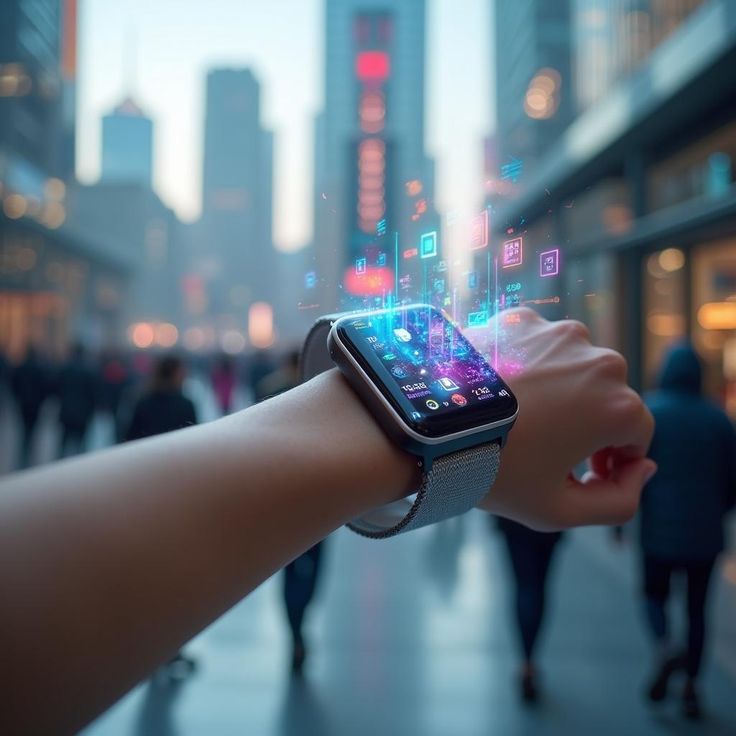
The Future of Wearable Technology: Beyond Smartwatches Wearable technology has become a major part of modern life. Just a decade ago, wearable devices were mostly limited to fitness bands that counted steps and tracked basic activity. Today, smartwatches can monitor heart rates, detect falls, measure blood oxygen levels, and even perform electrocardiograms. However, the wearable technology industry is rapidly moving beyond smartwatches. In 2026, the next generation of wearable devices is transforming how people interact with technology, manage their health, communicate, and experience the digital world. From smart glasses and AI-powered assistants to smart clothing and health-monitoring patches, wearable technology is becoming more intelligent, less intrusive, and more integrated into everyday life. As advancements in artificial intelligence, sensors, connectivity, and materials science continue to accelerate, the future of wearable technology promises experiences that were once considered science fiction. The Evolution of Wearable Technology The journey of wearable technology began with simple devices designed to track physical activity. Over time, improvements in miniaturization, battery efficiency, and wireless communication allowed manufacturers to create more sophisticated products. The first wave of wearables focused on fitness tracking. The second wave introduced smartwatches capable of delivering notifications, supporting mobile payments, and monitoring health metrics. Today, the industry is entering its third wave, where wearable devices are becoming proactive companions rather than passive tools. Modern wearables are increasingly capable of understanding user behavior, predicting needs, and providing personalized recommendations through artificial intelligence. Instead of simply collecting data, future wearables will help users make informed decisions about their health, productivity, and daily routines. Why the Smartwatch Is No Longer the Center of Innovation Although smartwatches remain popular, they face several limitations. Small screens restrict user interactions, battery life remains a challenge, and constant notifications can contribute to digital fatigue. Technology companies are now exploring alternative wearable formats that provide richer experiences while reducing dependence on smartphones and traditional screen-based interfaces. The goal is not to replace smartwatches entirely but to create an ecosystem of specialized wearable devices that work together seamlessly. Smart Glasses: The Next Major Computing Platform One of the most promising developments in wearable technology is the rise of smart glasses. Unlike traditional screens that require users to look down at a phone or smartwatch, smart glasses place information directly within the user’s field of vision. This creates a more natural and immersive way of interacting with digital content. Future smart glasses are expected to offer: Real-time navigation overlays Instant language translation Hands-free communication AI-powered personal assistance Enhanced workplace productivity Augmented reality experiences Advancements in display technology are making smart glasses lighter, more stylish, and more practical for everyday use. As battery performance improves and artificial intelligence becomes more capable, smart glasses could eventually become the primary interface for digital interactions. AI-Powered Wearables Are Becoming Personal Assistants Artificial intelligence is rapidly becoming the driving force behind wearable innovation. Future wearable devices will do far more than collect information. They will analyze behavior patterns, understand user preferences, and proactively offer assistance. Imagine a wearable device that: Detects signs of stress before you notice them Suggests breaks during long work sessions Provides personalized fitness coaching Recommends dietary adjustments Schedules meetings based on energy levels Offers contextual information during conversations These capabilities are becoming possible through advanced machine learning models that process data directly on devices or through secure cloud platforms. AI-powered wearables are transforming technology from a reactive tool into a proactive companion. The Rise of Smart Clothing Smart clothing is emerging as one of the most exciting areas of wearable technology. Instead of wearing separate devices, users may soon wear garments embedded with intelligent sensors. These textiles can continuously monitor various physiological and environmental conditions without requiring additional accessories. Potential applications include: Heart rate monitoring Respiratory tracking Muscle activity analysis Posture correction Temperature regulation Athletic performance optimization For athletes, smart clothing can provide detailed performance insights. For healthcare providers, it can enable continuous patient monitoring. For everyday users, it can offer health tracking without the inconvenience of multiple devices. As flexible electronics become more affordable, smart clothing could become a mainstream technology over the next decade. Wearable Health Technology Is Revolutionizing Healthcare Healthcare remains one of the most impactful applications of wearable technology. Current wearable devices already track: Heart rate Sleep quality Blood oxygen levels Physical activity Stress indicators Future generations of wearables are expected to monitor even more advanced health metrics, including: Continuous blood pressure tracking Non-invasive glucose monitoring Hydration levels Early disease detection Respiratory health indicators Mental wellness metrics Continuous monitoring allows healthcare professionals to identify health risks before symptoms become severe. This shift from reactive healthcare to preventive healthcare has the potential to improve outcomes while reducing medical costs. Wearable health technology could become a critical component of personalized medicine in the coming years. Smart Rings Are Gaining Popularity Smart rings represent another growing category within wearable technology. These compact devices provide many of the same benefits as smartwatches while offering a more discreet form factor. Modern smart rings can track: Sleep patterns Activity levels Heart rate variability Stress levels Recovery metrics Because they are lightweight and comfortable, smart rings appeal to users who prefer minimalistic technology. As sensor technology continues to improve, smart rings may become powerful health-monitoring tools capable of delivering highly accurate biometric data. Brain-Computer Interfaces and Neural Wearables Perhaps the most futuristic area of wearable technology involves brain-computer interfaces (BCIs). These systems allow direct communication between the human brain and digital devices. Although still in the early stages of development, neural wearables could eventually enable: Hands-free device control Enhanced accessibility for people with disabilities Faster communication Advanced gaming experiences Cognitive monitoring Personalized learning systems Researchers and technology companies are investing heavily in this field because of its potential to redefine human-computer interaction. While widespread adoption may still be years away, neural wearables represent one of the most transformative possibilities for the future. Wearable Technology in the Workplace Businesses are increasingly adopting wearable technology to improve productivity, safety, and efficiency. Industrial wearables can help workers by: Providing real-time instructions
Artificial Intelligence, Healthcare & Fitness, Technology & Innovation

AI Use Cases in Healthcare

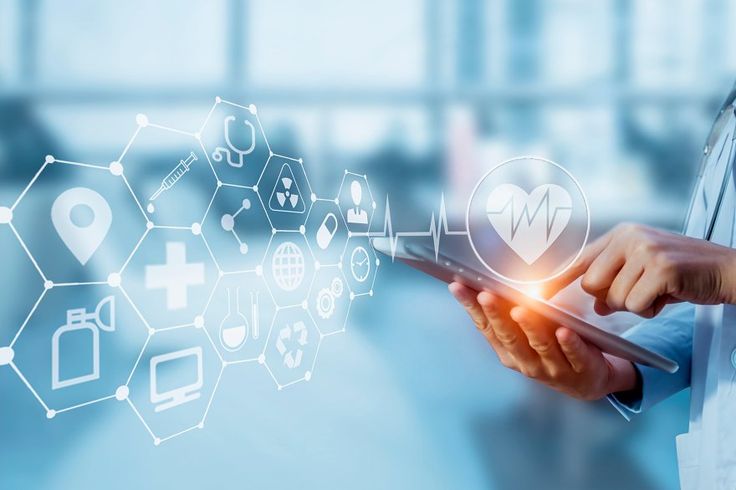
AI Use Cases in Healthcare: The Practical Blueprint for Clinical and Operational Excellence (2026) The healthcare sector has transcended basic digital record-keeping and entered the age of autonomous intelligence. Today, integrating Artificial Intelligence (AI) into healthcare systems is no longer a speculative technology play; it is a fundamental strategy for survival. Hospitals, clinics, and pharmaceutical enterprises face unprecedented challenges: severe clinician burnout, skyrocketing operational overhead, and a massive surge in unstructured patient data. When properly architected, AI workflow automation transforms this burden into an asset. By handing high-volume data parsing, clinical documentation, and predictive diagnostics over to specialized AI models, healthcare organizations can return clinicians to their primary calling—direct, high-quality patient care. This comprehensive guide details the highest-ROI use cases for AI in modern healthcare ecosystems, providing an implementation framework optimized for compliance, security, and clinical efficacy. 1. The Core Philosophy of Healthcare AI Automation Deploying AI in a medical context requires a fundamentally different philosophy than automating standard corporate workflows. In a traditional corporate setting, a 2% error rate from an AI model might mean minor data cleanup. In healthcare, a 2% error rate can result in catastrophic clinical outcomes. Therefore, modern healthcare AI systems are built on a framework of augmented intelligence. The goal is never to replace human medical judgment, but to eliminate the administrative and analytical friction that isolates clinicians from their patients. +———————————————————————–+ | THE HEALTHCARE AI PARADIGM | +———————————————————————–+ | RAW DATA INGESTION | HUMAN-IN-THE-LOOP (HITL) | | “Heavy Analytical Lifting” | “Ultimate Clinical Authority” | | • Ambient voice transcription | • Physician reviews drafted charts | | • Cross-referencing lab data | • Radiologist signs off on anomalies | | • Parsing historical patterns | • Care manager approves interventions | +———————————————————————–+ By enforcing a strict Human-in-the-Loop (HITL) protocol, medical enterprises can deploy probabilistic large language models (LLMs) and deterministic computer vision algorithms safely, ensuring that final diagnostic, therapeutic, and administrative actions are always validated by licensed professionals. 2. High-Impact Clinical Use Cases Clinical workflows are notoriously bottlenecked by manual administrative tasks and data fragmentation. Implementing targeted AI pipelines directly relieves these pain points across multiple clinical disciplines. A. Ambient Clinical Documentation and Charting The Friction Point: Physicians routinely spend up to two hours entering electronic health record (EHR) data for every single hour spent face-to-face with a patient, driving historic industry burnout. The AI Automation Solution: Ambient AI scribes utilize low-latency, medical-grade speech-to-text engines to listen natively to patient-doctor conversations. The system filters out casual small talk, structures the relevant clinical insights, and automatically populates a comprehensive SOAP (Subjective, Objective, Assessment, and Plan) note inside the EHR system. The physician simply reviews, edits, and signs off on the note, shrinking documentation time by over 60%. B. Intelligent Diagnostic Imaging Pipelines The Friction Point: Radiologists face an overwhelming volume of complex scans (CT, MRI, X-ray), leading to diagnostic delays and fatigue-induced oversight of minute anomalies. The AI Automation Solution: Specialized computer vision models act as an automated first-line triage system. As scans are completed, the AI automatically pre-screens the imagery to flag critical conditions like acute intracranial hemorrhages, pulmonary embolisms, or early-stage tumors. The pipeline automatically escalates high-risk cases to the top of the radiologist’s reading queue, appending bounding boxes and statistical heatmaps over anomalous tissues to accelerate diagnostic accuracy. C. Predictive Analytics for Patient Deterioration The Friction Point: Acute hospital wards must constantly monitor patients to catch sudden physiological declines before they escalate into cardiac arrest or septic shock. The AI Automation Solution: Predictive AI models continuously stream real-time data from ICU monitors, lab results, and nursing logs. By recognizing subtle, multi-variable patterns that human eyes might miss—such as a specific, concurrent fluctuation in heart rate, oxygen saturation, and white blood cell counts—the system calculates an automated “deterioration risk score.” It automatically triggers early-warning alerts to the floor nursing station hours before a code blue event occurs. 3. Operational and Administrative Transformation A hospital’s operational infrastructure is incredibly complex. Managing revenue cycles, scheduling resources, and matching staffing requirements directly impact an institution’s financial stability and capacity to deliver care. [Inbound Patient Intake] —> [AI Revenue Cycle Automation] —> [Optimized Payer Reimbursement] A. Automated Prior Authorization and Revenue Cycle Management (RCM) The Friction Point: The prior authorization process is manual, tedious, and prone to insurance company denials, delaying vital patient treatments. The AI Automation Solution: When a physician orders a complex procedure, an enterprise AI agent automatically extracts the patient’s historical chart notes, pairs them with the required medical coding, and cross-references them against the insurance payer’s specific medical necessity criteria. The AI automatically compiles, formats, and submits the prior authorization bundle via electronic clearinghouses, reducing approval cycles from weeks to minutes. B. Predictive Inpatient Capacity and Staffing Optimization The Friction Point: Managing emergency department (ED) surges and inpatient bed availability typically relies on historical guesswork, leading to understaffed shifts or costly over-scheduling. The AI Automation Solution: Machine learning models ingest historical admission data, regional epidemiological tracking, local weather forecasts, and community event schedules to predict emergency department inflow up to 72 hours in advance. The operational workflow automatically outputs recommended nurse-to-patient staffing configurations and projects bed clearance times, maximizing hospital throughput and minimizing patient wait times. 4. Selecting the Core AI Infrastructure Stack for Healthcare Building a medical AI pipeline requires selecting model ecosystems that provide elite reasoning capabilities, highly specialized training sets, and ironclad enterprise security arrangements. Capability / Requirement OpenAI Enterprise (via Azure) Anthropic (Claude via AWS Bedrock) Google Cloud (Gemini & MedLM via Vertex AI) Primary Healthcare Strength Fast conversational APIs for patient intake and ambient voice systems. Exceptionally detailed, nuanced parsing of complex, unstructured clinical charts. Specialized, medical-native model architectures (Med-PaLM 2 / MedLM) out of the box. Compliance Infrastructure SOC 2 / HIPAA BAA via Microsoft Azure environment. Enterprise data isolation and safety guardrails through AWS. Highly secure Google Cloud healthcare data engines with deep regional compliance. Best Analytical Use Case Interactive telehealth assistants and real-time transcription. Legal/Regulatory audit compliance and complex clinical research parsing.

Healthcare & Fitness

Healthcare & Fitness in 2025: How Technology and Wellness Are Transforming Lives

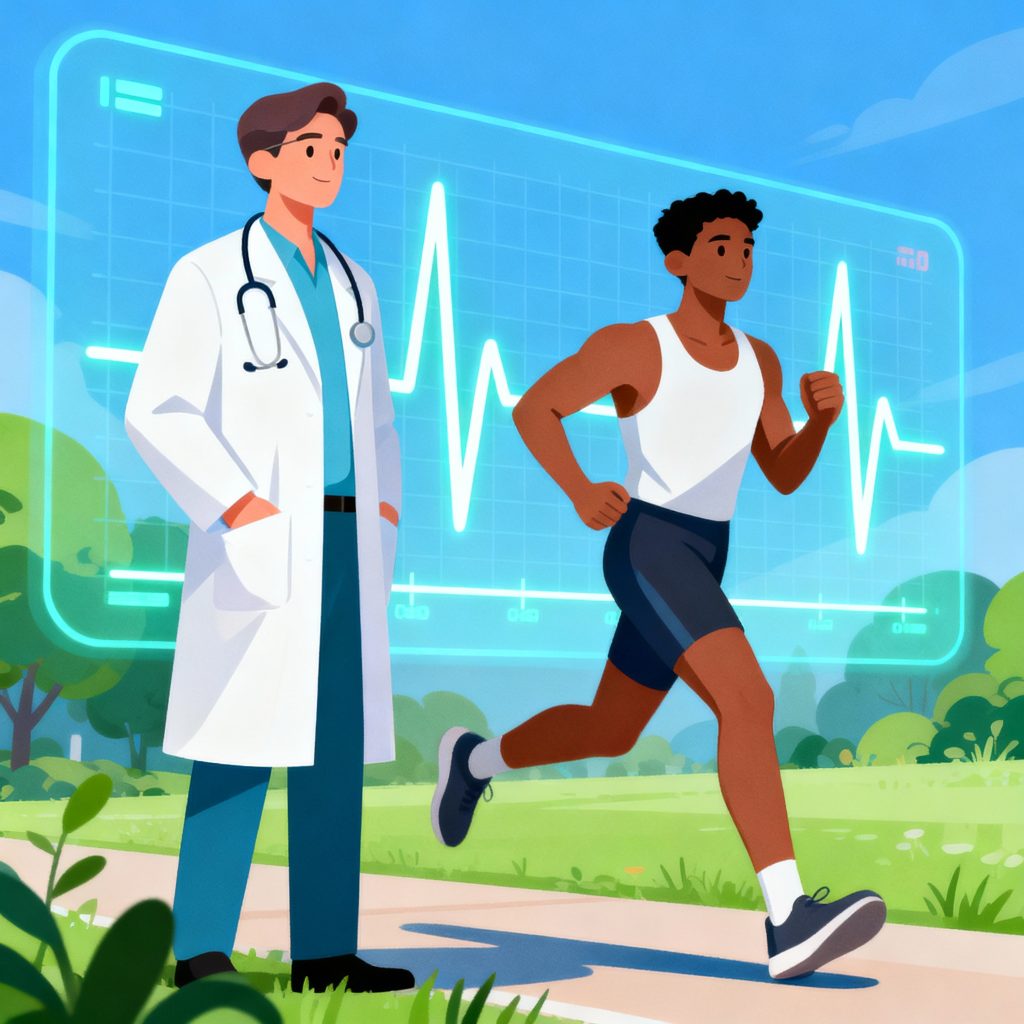
Introduction Health is no longer just about treating illness — it’s about prevention, personalization, and technology-driven care. In 2025, Healthcare and Fitness are merging like never before, powered by artificial intelligence, wearable technology, and data analytics. From smartwatches that monitor heart rates to virtual fitness coaches powered by AI, the future of wellness is digital, personalized, and accessible to everyone. What Is Healthcare & Fitness in the Modern Age? Healthcare focuses on diagnosing, treating, and preventing illnesses.Fitness emphasizes physical well-being through exercise, nutrition, and active lifestyles. In 2025, the two have merged into one unified concept: Digital Health — where technology, medicine, and fitness data work together to promote holistic wellness. How Technology Is Transforming Healthcare Technology is redefining medical care and patient experience: AI Diagnostics: Early detection of diseases using algorithms. Telemedicine: Virtual doctor consultations from home. Electronic Health Records (EHR): Simplified data management for hospitals. Robotic Surgery: Precision-based treatment with minimal recovery time. Wearable Devices: Track heart rate, oxygen, and sleep patterns in real-time. The Role of Fitness in Modern Life Fitness has evolved beyond gyms. People now combine technology and mindfulness to maintain health. Smartwatches and Fitness Bands: Track steps, calories, and workouts. Virtual Workouts: Online platforms like FitOn and Peloton make exercise accessible. Mental Wellness Apps: Meditation and stress management tools like Calm and Headspace. Nutrition Tracking: Apps helping users maintain balanced diets. Healthcare & Fitness Trends in 2025 AI-Driven Health Insights – Personalized fitness and treatment plans. Genetic Testing – DNA-based diet and fitness recommendations. Virtual Reality Therapy – Pain management and mental relaxation through VR. Remote Monitoring – Doctors track patients’ vitals from anywhere. Preventive Healthcare – Early alerts through smart devices. Benefits of Healthcare and Fitness Integration Personalized Wellness: Data-driven recommendations based on individual needs. Accessibility: Healthcare services reach even remote locations. Cost Efficiency: Reduced hospital visits through preventive care. Empowered Patients: People actively manage their own health. Better Outcomes: Continuous tracking leads to early detection and intervention. Challenges in Healthcare & Fitness Despite progress, challenges remain: Data Privacy: Securing sensitive health information. Healthcare Inequality: Ensuring access in rural areas. Tech Dependency: Balancing digital tools with human expertise. Rising Lifestyle Diseases: Due to stress and sedentary work culture. Conclusion Healthcare and Fitness in 2025 are driven by technology, data, and proactive wellness. As AI, wearables, and telemedicine continue to grow, they’re helping people lead healthier, longer, and more balanced lives. The message is clear: “The future of health isn’t in hospitals — it’s in our hands.” FAQ Section Q1. How is technology changing healthcare?Through AI, telemedicine, and wearable devices that make care faster and more accurate. Q2. Why is fitness important for overall health?It improves strength, immunity, mental health, and longevity. Q3. What are examples of fitness technology?Smartwatches, health apps, and virtual workout platforms. Q4. What is preventive healthcare?Detecting and preventing diseases before they develop using screenings and data insights. Q5. How can AI improve health?AI helps predict illnesses, personalize treatments, and improve diagnosis accuracy.

Illustration showing doctors, nurses, and digital AI interfaces analyzing patient data, medical images, and health charts—depicting how machine learning is transforming healthcare
machine learning

Machine Learning in Healthcare

Introduction Machine learning (ML) is redefining the healthcare sector worldwide, enabling medical professionals to deliver smarter, faster, and more personalized care than ever before. By analyzing vast amounts of medical data, ML algorithms are transforming how diseases are diagnosed, how treatments are personalized, and how hospitals operate. With predictions indicating the global healthcare AI market will exceed $600 billion by 2034, there’s no better time to explore how machine learning is reshaping the entire industry. Transformative Applications of Machine Learning in Healthcare Early Disease Detection and Accurate Diagnosis Machine learning’s pattern recognition strength allows it to analyze genetic data, medical images, and electronic health records to detect diseases at earlier stages. Advanced ML models interpret X-rays, MRIs, and CT scans for abnormalities that might escape the human eye, boosting detection rates for cancers, cardiovascular diseases, and neurological disorders. Example: AI-enabled breast cancer risk assessment models can predict malignancy up to 10% more accurately than traditional methods. Impact: Earlier intervention, higher survival rates, and improved patient outcomes. Predictive Analytics for Personalized Treatment By processing a patient’s entire health history, ML identifies patterns that correlate with optimal treatments. This accelerates precision medicine, where therapies are selected based on an individual’s genetic, lifestyle, and environmental factors. Example: Oncora Medical uses ML to tailor cancer treatment regimens, dramatically improving effectiveness. Drug Discovery and Development Acceleration Traditional drug discovery is slow and expensive. ML streamlines the development process by predicting how drugs interact with biological systems, identifying promising compounds, and reducing time to market. This advances new treatments for diseases like cancer, diabetes, and rare disorders. Streamlining Hospital Operations Hospitals are using ML to forecast patient admissions, optimize staff scheduling, manage inventory, and automate billing—improving overall operational efficiency and patient experience. Example: Historical data and ML models help hospitals anticipate patient influx, minimizing wait times and resource shortages. Improving Prescription Accuracy ML-based systems alert clinicians to potential drug interactions, allergies, or risky dosages, reducing adverse drug events and ensuring safer care. Real-Time Patient Monitoring With wearable devices, ML analyzes vital signs and behavioral data, flagging complications and enabling proactive interventions for chronic conditions. Benefits of ML in Healthcare Benefit Description Early Disease Detection Faster, more accurate diagnosis leveraging big data and imaging analytics. Personalized Care Custom treatment plans based on individual patient profiles and predictive modeling. Improved Efficiency Automates repetitive tasks, streamlines hospital ops, reduces costs. Drug Discovery Identifies effective compounds, speeds time to market, lowers R&D expenses. Better Patient Outcomes Enables timely, precise interventions, reducing hospitalizations and improving recovery. Enhanced Data Security ML models anonymize and protect sensitive health data, complying with regulations. Real-World Use Cases Risk Assessment Models: Predict cancer, heart disease, and diabetes risk from diverse health data sources. Optimizing Chemotherapy: AI models recommend optimal cancer treatments, boosting precision and reducing trial-and-error. Wearable Health Tech: Devices monitor patients in real time, alerting caregivers to emergencies or medication needs. Emergency Room (ER) Triage: ML automates prioritization, ensuring the most critical cases are addressed immediately. Virtual Health Assistants: Chatbots collect patient information, provide education, and offer 24/7 support, saving staff time. Predictive Hospital Resource Management: ML tools forecast peak periods, staff needs, and supply demands. Challenges to Adoption Data Privacy & Security: Sensitive medical data requires strict compliance with privacy regulations. Integration: Legacy systems can make incorporating AI and ML difficult for care providers. Bias and Explainability: Ensuring fairness and transparency in predictions remains a developing priority. Skill Gaps: Many providers require new skills and resources to realize ML’s full potential. Conclusion Machine learning is truly shaping the future of healthcare. From detecting diseases earlier to engineering revolutionary drugs and tailoring patient care at the individual level, ML brings innovation and efficiency across the sector. Adoption challenges remain, but its capacity to improve patient outcomes and operational excellence means ML will soon be omnipresent in every healthcare journey. Embracing these digital tools transforms healthcare into a smarter, safer, and more connected industry. FAQ How does ML improve healthcare diagnosis? ML analyzes vast medical datasets and images for patterns, enabling earlier and often more accurate detection of diseases than traditional methods. Can ML help in drug discovery? Yes. ML predicts promising compounds and streamlines R&D, making drug development faster and more cost-effective. What are the benefits of ML for hospitals? It improves efficiency by automating scheduling, billing, and inventory, forecasts patient flow, and enhances resource use. Does ML in healthcare protect patient data? Advanced ML models help anonymize and secure personal data, supporting compliance with HIPAA and GDPR. What is the outlook for ML in healthcare? With ongoing advances, ML will soon underpin everything from diagnostics and operations to personalized medicine—benefitting providers and patients alike.

Healthcare & Fitness

Cloud Infrastructure and DevOps in Healthcare Apps

Introduction The intersection of cloud infrastructure and DevOps is revolutionizing how healthcare applications are built, deployed, and maintained, making healthcare systems more agile, compliant, and patient-centered. These advances empower providers to store vast amounts of sensitive data securely, deliver real-time services to patients worldwide, and quickly innovate in response to emerging needs and regulatory guidelines. Explore how AI-powered healthcare applications are transforming patient experiences and operations—see more on cloud-based AI services and their integration journey. The Role of Cloud Infrastructure in Healthcare Apps Scalability and Flexibility Cloud platforms such as AWS, Azure, and Google Cloud enable healthcare organizations to scale resources up or down dynamically, adapting to fluctuating workloads, seasonal spikes, or pandemic-driven surges in demand. This elasticity is essential for electronic health records (EHR), big data analytics, telemedicine, and remote monitoring applications. Multicloud and hybrid architectures are gaining traction, allowing seamless integration to meet stringent compliance needs and local storage guidelines. Private clouds cater to high-security environments such as large hospitals and research institutions, while public clouds efficiently handle analytics, appointments, and remote care. For a detailed breakdown of cloud-driven innovation in healthcare, visit TechOTD’s main blog. Secure Data Storage and Compliance Sensitive medical data demands the highest levels of security and compliance. Cloud vendors offer HIPAA- and GDPR-compliant solutions that maintain data privacy, encryption, and integrity. End-to-end encryption, auditing, and identity management are embedded in modern cloud services. Automated backups and disaster recovery protocols minimize downtime and data loss. To understand how TechOTD addresses privacy and compliance in healthcare, see the Privacy & Cookies policy. Accelerating Digital Health with AI and Analytics Cloud infrastructure empowers healthcare organizations to leverage advanced AI, machine learning, and predictive analytics. Key applications include: Standardizing precision diagnostics with massive image datasets, Predicting patient risks using trend analysis and real-time telemetry, Automating administrative documentation with NLP engines. Discover feature-rich use cases in predictive analytics on TechOTD’s dedicated analytics page. Enabling Telehealth and Remote Patient Monitoring The adoption of telemedicine surged during the COVID-19 pandemic, with cloud platforms facilitating: Real-time video consultations, Remote patient monitoring using IoT wearables, Synchronous data sharing among care teams. Integration details for mobile healthcare solutions are documented in TechOTD’s mobile app services section. DevOps: The Engine of Continuous Healthcare Innovation What Is DevOps in Healthcare? DevOps combines software development (Dev) and IT operations (Ops) to foster automation, collaboration, and rapid deployments. In healthcare, this approach: Shortens application release cycles, Ensures continuous integration and delivery (CI/CD), Facilitates ongoing feedback and quality improvements. Explore practical examples of workflow optimization on the TechOTD blog. Key Benefits of DevOps for Healthcare Faster Time to Market Automates deployments, enabling rapid roll-out of new features and critical patches. Provides a competitive edge in launching telehealth and AI-driven apps. Improved Patient Outcomes Supports continuous monitoring and rapid issue resolution, which enhances clinical reliability and patient trust. Real-time data analytics drive timely decisions at the point of care. Security and Compliance Implements DevSecOps to integrate security into every phase of the application lifecycle. Ensures adherence to sector-specific regulations (HIPAA, GDPR, etc.) using automated compliance checks. See TechOTD’s structured approach to secure software on their How We Work page. Cost and Resource Efficiency Applies Infrastructure as Code (IaC) principles, minimizing manual tasks and human error. Optimizes cloud spend by enabling demand-driven resource allocation. Case studies on cost savings and operational improvements can be found in TechOTD’s blog industry section. AI and Predictive Analytics Support Maintains stable environments for AI/ML-powered healthcare applications. Accelerates the development of smart diagnostics, triaging, and personalized medicine. For examples of large language models in regulated sectors, see LLMs in Finance. Implementing Cloud and DevOps for Healthcare Apps: A Step-by-Step Roadmap 1. Assess Business Needs and Regulatory Requirements Conduct a deep analysis of the existing tech ecosystem and compliance landscape. Evaluate suitability for cloud migration and DevOps adoption. Explore a real-world blueprint on TechOTD’s services overview. 2. Data Strategy and Cloud Architecture Selection Identify sensitive and non-sensitive datasets. Choose optimal cloud deployment models: public, private, hybrid, or multicloud. 3. Develop Secure, Scalable Applications Using DevOps Practices Implement CI/CD pipelines for all healthcare modules: EHRs, billing, telemedicine, and connected health IoT solutions. Automate testing, code reviews, and compliance checks to guarantee quality and security. 4. Integrate AI, Analytics, and Automation Leverage cloud APIs and frameworks for real-time analytics, predictive insights, and automated workflows. Explore how AI supports preventive care and operational efficiency in TechOTD’s AI service models. 5. Continuous Monitoring, Maintenance, and Support Use cloud-based monitoring tools (e.g., Grafana, Azure Monitor) for uptime, performance, and security event tracking. Establish mechanisms for ongoing maintenance, data retraining, and customer support. For workflow strategies, check out customer journey mapping with AI. Emerging Trends and Future Directions AI-Powered Healthcare and Predictive Care Increasing adoption of generative AI, chatbots for patient triage, and risk stratification tools. Integration of real-time wearable IoT data with cloud-hosted analytics engines. Get a comprehensive review of technology trends in healthcare and beyond at TechOTD’s blog. Blockchain Integration for Secure Health Data Blockchain ensures transparent, immutable transaction logging, critical for audit trails in clinical trials, medication administration, and consent management. Find an in-depth analysis at TechOTD’s blockchain blog post. Regulatory Evolution and Interoperability Ongoing standards development for seamless data exchange (HL7 FHIR, DICOM) and international interoperability. Enhanced focus on privacy-preserving machine learning and federated learning architectures. Challenges in Cloud and DevOps Adoption Legacy systems and data silos limiting seamless migration. Addressing complex multi-region compliance and data residency requirements. Upfront investments in talent, training, and DevOps/Cloud tooling. Best practices, pitfalls, and CRM integration insights can be found at TechOTD’s mobile app frameworks guide. Conclusion: Cloud and DevOps as Healthcare’s Innovation Backbone The synergy of cloud infrastructure and DevOps is shaping a future where healthcare is more agile, resilient, and patient-focused than ever before. With ongoing advancements in AI, predictive analytics, and compliance automation, healthcare providers are set to deliver faster, more effective, and more personalized care. For more guidance, industry news, and in-depth resources, visit: Privacy & AI Solutions TechOTD Blog Home How We Work at TechOTD Predictive Analytics Features Mobile Application Services Advanced Industry Insights Customer-Centric AI Journeys LLMs in Finance Use Cases Technology for Modern Education Gadgets for

How would you like me to respond?

Select a personality for your AI assistant

Normal
Happy
Sad
Angry

Your selection will affect how the AI assistant responds to your messages

Chat Assistant

Let's discuss your project!

Hear from our clients and why 3000+ businesses trust TechOTD

Tell us what you need, and we'll get back with a cost and timeline estimate

Scroll to Top