
demand forecasting

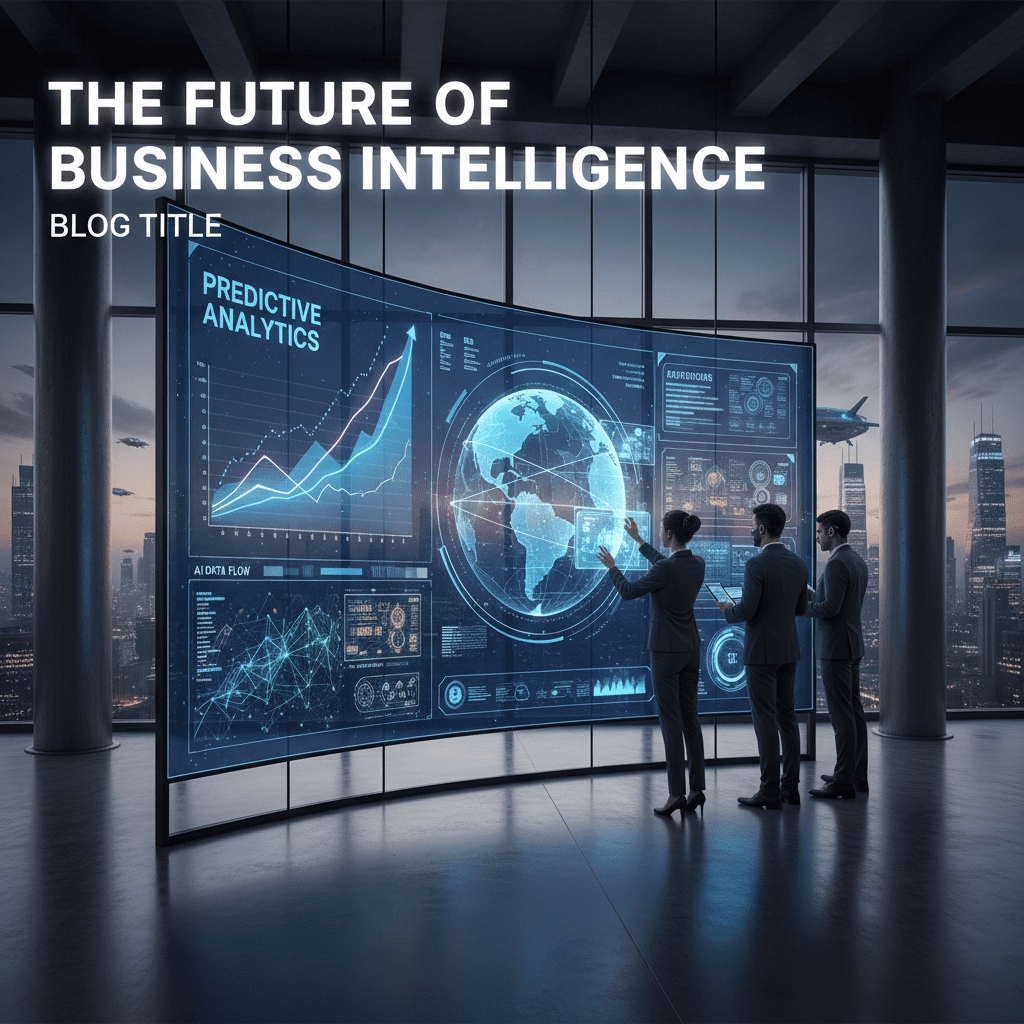
"Futuristic dashboard with predictive analytics graphs, AI data streams, and business professionals analyzing digital interfaces, representing software-driven business forecasting."
data science, Software development

Predictive Analytics Software Development

Introduction Predictive analytics software development is revolutionizing how organizations leverage their data to anticipate trends, reduce risk, and gain a competitive edge. By deploying machine learning, statistics, and advanced modeling, companies can turn historical and real-time data into actionable predictions—whether for sales forecasting, preventing fraud, or optimizing inventory. With mounting business complexity and data volumes, predictive analytics tools have become essential for organizations aiming to future-proof their strategies and drive smart decisions in an ever-changing market. What Is Predictive Analytics Software Development? Predictive analytics utilizes historical and live data, advanced algorithms, and machine learning to forecast future outcomes and recommend the best actions. Developing predictive analytics software typically involves identifying business needs, collecting and preparing data, building models, and integrating these models seamlessly into business applications for real-time insights. Modern predictive analytics systems can be custom-coded, built using data science tools, or integrated through user-friendly low-code platforms, making this technology accessible across industries. Key Features: Automated data ingestion and cleansing Model building, evaluation, and deployment Real-time prediction capabilities Integration with business processes and dashboards Ability to learn and adapt as new data arrives The Predictive Analytics Software Development Lifecycle Strategic Planning Define specific business problems such as churn prediction, fraud detection, or inventory optimization. Set measurable goals and align key stakeholders. Data Collection & Preparation Gather data from internal systems, external sources, and real-time feeds. Cleanse, transform, and annotate data to ensure quality input for models. Model Development Choose appropriate algorithms (e.g., regression, decision trees, neural networks). Train and validate models on historical data; iterate for accuracy and explainability. Integration & Deployment Embed predictive models into business systems like CRMs, ERPs, or supply chain tools for live predictions. Provide end-users, analysts, and leaders with intuitive dashboards or automated triggers. Monitoring, Maintenance, and Scaling Track accuracy; retrain models as conditions shift and new data is available. Continuously enhance with new features and data sources. Best Practices: Start small with a pilot project—optimize, then scale Prioritize data quality and governance early on Foster teamwork between IT, data science, and business units Focus on model transparency and compliance Embrace agile, iterative development for adaptability Business Benefits & Use Cases Improved Decision-Making: Predictive analytics drives proactive strategies by uncovering patterns and forecasting potential outcomes. Risk Reduction: Banks, insurers, and manufacturers leverage predictive models for fraud detection, credit scoring, risk assessment, and predictive maintenance. Enhanced Efficiency: Automated forecasting and resource allocation improve supply chain and operations management. Personalization: Retailers and marketers optimize targeting, recommendations, and retention using behavioral analytics. Healthcare: Early disease detection, readmission risk prediction, and personalized treatment planning lead to improved patient outcomes. Scalable Growth: Predictive software enables organizations to handle increasing data complexity and maintain a competitive edge. Conclusion Developing predictive analytics software equips organizations with the foresight to make smarter, data-driven decisions while automating processes and enhancing resiliency. By following best practices and leveraging modern development frameworks, businesses of all sizes can turn raw data into predictive power—unlocking new opportunities and sustainable growth. Call-to-Action: Explore predictive analytics software solutions tailored to your business needs—connect with expert developers today and turn your data into a strategic asset! FAQ What is predictive analytics software? It is a tool that uses historical and current data, along with algorithms and machine learning, to forecast future trends and inform smarter business decisions. How does predictive analytics benefit companies? It improves revenue prediction, reduces risk, enhances customer experience, streamlines operations, and delivers personalized recommendations. What are common use cases? Fraud detection, demand forecasting, maintenance planning, customer segmentation, and healthcare diagnosis are among the top applications. What is needed to build predictive analytics software? You need a well-defined problem, quality data, an experienced team, the right algorithms, and a plan for ongoing monitoring and refinement. How do you choose the right predictive model? Select based on the type of prediction needed—classification, regression, or time series—and evaluate with validation metrics before deployment
data science

10 Use Cases and Benefits of Predictive Analytics in Manufacturing

Introduction The manufacturing industry is undergoing a massive transformation, thanks to digital technologies such as Artificial Intelligence (AI), Machine Learning (ML), Internet of Things (IoT), and Predictive Analytics. In the past, factories relied heavily on reactive maintenance, manual monitoring, and limited visibility across operations. But today, manufacturers are leveraging data-driven insights to improve efficiency, reduce downtime, and boost profitability. At the center of this revolution lies Predictive Analytics—a powerful technique that uses historical and real-time data to forecast future outcomes. According to MarketsandMarkets, the predictive analytics market is expected to reach $28.1 billion by 2026, growing at a CAGR of 21.7%. Much of this growth is fueled by the manufacturing sector, where predictive analytics helps companies anticipate problems, optimize production, and stay competitive in a global marketplace. This blog explores the 10 key use cases of predictive analytics in manufacturing—and the benefits each brings to the table. What is Predictive Analytics in Manufacturing? Predictive analytics involves analyzing historical data, real-time data, and external factors to identify patterns and predict future outcomes. In manufacturing, it combines IoT sensors, machine learning algorithms, and advanced statistical models to forecast: Equipment failures Demand fluctuations Quality issues Supply chain risks Instead of reacting to issues after they occur, manufacturers can now prevent problems before they happen. Benefits of Predictive Analytics in Manufacturing Before diving into the use cases, let’s highlight some universal benefits: Reduced Downtime: By predicting equipment failures, factories minimize unplanned shutdowns. Lower Maintenance Costs: Shifting from reactive to predictive maintenance saves money. Improved Product Quality: Detecting defects early prevents large-scale waste. Optimized Supply Chain: Data-driven demand forecasting reduces inventory issues. Increased Productivity: Efficient operations ensure maximum output with fewer resources. Enhanced Customer Satisfaction: Delivering on time with consistent quality builds trust. Data-Driven Decision Making: Real-time analytics empowers management to act proactively. Now, let’s explore 10 powerful use cases. 10 Use Cases of Predictive Analytics in Manufacturing 1. Predictive Maintenance Problem: Traditional maintenance schedules are either too frequent (wasting resources) or too late (leading to breakdowns).Solution: Predictive analytics uses IoT sensor data (temperature, vibration, sound) to detect anomalies in equipment performance.Benefit: Manufacturers can service machines only when needed, reducing downtime and extending asset lifespan.Example: General Motors uses predictive analytics to monitor assembly line robots, preventing costly shutdowns. 2. Demand Forecasting Problem: Overstocking ties up capital, while understocking leads to missed sales.Solution: Predictive models analyze past sales, seasonal trends, and market conditions.Benefit: Accurate forecasts align production with demand, reducing waste and storage costs.Example: Coca-Cola uses predictive analytics to forecast demand for different beverage categories across global markets. 3. Quality Control and Defect Detection Problem: Manual quality checks are time-consuming and prone to errors.Solution: Predictive analytics processes real-time production data to spot deviations that may cause defects.Benefit: Early detection prevents defective products from reaching customers.Example: BMW uses predictive analytics to monitor welding processes and reduce defects in vehicle assembly. 4. Supply Chain Optimization Problem: Supply chains face disruptions due to delays, shortages, or global crises.Solution: Predictive analytics monitors supplier performance, transport delays, and raw material availability.Benefit: Manufacturers gain resilience, reducing risks of bottlenecks.Example: Toyota uses predictive analytics to optimize its just-in-time supply chain model. 5. Energy Management Problem: Energy consumption is one of the largest expenses in manufacturing.Solution: Predictive models analyze energy use patterns and suggest optimizations.Benefit: Reduced energy costs and improved sustainability.Example: Siemens uses predictive analytics to optimize energy usage across smart factories. 6. Inventory Management Problem: Overstocking and stockouts disrupt production.Solution: Predictive models ensure optimal stock levels by analyzing demand and lead times.Benefit: Reduced holding costs, improved cash flow, and uninterrupted production.Example: Unilever uses predictive analytics to balance inventory across global warehouses. 7. Workforce Optimization Problem: Labor shortages and high turnover affect productivity.Solution: Predictive analytics forecasts staffing needs based on demand and machine usage.Benefit: Right number of workers at the right time improves efficiency.Example: Foxconn uses predictive models to optimize workforce schedules in its electronics factories. 8. Equipment Lifecycle Management Problem: Manufacturers struggle with knowing when to replace vs. repair machinery.Solution: Predictive analytics provides lifecycle predictions based on usage patterns.Benefit: Helps plan capital expenditures and reduce unexpected failures.Example: Aerospace manufacturers use predictive analytics to monitor jet engine lifecycle performance. 9. Safety and Risk Management Problem: Industrial accidents lead to costly downtime and legal consequences.Solution: Predictive analytics analyzes workplace data (incidents, sensor readings, environmental factors).Benefit: Prevents accidents by alerting managers to unsafe conditions.Example: Oil & gas companies use predictive analytics to prevent equipment-related hazards. 10. Product Innovation and R&D Problem: Developing new products is costly and time-consuming.Solution: Predictive models analyze customer preferences, competitor trends, and material performance.Benefit: Faster innovation with higher chances of market success.Example: 3M uses predictive analytics in material science research to design new products. Challenges of Implementing Predictive Analytics in Manufacturing High Initial Investment: IoT sensors, data platforms, and analytics tools can be expensive. Data Integration Issues: Many factories still use legacy systems. Skill Gaps: Lack of data science expertise in manufacturing teams. Cybersecurity Risks: Increased data collection requires stronger security protocols. The Future of Predictive Analytics in Manufacturing Looking ahead, predictive analytics will continue to evolve, supported by: AI & Machine Learning: Smarter models for accurate predictions. Edge Computing: Faster real-time analytics closer to machines. Digital Twins: Simulating production processes to test improvements. Sustainability Goals: Optimizing energy and reducing carbon footprint. Manufacturers that embrace predictive analytics will gain a strong competitive edge in efficiency, innovation, and profitability. Conclusion Predictive analytics is no longer just a buzzword—it’s a game-changer for manufacturing. From predictive maintenance to product innovation, its use cases span across every stage of the production cycle. By adopting predictive analytics, manufacturers can: Reduce downtime Improve quality Optimize supply chains Manage costs Enhance customer satisfaction The 10 use cases and benefits we explored show why predictive analytics is becoming the backbone of smart manufacturing. As Industry 4.0 advances, manufacturers that ignore predictive analytics risk falling behind. Those who embrace it will lead the future of data-driven, efficient, and sustainable manufacturing.

How would you like me to respond?

Select a personality for your AI assistant

Normal
Happy
Sad
Angry

Your selection will affect how the AI assistant responds to your messages

Chat Assistant

Let's discuss your project!

Hear from our clients and why 3000+ businesses trust TechOTD

Tell us what you need, and we'll get back with a cost and timeline estimate

Scroll to Top