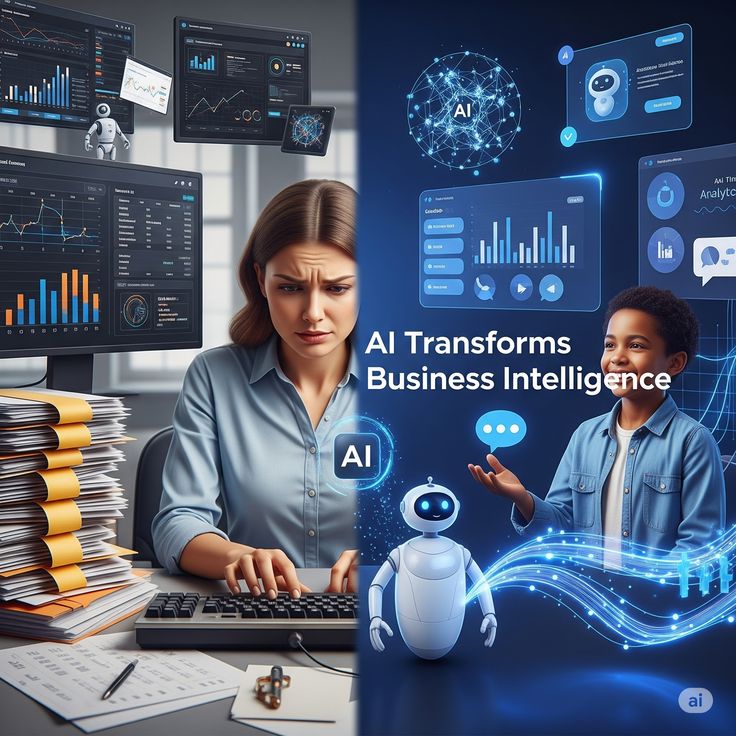
data-driven decision-making

Artificial Intelligence, Business Intelligence, Data Analytics

How AI Is Revolutionizing Business Intelligence and Analytics

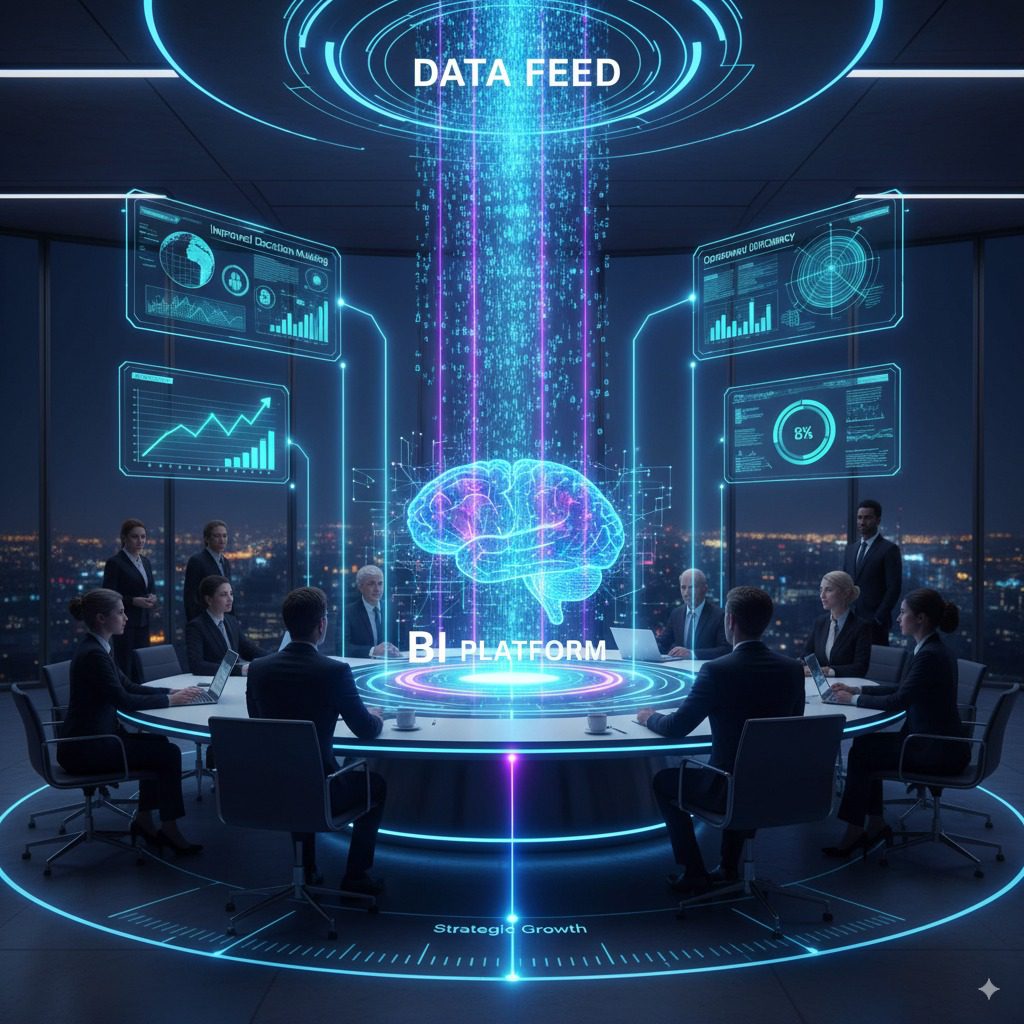
Introduction In today’s digital economy, businesses generate massive amounts of data every second. From customer interactions and sales transactions to website activity and operational metrics, organizations have access to more information than ever before. However, collecting data alone is not enough. The real challenge lies in transforming that data into actionable insights that drive better business decisions. This is where Artificial Intelligence (AI) is changing the landscape of Business Intelligence (BI) and analytics. Traditional BI systems helped organizations analyze historical data and create reports. AI-powered BI takes this a step further by uncovering hidden patterns, predicting future outcomes, automating analysis, and providing real-time recommendations. As companies strive to remain competitive in rapidly changing markets, AI-driven business intelligence is becoming a critical tool for growth, efficiency, and innovation. What Is Business Intelligence? Business Intelligence refers to the technologies, processes, and strategies used to collect, analyze, and visualize business data. The primary goal of BI is to help organizations make informed decisions based on accurate information. Traditional BI solutions typically focus on: Data collection and storage Reporting and dashboards Performance monitoring Historical data analysis Trend identification While these capabilities remain valuable, modern businesses require deeper insights and faster decision-making. AI addresses these needs by enhancing the capabilities of conventional BI platforms. The Growing Role of AI in Business Intelligence Artificial Intelligence enables machines to analyze data, learn from patterns, and make predictions with minimal human intervention. When integrated with business intelligence systems, AI helps organizations move from descriptive analytics to predictive and prescriptive analytics. Instead of simply answering questions like: “What happened?” AI-powered systems can answer: “Why did it happen?” “What is likely to happen next?” “What actions should we take?” This shift allows businesses to become more proactive rather than reactive. Automated Data Analysis One of the biggest advantages of AI in business intelligence is automation. Traditional data analysis often requires teams of analysts to collect data, clean datasets, create reports, and identify trends manually. This process can take hours or even days. AI-powered analytics platforms can automate many of these tasks by: Cleaning and organizing data Detecting anomalies Identifying trends Generating reports Highlighting important insights Automation reduces human error and enables organizations to analyze larger volumes of data much faster. For example, a retail company can automatically monitor thousands of products and instantly identify unusual changes in sales patterns without requiring manual investigation. Predictive Analytics: Looking Into the Future Predictive analytics is one of the most impactful applications of AI in business intelligence. Using historical data and machine learning algorithms, AI can forecast future outcomes with impressive accuracy. Businesses use predictive analytics to: Forecast sales demand Predict customer behavior Estimate inventory requirements Identify market trends Reduce operational risks For instance, an e-commerce company can predict which products will experience increased demand during upcoming seasons and adjust inventory levels accordingly. This proactive approach helps organizations improve efficiency and reduce costs. Real-Time Decision Making Modern businesses operate in fast-moving environments where decisions often need to be made instantly. Traditional BI systems typically rely on periodic reports, which may already be outdated by the time they are reviewed. AI-driven analytics platforms continuously process incoming data and provide real-time insights. Benefits include: Faster response to market changes Improved customer service Immediate detection of operational issues Better financial monitoring Enhanced risk management For example, financial institutions can detect suspicious transactions in real time and prevent fraudulent activities before significant damage occurs. Enhanced Data Visualization Data visualization is a core component of business intelligence. AI is making dashboards smarter and easier to understand by automatically identifying key insights and presenting them in visually meaningful ways. Advanced BI tools can: Highlight critical trends automatically Generate dynamic charts and graphs Explain data patterns in plain language Customize dashboards for different users Instead of manually searching through hundreds of charts, decision-makers receive instant summaries of the most important business developments. This significantly improves productivity and decision quality. Natural Language Queries One of the most user-friendly innovations in AI-powered business intelligence is Natural Language Processing (NLP). NLP allows users to interact with BI systems using everyday language. Rather than writing complex database queries, users can simply ask questions such as: “What were our top-selling products last month?” “Why did sales decline in the northern region?” “Which customer segment generated the highest revenue?” The system then analyzes data and provides answers instantly. This capability makes data analysis accessible to employees without technical expertise, promoting a stronger data-driven culture throughout the organization. Improving Customer Insights Understanding customer behavior is essential for business success. AI-powered analytics helps organizations gain deeper insights into customer preferences, buying patterns, and engagement trends. Businesses can analyze: Purchase history Website interactions Social media activity Customer feedback Support requests By combining these data sources, AI creates a comprehensive customer profile that enables personalized experiences. Organizations can use these insights to: Improve marketing campaigns Increase customer retention Enhance product recommendations Deliver personalized services As a result, businesses can strengthen customer relationships and drive higher revenue. Fraud Detection and Risk Management Many industries face increasing challenges related to fraud and risk. AI significantly improves risk management by continuously monitoring transactions and identifying suspicious behavior. Machine learning algorithms can detect unusual patterns that may indicate: Financial fraud Cybersecurity threats Compliance violations Operational risks Unlike traditional rule-based systems, AI continuously learns and adapts to emerging threats. This capability helps organizations reduce financial losses and improve security. Supply Chain Optimization Supply chain management generates enormous amounts of operational data. AI-powered business intelligence solutions help companies optimize supply chains through advanced analytics and forecasting. Key benefits include: Demand prediction Inventory optimization Supplier performance monitoring Logistics planning Cost reduction For example, manufacturers can predict supply shortages before they occur and take preventive action to avoid production delays. This leads to greater efficiency and improved customer satisfaction. Personalized Business Strategies Every business operates under unique conditions and objectives. AI enables organizations to develop personalized strategies based on their specific data and performance metrics. Instead of relying solely on industry averages, companies can make decisions based on:
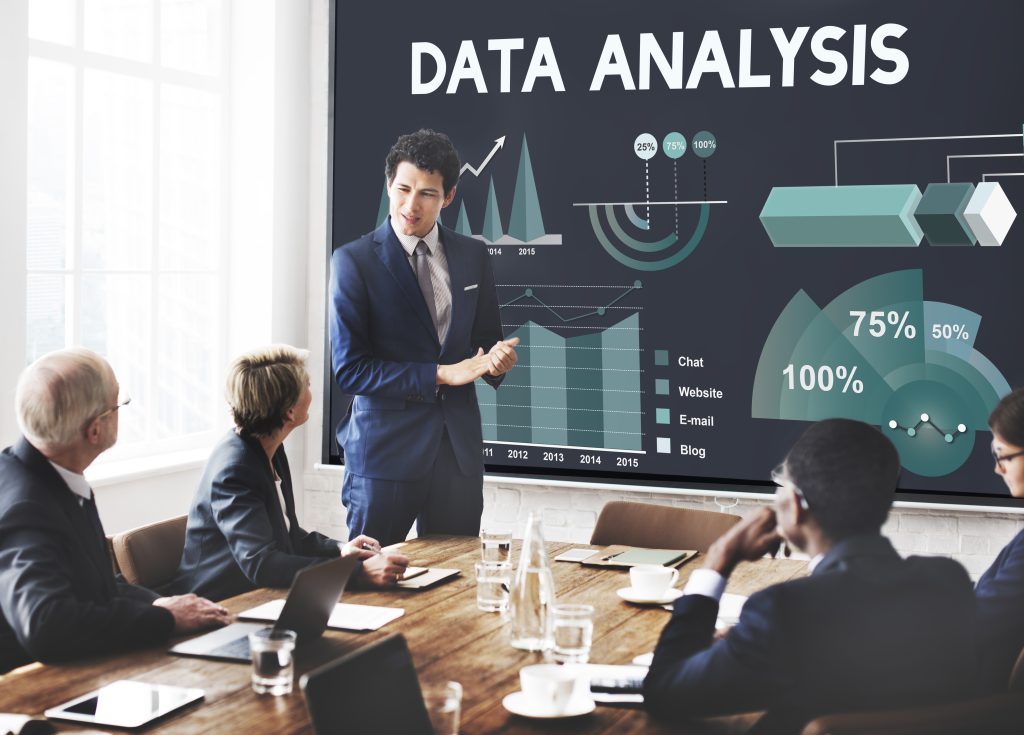
Business Intelligence dashboard visualizing big data analytics trends
Business Intelligence

Big Data Analytics and Business Intelligence: Turning Information into Insight

Introduction In today’s hyper-connected digital world, data is the new oil — a powerful asset that drives innovation, strategy, and growth. Every second, billions of data points are generated from online transactions, social media, IoT devices, and business operations. But raw data is meaningless unless it’s analyzed, interpreted, and used to make informed decisions. That’s where Big Data Analytics and Business Intelligence (BI) come into play. Together, they empower organizations to uncover hidden trends, improve efficiency, and gain a competitive edge in the marketplace. What Is Big Data Analytics? Big Data Analytics is the process of examining large, complex datasets to discover hidden patterns, correlations, market trends, and customer preferences. Unlike traditional data analysis, Big Data Analytics can handle massive volumes (terabytes or petabytes) of structured and unstructured data at lightning speed.  The 5 Vs of Big Data: Volume – Massive amount of data generated daily Velocity – Speed at which data is created and processed Variety – Different formats (text, images, videos, logs, etc.) Veracity – Accuracy and reliability of data Value – Insights gained from analysis By leveraging technologies like Hadoop, Spark, and NoSQL databases, businesses can process and analyze enormous data efficiently. What Is Business Intelligence (BI)? Business Intelligence is a technology-driven process for analyzing data and presenting actionable insights to help executives, managers, and employees make informed business decisions. BI systems typically use dashboards, reports, and visualization tools like: Power BI Tableau QlikView Google Data Studio BI tools collect data from multiple sources, integrate it, and display results through interactive visual dashboards, making insights accessible to everyone. Big Data Analytics vs. Business Intelligence Aspect Big Data Analytics Business Intelligence (BI) Purpose Predict future outcomes Analyze past & present performance Data Type Structured + Unstructured Mostly structured data Tech Used Hadoop, Spark, Machine Learning Power BI, Tableau, SQL Output Predictive & prescriptive insights Descriptive & diagnostic insights Focus Exploration & forecasting Reporting & visualization In short, Big Data Analytics predicts what’s coming next, while Business Intelligence explains what’s happening now. Together, they create a 360° view of the organization, enhancing data-driven strategies. How Big Data and BI Work Together When integrated, Big Data and BI enable organizations to: Collect vast amounts of real-time data Process and store it efficiently Visualize complex patterns Support strategic business decisions Example:A retail company can use Big Data Analytics to predict customer purchase trends and then use BI dashboards to visualize which products are performing best in real-time. Key Components of Big Data and BI Ecosystem 1. Data Collection Data is gathered from multiple sources — sensors, CRM systems, web logs, transactions, and social media. 2. Data Storage Tools like Hadoop Distributed File System (HDFS), Amazon S3, or Google Cloud Storage store massive data volumes securely. 3. Data Processing Frameworks such as Apache Spark and Flink process the data for analysis. 4. Data Analysis Machine learning algorithms and statistical models identify patterns and trends. 5. Data Visualization BI tools like Power BI or Tableau present the results in interactive dashboards and graphs. Applications of Big Data and BI in Industries  1. Retail & E-Commerce Personalized product recommendations Dynamic pricing based on demand Customer behavior tracking Example:Amazon uses predictive analytics to recommend products, improving sales and customer engagement.  2. Healthcare Predictive diagnosis and treatment plans Disease outbreak tracking Patient data management Example:Hospitals use BI tools to monitor patient recovery and resource allocation. 3. Finance Fraud detection using real-time analytics Credit risk assessment Algorithmic trading Example:Banks use Big Data to identify suspicious transactions within seconds. 4. Manufacturing Predictive maintenance of equipment Supply chain optimization Quality control automation 5. Education Performance analytics for students Personalized learning paths Data-driven decision-making in administration Emerging Trends in Big Data and BI Artificial Intelligence Integration:Machine learning models now automate insights generation. Real-Time Analytics:Instant decision-making with live data streaming. Data Democratization:BI tools make analytics accessible to non-technical users. Augmented Analytics:Combines AI and natural language processing (NLP) for smarter reports. Edge Analytics:Data processing closer to the source for faster outcomes. Data Governance and Privacy:Ensuring compliance with regulations like GDPR and HIPAA. Benefits of Big Data Analytics and BI Benefit Impact Informed Decision-Making Data-backed strategic planning Cost Optimization Identify inefficiencies Customer Insights Understand preferences & behaviors Predictive Capabilities Anticipate future trends Competitive Advantage Gain market leadership Operational Efficiency Automate and streamline workflows Challenges in Big Data and BI Implementation Data quality and integration issues High storage and processing costs Security and privacy risks Shortage of skilled data professionals Over-dependence on tools without clear strategy However, with cloud-based solutions and AI-powered platforms, these challenges are becoming easier to overcome. Conclusion In the digital era, data is the foundation of success — but only when it’s analyzed effectively. Big Data Analytics gives organizations predictive power, while Business Intelligence delivers clarity and visibility. Together, they transform information into strategic insight, fueling smarter, faster, and data-driven decision-making. Companies embracing this synergy are not just surviving — they’re leading the future of business innovation. FAQs 1. What is the main difference between Big Data Analytics and Business Intelligence?Big Data focuses on analyzing large datasets for predictive insights, while BI focuses on reporting and visualizing historical data. 2. Why are Big Data and BI important?They help businesses make informed decisions, improve efficiency, and predict market trends. 3. What tools are used in Big Data Analytics?Hadoop, Spark, Hive, and Flink are commonly used tools. 4. What are popular BI tools?Power BI, Tableau, QlikView, and Google Data Studio are top BI tools. 5. What skills are needed for Big Data and BI?Data analysis, SQL, Python, visualization tools, and knowledge of databases.

Digital business dashboard showing real-time analytics and performance metrics.
Real-Time Visibility

Real-Time Visibility: The Key to Smarter, Faster, and More Informed Decisions

Introduction In today’s fast-moving digital world, every second counts. Businesses can no longer afford to wait hours—or even minutes—for updates on critical operations. Real-time visibility has become a necessity, not a luxury. It provides instant access to live data, helping organizations monitor, track, and make better decisions at every level. What is Real-Time Visibility? Real-time visibility refers to the ability to view and analyze live data from systems, devices, or processes as it happens. It enables decision-makers to instantly understand what’s occurring within their business—whether it’s tracking shipments, monitoring network performance, or observing production efficiency. In simple terms, it’s about knowing what’s happening right now, not just what happened an hour ago. Why Real-Time Visibility Matters Instant Decision-Making:With immediate data access, businesses can respond faster to changes, disruptions, or risks. Operational Efficiency:Real-time monitoring helps identify inefficiencies quickly, allowing teams to act before issues escalate. Enhanced Customer Experience:Companies can provide accurate delivery times, proactive updates, and faster problem resolution. Cost Savings:By preventing errors and optimizing operations, organizations save time, money, and resources. Key Industries Using Real-Time Visibility 1. Supply Chain & Logistics Real-time tracking of shipments through IoT sensors and GPS. Instant alerts on route delays or temperature fluctuations in perishable goods. Improved coordination between suppliers, distributors, and retailers. 2. Manufacturing Monitoring production lines to detect machine failures instantly. Real-time quality control through automated systems. Optimized inventory management by tracking stock levels in real time. 3. Healthcare Live monitoring of patients’ vitals. Real-time updates on medication administration and equipment usage. Faster response to emergencies through connected healthcare systems. 4. Information Technology Real-time visibility into network performance and cybersecurity threats. Instant system health checks and uptime monitoring. Quick detection of server or application issues. Technologies Behind Real-Time Visibility Internet of Things (IoT): Enables sensors and devices to share live data. Cloud Computing: Allows real-time data processing and storage accessible anywhere. Artificial Intelligence (AI) & Machine Learning (ML): Automates analysis of large datasets instantly. Blockchain: Provides transparent, tamper-proof data sharing. Data Dashboards & Analytics Tools: Help visualize live insights for faster action. Benefits of Implementing Real-Time Visibility Benefit Impact Faster response to disruptions Reduced downtime and better service delivery Improved forecasting Data-driven planning and decision-making Transparency Builds trust with customers and stakeholders Compliance Easier tracking and audit readiness Challenges in Achieving Real-Time Visibility While the benefits are clear, implementing real-time visibility comes with challenges: Data Overload: Managing huge volumes of live data can be complex. Integration Issues: Connecting multiple systems and platforms seamlessly. Security Concerns: Protecting sensitive real-time data from cyber threats. High Initial Costs: Investment in technology and infrastructure. Future of Real-Time Visibility The future is intelligent and connected. With advancements in AI-driven analytics, 5G networks, and edge computing, real-time visibility will become faster and more accurate. Businesses that embrace it will gain a competitive edge by turning instant insights into powerful actions. Conclusion In a world where speed and accuracy define success, real-time visibility stands as a game changer. Whether in logistics, healthcare, IT, or manufacturing, it enables organizations to stay proactive, informed, and agile. Embracing this technology today means being prepared for the challenges of tomorrow. Frequently Asked Questions (FAQs)   1. What does real-time visibility mean? Answer: Real-time visibility refers to the ability to access and monitor live data from systems, devices, or business operations as it happens. It helps organizations make instant decisions, detect issues early, and improve efficiency. 2. Why is real-time visibility important for businesses? Answer: It enables companies to act proactively instead of reactively. With real-time data, businesses can identify bottlenecks, optimize performance, improve customer experience, and reduce costs. 3. Which industries benefit most from real-time visibility? Answer: Industries such as supply chain and logistics, manufacturing, healthcare, retail, and IT operations benefit greatly from real-time visibility. It allows them to track assets, monitor systems, and respond to issues instantly. 4. What technologies enable real-time visibility? Answer: Technologies like IoT (Internet of Things), cloud computing, AI and machine learning, blockchain, and real-time analytics dashboards are key enablers of real-time visibility systems. 5. What are the main challenges in implementing real-time visibility? Answer: The primary challenges include data overload, integration of multiple systems, data security concerns, and high initial setup costs for technology infrastructure. 6. How does real-time visibility improve customer satisfaction? Answer: By providing live updates, accurate tracking, and quick responses, businesses can enhance transparency and build trust with their customers—leading to higher satisfaction and loyalty. 7. What is the future of real-time visibility? Answer: With advancements in 5G, AI-driven analytics, and edge computing, the future of real-time visibility will be even faster, smarter, and more integrated across global systems.

Business

Understanding Business Intelligence and Its Importance for Your Organization

Introduction In today’s fast-paced, data-driven business environment, Business Intelligence (BI) has become an indispensable asset for organizations seeking to transform raw data into actionable insights. Business Intelligence empowers companies to make informed decisions, optimize operations, and gain a competitive edge. This blog delves into why BI is crucial for your organization, exploring its benefits, applications, and impact on strategic growth. What Is Business Intelligence? Business Intelligence refers to the technologies, processes, and practices that collect and analyze data to provide meaningful insights. BI systems gather data from various sources, process it, and present it visually through dashboards, reports, and analytics tools, enabling leaders to understand performance, identify trends, and drive better decisions. Why Is Business Intelligence Important for Your Organization? 1. Enhanced Decision-Making with Data-Driven Insights BI replaces guesswork with factual data, enabling executives and teams to make timely, evidence-based decisions. This reduces risks and improves strategic and operational outcomes. 2. Improved Operational Efficiency By providing visibility into processes and detecting inefficiencies, BI helps organizations streamline workflows, reduce costs, and boost productivity across departments. 3. Better Customer Understanding and Targeting BI analyzes customer behavior, preferences, and trends to optimize marketing campaigns, personalize customer experiences, and increase retention. 4. Accurate Performance Monitoring and Benchmarking Organizations can track KPIs in real-time, measure progress against goals, and identify areas needing improvement, facilitating continuous performance optimization. 5. Competitive Advantage and Market Adaptability Timely insights into market trends and competitive positioning allow businesses to innovate rapidly, seize opportunities, and mitigate threats. 6. Scalability and Growth Enablement BI solutions support scalable data analysis, enabling organizations to grow without losing control over their business intelligence capabilities. 7. Streamlined Collaboration and Information Sharing Centralized data platforms enhance cross-functional communication, reduce data silos, and empower employees with role-based access to relevant insights. How Business Intelligence Supports Different Business Functions Sales and Marketing: Analyzing conversion rates, revenue trends, and marketing ROI. Finance: Budget tracking, cash flow analysis, and fraud detection. Human Resources: Employee productivity, payroll management, and satisfaction analysis. Supply Chain: Inventory optimization, vendor analytics, and logistics monitoring. Executive Leadership: Real-time performance dashboards for strategic oversight. The Role of Advanced Technologies in BI Artificial Intelligence and Machine Learning: Enhance predictive analytics and automate insights generation. Blockchain: Ensure data authenticity and secure audit trails. Cloud Computing: Facilitate scalable, real-time data access and collaboration. Discover AI-driven BI strategies and blockchain integration at TechOTD AI Services and TechOTD Blockchain Blog. Implementing an Effective Business Intelligence Strategy Assess Business Needs and Goals: Define clear objectives that BI should support. Collect and Integrate Data: Aggregate data from multiple sources ensuring quality. Choose BI Tools and Platforms: Select solutions aligned with organizational size and complexity. Develop Dashboards and Reports: Create actionable visualizations tailored for users. Train Teams and Foster a Data Culture: Empower employees to leverage BI in daily workflows. Monitor, Update and Evolve: Continuously refine BI processes based on feedback and changing needs. Conclusion Business Intelligence is not just a tool but a strategic asset that transforms how organizations operate, compete, and grow. Firms that invest in robust BI systems gain deeper insights, sharper responsiveness, and stronger decision-making capabilities—critical factors in today’s competitive markets.

data science

Top 7 Myths About Predictive Analytics That Are Holding Businesses Back

Introduction Predictive analytics has emerged as a transformative technology for businesses across industries today. Leveraging data, algorithms, and machine learning, predictive analytics helps organizations forecast trends, optimize operations, reduce risk, and deliver personalized experiences. However, despite its proven benefits, many business leaders and decision-makers hesitate to fully embrace predictive analytics due to prevalent myths and misconceptions. These myths introduce fear, uncertainty, and resistance that hold businesses back from unlocking the full potential of their data and AI investments. Understanding and debunking these misconceptions is essential to harness predictive analytics genuinely. This extensive blog will cover the top 7 myths about predictive analytics that stall business growth, explain why they are false, and provide actionable insights to overcome them. By demystifying these barriers, businesses can accelerate innovation, improve ROI, and stay competitive in an AI-driven world. Myth 1: Predictive Analytics Requires Massive Data Sets to Be Effective A common myth is that predictive analytics only works if an organization has an enormous volume of data. Many companies, especially small and medium businesses, assume they cannot benefit from predictive models because they do not operate at “big data” scale. Why This Myth is False Predictive analytics models can work effectively even on small to medium-sized, high-quality data sets. Advanced techniques like transfer learning and synthetic data generation help create accurate models with less data. Data preprocessing, feature engineering, and domain expertise significantly influence model performance more than raw data volume. Tools and platforms today (including those with backend support from providers like TechOTD AI solutions) enable democratized access to predictive analytics for businesses of all sizes. Overcoming the Myth Focus on data quality, relevance, and proper feature selection rather than merely increasing quantity. Start small with pilot projects and scale as you validate results. Myth 2: Predictive Analytics Replaces Human Decision-Making Many fear that predictive models will diminish the role or importance of human judgment in business decisions. This myth creates resistance, especially among executives and operational teams. Why This Myth is False Predictive analytics is a decision-support tool designed to augment human intuition, not replace it. Models provide data-driven insights and risk assessments, but final decisions require human oversight considering context and ethics. Collaborative intelligence combining AI and human expertise leads to better accuracy, accountability, and trust. Case studies from industries like finance and healthcare, detailed in this article on LLM applications in finance, show human-in-the-loop systems outperform fully automated decisions. Embrace the Tool Use predictive analytics to enhance decision speed and quality but maintain transparent human review for critical judgments. Myth 3: Predictive Analytics Is Too Expensive and Complex for Most Businesses Another misconception is that predictive analytics implementation demands prohibitively high costs, complex infrastructure, and specialized AI talent—making it inaccessible to all but the largest enterprises. Why This Myth is False The rise of cloud-based AI platforms, APIs, and pre-built models has drastically reduced the cost and complexity barriers. Businesses can leverage low-code and no-code predictive analytics solutions that require minimal technical expertise. Cloud providers like AWS, Azure, and Google Cloud enable pay-as-you-go services to optimize investments. Consulting experts, such as those offered by TechOTD’s AI consulting and development, help companies plan feasible roadmaps tailored for budgets and scale. Open-source tools and online communities foster skills development and shared resources. Making it Cost-Effective Start with targeted use cases offering clear ROI, then expand capabilities over time. Adopt incremental build-test-learn cycles. Myth 4: Predictive Analytics Can Guarantee 100% Accurate Predictions Some organizations expect predictive analytics to replace uncertainty with certainty, promising flawless forecasts. This unrealistic expectation leads to disappointment and mistrust when models inevitably have errors. Why This Myth is False Predictions are probabilistic, not deterministic. Models provide likelihoods and risk assessments, not certainties. Accuracy depends on data quality, model choice, and constantly updated inputs. The business value often lies in improved risk management and informed decision-making, not perfect outcomes. Prediction intervals, confidence scores, and scenario simulations reflect inherent uncertainty effectively. Real-world cases reviewed in predictive analytics software development guide underline setting practical expectations. Manage Expectations Educate teams on probabilities and uncertainties, and use models as one input among many to support decisions. Myth 5: Predictive Analytics Is Only for Large Enterprises and Specific Industries A common belief is that only large companies or specific sectors like finance or retail gain benefits from predictive analytics. Why This Myth is False Predictive analytics benefits businesses of every size and sector, including healthcare, education, manufacturing, and beyond. Use cases include demand forecasting, customer churn prediction, equipment maintenance, fraud detection, and personalized marketing. SMEs readily adopt predictive tools to optimize supply chain, improve customer experience, and reduce operational costs. Resources such as TechOTD’s blog industry insights showcase diverse industry use cases. Explore Your Industry Use Cases Identify pain points where predictive analytics applies to your context and explore affordable tools. Myth 6: Predictive Analytics Tools Are Plug-and-Play – No Expertise Needed There is a misconception that predictive analytics tools are simple plug-and-play solutions that instantly generate valuable insights without domain knowledge or expertise. Why This Myth is False While tools increasingly automate workflows, building reliable models requires domain expertise, data science skills, and continuous refinement. Understanding business context, data nuances, and model limitations is critical. Collaborative teams of business analysts, data scientists, and IT specialists ensure relevant and ethical application. Partnership with experienced solution providers like TechOTD’s custom AI model development guarantees expertise-backed deployments. Invest in Skills and Process Develop in-house capabilities or engage trusted experts to translate analytics outputs into strategic business actions. Myth 7: Predictive Analytics Does Not Need Continuous Monitoring or Updating Some businesses deploy predictive models once and expect them to work indefinitely without ongoing maintenance or improvement efforts. Why This Myth is False Predictive models degrade over time as data patterns, customer behavior, and external factors evolve. Continuous monitoring, retraining, and validation ensure models stay accurate and relevant. Dynamic updating supports adaptation to new market conditions, regulations, or operational changes. Robust governance frameworks covering data privacy, compliance, and ethical AI maintain trust and legal adherence (see AI ethical considerations). Ongoing support services, such as those offered by TechOTD, cover continuous improvement and risk mitigation. Plan for Lifecycle Management Integrate monitoring and governance into predictive analytics strategy from the start for sustainable

data science, Uncategorized

Predictive Analytics Explained: Myths vs Reality in 2025

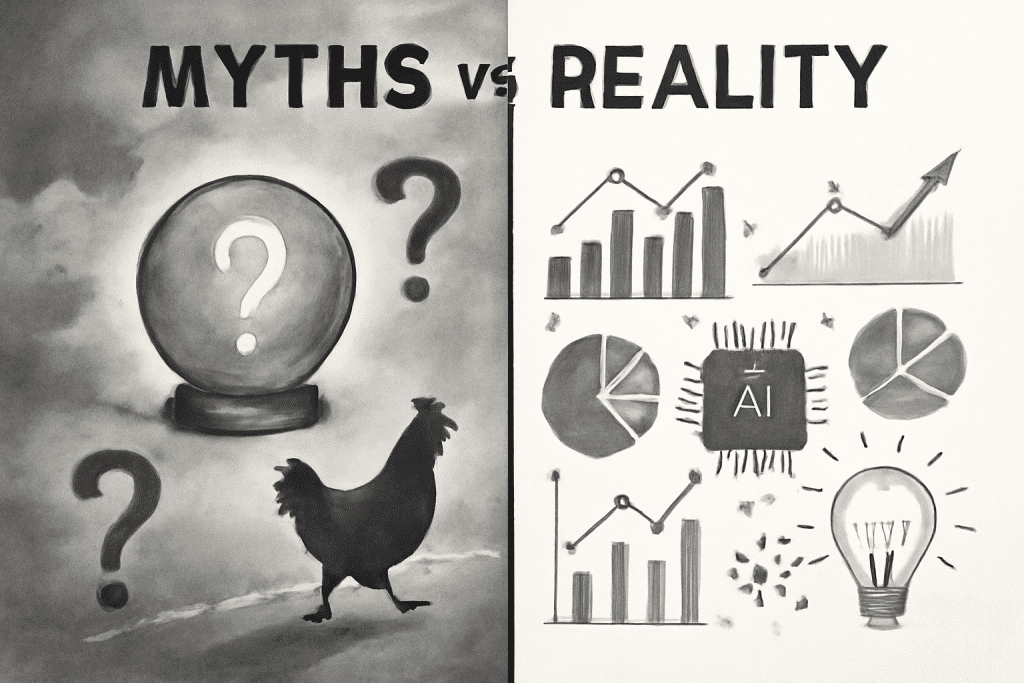
Introduction Predictive analytics has rapidly become one of the most transformative technologies reshaping industries in 2025. Businesses across sectors — from healthcare and finance to manufacturing and retail — are leveraging predictive insights to stay competitive. Yet, despite its immense potential, many misconceptions cloud the true value of predictive analytics. Some assume it’s only for tech giants; others believe it’s just about forecasting numbers. The reality is far more nuanced. In this blog, we’ll break down the myths vs. reality of predictive analytics in 2025, explore its benefits, and highlight how organizations can adopt it for sustainable growth. . 🔗 For a deeper dive into how predictive models work with AI, check out AI Page at TechOTD. What is Predictive Analytics? Predictive analytics refers to the use of historical data, statistical models, AI, and machine learning to forecast future outcomes. In 2025, predictive analytics is not only about predicting consumer behavior but also about optimizing operations, identifying risks, and enabling smarter decision-making. For example, predictive analytics now plays a key role in finance (fraud detection), healthcare (disease prediction), and manufacturing (machine maintenance). With advancements in AI and large language models, predictive analytics has become more accurate and accessible. Common Myths About Predictive Analytics Myth: Predictive Analytics is only for large enterprises.Many small businesses think predictive analytics is out of reach. Myth: It replaces human decision-making.The reality: It enhances decision-making by providing insights. Myth: Predictive models are always 100% accurate.Predictive analytics gives probabilities, not certainties. Myth: Predictive analytics is only about sales forecasting.It’s widely used in healthcare, manufacturing, finance, and education. Myth: It requires highly advanced coding knowledge.Thanks to modern tools, even non-technical professionals can leverage it. The Growing Importance of Predictive Analytics in 2025 In 2025, predictive analytics is no longer optional—it’s becoming a strategic differentiator. 📈 Businesses are leveraging it for real-time decision-making. ⚡ AI-powered predictive analytics models are improving accuracy and efficiency. 🌍 Adoption is spreading across every industry, from education to e-commerce. 🔗 Learn more about its impact across industries on TechOTD Industry Insights. Myths vs Reality in Predictive Analytics Myth 1: Predictive Analytics Can 100% Accurately Predict the Future Reality: Predictive analytics is not fortune-telling. It provides probabilistic forecasts based on data patterns—not guaranteed results. Models evolve with new data and must be continuously updated. Myth 2: Only Big Enterprises Can Use Predictive Analytics Reality: With the rise of cloud-based tools and affordable platforms, even small and medium businesses can implement predictive analytics today. Startups and SMEs use it for marketing campaigns, sales forecasting, and customer behavior analysis. Myth 3: Predictive Analytics Replaces Human Decision-Making Reality: Predictive analytics supports decision-making, but it doesn’t replace human intuition and expertise. Leaders still need to interpret results in the context of strategy and ethics. Myth 4: Predictive Analytics Requires Only AI & ML Experts Reality: While technical knowledge is valuable, modern platforms offer user-friendly dashboards and low-code/no-code solutions, making predictive analytics accessible to non-technical professionals. Myth 5: Predictive Analytics is Only About Sales Forecasting Reality: It goes far beyond sales—it improves supply chains, healthcare treatments, fraud detection, customer loyalty, education outcomes, and operational efficiency. Myth 6: Data Quantity Matters More Than Data Quality Reality: Poor-quality data produces misleading insights. In predictive analytics, data quality > data volume. Clean, reliable datasets are essential. Real-World Applications in 2025   Retail: Personalized recommendations, inventory optimization. Finance: Fraud detection, investment risk assessment. Healthcare: Predicting patient risks, treatment plans. Education: Improving student performance using data. 🔗 Read TechOTD on Tech’s Impact on Education. Logistics: Predicting delivery delays and optimizing routes. Hospitality: Guest personalization, loyalty programs. Manufacturing: Predictive maintenance and demand forecasting. Customer Service: AI-powered predictive assistance. 🔗 Learn more about this in Seamless Customer Journeys with AI. Benefits of Predictive Analytics in 2025   Benefit Impact in Business Improved Forecast Accuracy Better demand planning Cost Reduction Reduced operational inefficiencies Risk Management Fraud prevention & compliance Customer Personalization Enhanced customer experience Competitive Advantage Faster, data-driven decisions Operational Efficiency Streamlined processes Innovation Enablement New product and service design Predictive Analytics & AI in 2025 Predictive analytics is closely tied to AI and ML models. Large Language Models (LLMs), for example, are being applied in finance to predict risks and automate insights. 🔗 Check out this detailed blog: LLMs in Finance. Predictive Analytics Myths That Still Persist Even in 2025, businesses are held back by: Fear of high costs (though cloud tools make it affordable). Concerns about data privacy (solved with stricter regulations and security frameworks). Belief that it’s a one-time setup (in reality, models need continuous learning). 🔗 Learn how businesses integrate it with emerging technologies like blockchain: Blockchain in Business. Predictive Analytics & Mobile App Development Today, predictive analytics isn’t limited to enterprise dashboards. It’s embedded in mobile applications to deliver real-time insights directly to users. 🔗 Explore how apps are transforming industries at Mobile Apps Development Services. Key Points Summary Predictive analytics is about probabilities, not certainties. Businesses of all sizes can implement predictive analytics in 2025. Clean, reliable data is more important than large amounts of data. Predictive analytics complements human decision-making—it doesn’t replace it. It has wide applications: healthcare, finance, education, manufacturing, retail, and more. FAQs Q1. Is predictive analytics expensive for small businesses?Not anymore. With cloud-based solutions and SaaS tools, even startups can access predictive analytics affordably. Q2. Can predictive analytics ensure 100% accurate predictions?No—it provides probabilistic forecasts. Accuracy improves with high-quality data and refined models. Q3. What skills are required to use predictive analytics?While technical skills help, modern no-code platforms allow non-technical users to access predictive insights. Q4. How is predictive analytics different from AI?Predictive analytics is a subset of AI focused on forecasts. AI covers a wider scope including decision-making, automation, and generative models. Q5. Where can I learn more about predictive analytics software and its features? 🔗 Visit Predictive Analytics Software Development Guide. Conclusion In 2025, predictive analytics is no longer futuristic—it’s an essential business capability. However, separating myths from reality is crucial for businesses to unlock its real potential. By focusing on quality data, continuous model

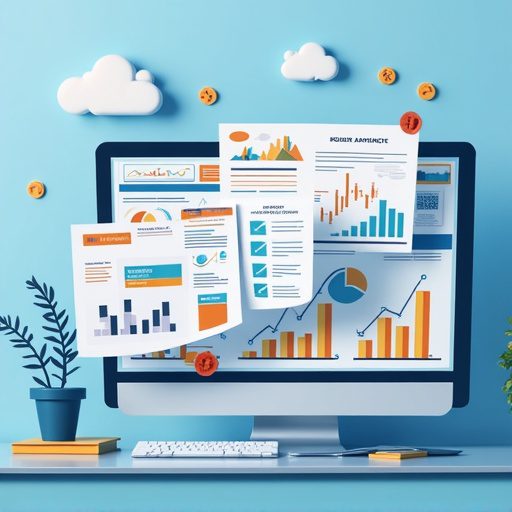
A suitable alt text for a feature image comparing Business Intelligence and Business Analytics could be: "Illustration highlighting the difference between Business Intelligence, focused on reporting and historical data analysis, and Business Analytics, emphasizing predictive modeling and future trend forecasting
Business Analytics

Business Intelligence vs Business Analytics

  Introduction In the digital age, data is often referred to as the “new oil.” Organizations generate massive amounts of information every second—from customer interactions and financial transactions to supply chain processes and social media engagements. Harnessing this data is no longer optional; it is a necessity for survival and growth. Two of the most powerful approaches to data-driven decision-making are Business Intelligence (BI) and Business Analytics (BA). While both aim to improve decision-making, they differ in purpose, methodology, and outcomes. Data Analytics in Banking: Transforming Finance in 2025 This blog explores the differences between Business Intelligence and Business Analytics, compares their strengths, highlights use-cases across industries, and helps you decide which approach—or combination—is the best fit for your organization. What is Business Intelligence (BI)? Business Intelligence refers to a set of processes, architectures, and technologies that transform raw data into meaningful insights. It is largely descriptive in nature, focusing on understanding what has happened and what is happening now. BI enables organizations to track KPIs, visualize performance, and monitor trends in real time. Instead of predicting the future, BI provides visibility into the present and past to improve operational efficiency. Key Features of Business Intelligence Data Warehousing & ETL (Extract, Transform, Load) → Ensures accurate, cleansed, and integrated data. Real-time dashboards → Easy-to-understand visualizations for quick insights. Standardized reporting → Ensures consistent reporting across departments. KPI monitoring → Tracks revenue, sales performance, employee productivity, etc. Alerts & anomaly detection → Flags unusual changes in data trends.  Example: Retailers use BI dashboards to monitor daily sales, store performance, and inventory levels in real time. What is Business Analytics (BA)? Business Analytics goes a step beyond BI. Instead of just describing “what happened,” BA seeks to answer why it happened and what might happen in the future. It relies on advanced techniques like statistical modeling, predictive analytics, machine learning, and AI. Business Analytics is diagnostic, predictive, and prescriptive, helping organizations make strategic and tactical decisions. Key Features of Business Analytics Predictive Analytics & Forecasting → Estimate sales trends, demand, or customer churn. Data Mining & Pattern Recognition → Discover hidden trends in customer behavior. Machine Learning & AI Integration → Automate decision-making through intelligent systems. What-if Scenario Analysis → Simulate multiple strategies before implementation. Root Cause Analysis → Understand the “why” behind business challenges.  Example: Banks use BA models to detect fraudulent transactions and predict loan defaults. Business Intelligence vs Business Analytics: Side-by-Side Comparison Aspect Business Intelligence (BI) Business Analytics (BA) Focus Descriptive (What happened?) Predictive & Prescriptive (Why & What Next?) Data Historical & current operational data Historical, current, and external datasets Questions Addressed “What is happening?” “Why is it happening? What will happen?” Tools Dashboards, Data Warehouses, Reporting Tools Statistical Models, ML Frameworks, AI Platforms Users Business users, Managers, Analysts Data Scientists, Advanced Analysts Purpose Monitoring & Reporting Forecasting, Optimization & Strategy When to Choose Business Intelligence Choose BI if: You need real-time operational visibility. You want standardized reports and KPIs for decision-making. Your goal is to improve daily operations and efficiency. You need user-friendly dashboards accessible by all employees. Example: A logistics company monitoring daily shipment tracking. When to Choose Business Analytics Choose BA if: You need predictive insights into market trends and customer behavior. You want to simulate business scenarios before investing resources. You are ready to invest in data science talent and advanced tools. You aim for long-term strategy and competitive advantage.  Example: An eCommerce business predicting which products will trend next season. Industry Applications of BI and BA  Retail → BI for sales dashboards, BA for demand forecasting. Healthcare → BI for patient records monitoring, BA for predicting disease outbreaks. Finance → BI for compliance reports, BA for fraud detection. Manufacturing → BI for production tracking, BA for predictive maintenance. E-Commerce → BI for order fulfillment tracking, BA for personalized recommendations. Challenges in BI and BA Implementation  Data Silos: Information scattered across departments. High Costs: Investment in infrastructure, talent, and tools. Change Management: Employees may resist adopting new systems. Data Privacy & Compliance: GDPR, HIPAA, etc. Skill Gaps: BI requires analysts; BA requires data scientists. Future Trends in BI and BA  AI-Driven Automation → BI dashboards enhanced with automated recommendations. Natural Language Processing (NLP) → Ask data questions in plain English. Cloud BI/BA → Cost-effective, scalable solutions. Blockchain in Analytics → Data authenticity and secure sharing. Embedded Analytics → Integrating BI/BA directly into business apps (CRM, ERP). ROI Analysis: BI vs BA BI ROI → Immediate efficiency gains, reduced reporting time, faster decisions. BA ROI → Long-term revenue growth, reduced risks, improved strategic planning. How TechOTD Supports BI & BA Needs BI Solutions: Data warehousing, dashboards, KPI tracking. BA Solutions: Predictive analytics, ML models, AI integration. Cloud Infrastructure: Secure, scalable, and cost-effective. Industry Expertise: eCommerce, finance, healthcare, and more. Conclusion  The choice between Business Intelligence and Business Analytics depends on your organization’s maturity, goals, and resources. If your focus is operational reporting and monitoring, BI is the way to go. If you want to predict future outcomes and drive innovation, BA is essential. The most successful organizations combine both BI and BA to build a full-fledged data-driven culture. Partnering with an expert like TechOTD ensures you have the right mix of strategy, technology, and execution. Ready to take your business forward? Connect with TechOTD today to implement a tailored BI & BA solution for competitive advantage. FAQ Q1. Can a company use both BI and BA?Yes. BI ensures operational efficiency while BA drives strategic foresight. Together they provide a 360° view. Q2. Do small businesses also need BI/BA?Absolutely. Even startups benefit from simple BI dashboards or predictive sales analytics. Q3. What skills are needed for BA?Statistical analysis, programming (Python/R), data visualization, and ML frameworks. Q4. How long does BI or BA implementation take?3–12 months depending on scale, data quality, and tools used. Q5. What are the most popular BI tools?Power BI, Tableau, QlikView, Looker. Q6. What are the most popular BA tools?R, Python, SAS, Apache Spark, TensorFlow. Q7. How secure is data in BI

How would you like me to respond?

Select a personality for your AI assistant

Normal
Happy
Sad
Angry

Your selection will affect how the AI assistant responds to your messages

Chat Assistant

Let's discuss your project!

Hear from our clients and why 3000+ businesses trust TechOTD

Tell us what you need, and we'll get back with a cost and timeline estimate

Scroll to Top