data analytics

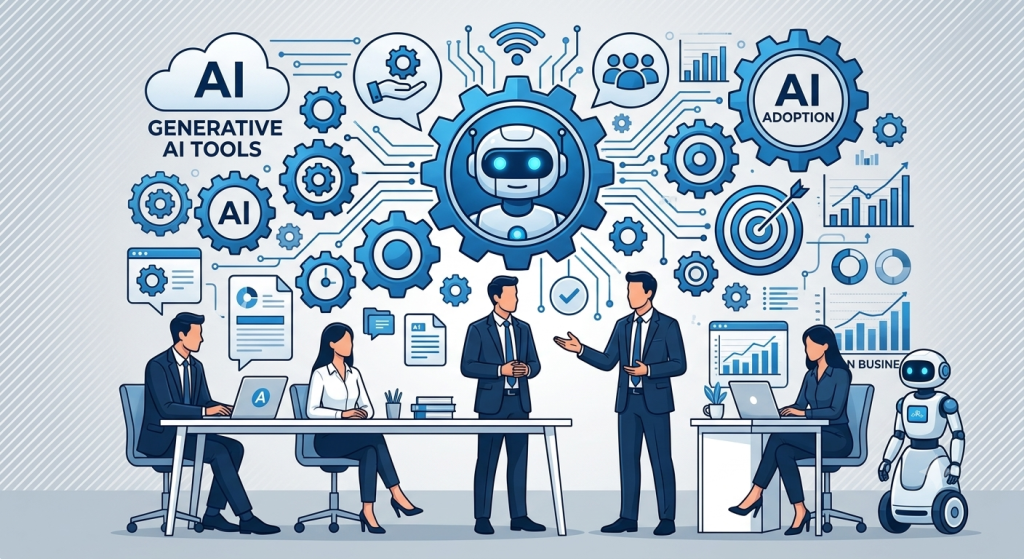
Business team using artificial intelligence tools to improve productivity, automate tasks, and analyze data for better decision-making.
Artificial Intelligence

What Businesses Need to Know About AI

Introduction Businesses today are operating in a world where data is growing faster than teams can manually process it. AI helps bridge that gap by automating repetitive tasks, analyzing large volumes of information, and surfacing patterns that are difficult to spot by hand. This makes AI valuable across departments such as customer service, marketing, operations, finance, and product development. Artificial intelligence is no longer just a tech trend; it is a practical business tool that can improve efficiency, support decision-making, and create new growth opportunities. For most companies, the real question is not whether to use AI, but how to use it responsibly and effectively. One of the biggest reasons businesses are adopting AI is speed. Tasks that once took hours, like sorting customer requests, summarizing reports, or identifying trends, can now be handled much faster with AI-assisted systems. That speed can lead to lower costs, better productivity, and quicker responses to market changes. AI also helps companies make better decisions. Predictive analytics, machine learning, and natural language tools can turn raw data into insights that guide planning and strategy. For example, businesses can use AI to forecast demand, detect unusual patterns, improve customer targeting, or personalize services. At the same time, businesses need to understand that AI is not a magic solution. It works best when people supervise it, review its output, and apply judgment where needed. If a company uses AI without clear policies, it can run into issues involving privacy, security, bias, misinformation, or over-automation. That is why business leaders should think about AI in a balanced way. The companies that benefit most will be the ones that choose the right use cases, train their teams, protect sensitive data, and treat AI as a support system rather than a replacement for human expertise. In practice, this means starting small, measuring results, and building trust as adoption grows. What to know AI can automate repetitive work and save time. AI is most useful when it helps people make faster, better decisions. Human oversight is still essential for accuracy and trust. Data privacy, security, and compliance must be planned from the start. The best AI projects begin with a clear business problem, not just the desire to use AI. Conclusion Businesses need to know that AI can create real value, but only when it is used thoughtfully. The strongest results come from using AI to support people, improve processes, and make data more useful. Companies that invest in training, governance, and the right use cases will be better prepared for the future. In simple terms, AI is not just about technology; it is about building a smarter, more adaptable business. FAQ What is AI in business? AI in business means using artificial intelligence tools to automate tasks, improve operations, analyze data, and support decision-making. Why should businesses care about AI? Businesses should care because AI can reduce costs, improve efficiency, and help teams work with data more effectively. Does AI replace employees? Not usually. AI is best used to support employees by handling repetitive work so people can focus on higher-value tasks. What are the biggest risks of AI for businesses? The main risks include poor data security, privacy issues, biased outputs, over-reliance on automation, and inaccurate results. Where should a business start with AI? Start with one clear problem, such as customer support, reporting, scheduling, or data analysis, and test AI in a controlled way. Is AI only useful for large companies? No, small businesses can also benefit from AI tools for marketing, productivity, customer service, and analysis.

Cloud Computing and Technology, Digital Transformation, Technology

The Rise of Edge Computing: Why Processing Data Closer Matters

The Rise of Edge Computing: Why Processing Data Closer Matters The digital world is generating more data than ever before. Every smartphone notification, smart home device, connected vehicle, industrial sensor, and online interaction contributes to an ever-growing stream of information. For years, businesses have relied on cloud computing to store, manage, and process this data. While cloud technology revolutionized the way organizations operate, the explosion of connected devices has revealed a critical challenge: speed. Imagine a self-driving car traveling at high speed. If it encounters an obstacle, it cannot afford to send data to a distant cloud server, wait for processing, and then receive instructions. Even a delay of a few milliseconds could have serious consequences. The same challenge exists in manufacturing plants, healthcare facilities, smart cities, and countless other environments where immediate decisions are essential. This is where edge computing enters the picture. Edge computing is changing how organizations process information by bringing computing power closer to where data is created. Instead of sending every piece of information to a centralized cloud, data can be analyzed and acted upon near the source itself. This shift is helping businesses improve performance, reduce latency, enhance security, and unlock entirely new possibilities for innovation. As technologies like artificial intelligence, the Internet of Things (IoT), and 5G continue to evolve, edge computing is rapidly becoming one of the most important pillars of modern digital infrastructure. Understanding Edge Computing At its core, edge computing refers to processing data near the device or location where it is generated rather than transmitting it to a centralized data center or cloud server. Traditionally, data generated by devices would travel across networks to cloud servers where it would be processed and stored. The results would then be sent back to the device or application. While this approach works well for many scenarios, it introduces delays that can become problematic when immediate responses are required. Edge computing addresses this challenge by moving computing resources closer to the “edge” of the network. The edge can be a local server, a gateway device, a factory machine, a retail system, or even the device itself. Rather than depending entirely on distant cloud infrastructure, edge devices can analyze information in real time and make decisions instantly. The cloud still plays an important role, but it becomes part of a larger ecosystem where processing is distributed intelligently. This approach significantly improves efficiency while enabling applications that would be difficult or impossible to support through cloud-only architectures. Why the Need for Edge Computing Is Growing The rise of edge computing is closely connected to the rapid growth of connected devices. Industry experts estimate that billions of IoT devices are now generating massive volumes of data every day. From wearable fitness trackers and smart thermostats to industrial robots and connected vehicles, these devices continuously produce information that requires processing. Sending every bit of this data to the cloud creates several challenges. First, network congestion becomes a concern. The more data that travels across networks, the greater the strain on bandwidth resources. Second, latency can negatively impact user experiences and operational efficiency. Applications requiring real-time responses cannot tolerate delays. Third, transmitting large volumes of data to the cloud increases costs associated with bandwidth and storage. Finally, organizations face growing concerns about privacy, security, and regulatory compliance. Edge computing helps solve these issues by allowing data to be processed locally while only transmitting relevant information to the cloud when necessary. As businesses continue to embrace digital transformation, the demand for faster and more intelligent processing is making edge computing increasingly valuable. The Latency Advantage One of the biggest reasons organizations invest in edge computing is latency reduction. Latency refers to the time it takes for data to travel from its source to a processing location and back again. Even small delays can create significant problems in certain applications. Consider a smart manufacturing facility where machines operate with incredible precision. Sensors continuously monitor temperature, pressure, vibration, and performance metrics. If a machine begins to malfunction, immediate action may be required to prevent costly downtime. With cloud-based processing, the delay involved in transmitting data could slow down response times. Edge computing enables instant analysis directly within the facility, allowing maintenance teams to address issues before they escalate. The same principle applies to autonomous vehicles, remote healthcare monitoring, financial trading systems, and augmented reality applications. By processing data closer to where it originates, organizations can achieve near-instant decision-making capabilities. Enhancing Real-Time Decision Making Modern businesses increasingly rely on real-time insights to remain competitive. Customers expect immediate responses. Operations demand continuous optimization. Systems need to adapt dynamically to changing conditions. Edge computing supports these requirements by enabling faster decision-making at the source. For example, a smart retail store can use edge-powered cameras and sensors to analyze customer behavior in real time. Store managers can monitor foot traffic, optimize product placement, and improve customer experiences without waiting for cloud-based analytics. Similarly, healthcare providers can use edge-enabled monitoring devices to track patient vitals continuously. If a patient’s condition changes suddenly, alerts can be generated instantly, potentially saving lives. The ability to process information in real time creates opportunities that extend far beyond simple efficiency improvements. It enables businesses to become more proactive, responsive, and intelligent. Edge Computing and the Internet of Things The Internet of Things and edge computing are closely connected technologies. IoT devices generate enormous amounts of data, much of which requires immediate analysis. Without edge computing, organizations would struggle to manage this growing information flow effectively. Imagine a smart city equipped with thousands of connected sensors monitoring traffic, air quality, public transportation, and energy usage. If every sensor continuously transmitted data to centralized cloud systems, network infrastructure could quickly become overwhelmed. Edge computing allows local processing to occur near these sensors. Relevant insights can be generated instantly while only critical data is sent to the cloud for long-term analysis. This approach improves performance, reduces network traffic, and enhances overall system reliability. As IoT adoption continues to accelerate, edge computing will

Business Analytics, Business Intelligence, Data Analytics, Digital Transformation

The Role of Data Analytics in Business Growth and Decision-Making

The Role of Data Analytics in Business Growth and Decision-Making For generation after generation, the ultimate business icon was the “gut-instinct executive.” We’ve all seen this character celebrated in business memoirs and biographies—the visionary leader who walks into a high-stakes boardroom, ignores the paperwork, listens to their inner voice, and makes a massive, multi-million-dollar gamble that somehow pays off perfectly. It was a romantic, thrilling way to think about entrepreneurship. But if you peel back the curtain on the businesses that are consistently dominating their industries today, you’ll find that the era of relying entirely on blind gut feelings is officially over. Running a business in 2026 without data analytics is the equivalent of flying a commercial airliner in a dense storm with the windshield blacked out and the dashboard instruments turned off. You might feel like you’re moving in the right direction, but you are structurally blind to the terrain around you. Data analytics isn’t about burying your company under cold, intimidating mountains of mathematical equations or sterile code blocks. At its heart, data analytics is a deeply human pursuit: it is the act of turning raw, chaotic digital footprints into clear, actionable stories. It is the compass that takes the terrifying guesswork out of scaling a business. Let’s dive deep into the real-world role of data analytics, how it reshapes corporate decision-making, and how your enterprise can leverage it to fuel sustainable growth. 1. The Maturity Curve: Moving Beyond the Rearview Mirror Many organizations believe they are practicing data analytics simply because they review a monthly financial statement or track basic website traffic hits. But data analytics isn’t a single, static task; it is a progressive maturity curve. To truly unlock business growth, an organization must transition from looking backward to looking forward. ┌─────────────────────────────────────────┐ │ THE DATA ANALYTICS CONTINUUM │ └────────────────────┬────────────────────┘ │ ┌───────────────────┬─────────────┴─────────────┬───────────────────┐ ▼ ▼ ▼ ▼ ┌─────────────────┐ ┌─────────────────┐ ┌─────────────────┐ ┌─────────────────┐ │ Descriptive │ │ Diagnostic │ │ Predictive │ │ Prescriptive │ │ Analytics │ │ Analytics │ │ Analytics │ │ Analytics │ ├─────────────────┤ ├─────────────────┤ ├─────────────────┤ ├─────────────────┤ │ “What happened?”│ │ “Why did it │ │ “What is likely │ │ “How can we │ │ (The Past) │ │ happen?” │ │ to happen?” │ │ make it happen?”│ └─────────────────┘ └─────────────────┘ └─────────────────┘ └─────────────────┘ Phase 1: Descriptive Analytics (“What happened?”) This is the foundational baseline. It compiles historical data to show you the past. It looks like your basic QuickBooks reports, monthly sales totals, or social media engagement tallies. It tells you the state of the union, but it doesn’t explain the underlying mechanics. Phase 2: Diagnostic Analytics (“Why did it happen?”) This phase digs below the surface to uncover anomalies and correlations. If your sales suddenly dropped by 15% in May, diagnostic analytics isolates the variables: it cross-references the drop with a simultaneous technical glitch on your checkout page or a aggressive ad campaign launched by a direct competitor. Phase 3: Predictive Analytics (“What is likely to happen?”) This is where data begins to actively drive growth. By feeding historic patterns and current market variables into statistical models, businesses can forecast future consumer trends, seasonal demand spikes, and inventory constraints with incredible precision. Phase 4: Prescriptive Analytics (“How can we make it happen?”) The absolute peak of the curve. Prescriptive analytics doesn’t just predict a future scenario; it acts as an automated strategic advisor, testing thousands of simulations to recommend the exact business moves, pricing adjustments, or supply chain changes required to optimize your profit margin. 2. Transforming the Boardroom: From Loudest Opinion to Hard Truths We’ve all sat in business meetings that quickly devolved into an exhausting shouting match. The marketing director is convinced the company needs to spend more money on video ads because of a trend they saw online. The sales director insists that discounting the product tier is the only way to hit quarterly targets. Traditionally, the tie-breaking vote went to the HIPPO—the Highest Paid Person’s Opinion. Data analytics completely re-engineers this toxic cultural dynamic. When an organization embraces data fluency, decisions are democratized and stripped of personal ego. Instead of debating unverified assertions, team members bring clean, cross-verified data dashboards to the table. You no longer argue about whether a marketing campaign is “good” or “bad” based on subjective aesthetics. Instead, you look directly at your Customer Acquisition Cost (CAC), Lifetime Value (LTV) ratios, and drop-off points in the sales funnel. Data shifts the corporate focus away from who is right, and centers it squarely on what is right for the customer and the bottom line. 3. The Core Engines of Growth Driven by Analytics When deployed intentionally, data analytics operates as a high-powered engine that accelerates growth across three foundational pillars of your enterprise: Pillar 1: Radical Customer Closeness and Personalization In modern commerce, consumers leave a rich trail of digital breadcrumbs wherever they go. Analytics aggregates these touchpoints—what time they open your emails, how long they hover over a pricing tier, what questions they type into your support chat—to build highly accurate behavioral archetypes. Instead of treating your audience as a single, generic demographic block, you can dynamically tailor your web copy, product bundles, and outreach timing to match an individual’s exact position in the buying journey. This hyper-personalization builds deep customer loyalty and drastically drives up retention rates. Pillar 2: Identifying Hidden Operational Leaks Growth isn’t just about bringing more revenue in through the front door; it’s about stopping capital from quietly leaking out the back door. Operational data analytics continuously audits your internal workflows. It flags delivery trucks that are wasting fuel on inefficient routes, spots manufacturing machinery that is showing signs of mechanical wear before it suffers a costly breakdown, and highlights customer service issues that take up disproportionate team time. Cleaning up these quiet internal inefficiencies instantly maximizes your net margins. Pillar 3: Risk Mitigation and Market Navigation Expanding into a new market, launching a new product line, or altering your pricing strategy is inherently risky. Data analytics functions as a low-cost testing

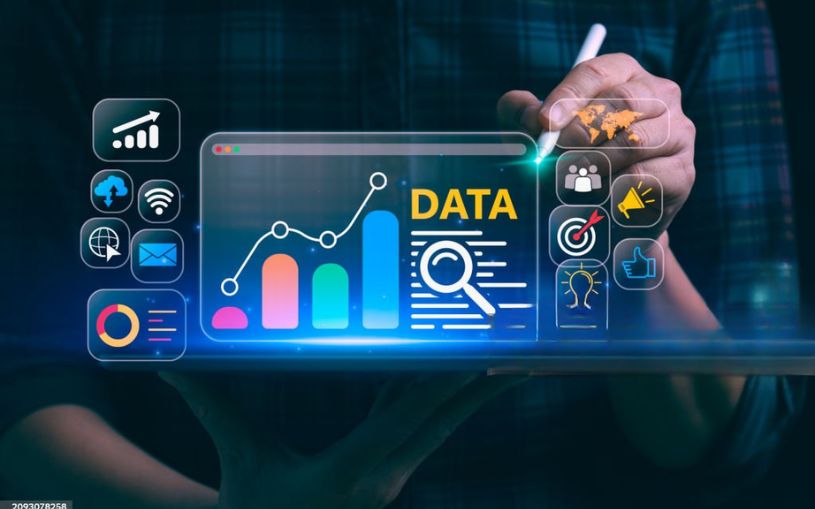
IT consultants analyzing future technology trends using data analytics dashboard
IT consulting

Top IT Consulting Trends Shaping the Future of Business

Top IT Consulting Trends Shaping the Future of Business In today’s rapidly evolving digital world, IT consulting plays a crucial role in helping organizations stay ahead of the competition. From automation to sustainability, consultants are guiding businesses through technological innovation and transformation. Let’s explore the key IT consulting trends shaping the future of business in 2025 and beyond. Artificial Intelligence and Automation Artificial Intelligence (AI) and automation are revolutionizing the IT consulting landscape. Consultants are helping businesses leverage AI to optimize operations, reduce manual workload, and enhance decision-making accuracy. AI-powered automation tools are being deployed in data management, cybersecurity, and customer service. Chatbots now handle 24/7 customer queries, predictive algorithms forecast sales trends, and AI-based analytics provide deep insights into consumer behavior. Moreover, automation in IT processes such as system updates, bug detection, and maintenance reduces downtime and improves reliability. By adopting AI, organizations can achieve smarter workflows, boost productivity, and make better business decisions in real time. Cloud-First Strategies The cloud-first approach has become a fundamental trend in IT consulting. With the rise of remote work and digital collaboration, businesses are migrating to cloud platforms for scalability, flexibility, and cost-effectiveness. IT consultants assist in designing and executing seamless cloud migration strategies while ensuring minimal disruption to daily operations. They evaluate whether a public, private, or hybrid cloud solution fits the company’s needs and security policies. Cloud computing also empowers global collaboration—employees can access data and applications anytime, anywhere. As cybersecurity risks increase, consultants play a crucial role in implementing encryption, identity management, and compliance standards across cloud infrastructures. Cybersecurity as a Priority As businesses embrace digital transformation, cybersecurity has become a top concern. With cyberattacks growing more sophisticated, IT consultants are focusing on proactive security planning and defense strategies. Modern IT consulting emphasizes risk management, real-time monitoring, and multi-layered security frameworks. Consultants perform penetration testing, vulnerability assessments, and employee security training to strengthen defenses. They also recommend Zero Trust Architecture (ZTA), ensuring that every device and user is verified before accessing any data. This trend demonstrates a significant shift from reactive security to preventive protection, where cybersecurity is embedded in every layer of the business ecosystem. Data-Driven Decision Making Data has become the new oil in today’s economy. Businesses that effectively utilize data can unlock insights to drive smarter decisions. IT consultants are helping organizations design data-driven frameworks that transform raw data into actionable strategies. Through advanced analytics and business intelligence tools like Power BI and Tableau, companies can measure performance, track customer preferences, and predict future trends. Consultants help establish data governance models, ensuring data integrity and compliance with privacy regulations like GDPR and CCPA. Predictive analytics, powered by AI, is enabling organizations to anticipate market shifts, optimize inventory, and personalize customer experiences. The ability to make data-backed decisions gives companies a competitive edge and improves overall operational efficiency. Sustainable IT Consulting Sustainability is no longer just a corporate buzzword—it’s a necessity. IT consulting is now embracing eco-friendly technologies to reduce environmental impact while maintaining performance. Consultants advise on optimizing energy consumption in data centers, implementing virtual infrastructure, and adopting cloud solutions that cut down hardware waste. They also perform Green IT audits to assess an organization’s carbon footprint and recommend eco-conscious practices. Sustainable IT consulting not only benefits the planet but also reduces operational costs and strengthens brand reputation. By investing in green technology, businesses appeal to environmentally conscious customers and investors alike. Emergence of Remote IT Consulting The global shift toward hybrid and remote work has opened new opportunities for remote IT consulting. Businesses can now access expertise from consultants across the world through virtual collaboration tools. This trend has reduced operational costs while increasing access to a broader talent pool. IT consultants can remotely perform tasks such as system audits, security analysis, and software deployment. As digital communication tools become more advanced, remote consulting will remain a key trend in the years ahead. Conclusion The IT consulting industry is at the forefront of technological change, helping businesses navigate complex challenges and embrace innovation. From artificial intelligence and cloud-first strategies to cybersecurity and sustainability, consultants are shaping the future of digital transformation. Organizations that stay informed about these trends and work with experienced IT consultants will not only enhance efficiency but also build long-term resilience in an ever-changing digital economy. By aligning technology with business goals, IT consulting ensures that companies remain agile, secure, and future-ready in 2025 and beyond. FAQs 1. What are the biggest IT consulting trends in 2025?The major trends include AI automation, cloud-first strategies, cybersecurity enhancement, data-driven insights, and sustainable IT solutions. 2. How does IT consulting help in business growth?IT consultants identify technology opportunities, streamline processes, and implement strategies that increase efficiency and reduce costs. 3. What role does cloud computing play in IT consulting?Cloud computing enables flexibility, scalability, and remote collaboration, making it a central component of IT consulting services. 4. Why is data-driven decision-making important?It allows organizations to make strategic choices based on real insights rather than assumptions, improving performance and customer satisfaction. 5. How does sustainability impact IT consulting?Sustainable IT consulting promotes eco-friendly technologies that lower energy consumption, reduce costs, and improve corporate responsibility. Connect with us

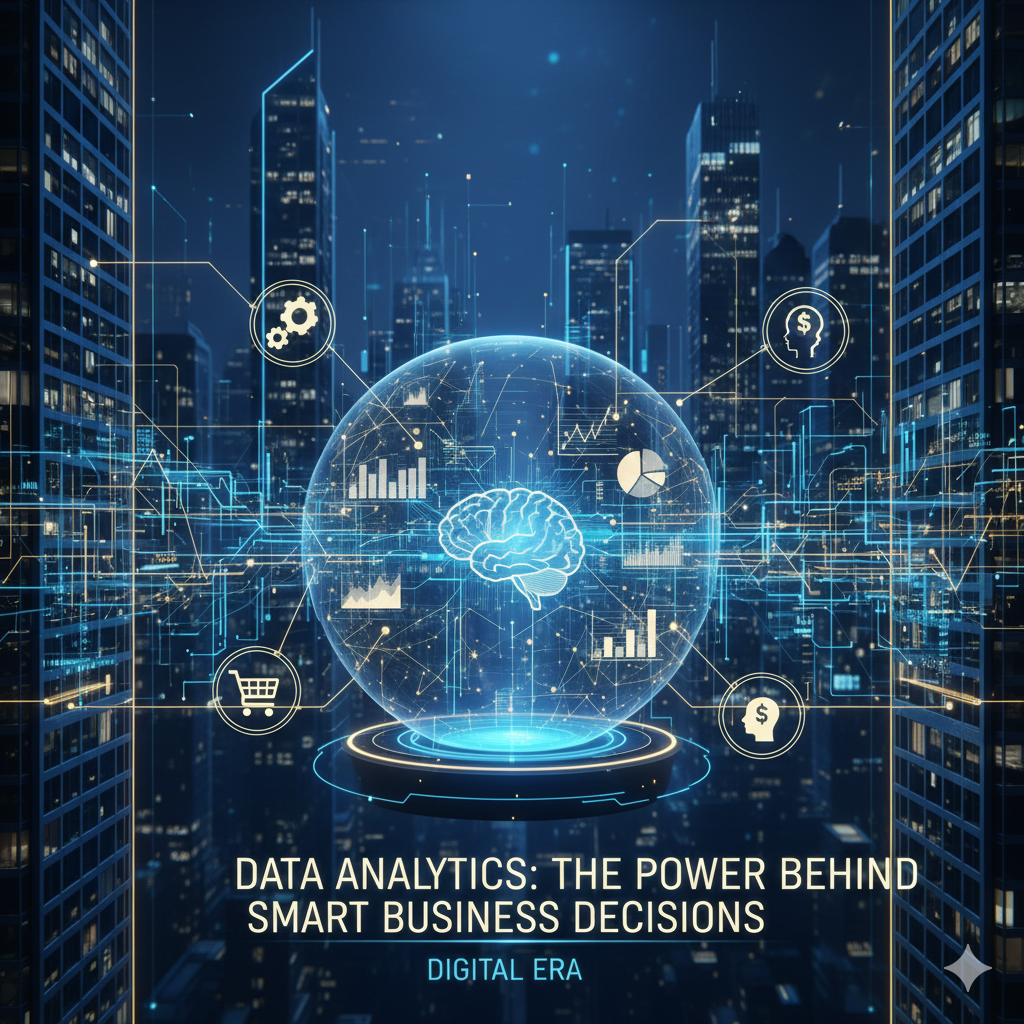
Futuristic digital city with glowing data analytics icons and brain hologram symbolizing smart business intelligence
Data Analytics

The Power Behind Smart Business Decisions in the Digital Era

Introduction In today’s digital-first world, data has become one of the most valuable resources for organizations. From e-commerce and healthcare to banking and education, every industry relies on data to make smarter, evidence-based decisions. Data Analytics bridges the gap between raw information and meaningful insights, empowering businesses to innovate, optimize operations, and predict future trends. What is Data Analytics? Data Analytics is the process of examining raw data to discover patterns, trends, and insights that can help make informed decisions. It involves collecting, cleaning, processing, and interpreting data using statistical and computational methods. Simply put, it helps answer questions like: What happened? Why did it happen? What will happen next? What should we do about it? Why Data Analytics Matters Organizations generate massive amounts of data every day — from customer interactions to online transactions. Data analytics helps transform this chaos into clarity. It enables companies to: Understand customer behavior Optimize marketing strategies Reduce operational costs Improve product quality Predict future market trends Businesses using data analytics are more agile, customer-centric, and profitable compared to those relying solely on intuition. Types of Data Analytics There are four main types of data analytics, each serving a unique purpose: Descriptive Analytics – Answers “What happened?” by summarizing past data. Diagnostic Analytics – Answers “Why did it happen?” by identifying causes and relationships. Predictive Analytics – Answers “What might happen?” using statistical models and machine learning. Prescriptive Analytics – Answers “What should we do?” by suggesting data-driven actions. Key Components of Data Analytics Data Collection: Gathering data from various sources like databases, APIs, and IoT devices. Data Cleaning: Removing inconsistencies, duplicates, and errors to ensure accuracy. Data Processing: Structuring data for analysis using tools and programming languages. Data Analysis: Applying algorithms, visualization, and statistical techniques. Data Interpretation: Turning results into actionable business strategies. Data Analytics Tools and Technologies Some popular tools and technologies include: Excel – Basic analytics and visualization. Python and R – For advanced statistical and machine learning models. Tableau and Power BI – For creating interactive dashboards. Apache Hadoop and Spark – For handling large-scale data. SQL – For querying structured databases. Google Analytics – For web and marketing analytics. Real-World Applications of Data Analytics Retail: Personalized recommendations and inventory optimization. Healthcare: Predicting disease outbreaks and improving patient care. Finance: Fraud detection and credit risk assessment. Manufacturing: Quality control and predictive maintenance. Education: Tracking student performance and customizing learning plans. Sports: Enhancing team performance using real-time stats. Benefits of Implementing Data Analytics Improved decision-making Enhanced customer experience Reduced costs and inefficiencies Increased innovation and competitiveness Real-time monitoring and performance evaluation Challenges in Data Analytics Despite its advantages, data analytics faces several challenges: Data privacy and security concerns Shortage of skilled professionals Integrating data from multiple sources Managing data quality and governance High implementation costs for small businesses Future Trends in Data Analytics Artificial Intelligence (AI) Integration: AI-driven analytics will automate insights. Edge Analytics: Real-time analysis on devices close to data sources. Augmented Analytics: Natural language processing (NLP) for easier data interaction. Cloud-Based Analytics: Scalable and cost-effective solutions for businesses of all sizes. Data Democratization: Empowering non-technical users to make data-driven decisions. Conclusion Data Analytics is no longer a luxury — it’s a necessity for organizations aiming to stay competitive in the digital age. From improving customer engagement to predicting market behavior, it helps businesses make informed, timely, and impactful decisions. As technology evolves, the role of analytics will continue to expand, unlocking even more opportunities for innovation and growth. Top Mobile App Development Frameworks in 2025 FAQs Q1. What is data analytics in simple terms?It is the process of analyzing raw data to find useful information for decision-making. Q2. How is data analytics different from data science?Data science focuses on developing algorithms and models, while analytics focuses on applying those models for business insights. Q3. Which industries use data analytics the most?Finance, healthcare, retail, e-commerce, and manufacturing industries rely heavily on analytics. Q4. What skills are needed for a career in data analytics?Statistical knowledge, Python/R programming, SQL, data visualization, and critical thinking. Q5. Is data analytics a good career option?Yes! It’s one of the most in-demand and high-paying career paths in the tech industry. Q6. What are some free tools to start learning data analytics?Google Analytics, Tableau Public, Power BI (free version), and Excel.

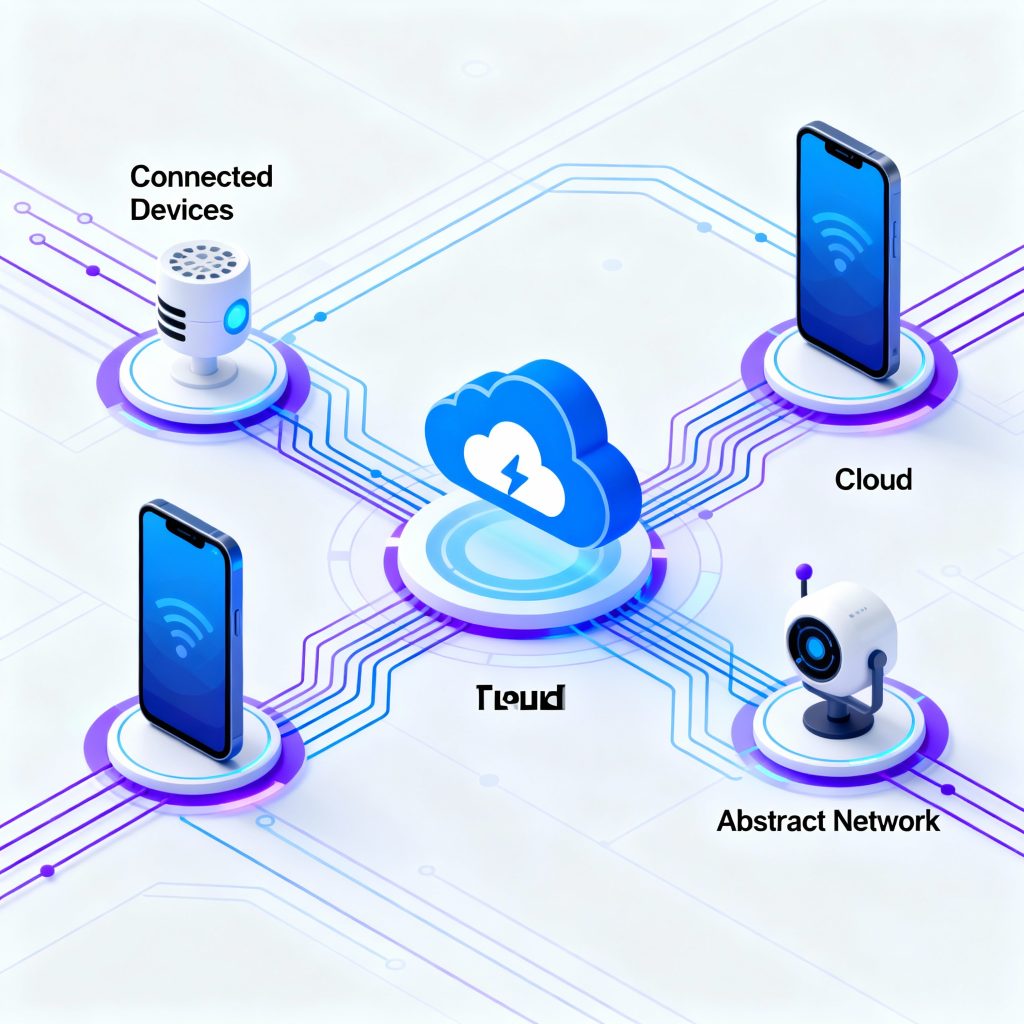
Digital cloud network symbolizing data storage and online connectivity.
Cloud Computing and Technology

The Role of Cloud Computing in Digital Transformation

Introduction In today’s rapidly evolving digital world, cloud computing has emerged as the foundation of transformation across industries. From startups to Fortune 500 companies, organizations are migrating their systems, applications, and data to the cloud to unlock agility, scalability, and innovation. Digital transformation is not merely about adopting technology — it’s about reimagining how a business operates, delivers value, and interacts with customers. Cloud computing makes this possible by providing on-demand access to computing resources that drive automation, data analytics, and artificial intelligence — without the constraints of physical infrastructure. This blog explores how cloud computing is shaping the digital era, its benefits, key technologies, challenges, and its indispensable role in driving business modernization. What is Cloud Computing? Cloud computing refers to the delivery of computing services — such as servers, storage, databases, networking, software, and analytics — over the internet (“the cloud”). Instead of owning and maintaining hardware, organizations rent access from cloud providers like Amazon Web Services (AWS), Microsoft Azure, and Google Cloud Platform (GCP). Cloud computing enables flexibility, cost-efficiency, and scalability, making it easier for companies to innovate and compete globally. The Three Main Types of Cloud Computing Infrastructure as a Service (IaaS):Provides virtualized computing resources like servers, storage, and networking.Example: AWS EC2, Google Compute Engine. Platform as a Service (PaaS):Offers a platform for developers to build, run, and manage applications without managing infrastructure.Example: Microsoft Azure App Service, Heroku. Software as a Service (SaaS):Delivers software applications via the internet on a subscription basis.Example: Google Workspace, Salesforce, Zoom. Cloud Deployment Models Public Cloud: Services offered over the internet, accessible to multiple users. (e.g., AWS, Azure) Private Cloud: Dedicated cloud infrastructure for a single organization, offering greater control and security. Hybrid Cloud: A combination of public and private clouds for flexibility and workload optimization. Multi-Cloud: Using multiple cloud providers to avoid vendor lock-in and improve resilience. The Role of Cloud Computing in Digital Transformation 1. Enabling Agility and Innovation Cloud platforms allow businesses to deploy and scale applications instantly. Developers can test new ideas faster without waiting for physical infrastructure, fostering a culture of innovation. 2. Empowering Data Analytics and AI Cloud computing provides scalable storage and computational power for big data analytics, machine learning, and AI-driven insights.Companies can analyze massive datasets in real-time to improve decision-making and customer personalization. 3. Enhancing Collaboration and Productivity Cloud tools like Google Workspace, Microsoft 365, and Slack enable real-time collaboration across teams worldwide, boosting productivity and connectivity. 4. Strengthening Cybersecurity Modern cloud platforms offer advanced encryption, identity management, and AI-powered threat detection to protect sensitive data.For example, Microsoft Azure Security Center continuously monitors cloud environments for vulnerabilities. 5. Cost Efficiency and Scalability Cloud computing eliminates the need for large upfront hardware investments. Businesses pay only for the resources they use, scaling up or down as demand changes. 6. Supporting Remote Work The pandemic accelerated the shift to remote work — and cloud-based tools made it possible. Employees can securely access applications and files from anywhere, anytime. 7. Business Continuity and Disaster Recovery Cloud providers offer redundancy and backup solutions, ensuring business continuity even in the face of system failures or disasters. Real-World Examples of Cloud-Driven Digital Transformation 1. Netflix Netflix uses AWS to stream video content globally. Cloud scalability allows it to handle millions of users simultaneously while analyzing viewing patterns for recommendations. 2. Airbnb Airbnb relies on cloud computing for hosting its marketplace, managing bookings, and processing real-time analytics to enhance user experiences. 3. NASA NASA uses the cloud to store and share space exploration data securely and efficiently across research teams worldwide. 4. Spotify Spotify leverages Google Cloud for AI-driven music recommendations, improving user engagement and retention. Benefits of Cloud Computing in Digital Transformation Scalability: Easily adjust computing resources based on demand. Flexibility: Deploy applications and services faster across multiple regions. Innovation: Accelerates AI, IoT, and data analytics capabilities. Reduced Costs: Cuts hardware and maintenance expenses. Security and Compliance: Offers robust security frameworks with global compliance standards. Sustainability: Cloud providers use energy-efficient data centers, reducing carbon footprints. Challenges in Cloud Adoption Data Privacy and Compliance: Handling sensitive information across borders can raise legal issues. Vendor Lock-In: Dependence on one provider may limit flexibility. Downtime and Service Reliability: Internet outages can disrupt access to cloud services. Security Risks: Misconfigurations or weak access controls may lead to breaches. Cost Management: Unmonitored usage can lead to unexpected expenses. Emerging Trends in Cloud Computing 1. Multi-Cloud Strategies Organizations are increasingly adopting multi-cloud environments to avoid dependence on a single provider and enhance resilience. 2. Edge Computing Integration Combining cloud and edge computing allows data to be processed closer to the source for faster response times. 3. Serverless Architecture Developers can deploy code without managing servers, improving scalability and reducing operational costs. 4. Cloud-Native Applications Microservices and containerization (via Docker and Kubernetes) enable faster, more agile software development. 5. AI-Driven Cloud Management AI helps optimize cloud performance, automate resource allocation, and detect security threats proactively. Cloud Computing and Sustainability Cloud computing is playing a crucial role in achieving green IT goals. Major providers are investing in renewable energy and energy-efficient data centers.For example, Google Cloud aims to run entirely on carbon-free energy by 2030, setting a benchmark for sustainable digital transformation. Conclusion Cloud computing is the backbone of digital transformation — enabling businesses to become more agile, data-driven, and customer-focused.It breaks traditional IT barriers, accelerates innovation, and empowers organizations to adapt to rapidly changing markets. As companies continue to embrace cloud-based ecosystems, the future will belong to those who combine the power of cloud, AI, and edge technologies to deliver smarter, faster, and more sustainable digital solutions. FAQs 1. What role does cloud computing play in digital transformation? Cloud computing provides flexible, scalable, and cost-effective IT infrastructure that enables digital transformation across industries. 2. How does cloud computing improve business efficiency? It automates operations, enhances collaboration, and allows rapid deployment of applications without large capital investment. 3. What are examples of cloud-based tools used in business? Google Workspace, AWS, Microsoft Azure, Salesforce, and Slack

Digital transformation concept with business technology, AI data flow, and cloud computing network.
Uncategorized

Digital Transformation in 2025: How Technology Is Redefining Business and Innovation

Introduction The world is changing — and it’s happening at digital speed. Digital transformation has evolved from being a buzzword to a fundamental necessity for every business. It’s not just about adopting new technologies but about reimagining how organizations operate, deliver value, and connect with customers. In 2025, companies that embrace digital transformation are leading markets, while those that resist it risk falling behind. From cloud computing to AI-driven automation, digital innovation is redefining the global economy. What Is Digital Transformation? Digital transformation is the integration of digital technologies into all areas of business, changing how companies operate and deliver value. It involves adopting new tools, automating processes, and building a culture that embraces continuous innovation. Key aspects include: Technology Adoption: Using AI, cloud, and analytics. Process Optimization: Automating workflows and operations. Cultural Change: Encouraging adaptability and innovation. Core Technologies Powering Digital Transformation Artificial Intelligence (AI): Enables automation, predictions, and personalization. Cloud Computing: Offers scalability and remote accessibility. Internet of Things (IoT): Connects devices for real-time data exchange. Big Data Analytics: Transforms raw data into actionable insights. Blockchain: Adds transparency and security to transactions. 5G Networks: Enables faster, more reliable digital experiences. Benefits of Digital Transformation Speed & Agility: Faster decision-making and innovation. Customer Satisfaction: Real-time personalization and engagement. Cost Efficiency: Automation reduces operational expenses. Business Continuity: Cloud services ensure resilience and scalability. Sustainability: Digital solutions minimize resource waste and paper usage. Challenges in Digital Transformation While transformation offers benefits, it also brings challenges: Cybersecurity Risks: Increased digital exposure demands stronger protection. Legacy Systems: Outdated technology slows innovation. Cultural Resistance: Employees may fear change or automation. High Initial Costs: Digital tools require upfront investment. The Future of Digital Transformation The next phase of transformation focuses on AI-first ecosystems, automation, and sustainability. Hyper-Automation: Everything that can be automated will be. Green IT: Businesses are adopting eco-friendly digital solutions. AI-Driven Decision Making: Predictive insights guide leadership. Metaverse Integration: Blending digital and physical experiences. Conclusion Digital transformation is not just a technological upgrade — it’s a mindset shift. In 2025, success depends on how quickly businesses adapt to change, leverage data, and deliver value through innovation. As AI, cloud computing, and automation continue to evolve, one thing is clear: “Digital transformation is the bridge between today’s challenges and tomorrow’s possibilities.” FAQ Section Q1. What is digital transformation in simple terms?It’s the process of using technology to improve how businesses operate and serve customers. Q2. Which technologies drive digital transformation?AI, cloud computing, IoT, big data, and automation. Q3. Why is digital transformation important?It enhances efficiency, innovation, and customer satisfaction while reducing costs. Q4. What are common challenges?Cybersecurity, cost, and cultural resistance to change. Q5. Is digital transformation only for big companies?No — small and medium businesses also benefit from automation and cloud tools.

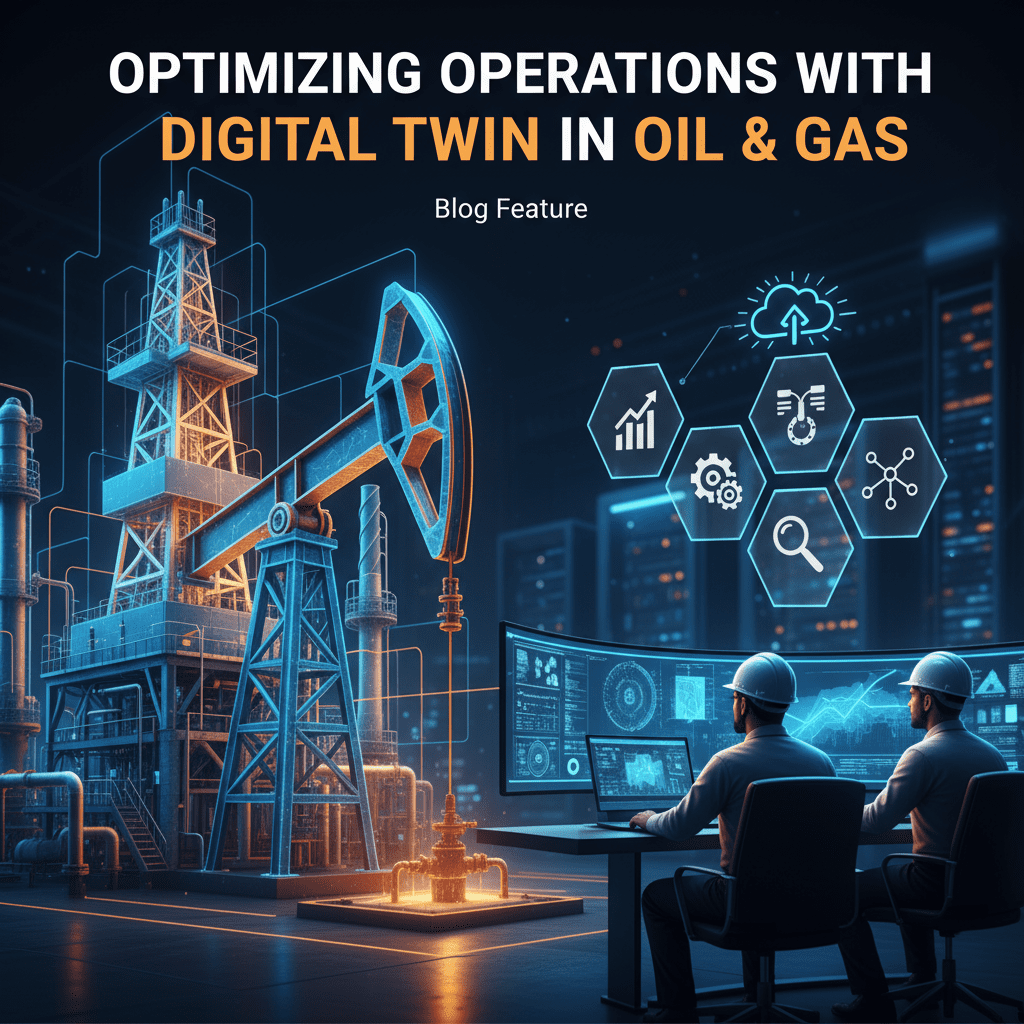
Optimizing Operations with Digital Twin in Oil and Gas
Digital Transformation

Optimizing Operations with Digital Twin in Oil and Gas

Introduction The oil and gas industry operates in a complex, high-risk environment where operational efficiency, safety, and cost management are critical. Digital twin technology—virtual replicas of physical assets or processes—is transforming how this sector monitors, manages, and optimizes its operations. By integrating real-time data with advanced simulations, digital twins enable companies to predict issues, enhance safety, and drive operational excellence. This blog explores practical use cases, benefits, common challenges, and solutions related to digital twins in oil and gas. What is a Digital Twin in Oil and Gas? A digital twin is a dynamic, virtual model mirroring the behavior of physical oil and gas assets like pipelines, refineries, or drilling rigs. Using IoT sensor data, AI, machine learning, and cloud computing, it provides continuous insights into performance, condition, and potential risks. Use Cases of Digital Twins in Oil and Gas 1. Predictive Maintenance Digital twins monitor equipment health to forecast failures before they happen, minimizing unplanned downtime and repair costs. 2. Asset Lifecycle Management Virtual replicas track assets from design and construction through operation to decommissioning, optimizing utilization and ROI. 3. Remote Monitoring and Control Operators can manage offshore platforms and remote sites through digital twins, making real-time data-driven decisions. 4. Process Optimization Simulations help refine production workflows, reduce energy consumption, and enhance output quality. 5. Workforce Training & Safety Simulations Virtual environments enable safe training for hazardous scenarios, improving preparedness and reducing accidents. Benefits of Digital Twin Technology Increased Operational Efficiency by providing real-time monitoring and data-driven insights. Enhanced Safety and Risk Management through virtual testing of scenarios and predictive alerts. Cost Reduction from optimized maintenance, less downtime, and efficient resource allocation. Sustainability Improvements by reducing emissions and aligning with environmental regulations. Improved Decision-Making leveraging AI and analytics integrated with digital twins. Challenges in Digital Twin Adoption Data Integration Complexity from heterogeneous sources and formats. High Initial Investment and Implementation Costs. Cybersecurity Risks associated with connected assets. Skills Gap in digital technologies and change management. Data Privacy and Ownership Concerns. Solutions and Best Practices Use cloud-based digital twins to reduce upfront costs and improve scalability. Integrate AI, IoT, and blockchain to enhance analytics, security, and data integrity. Invest in digital upskilling and training for workforce readiness. Develop comprehensive data governance policies to address privacy and compliance. Pilot projects with clear KPIs to demonstrate ROI and gradually scale adoption. Conclusion Digital twin technology offers transformative potential for the oil and gas industry by enabling smarter, safer, and more efficient operations. Despite challenges, the integration of digital twins with AI, IoT, and cloud computing will redefine future energy production and asset management. For tailored digital twin solutions and AI consulting in oil and gas, explore TechOTD AI Services and continue learning through the TechOTD Blog.

Digital Transformation

Digital Transformation Strategies You’ll Wish You Knew Sooner

Introduction Digital transformation is no longer a buzzword—it’s a fundamental push shaping how organizations deliver value, innovate, and stay competitive in rapidly evolving markets. Yet, most businesses face unexpected hurdles, costly investments, and missed opportunities simply because they overlook key strategies that drive real results. This blog reveals the digital transformation strategies that lead to lasting impact—and that you’ll wish you applied earlier. 1. Prioritize Integration, Not Just Implementation Many organizations make the mistake of deploying digital tools in silos. Instead, develop integrative solutions that easily connect systems, streamline workflows, and enable cross-functional collaboration. A well-connected digital ecosystem powers automation and improves operational efficiency. 2. Embrace User-Centric Innovation Digital platforms must be user-friendly—whether for customers or employees. Intuitive design and robust usability testing result in higher adoption and satisfaction. Focus innovations on real needs, ensuring technology enhances daily work and customer experiences. 3. Run Parallel Systems During Transition Avoid downtime by maintaining legacy systems while experimenting with new digital solutions. This reduces operational risks and enables safe, staged modernization, such as piloting AI-powered processes alongside manual workflows before full migration. 4. Move Away from Legacy Technologies—Smartly Don’t let outdated infrastructure slow growth. Upgrade and automate with cloud platforms, scalable data analytics, and AI-powered tools. This move strengthens flexibility and helps future-proof the business without the pain of abrupt change. 5. Invest in R&D and Continuous Learning Allocate resources for digital R&D and organizational upskilling. Businesses that foster ongoing learning and innovation outperform their peers, especially when embracing technologies like AI, IoT, and predictive analytics to gain actionable insights. 6. Use Data Analytics for Real-Time Optimization Integrate real-time data analytics platforms to monitor KPIs, optimize workflows, and enable informed, proactive decision-making. Data-driven transformation leads to better forecasting and agile business development. 7. Build a Digital-First Culture Digital success depends on people as much as technology. Encourage a culture of experimentation, resilience, and collaboration. Cross-functional teams and digital champions accelerate transformation and break down silos. 8. Strengthen Ecosystem Partnerships Collaborate with tech, data, and value chain partners to address complexity and deliver superior customer outcomes. Ecosystem strategies enable differentiated service offerings and unlock additional value. 9. Automate Where It Matters Most Automate core processes—customer support, supply chain, and operations—with AI and digital solutions. Automation reduces manual workloads, minimizes errors, and frees up resources for value-driven initiatives. Conclusion The most effective digital transformation strategies are not about implementing more technology, but about creating integrated, user-focused, data-driven, and agile organizations. By putting these proven strategies into practice sooner, leaders can unlock new business opportunities, drive innovation, and avoid the pitfalls that stall progress. For actionable guidance, explore AI-driven transformation and continuous improvement resources with TechOTD AI Services and stay updated via the TechOTD Blog.

machine learning

Machine Learning in Banking – Use Cases and Implementation Process

Introduction The banking industry is rapidly embracing machine learning (ML) to enhance operational efficiency, manage risk, detect fraud, and deliver personalized customer experiences. As financial institutions face increasing competition, regulatory complexities, and evolving customer expectations, ML innovations are becoming central to banking digital transformation. This comprehensive blog explores prominent use cases of machine learning in banking, its business impact, and the structured implementation process, supported by current insights and examples from leading institutions and fintech innovators. Key Use Cases of Machine Learning in Banking 1. Fraud Detection and Risk Management Fraud detection is arguably the most critical application of ML in banking. Machine learning models analyze millions of transactions in real-time, identifying abnormal patterns and preventing unauthorized activities earlier and more accurately than traditional rule-based systems. Behavioral analytics track anomalies like unusual transaction locations or atypical spending. Models dynamically adapt to emerging fraud tactics without explicit reprogramming. Banks like Citi use ML-driven anomaly detection for enhanced transaction security. 2. Personalized Customer Experiences ML enables hyper-personalization by analyzing customer behavior, preferences, and financial histories to tailor products, services, and recommendations. Robo-advisors provide customized investment advice based on risk tolerance. Targeted financial products improve customer engagement and retention. AI-driven virtual assistants offer real-time support and guidance addressing individual needs. 3. Process Automation and Operational Efficiency ML automates back-office processes such as loan underwriting, document verification, compliance monitoring, and reconciliation, reducing human errors and increasing throughput. Optical Character Recognition (OCR) converts handwritten documents for digital processing. Robotic Process Automation (RPA) combined with ML streamlines regulatory compliance tasks. Automation shortens loan approval cycles and improves customer onboarding. 4. Conversational Banking and Virtual Assistants AI-powered chatbots and intelligent virtual assistants enhance customer service by providing 24/7 support for routine inquiries, transaction assistance, and fraud alerts. Natural Language Processing (NLP) allows human-like interactions. Automations reduce call center load and improve response times. Virtual agents assist with bill payments, balance checks, and card controls. 5. Algorithmic Trading and Investment Analysis ML models identify complex market trends using diverse datasets including news sentiment, social media, and historical prices, enabling data-driven trading strategies. High-frequency trading bots optimize transactional timing and portfolio performance. Predictive analytics improve risk forecasting and asset allocation. Fintech firms leverage advanced ML to outperform traditional trading approaches. Business Impact of Machine Learning in Banking Enhanced Security: ML reduces financial crime impact and regulatory penalties. Improved Customer Loyalty: Personalized offerings increase satisfaction and retention. Operational Cost Savings: Automation lowers manual processing costs. Accelerated Innovation: Agile data-driven decision-making supports new product launches. Increased Competitive Advantage: Banks implementing ML lead fintech innovation. Explore advanced AI solutions fostering risk management and customer personalization at TechOTD AI Services. Implementing Machine Learning in Banking: A Structured Process Step 1: Business Needs Assessment Identify critical banking processes that benefit from ML, such as fraud detection or customer segmentation. Define clear goals and success metrics aligned with strategic priorities. Step 2: Data Collection and Evaluation Gather relevant datasets spanning transactions, customer profiles, operational logs, and external market data. Data quality and completeness are paramount for effective ML models. Step 3: Model Development and Training Develop ML models tailored to use cases, including supervised classification for fraud, clustering for customer segmentation, and NLP for chatbots. Choose algorithms suitable for the complexity and dataset size. Employ techniques such as cross-validation and hyperparameter tuning. Leverage cloud platforms to manage computational demands efficiently TechOTD Cloud Solutions. Step 4: Model Testing and Validation Rigorous testing using historical and simulated data ensures models meet accuracy, precision, and fairness criteria before deployment. Step 5: Deployment and Integration Deploy ML models into banking systems, integrated with transactional platforms, CRM, and compliance tools for streamlined workflows. Use APIs for system communication. Ensure real-time inference capability for critical applications. Step 6: Monitoring and Maintenance Continue monitoring model performance, retraining with new data and adapting to evolving patterns such as new fraud tactics or regulatory changes. Challenges and Considerations Data Privacy and Security: Ensuring compliance with regulations like GDPR while leveraging sensitive customer data. Model Interpretability: Addressing regulatory needs for transparent, explainable AI decisions. Legacy Systems Integration: Bridging newer ML systems with traditional banking infrastructure. Organizational Readiness: Cultivating skilled teams and fostering ML adoption culture. Learn about overcoming challenges with expert consulting at TechOTD How We Work. Future Trends in Machine Learning for Banking Agentic AI: Autonomous AI agents driving higher-level decision making. Federated Learning: Enhancing privacy by training models collaboratively without sharing raw data. Continual Learning: Models that adapt continuously with minimal human intervention. Cross-Industry Data Integration: Leveraging diverse data sources for holistic financial insights. Enhanced NLP Capabilities: More sophisticated conversational banking and sentiment analysis. Stay updated on AI and ML advances at the TechOTD Blog. Conclusion Machine learning is revolutionizing banking by enabling data-driven risk management, operational efficiency, and personalized customer journeys. Financial institutions that strategically implement ML processes and technologies stand poised to lead industry innovation, enhance profitability, and improve regulatory compliance.

How would you like me to respond?

Select a personality for your AI assistant

Normal
Happy
Sad
Angry

Your selection will affect how the AI assistant responds to your messages

Chat Assistant

Let's discuss your project!

Hear from our clients and why 3000+ businesses trust TechOTD

Tell us what you need, and we'll get back with a cost and timeline estimate

Scroll to Top