
cyber resilience

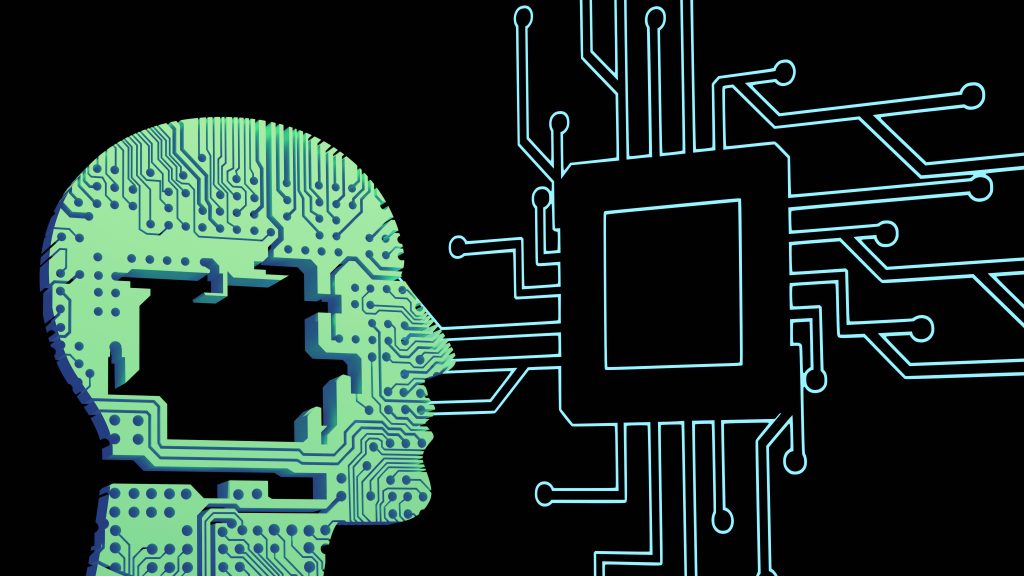
Artificial intelligence network scanning for cyber threats and data protection.
Artificial Intelligence, cybersecurity

The Role of Artificial Intelligence in Cybersecurity

Introduction In a world where cyberattacks are growing more sophisticated by the day, traditional defense systems are no longer enough. Businesses, governments, and individuals face threats ranging from phishing scams to ransomware and identity theft. To combat this, Artificial Intelligence (AI) has emerged as a game-changing weapon in the field of cybersecurity. By combining machine learning (ML), predictive analytics, and automation, AI helps security teams identify, prevent, and respond to attacks — often before they occur. As per IBM’s Cost of a Data Breach Report 2025, organizations using AI-driven cybersecurity tools save an average of $3 million per breach compared to those without it. Clearly, the future of cybersecurity is AI-powered. What Is AI in Cybersecurity? Artificial Intelligence in Cybersecurity involves using algorithms and machine learning models to analyze data, detect anomalies, and automatically respond to threats. Unlike traditional security systems that rely on pre-defined rules, AI systems learn and adapt to new threats dynamically — making them ideal for handling today’s complex digital environments.     Core Functions: Real-time threat detection Automated response and mitigation Behavioral analysis Network monitoring Predictive analytics Why AI Is Essential in Cybersecurity Traditional cybersecurity relies on human experts and static rule-based systems. However, with billions of daily data points and evolving attack patterns, humans alone can’t keep up. AI brings: Speed: Instantly processes large datasets to identify threats. Accuracy: Reduces false positives compared to manual analysis. Scalability: Monitors thousands of endpoints simultaneously. Adaptability: Learns from new data and evolving attacks. AI acts as a force multiplier — enhancing human intelligence rather than replacing it. Key Applications of AI in Cybersecurity 1. Threat Detection and Prediction AI systems analyze historical attack data to predict potential threats. By learning patterns, AI can detect zero-day vulnerabilities that traditional systems might miss. Example: Darktrace uses AI to continuously learn an organization’s network behavior and identify anomalies in real-time. 2. Behavioral Analytics AI monitors user and system behavior to detect suspicious activities such as unauthorized access or data transfers. Example: If an employee’s account suddenly downloads huge amounts of data at odd hours, AI can flag and isolate that activity. 3. Automated Incident Response AI can automate the initial response to threats — such as isolating infected devices or blocking suspicious IP addresses — reducing the time between detection and action. Example: SOAR (Security Orchestration, Automation, and Response) platforms use AI to streamline security workflows. 4. Phishing and Email Security Machine learning models analyze email content, sender patterns, and URLs to detect phishing attacks before they reach users’ inboxes. Example: Google’s Gmail AI blocks over 100 million phishing emails daily using ML filters. 5. Malware Detection AI-powered systems can detect new malware strains by studying code structure and execution patterns — even if the malware hasn’t been seen before. Example: Cylance uses AI models trained on millions of malicious files to predict threats in real-time. 6. Network Security and Monitoring AI helps track massive network traffic volumes, identifying abnormalities that might signal cyberattacks like DDoS (Distributed Denial of Service). Example: AI tools detect unusual spikes in network activity and alert administrators instantly. 7. Fraud Detection Banks and e-commerce companies use AI to analyze user transactions and detect fraudulent behavior. Example: Mastercard’s Decision Intelligence uses AI to evaluate transaction risks within milliseconds.  Advantages of Using AI in Cybersecurity Advantage Impact Speed & Efficiency Real-time threat detection and mitigation Improved Accuracy Fewer false alarms and better prioritization Cost Reduction Reduced operational costs and data breach impact Predictive Capabilities Prevents attacks before they occur 24/7 Monitoring Continuous protection without downtime Adaptive Learning Evolves with emerging cyber threats Challenges and Limitations While AI offers immense potential, it’s not without challenges. 1. Adversarial AI Attacks Hackers use AI to create smarter malware or bypass security systems by mimicking legitimate behavior. 2. High Implementation Costs Building and training AI models require significant investment in infrastructure and expertise. 3. False Positives Poorly trained AI systems may still misclassify safe activities as threats, leading to unnecessary alerts. 4. Data Privacy Concerns AI models need large datasets to train — which sometimes include sensitive user data. 5. Skill Gap The shortage of AI and cybersecurity professionals makes it difficult for many organizations to deploy AI effectively. The Future of AI in Cybersecurity The next era of cybersecurity will be autonomous, predictive, and intelligent. Key Trends to Watch: AI + Blockchain Integration: For tamper-proof data verification. Quantum AI Security: Defending against quantum computing-based attacks. Self-Healing Systems: Networks that can automatically detect, isolate, and repair vulnerabilities. Edge AI: Real-time protection for IoT and edge devices. AI-driven Cyber Threat Intelligence (CTI): Collaborative global databases for predictive defense. By 2030, AI will be the central pillar of all major cybersecurity infrastructures — empowering organizations to respond to threats faster than hackers can act. Real-World Case Studies IBM Watson for Cybersecurity Uses natural language processing and machine learning to analyze millions of security reports, helping security teams make faster decisions. Capital One Implements AI to monitor billions of transactions in real time, protecting customers from credit card fraud and identity theft. Healthcare Networks Hospitals use AI-based security tools to protect sensitive patient records and detect ransomware attacks. Conclusion The rise of Artificial Intelligence has redefined the battle against cybercrime. From predictive threat detection to automated defense mechanisms, AI enables businesses to stay one step ahead of hackers. As digital transformation accelerates, the fusion of AI and cybersecurity will become the cornerstone of trust and resilience in the online world. However, with great power comes responsibility — ensuring AI is used ethically, transparently, and securely will be crucial for a safer digital future. In short, AI is not just defending the digital world — it’s redefining it. FAQs 1. How is AI used in cybersecurity?AI analyzes patterns, detects anomalies, and automates responses to identify and mitigate cyber threats in real time. 2. Can AI prevent cyberattacks completely?AI reduces risks and improves detection, but human oversight remains essential for complex decision-making. 3. What are the main benefits of AI in cybersecurity?Faster detection, improved accuracy,
cybersecurity

Digital Immune System: How It Shields Your Business Against Cyberattacks

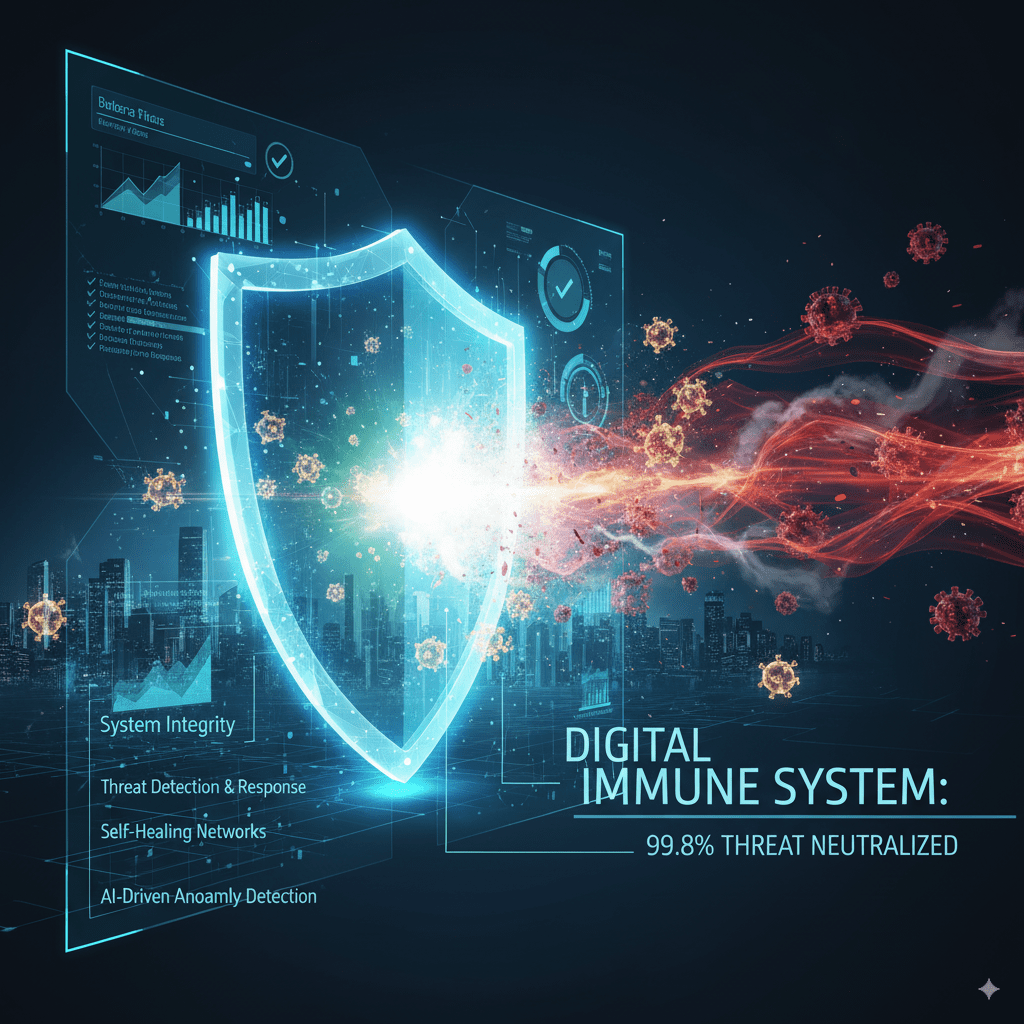
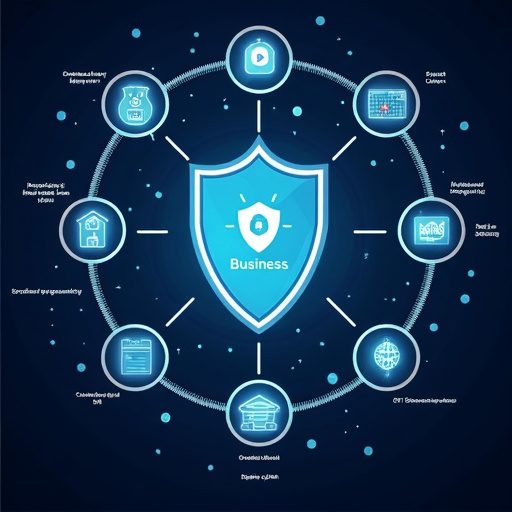
Introduction As cyber threats become increasingly sophisticated, businesses require security systems that go beyond traditional defenses. Inspired by the human immune system, the Digital Immune System (DIS) is an advanced cybersecurity concept designed to detect, respond to, and recover from cyberattacks in real time. This dynamic approach integrates multiple technologies, processes, and strategies to protect digital assets and maintain operational resilience. This blog explores how a Digital Immune System functions, its core components, benefits, real-world applications, and essential steps to build a strong defense—drawing on expert insights and AI-driven innovations similar to those provided by TechOTD AI Services. What is a Digital Immune System? A Digital Immune System is a comprehensive cybersecurity architecture combining software engineering, monitoring, automation, and analytics to mimic the biological immune system’s protective and adaptive qualities. It anticipates threats, isolates anomalies, and self-heals without constant manual intervention. Key goals include: Continuous threat detection via observability tools analyzing logs, metrics, and traces Threat intelligence integration using external datasets for emerging vulnerabilities Automated incident response workflows for rapid containment and recovery Persistent system resilience and adaptation with feedback loops and learning Unlike static measures, DIS is proactive and adaptive, essential in today’s dynamic threat landscape. Core Components of a Digital Immune System 1. Perimeter Security Includes firewalls, intrusion detection, and prevention systems (IDPS), and virtual private networks (VPNs) that form the first line of defense, monitoring and filtering incoming and outgoing traffic. 2. Endpoint Security Protects devices like laptops, smartphones, and servers using antivirus and anti-malware tools, ensuring malicious code is detected and quarantined quickly. 3. Identity and Access Management (IAM) Controls user access via multi-factor authentication, single sign-on, and privileged access management, ensuring only authorized identities interact with critical systems. 4. Security Information and Event Management (SIEM) Aggregates security events across systems and networks, using advanced analytics to identify suspicious behavior and enable swift investigation. 5. Threat Intelligence and Analytics Combines internal and external data to inform defense strategies, helping security teams stay ahead of emerging threats. 6. Automation and Orchestration Uses AI and machine learning to automate detection, alerting, and mitigation workflows—enabling rapid response without human delay. 7. Observability and Monitoring Continually tracks system performance, uptime, and security posture, enabling early anomaly detection before escalation. How a Digital Immune System Protects Your Business Prevents Unauthorized Access: By enforcing stringent access controls and real-time behavior analysis. Detects Threats Proactively: Continuous monitoring and AI-powered analytics spot unusual activity indicative of cyberattacks. Mitigates Damage Quickly: Automated incident response isolates and neutralizes threats, minimizing operational impact. Adapts to New Threats: Learning from past incidents to strengthen defenses dynamically. Ensures Business Continuity: Self-healing capabilities prevent system downtime or failures. Supports Compliance: Maintains audit trails and enforces policies required by regulatory standards. Real-World Applications of Digital Immune Systems Financial Services: Detecting fraudulent transactions and insider threats swiftly. Healthcare: Protecting sensitive patient data and ensuring continuity of care IT systems. Manufacturing: Securing Industrial IoT devices and preventing operational disruptions. Cloud Services: Proactively defending multi-cloud environments against broad attack vectors. Building a Strong Digital Immune System Prerequisites: Comprehensive Threat Intelligence: Stay updated on evolving threats via diverse data sources. Robust Security Controls: Firewalls, IDPS, anti-malware, encryption, and more. Access Management: Implement MFA, role-based permissions, and identity verification. Incident Response Planning: Develop and regularly test response workflows and escalation paths. Continuous Monitoring & Improvement: Regularly audit, test (penetration testing), and update security measures. Partnering with technology leaders like TechOTD AI Services can accelerate digital immunity via AI-powered threat detection, automation, and strategic consultation. Conclusion In a rapidly evolving cyber threat landscape, static defenses no longer suffice. A Digital Immune System offers businesses a robust, intelligent, and adaptive shield—detecting, responding to, and recovering from cyberattacks efficiently, ensuring data security and operational resilience. To stay ahead, organizations must embrace multi-layered security architectures leveraging AI, automation, continuous observability, and proactive incident management. Explore TechOTD AI Services for advanced cybersecurity solutions and keep pace with innovation through the TechOTD Blog.

cybersecurity

Digital Immune System: How It Shields Your Business Against Cyberattacks

Introduction In today’s hyper-connected digital era, businesses face a relentless wave of cyber threats that can disrupt operations, damage reputation, and erode customer trust. Traditional cybersecurity practices are increasingly insufficient to keep pace with the rapid evolution of these cyberattacks. Enter the Digital Immune System (DIS), a revolutionary approach that mimics the human immune system to protect, detect, and respond to cyber threats proactively and intelligently. This blog will explore how a Digital Immune System works, the critical benefits it brings, and why modern businesses must adopt this next-generation cybersecurity framework to safeguard their digital ecosystems effectively. What Is a Digital Immune System? A Digital Immune System is an integrated set of automated cyber defense mechanisms and analytical tools designed to detect anomalies, neutralize threats, and ensure operational continuity with minimal manual intervention. Like the biological immune system that protects organisms from diseases, DIS protects digital assets—from software applications to network infrastructure—against a broad spectrum of cyberattacks. It combines advanced cybersecurity components such as firewalls, intrusion detection and prevention systems (IDPS), antivirus software, multi-factor authentication (MFA), AI-driven monitoring, and automated incident response in a continuous protective feedback loop. By leveraging AI, machine learning, and predictive analytics, the system actively learns from evolving threats and adapts, providing a dynamic and resilient cybersecurity posture that traditional static defenses cannot match. Why Your Business Needs a Digital Immune System Evolving Cyber Threats Demand Proactive Defense The cyber threat landscape is becoming more sophisticated with ransomware, phishing, supply chain attacks, and advanced persistent threats (APTs) aiming to penetrate networks undetected. According to Cisco’s 2024 Cyber Threat Trends report, malware such as Trojans and ransomware continue to rise exponentially. Traditional reactive cybersecurity, which waits for threats to emerge before responding, often results in costly downtimes and data breaches. A Digital Immune System helps businesses stay ahead by continuously monitoring and neutralizing risks in real-time. Enhanced Protection with AI and Automation DIS uses AI to automate threat detection and response, minimizing human error and reaction time. It can identify unusual user behavior or anomalous data flows instantly and trigger automated containment procedures. This proactive approach reduces potential damage and ensures business continuity. Improved User Experience and Operational Resilience With observability and auto-remediation functionalities, Digital Immune Systems maintain smooth and uninterrupted digital operations, significantly improving user experience. It identifies vulnerabilities before exploitation and rapidly recovers systems in case of disruptions. Regulatory Compliance and Data Security Adopting a Digital Immune System helps businesses ensure compliance with stringent data protection laws and cybersecurity standards. Continuous monitoring and detailed analytics generate reports required for audits and regulatory assessments. Core Components of a Digital Immune System Firewalls Act as the first defense line, filtering inbound and outbound traffic based on security policies to block unauthorized access. Intrusion Detection and Prevention Systems (IDPS) Monitor network activity for suspicious behavior and known attack signatures, blocking threats before they spread. Antivirus and Anti-Malware Software Scan, identify, and eliminate malicious software including viruses, spyware, and ransomware. Multi-Factor Authentication (MFA) Strengthens access controls by requiring multiple authentication methods, reducing the risk of compromised credentials. AI-driven Threat Monitoring and Analytics Continuously analyze system and user behaviors using machine learning algorithms to detect anomalies and evolving attack patterns. Automated Incident Response and Recovery Integrates with orchestration tools to quickly isolate affected components, mitigate attack impact, and restore normal operations. Chaos Engineering and Vulnerability Testing Proactively stress-test systems by simulating failures, helping identify and repair weaknesses before attackers exploit them. How a Digital Immune System Works to Shield Your Business A Digital Immune System continuously observes network and application environments to detect deviations from normal activity that could signal cyberattacks. When an anomaly or threat is detected, it quickly initiates containment measures, such as isolating infected systems, blocking attack vectors, or prompting additional authentication measures. The system utilizes threat intelligence feeds to stay abreast of newly emerging threats globally and incorporates this knowledge proactively to shield the business. With continuous learning, the immune system improves its detection accuracy, reducing false positives and focusing security efforts efficiently. Benefits of Implementing a Digital Immune System Benefit Description Robust Security Provides comprehensive defense against an evolving range of cyber threats, dramatically reducing vulnerabilities. Reduced Downtime Automated detection and remediation minimize system downtime, helping maintain business continuity and customer satisfaction. Enhanced Compliance Supports adherence to data privacy regulations and cybersecurity standards with detailed monitoring and reporting capabilities. Scalability and Adaptability Adapts to changing IT environments, including cloud, IoT, and hybrid infrastructure, scaling security measures accordingly. Cost Efficiency Reduces the need for constant manual monitoring and intervention, cutting operational security costs. Implementing a Digital Immune System: Best Practices Assess Your Current Security Posture Conduct a thorough risk and vulnerability assessment to identify gaps in your cybersecurity defenses. Integrate Advanced Technologies Invest in AI, machine learning, and automation platforms that support continuous threat detection and response. Embed Security Early in Development (DevSecOps) Incorporate security processes throughout the software lifecycle to minimize vulnerabilities. Focus on Observability and Monitoring Implement real-time monitoring tools that provide visibility into system health and user behavior. Adopt a Layered Security Model Combine traditional security elements with proactive immune system components for a defense-in-depth strategy. Train Your Team Educate employees about cybersecurity risks and their role in maintaining a strong digital immune system. Partner with Experts Work with cybersecurity providers to design, deploy, and continuously improve your digital immune capabilities. Real-World Applications and TechOTD Solutions Leading businesses worldwide leverage Digital Immune Systems to ensure resilience and agility in cybersecurity. At TechOTD, we specialize in developing AI-driven cybersecurity solutions tailored for your business needs. Our services from AI-powered analytics and automation to seamless integration of blockchain for secure business processes (blockchain use cases) provide cutting-edge protection frameworks. Discover how our strategic approach and collaboration model (How We Work) can transform your cybersecurity posture and business operations. Explore our insights on related technology trends and tools through TechOTD blogs, including deep dives into AI, blockchain, mobile app security, and predictive analytics. Frequently Asked Questions (FAQ) Q1: What distinguishes a Digital Immune System from traditional cybersecurity? A Digital Immune System combines automation,

How would you like me to respond?

Select a personality for your AI assistant

Normal
Happy
Sad
Angry

Your selection will affect how the AI assistant responds to your messages

Chat Assistant

Let's discuss your project!

Hear from our clients and why 3000+ businesses trust TechOTD

Tell us what you need, and we'll get back with a cost and timeline estimate

Scroll to Top