
cross-platform app

App Development, Uncategorized

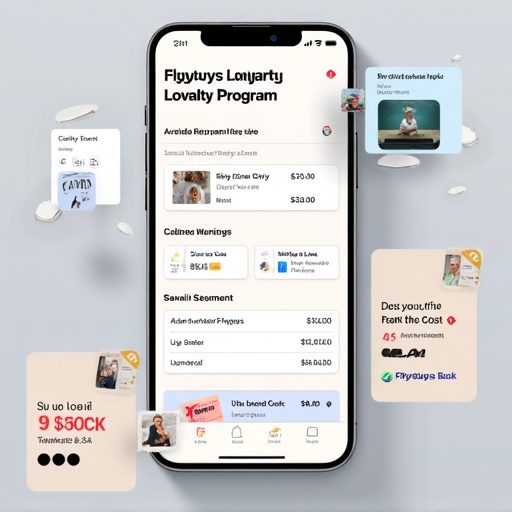
How to Build a Customer Loyalty Program App Like Flybuys: Complete Cost Guide

Introduction In today’s highly competitive retail and eCommerce market, customer loyalty is no longer just a “nice-to-have”—it is a strategic necessity. Apps like Flybuys in Australia have revolutionized how businesses retain customers, boost engagement, and increase repeat purchases. By rewarding users with points, cashback, and personalized offers, loyalty apps create a strong emotional and financial bond between customers and brands. According to Allied Market Research, the global loyalty management market is projected to reach $24 billion by 2030, driven by cloud technology, AI-powered personalization, and cross-industry partnerships. Developing a Flybuys-style customer loyalty program app requires careful planning, investment, and the right technology partner. In this comprehensive guide, we’ll cover: Key features your loyalty app must have Complete cost breakdown (from design to deployment) Factors influencing pricing Why TechOTD is the right partner for loyalty app development Detailed comparison table of features & costs FAQs for businesses considering loyalty solutions  Whether you’re a retailer, eCommerce platform, or tech startup, this guide will help you estimate costs, timelines, and strategies for building your next-gen loyalty program.  Key Features of a Flybuys-Style Loyalty App Building a loyalty app is more than just a points system—it’s about creating an ecosystem where customers feel valued and engaged. Here are the must-have features: User Registration & Profiles – Social login, personalized dashboards. Points Earning & Redemption – Track purchases, reward points, and redeem offers. Tiered Membership Levels – Bronze, Silver, Gold tiers with progressive perks. Personalized Offers & Notifications – AI-driven promotions powered by TechOTD AI solutions. Partner Integration – Collaboration with retail, travel, and service partners. Digital Wallet & Payment Integration – Secure transactions and rewards redemption. Analytics & Reporting – Data insights for businesses to optimize campaigns. Security & Compliance – GDPR, HIPAA, and PCI-DSS compliance for data protection. Gamification & Social Sharing – Leaderboards, badges, and referral bonuses. Multi-Platform Availability – iOS, Android, and Web with cross-platform frameworks.  For advanced app design & web integration, explore TechOTD’s Web Development services.  Cost Breakdown of Building a Loyalty Program App The total cost depends on features, integrations, and complexity. Below is a breakdown of typical expenses: Development Stage Description Estimated Cost (USD) Planning & Design Market research, competitor study, wireframes, UX/UI $5,000 – $12,000 Core Development Backend APIs, mobile app, cloud integration $20,000 – $50,000 Third-Party Integrations Payment gateways, CRM, partner APIs $5,000 – $15,000 Testing & Deployment QA, performance optimization, app store approvals $3,000 – $7,000 Ongoing Maintenance & Support Updates, hosting, bug fixes 15–20% of initial cost annually Total Cost Estimate: $35,000 – $80,000+ (depending on scale and features)  For scalable loyalty solutions, check TechOTD Partner Solutions.  Factors Affecting Loyalty App Costs App Complexity – Simple points-based apps cost less, while advanced AI-driven ones require higher investment. Loyalty Tier Design – Single-tier vs. multi-tier reward systems. AI & Personalization – Predictive offers and behavioral targeting. Integration Needs – POS systems, payment gateways, and eCommerce platforms. Security & Compliance – Meeting GDPR/HIPAA adds compliance costs. Platform Coverage – Native (iOS, Android) vs. Cross-platform. Industry Focus – Retail, travel, healthcare, or eCommerce-specific features.  Why Choose TechOTD for Loyalty App Development? TechOTD brings deep expertise in AI, cloud, and app development, offering end-to-end solutions that are secure, scalable, and innovative. Custom Web & App Development → Explore Web Development AI-Driven Personalization → AI Solutions Industry-Focused Expertise → eCommerce Loyalty Platforms Trusted Partnerships → TechOTD Partner Program Proven Track Record → About TechOTD 👉 With TechOTD as your development partner, you get future-ready loyalty apps designed to maximize ROI and customer engagement.  Key Takeaways Budget Required: $35K – $80K+ Timeline: 4–8 months Best Features: AI personalization, multi-tier rewards, secure payments Industries Benefiting Most: Retail, eCommerce, travel, hospitality, healthcare TechOTD Advantage: AI-driven, cloud-native, and scalable loyalty solutions  Conclusion Building a Flybuys-style loyalty program app is a game-changer for businesses looking to retain customers, increase engagement, and boost revenue. While initial costs vary, the long-term ROI is significant when done right. With the right features, security, and personalization strategies, your app can become the cornerstone of customer engagement. By partnering with TechOTD’s expert team, you gain a competitive edge with cutting-edge technology, AI-driven personalization, and industry-specific solutions.  Start your journey today—turn your customer base into loyal brand advocates with TechOTD. FAQ 1. How long does it take to build a loyalty program app?On average, 4–8 months, depending on features and integrations. 2. Can the app support multiple platforms?Yes, using cross-platform tools (Flutter, React Native) or native apps for iOS & Android. 3. Does TechOTD provide AI-driven personalization? Yes, with AI & Machine Learning solutions, TechOTD enables predictive offers and tailored promotions. 4. What ongoing costs should I expect?Annual costs include server hosting, maintenance, updates, and customer support (15–20% of initial cost). 5. How secure is user data in loyalty apps?Data is protected with end-to-end encryption, secure payment gateways, and compliance (GDPR, HIPAA).

App Development

Mobile App Development Process: The Ultimate Build-to-Launch Guide

Introduction Every day, the number of apps released to the market grows. Plus, right now, there are more mobile devices in the world than there are people. No wonder that by 2026 mobile applications are projected to generate $233 billion in revenue.   With such promising forecasts, it’s easy to see why many companies are looking into mobile app development. Some businesses are interested in creating the next TikTok or Zoom. Thus, focusing on consumer-facing projects and the revenue they can generate. Others, want to optimize internal processes and choose to invest in enterprise solutions that can reduce expenses and improve efficiencies. Discover the Difference Between Consumer and Enterprise Mobile Apps Whether you’re building for end users or your workforce, understanding the distinctions between consumer and enterprise mobile solutions is crucial. Today, we’ll share an ultimate guide to the seven-step mobile app development process—complete with insider insights from TechOTD and strategic backlinks to our services. Let’s dive in! 7 Key Steps of the Mobile App Development Process Strategy Development Analysis & Planning UI/UX Design App Development Application Testing Deployment Support & Performance Monitoring Read on for detailed best practices, and learn how to leverage TechOTD’s expertise at each stage. Step 1: Strategy Development Begin by defining your app’s vision and business model. Identify Objectives: What problem does your app solve? Who are its target users? What results do you expect? Research Competitors: Analyze similar apps to identify gaps and differentiation opportunities. Select Platform: Decide between iOS, Android, or cross-platform based on your audience and budget. Choose Monetization (Consumer Apps): In-app purchases, subscriptions, ads, or paid downloads. Partner with TechOTD to refine your strategy and prioritize features through our comprehensive Web & App Development services. Step 2: Analysis & Planning Translate your vision into a detailed blueprint. Functional Requirements: List all user actions and features (e.g., account creation, payments, data sync). Non-Functional Requirements: Define performance, security, and scalability targets. Product Roadmap: Prioritize features for your MVP versus future releases. Technology Stack: Select frameworks, databases, cloud services, and DevOps tools. Gain clarity on project scope and risk management by partnering with TechOTD’s IT Consulting & Deployment team. Ste UI/UX Design Craft intuitive, engaging user experiences.   Information Architecture: Map out data structures and user workflows. Wireframes: Sketch layouts for each screen and user flow. Style Guides & Mockups: Standardize fonts, colors, and UI components for consistency. Interactive Prototypes: Simulate the app experience to gather early feedback. Elevate your design with insights from TechOTD’s eCommerce & Industry Solutions. Step 4: App Development Build the core functionality in iterative sprints. Backend: REST/GraphQL APIs, database schemas, authentication, and cloud hosting. Frontend: Native (Swift/Kotlin) or cross-platform (Flutter/React Native). CI/CD Pipelines: Automate builds, tests, and deployments for rapid iteration. Leverage AI-powered automation from TechOTD’s AI & Machine Learning services to accelerate development. Step 5: Application Testing Ensure quality, performance, and security. Functional Testing: Validate all features. Usability Testing: Gather real-user feedback. Performance Testing: Simulate peak loads. Security Testing: Penetration tests and compliance checks. Compatibility Testing: Test across devices and OS versions. Ensure robust QA by tapping into TechOTD’s Web & App Development expertise. Step 6: Deployment Launch your app to stores or enterprise environments. App Store Optimization: Keywords, icons, screenshots, and descriptions. Store Compliance: Follow Apple and Google’s guidelines. Private Distribution: Use enterprise programs for internal apps. Simplify deployment with TechOTD’s IT Consulting & Deployment services. Step 7: Support & Performance Monitoring Turn your launch into sustained success. Analytics & KPIs: Track downloads, active users, retention, and conversions. Crash & Error Monitoring: Quickly triage and resolve issues. Feature Updates: Roll out new functionality and security patches. User Engagement: Use push notifications and in-app messaging. For ongoing maintenance and scaling, rely on TechOTD’s full-cycle support detailed on our About Us page. Why Partner with TechOTD? TechOTD delivers end-to-end mobile development services, combining industry best practices, AI/ML expertise, and robust infrastructure support. Whether you’re launching a public consumer app or a secure enterprise solution, our team is ready to guide you through every step. Explore our homepage: https://www.techotd.com/ Discover AI & Machine Learning services: https://www.techotd.com/pages/ai-page.html Learn about TechOTD: https://www.techotd.com/pages/abouts/about.html See eCommerce solutions: https://www.techotd.com/pages/industries/eCommerce.html Join our partner program: https://www.techotd.com/pages/abouts/partner.html Access Web & App Development services: https://www.techotd.com/pages/services/web-development.html Embark on your mobile journey today—partner with TechOTD for innovative, scalable, and secure mobile solutions. conclusion Every great app starts with an idea and becomes reality through a disciplined, step-by-step approach. Planning, designing, developing, and optimizing your app paves the way for business growth and deep user engagement. Ready to turn your vision into a mobile reality? Start your roadmap today—and partner with experts for world-class results. FAQ 1. Which programming language should I use for mobile app development in 2025? Swift (iOS), Kotlin (Android), and Flutter or React Native for cross-platform solutions offer robust features and community support. 2. How long does it take to build a mobile app? Simple apps can take around 2–4 months, while complex or cross-platform apps may require 6+ months. 3. What’s the best way to optimize app store rankings? Master App Store Optimization (ASO) with relevant keywords, stunning visuals, clear descriptions, and frequent updates. 4. How important is app security? Extremely—user data protection, secure authentication, and regular updates keep your app reliable and safe. 5. Where can I find trustworthy tutorials and examples? Explore Techotd, GeeksforGeeks, official Android/iOS docs, plus the resource links above.  

How would you like me to respond?

Select a personality for your AI assistant

Normal
Happy
Sad
Angry

Your selection will affect how the AI assistant responds to your messages

Chat Assistant

Let's discuss your project!

Hear from our clients and why 3000+ businesses trust TechOTD

Tell us what you need, and we'll get back with a cost and timeline estimate

Scroll to Top