
Cobots

Machines that mimic human gestures and expressions
Uncategorized

The Future of Automation and Robotics: Transforming Industries and Everyday Life

Introduction Automation and robotics are no longer futuristic ideas—they’re a living, breathing reality that’s reshaping industries, transforming workplaces, and redefining how humans interact with machines. From self-driving cars to automated manufacturing lines, robots and intelligent systems are now embedded in nearly every sector. As we enter a new era of Industry 5.0, the collaboration between humans and robots is becoming the cornerstone of innovation. Automation is not just about replacing human labor but about enhancing efficiency, safety, and precision while freeing people for more creative and strategic work. What is Automation and Robotics? Automation refers to the use of technology to perform tasks with minimal human intervention. It involves systems or machines that follow predefined instructions or adapt based on data input.Example: Automated billing systems, robotic assembly lines, and smart home devices. Robotics is a specialized branch of engineering that deals with designing, constructing, and operating robots — machines capable of carrying out complex actions autonomously or semi-autonomously.Example: Industrial robots assembling cars, surgical robots in hospitals, and drones for logistics. When combined, automation and robotics create a powerful synergy that drives speed, accuracy, and cost-effectiveness across industries. Applications Across Industries 1. Manufacturing and Industry 4.0 Robotics in manufacturing has been a game-changer. Automated robotic arms, precision sensors, and AI-powered quality checks ensure products are made faster, safer, and with fewer defects. Example: Car manufacturers like Tesla and Toyota use fully automated production lines with minimal human supervision. Impact: Reduced labor costs, enhanced production rates, and consistent quality. 2. Healthcare and Surgery In healthcare, robotic automation enables precision and minimal invasiveness. Example: The Da Vinci Surgical System assists surgeons with high-precision movements. Impact: Shorter recovery times, smaller incisions, and greater surgical accuracy. 3. Agriculture Robotics is revolutionizing agriculture with smart drones and automated harvesters. Example: Drones monitor crop health, soil quality, and irrigation. Impact: Higher yields, reduced waste, and optimized resource usage. 4. Logistics and Warehousing Automated guided vehicles (AGVs), conveyor systems, and robotic sorters manage large warehouses like those of Amazon or Flipkart. Impact: Improved delivery speed, error reduction, and 24/7 operations. 5. Retail and Customer Service From robotic baristas to self-checkout counters and chatbots, automation is enhancing customer experience and operational efficiency. Example: Walmart uses robots to scan shelves and track inventory. 6. Defense and Security Autonomous drones and surveillance robots are improving national security and battlefield safety. Impact: Risk reduction for soldiers and enhanced decision-making through real-time data analysis. AI and Machine Learning in Robotics Modern robotics heavily relies on Artificial Intelligence (AI) and Machine Learning (ML) to learn from data and make decisions. Robots can now adapt to changing environments and perform complex cognitive tasks like facial recognition or navigation. Collaborative robots (cobots) work safely alongside humans, learning through continuous feedback loops. This integration of AI allows robots to go beyond repetitive tasks and step into roles that demand problem-solving and adaptability. Benefits of Automation and Robotics ✅ Increased productivity and operational efficiency ✅ Reduced human error ✅ Enhanced workplace safety ✅ Lower operational costs ✅ 24/7 operation capability ✅ Consistent quality and output Challenges and Concerns Job Displacement:Automation can replace certain repetitive or manual jobs, leading to workforce restructuring. High Initial Costs:Robotics systems require significant capital investment for setup and maintenance. Cybersecurity Risks:Connected robots can be vulnerable to hacking and data theft. Ethical Dilemmas:The growing autonomy of robots raises questions about accountability, privacy, and human control. The Future of Automation and Robotics The next decade will see humans and robots working together in harmony. Robots will become more intelligent, intuitive, and emotionally aware through AI-driven empathy and neural interfaces. Key Emerging Trends: Humanoid Robots: Machines that mimic human gestures and expressions (e.g., Sophia the Robot). Soft Robotics: Robots made with flexible materials for delicate tasks like food handling. Autonomous Vehicles: Self-driving logistics fleets reducing delivery times and accidents. Industry 5.0: Human-centric automation, where technology empowers—not replaces—humans. The goal is no longer full automation but collaboration, enabling people to focus on creativity, innovation, and decision-making while robots handle the repetitive groundwork. Conclusion Automation and robotics represent the backbone of future innovation. While challenges remain—like cost, ethics, and employment shifts—the benefits are undeniable.Industries that embrace this transformation will thrive in speed, safety, and scale, while those resisting it risk falling behind. The ultimate vision?A world where robots and humans work side-by-side, leveraging each other’s strengths to achieve unprecedented progress. FAQs Q1. How is automation different from robotics?Automation refers to using technology to perform tasks with minimal human input, while robotics specifically involves machines that can execute those tasks physically or intelligently. Q2. Will automation lead to job loss?While some repetitive roles may be automated, new opportunities are emerging in robot maintenance, programming, and AI management. Q3. What are the main industries using robotics today?Manufacturing, logistics, healthcare, agriculture, and defense are leading adopters of robotics technology. Q4. What is the role of AI in modern robotics?AI enables robots to learn from data, adapt to environments, and make intelligent decisions — making them more autonomous and useful across diverse tasks. Q5. What does Industry 5.0 mean?Industry 5.0 focuses on collaboration between humans and robots, emphasizing creativity, personalization, and sustainability rather than full automation.
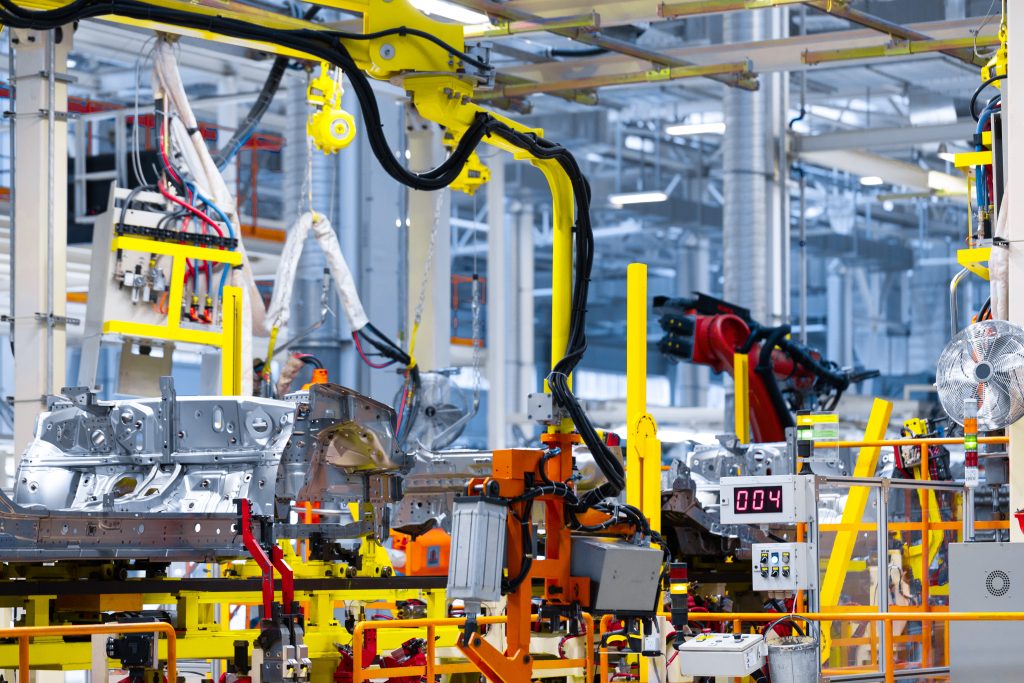
Industrial robotic arms assembling components in a smart factory.
Artificial Intelligence, machine learning

Automation and Robotics: Powering the Future of Work and Industry

Introduction Imagine a world where machines can think, learn, and perform tasks faster, safer, and more accurately than humans. That world isn’t science fiction — it’s happening right now, thanks to automation and robotics. From factory floors to hospitals, logistics hubs to your kitchen, robots and automation systems are revolutionizing how we live and work. They don’t just improve productivity — they redefine what’s possible. This blog explores how automation and robotics are driving innovation, reshaping industries, and creating a future where humans and machines collaborate seamlessly. What Is Automation? Automation refers to the use of technology to perform tasks without human intervention. It’s about replacing repetitive, rule-based processes with smart systems that can work independently — reducing errors and improving speed.  Types of Automation Fixed Automation:Used in mass production lines (e.g., car manufacturing). High volume, low flexibility. Programmable Automation:Machines can be reprogrammed for different tasks. Used in batch production industries. Flexible Automation:Systems quickly adapt to new products or processes. Ideal for industries with frequent design changes. Cognitive Automation (AI-driven):Integrates machine learning and AI for decision-making and self-improvement. Used in customer service bots, predictive maintenance, and data analysis. What Is Robotics? Robotics is a branch of engineering that designs, builds, and operates robots — programmable machines that perform tasks automatically or semi-automatically. Robots combine mechanical components, sensors, actuators, and AI to perform physical actions and make intelligent decisions.  Types of Robots Industrial Robots: Perform assembly, welding, or packaging in factories. Service Robots: Used in healthcare, hospitality, or home cleaning. Autonomous Robots: Navigate environments independently (e.g., drones, self-driving vehicles). Collaborative Robots (Cobots): Work safely alongside humans. Humanoid Robots: Mimic human gestures and expressions. Automation and Robotics in Industry Automation and robotics are the cornerstone of Industry 5.0, the new era of intelligent manufacturing focused on human-machine collaboration.  Manufacturing Robots handle repetitive tasks like assembly, painting, and quality inspection. AI-driven automation predicts equipment failures before they happen. Cobots work side by side with human operators, enhancing safety and precision. Example:Companies like Tesla and BMW use robotic arms for car assembly, improving speed and accuracy. Healthcare Robots assist doctors in surgeries and automate hospital logistics. Surgical robots perform precise operations with minimal invasion. Delivery robots transport medicines and supplies. AI automation manages patient data and diagnostics. Example: The da Vinci Surgical System enables surgeons to perform complex procedures remotely with robotic precision. Logistics and Supply Chain Automation powers warehouse management and delivery systems. Automated Guided Vehicles (AGVs) move materials. Drones deliver goods efficiently. AI systems optimize inventory and routes. Example:Amazon’s fulfillment centers use robots to pick, pack, and ship millions of products daily. Finance and Business Robotic Process Automation (RPA) automates repetitive office tasks like data entry, report generation, and compliance checks. Saves time and reduces human error. Frees employees for higher-value work. Example:Banks use RPA to process loan approvals, detect fraud, and manage accounts. Home and Daily Life From vacuuming robots like Roomba to voice-controlled assistants like Alexa, automation is making homes smarter and lives easier. Smart appliances can learn user habits and operate efficiently, saving energy and effort. The Fusion of AI and Robotics When Artificial Intelligence (AI) meets robotics, machines gain the ability to learn, adapt, and make decisions. Computer vision enables robots to “see” and analyze surroundings. Machine learning helps them improve performance over time. Natural language processing allows them to interact with humans conversationally. Example:Boston Dynamics’ robots like “Atlas” and “Spot” combine AI and robotics to perform complex tasks like running, climbing, and opening doors. Benefits of Automation and Robotics Benefit Description Increased Efficiency Machines can operate 24/7 without fatigue. Precision & Consistency Reduced errors and high-quality output. Safety Robots perform dangerous tasks, reducing workplace injuries. Cost Savings Long-term operational savings after initial setup. Innovation Enables new forms of production and services. Challenges in Automation and Robotics Despite the advantages, challenges exist: Job Displacement: Automation can replace routine tasks. High Initial Investment: Robots and automation systems are costly to deploy. Complex Integration: Requires skilled professionals and system compatibility. Cybersecurity Risks: Connected robots can be vulnerable to hacking. Ethical Dilemmas: Balancing human employment and machine efficiency. However, the Industry 5.0 model focuses on collaboration, not replacement — using robots to assist humans, not eliminate them. The Future of Automation and Robotics The next decade will see automation evolve from mechanical efficiency to intelligent collaboration. Key Future Trends: Cobots in every industry AI-driven autonomous systems Robotics-as-a-Service (RaaS) business models Sustainable automation for green manufacturing Emotional and social robots for healthcare and education Automation and robotics will become integral to every aspect of life — not just replacing humans but enhancing human potential. Conclusion Automation and robotics represent the next leap in human innovation — merging intelligence, precision, and reliability to reshape the future of work. As we enter the Industry 5.0 era, the goal isn’t to remove humans from the equation but to empower them with intelligent machines that amplify creativity, safety, and productivity. The future is not man versus machine — it’s man with machine, building a smarter, more efficient world together. FAQs 1. What is the main difference between automation and robotics?Automation refers to using systems for automatic operations, while robotics involves machines physically performing tasks. 2. What industries use robotics the most?Manufacturing, logistics, healthcare, agriculture, and defense are leading sectors. 3. Will robots take over human jobs?They’ll replace repetitive tasks but also create new roles in programming, maintenance, and AI system design. 4. What are collaborative robots (cobots)?Cobots are robots designed to work safely alongside humans without barriers. 5. How is AI used in robotics?AI helps robots learn, make decisions, and interact naturally with humans and their environment.

How would you like me to respond?

Select a personality for your AI assistant

Normal
Happy
Sad
Angry

Your selection will affect how the AI assistant responds to your messages

Chat Assistant

Let's discuss your project!

Hear from our clients and why 3000+ businesses trust TechOTD

Tell us what you need, and we'll get back with a cost and timeline estimate

Scroll to Top