
Securing Modern Enterprises in the Digital Era
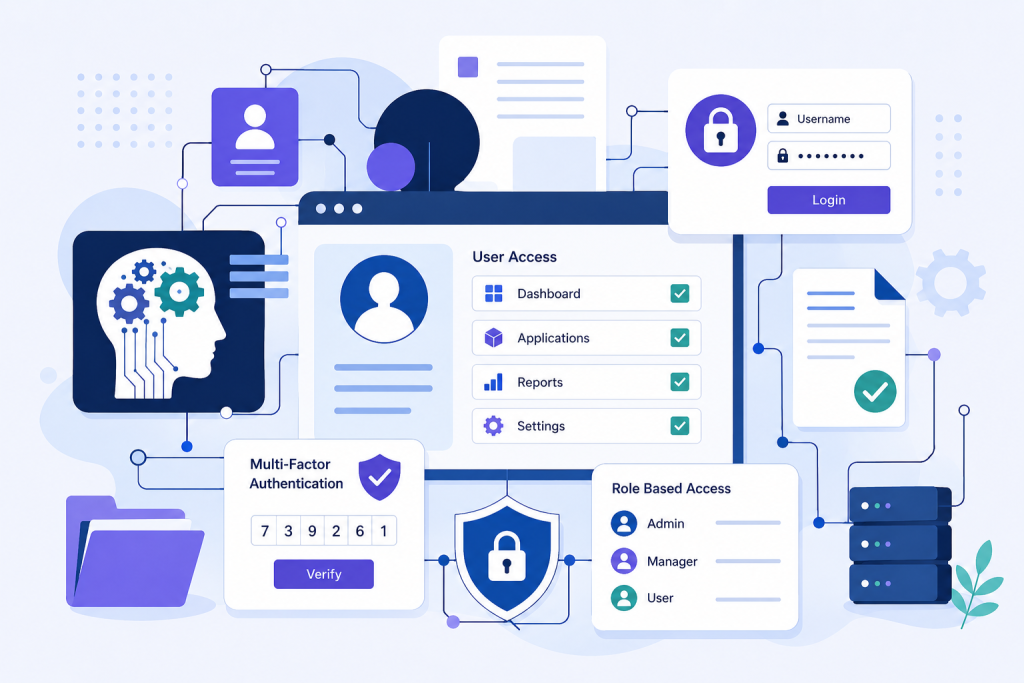
Introduction As Australian enterprises continue embracing digital transformation, cloud computing, and hybrid work environments, managing user identities and securing enterprise access has become more critical than ever. Organizations today operate across complex digital ecosystems where employees, third-party vendors, remote teams, and customers access enterprise applications from multiple devices and locations. Enterprise Identity Management Australia | IAM Solutions by TechOTD This rapid digital expansion has significantly increased cybersecurity risks, making Enterprise Identity Management (EIM) a foundational component of modern enterprise security strategies. Enterprise Identity Management Australia: Securing Modern Enterprises in the Digital Era As Australian businesses continue accelerating their digital transformation journeys, managing identities, securing access, and protecting enterprise systems have become more complex than ever. From hybrid work environments to cloud-native infrastructures, organizations now operate in ecosystems where employees, vendors, partners, and customers require secure access across multiple platforms. This rapid evolution has made Enterprise Identity Management (EIM) one of the most critical pillars of modern cybersecurity strategies in Australia. At TechOTD, we help enterprises build secure, scalable, and compliance-ready identity ecosystems that protect sensitive data while enabling seamless digital experiences. What is Enterprise Identity Management? Enterprise Identity Management (EIM) refers to the framework, technologies, and policies used to manage digital identities and regulate user access across enterprise systems, applications, and networks. It ensures that: The right users get the right access Unauthorized users are blocked Access permissions are centrally controlled Sensitive business data remains protected Compliance standards are maintained Modern identity management systems combine several security capabilities, including: Single Sign-On (SSO) Multi-Factor Authentication (MFA) Role-Based Access Control (RBAC) Identity Governance Privileged Access Management (PAM) User Lifecycle Management AI-powered threat detection Enterprise IAM platforms such as Okta Australia provide advanced identity security capabilities including adaptive MFA, identity governance, and threat detection. Why Enterprise Identity Management is Important in Australia Australian enterprises are facing increasing cybersecurity risks due to: Remote and hybrid workforce models Multi-cloud adoption Rising ransomware attacks Insider threats Third-party vendor access Expanding digital ecosystems According to Australian cybersecurity frameworks and enterprise compliance standards, organizations must maintain stronger identity controls and data protection mechanisms. Identity has now become the new security perimeter. Without centralized identity management, businesses struggle with: Weak password practices Unauthorized access Manual provisioning errors Compliance violations Data breaches Shadow IT risks This is why enterprises across Australia are heavily investing in modern IAM solutions. Key Components of Enterprise Identity Management 1. Single Sign-On (SSO) Single Sign-On allows users to access multiple enterprise applications using one set of credentials. Benefits include: Improved user experience Reduced password fatigue Better productivity Lower helpdesk costs SSO is particularly valuable for enterprises managing multiple SaaS applications and hybrid environments. 2. Multi-Factor Authentication (MFA) MFA adds an extra security layer by requiring users to verify their identity through multiple authentication methods. These methods may include: OTP verification Biometric authentication Security tokens Mobile authentication apps Australian organizations increasingly rely on MFA to reduce credential-based cyberattacks. 3. Role-Based Access Control (RBAC) RBAC ensures users only access resources relevant to their job responsibilities. This helps organizations implement: Least privilege access Better governance Reduced insider threats Simplified permission management 4. Privileged Access Management (PAM) Privileged accounts are prime targets for cybercriminals. PAM solutions help enterprises: Monitor privileged sessions Secure administrator credentials Prevent unauthorized privilege escalation Audit high-risk activities Australian regulated enterprises increasingly adopt IAM + PAM strategies together for enhanced protection. 5. Identity Governance and Administration (IGA) IGA solutions help businesses automate identity lifecycle processes such as: User onboarding Access provisioning Access reviews Role management Deprovisioning This improves operational efficiency while ensuring compliance. Major Enterprise Identity Management Challenges in Australia Managing Hybrid and Remote Workforces Modern enterprises now operate beyond traditional office boundaries. Employees access systems from multiple devices and locations, creating complex security challenges. Organizations need centralized identity visibility and secure remote authentication to maintain control. Multi-Cloud Complexity Australian enterprises increasingly rely on cloud environments such as AWS, Azure, and Google Cloud. Managing identities across multiple cloud platforms can become difficult without unified IAM frameworks. Compliance and Regulatory Pressure Australia enforces strict security and privacy regulations, including: Australian Privacy Principles (APPs) Privacy Act 1988 APRA CPS 234 ASD Essential Eight ISO 27001 Organizations must implement strong identity governance and access controls to meet these compliance obligations. Insider Threats Not all cyber threats come from external attackers. Employees, contractors, and vendors with excessive privileges can unintentionally or intentionally expose sensitive systems. Identity-based security helps reduce these risks through access controls and monitoring. \ Benefits of Enterprise Identity Management Solutions Enhanced Cybersecurity Identity management significantly reduces the risk of unauthorized access, credential theft, and account compromise. Improved Compliance IAM platforms help organizations align with regulatory frameworks through: Audit trails Access reviews Security reporting Governance policies Better User Experience Technologies like SSO and passwordless authentication simplify user access while maintaining strong security. Reduced IT Workload Automation eliminates repetitive identity management tasks such as: Manual onboarding Password resets Permission assignments Centralized Access Control Administrators gain a unified view of users, permissions, devices, and applications across the organization. Enterprise Identity Management Best Practices Adopt Zero Trust Security Zero Trust operates on the principle of: “Never trust, always verify.” Every user, device, and application must continuously authenticate before accessing enterprise resources. Zero Trust adoption is rapidly growing across Australia as businesses modernize cybersecurity architectures. Implement Least Privilege Access Users should only receive the minimum access required to perform their roles. This reduces attack surfaces and limits damage during breaches. Enable MFA Across All Systems MFA should be mandatory for: Remote access Admin accounts Cloud applications Critical systems Automate User Lifecycle Management Automated provisioning and deprovisioning help eliminate orphaned accounts and security gaps. Conduct Regular Access Reviews Periodic audits ensure outdated permissions and inactive accounts are removed promptly. Industries Using Enterprise Identity Management in Australia Healthcare Healthcare providers handle highly sensitive patient information and require secure access management to maintain compliance and privacy. Banking and Fintech Financial institutions use IAM to secure transactions, customer accounts, and privileged systems. Government Government agencies implement identity management to protect citizen data and critical