
business continuity

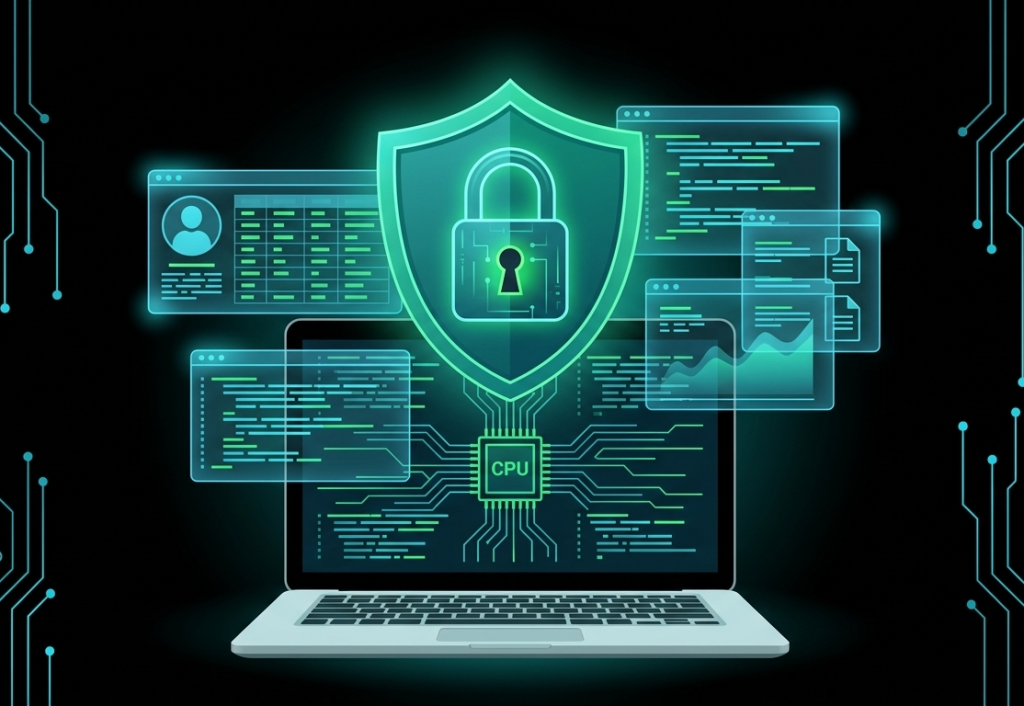
Business team reviewing cybersecurity strategies to protect company data, systems, and customer trust.
cybersecurity

Why Cybersecurity Should Be a Priority for Every Company

Introduction In today’s connected world, nearly every company relies on technology to store data, communicate with customers, process payments, manage employees, and run daily operations. That dependence makes cybersecurity essential, not optional, because every digital interaction creates some level of risk. Whether a business is a small startup or a large enterprise, it holds information that attackers may want, including financial records, customer details, login credentials, and internal documents. Cybersecurity should be a top priority for every company because modern businesses depend on digital systems, and even one weak point can lead to data loss, downtime, financial damage, and a broken reputation. As cyber threats become more frequent and sophisticated, companies that ignore security are putting both operations and customer trust at risk. One reason cybersecurity matters so much is that cyberattacks can cause immediate and lasting harm. A breach can shut down systems, interrupt business continuity, expose sensitive information, and lead to expensive recovery efforts. Beyond the technical damage, companies often face legal issues, customer frustration, and reputational loss that can take years to repair. Cybersecurity is also important because threats are no longer rare or simple. Attackers use phishing, ransomware, credential theft, and other methods that are designed to trick people and exploit weak systems. Many attacks succeed not because companies have no defenses at all, but because employees are not trained well enough or security practices are inconsistent across the organization. Another major reason to prioritize cybersecurity is trust. Customers, partners, and employees want to know that their data is being handled responsibly. When a company shows that it takes security seriously, it builds confidence and strengthens its brand, but when it suffers a breach, that trust can disappear very quickly. Cybersecurity also supports growth and innovation. Companies that feel protected are better able to adopt cloud tools, expand digital services, and automate more of their work without creating unnecessary exposure. In other words, strong security is not just about preventing problems; it is about creating a safer foundation for business growth. Why It Matters It protects sensitive data from theft or misuse. It reduces downtime and supports business continuity. It helps companies avoid financial and legal damage. It strengthens customer trust and brand reputation. It supports safe digital growth and innovation. Conclusion Cybersecurity should be a priority for every company because the cost of ignoring it is far higher than the cost of prevention. A strong security posture protects data, keeps operations running, and helps businesses maintain the trust they depend on. The companies that treat cybersecurity as part of their business strategy, not just an IT issue, are better prepared for the future. In a world where threats keep evolving, security is one of the smartest investments a business can make. FAQ Why is cybersecurity important for every company? Cybersecurity is important because every company stores data, uses digital tools, and faces cyber risks that can lead to loss, downtime, and reputational harm.online. What happens if a company ignores cybersecurity? A company may face data breaches, system outages, financial losses, legal problems, and a decline in customer trust. Is cybersecurity only important for large companies? No, small businesses are also targeted because attackers often look for weaker defenses. How does cybersecurity build customer trust? It shows customers that their data is protected and that the company is serious about responsibility and safety. What is one of the biggest cybersecurity risks? Phishing and ransomware are among the most common risks because they target both people and systems. How can companies improve cybersecurity? They can train employees, update systems, use strong access controls, and create a clear response plan for incidents.
cybersecurity

Digital Immune System: How It Shields Your Business Against Cyberattacks

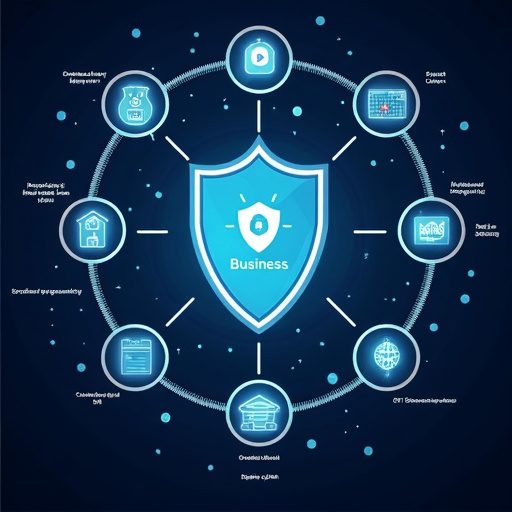
Introduction In today’s hyper-connected digital era, businesses face a relentless wave of cyber threats that can disrupt operations, damage reputation, and erode customer trust. Traditional cybersecurity practices are increasingly insufficient to keep pace with the rapid evolution of these cyberattacks. Enter the Digital Immune System (DIS), a revolutionary approach that mimics the human immune system to protect, detect, and respond to cyber threats proactively and intelligently. This blog will explore how a Digital Immune System works, the critical benefits it brings, and why modern businesses must adopt this next-generation cybersecurity framework to safeguard their digital ecosystems effectively. What Is a Digital Immune System? A Digital Immune System is an integrated set of automated cyber defense mechanisms and analytical tools designed to detect anomalies, neutralize threats, and ensure operational continuity with minimal manual intervention. Like the biological immune system that protects organisms from diseases, DIS protects digital assets—from software applications to network infrastructure—against a broad spectrum of cyberattacks. It combines advanced cybersecurity components such as firewalls, intrusion detection and prevention systems (IDPS), antivirus software, multi-factor authentication (MFA), AI-driven monitoring, and automated incident response in a continuous protective feedback loop. By leveraging AI, machine learning, and predictive analytics, the system actively learns from evolving threats and adapts, providing a dynamic and resilient cybersecurity posture that traditional static defenses cannot match. Why Your Business Needs a Digital Immune System Evolving Cyber Threats Demand Proactive Defense The cyber threat landscape is becoming more sophisticated with ransomware, phishing, supply chain attacks, and advanced persistent threats (APTs) aiming to penetrate networks undetected. According to Cisco’s 2024 Cyber Threat Trends report, malware such as Trojans and ransomware continue to rise exponentially. Traditional reactive cybersecurity, which waits for threats to emerge before responding, often results in costly downtimes and data breaches. A Digital Immune System helps businesses stay ahead by continuously monitoring and neutralizing risks in real-time. Enhanced Protection with AI and Automation DIS uses AI to automate threat detection and response, minimizing human error and reaction time. It can identify unusual user behavior or anomalous data flows instantly and trigger automated containment procedures. This proactive approach reduces potential damage and ensures business continuity. Improved User Experience and Operational Resilience With observability and auto-remediation functionalities, Digital Immune Systems maintain smooth and uninterrupted digital operations, significantly improving user experience. It identifies vulnerabilities before exploitation and rapidly recovers systems in case of disruptions. Regulatory Compliance and Data Security Adopting a Digital Immune System helps businesses ensure compliance with stringent data protection laws and cybersecurity standards. Continuous monitoring and detailed analytics generate reports required for audits and regulatory assessments. Core Components of a Digital Immune System Firewalls Act as the first defense line, filtering inbound and outbound traffic based on security policies to block unauthorized access. Intrusion Detection and Prevention Systems (IDPS) Monitor network activity for suspicious behavior and known attack signatures, blocking threats before they spread. Antivirus and Anti-Malware Software Scan, identify, and eliminate malicious software including viruses, spyware, and ransomware. Multi-Factor Authentication (MFA) Strengthens access controls by requiring multiple authentication methods, reducing the risk of compromised credentials. AI-driven Threat Monitoring and Analytics Continuously analyze system and user behaviors using machine learning algorithms to detect anomalies and evolving attack patterns. Automated Incident Response and Recovery Integrates with orchestration tools to quickly isolate affected components, mitigate attack impact, and restore normal operations. Chaos Engineering and Vulnerability Testing Proactively stress-test systems by simulating failures, helping identify and repair weaknesses before attackers exploit them. How a Digital Immune System Works to Shield Your Business A Digital Immune System continuously observes network and application environments to detect deviations from normal activity that could signal cyberattacks. When an anomaly or threat is detected, it quickly initiates containment measures, such as isolating infected systems, blocking attack vectors, or prompting additional authentication measures. The system utilizes threat intelligence feeds to stay abreast of newly emerging threats globally and incorporates this knowledge proactively to shield the business. With continuous learning, the immune system improves its detection accuracy, reducing false positives and focusing security efforts efficiently. Benefits of Implementing a Digital Immune System Benefit Description Robust Security Provides comprehensive defense against an evolving range of cyber threats, dramatically reducing vulnerabilities. Reduced Downtime Automated detection and remediation minimize system downtime, helping maintain business continuity and customer satisfaction. Enhanced Compliance Supports adherence to data privacy regulations and cybersecurity standards with detailed monitoring and reporting capabilities. Scalability and Adaptability Adapts to changing IT environments, including cloud, IoT, and hybrid infrastructure, scaling security measures accordingly. Cost Efficiency Reduces the need for constant manual monitoring and intervention, cutting operational security costs. Implementing a Digital Immune System: Best Practices Assess Your Current Security Posture Conduct a thorough risk and vulnerability assessment to identify gaps in your cybersecurity defenses. Integrate Advanced Technologies Invest in AI, machine learning, and automation platforms that support continuous threat detection and response. Embed Security Early in Development (DevSecOps) Incorporate security processes throughout the software lifecycle to minimize vulnerabilities. Focus on Observability and Monitoring Implement real-time monitoring tools that provide visibility into system health and user behavior. Adopt a Layered Security Model Combine traditional security elements with proactive immune system components for a defense-in-depth strategy. Train Your Team Educate employees about cybersecurity risks and their role in maintaining a strong digital immune system. Partner with Experts Work with cybersecurity providers to design, deploy, and continuously improve your digital immune capabilities. Real-World Applications and TechOTD Solutions Leading businesses worldwide leverage Digital Immune Systems to ensure resilience and agility in cybersecurity. At TechOTD, we specialize in developing AI-driven cybersecurity solutions tailored for your business needs. Our services from AI-powered analytics and automation to seamless integration of blockchain for secure business processes (blockchain use cases) provide cutting-edge protection frameworks. Discover how our strategic approach and collaboration model (How We Work) can transform your cybersecurity posture and business operations. Explore our insights on related technology trends and tools through TechOTD blogs, including deep dives into AI, blockchain, mobile app security, and predictive analytics. Frequently Asked Questions (FAQ) Q1: What distinguishes a Digital Immune System from traditional cybersecurity? A Digital Immune System combines automation,

How would you like me to respond?

Select a personality for your AI assistant

Normal
Happy
Sad
Angry

Your selection will affect how the AI assistant responds to your messages

Chat Assistant

Let's discuss your project!

Hear from our clients and why 3000+ businesses trust TechOTD

Tell us what you need, and we'll get back with a cost and timeline estimate

Scroll to Top