
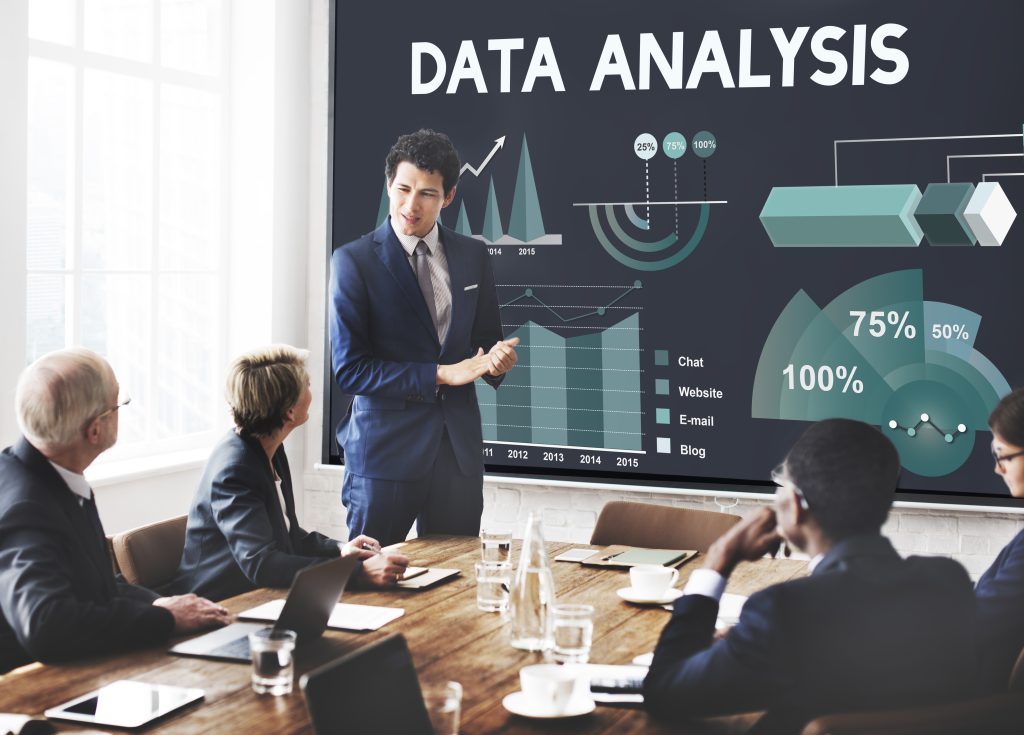
BI tools

Business Intelligence dashboard visualizing big data analytics trends
Business Intelligence

Big Data Analytics and Business Intelligence: Turning Information into Insight

Introduction In today’s hyper-connected digital world, data is the new oil — a powerful asset that drives innovation, strategy, and growth. Every second, billions of data points are generated from online transactions, social media, IoT devices, and business operations. But raw data is meaningless unless it’s analyzed, interpreted, and used to make informed decisions. That’s where Big Data Analytics and Business Intelligence (BI) come into play. Together, they empower organizations to uncover hidden trends, improve efficiency, and gain a competitive edge in the marketplace. What Is Big Data Analytics? Big Data Analytics is the process of examining large, complex datasets to discover hidden patterns, correlations, market trends, and customer preferences. Unlike traditional data analysis, Big Data Analytics can handle massive volumes (terabytes or petabytes) of structured and unstructured data at lightning speed.  The 5 Vs of Big Data: Volume – Massive amount of data generated daily Velocity – Speed at which data is created and processed Variety – Different formats (text, images, videos, logs, etc.) Veracity – Accuracy and reliability of data Value – Insights gained from analysis By leveraging technologies like Hadoop, Spark, and NoSQL databases, businesses can process and analyze enormous data efficiently. What Is Business Intelligence (BI)? Business Intelligence is a technology-driven process for analyzing data and presenting actionable insights to help executives, managers, and employees make informed business decisions. BI systems typically use dashboards, reports, and visualization tools like: Power BI Tableau QlikView Google Data Studio BI tools collect data from multiple sources, integrate it, and display results through interactive visual dashboards, making insights accessible to everyone. Big Data Analytics vs. Business Intelligence Aspect Big Data Analytics Business Intelligence (BI) Purpose Predict future outcomes Analyze past & present performance Data Type Structured + Unstructured Mostly structured data Tech Used Hadoop, Spark, Machine Learning Power BI, Tableau, SQL Output Predictive & prescriptive insights Descriptive & diagnostic insights Focus Exploration & forecasting Reporting & visualization In short, Big Data Analytics predicts what’s coming next, while Business Intelligence explains what’s happening now. Together, they create a 360° view of the organization, enhancing data-driven strategies. How Big Data and BI Work Together When integrated, Big Data and BI enable organizations to: Collect vast amounts of real-time data Process and store it efficiently Visualize complex patterns Support strategic business decisions Example:A retail company can use Big Data Analytics to predict customer purchase trends and then use BI dashboards to visualize which products are performing best in real-time. Key Components of Big Data and BI Ecosystem 1. Data Collection Data is gathered from multiple sources — sensors, CRM systems, web logs, transactions, and social media. 2. Data Storage Tools like Hadoop Distributed File System (HDFS), Amazon S3, or Google Cloud Storage store massive data volumes securely. 3. Data Processing Frameworks such as Apache Spark and Flink process the data for analysis. 4. Data Analysis Machine learning algorithms and statistical models identify patterns and trends. 5. Data Visualization BI tools like Power BI or Tableau present the results in interactive dashboards and graphs. Applications of Big Data and BI in Industries  1. Retail & E-Commerce Personalized product recommendations Dynamic pricing based on demand Customer behavior tracking Example:Amazon uses predictive analytics to recommend products, improving sales and customer engagement.  2. Healthcare Predictive diagnosis and treatment plans Disease outbreak tracking Patient data management Example:Hospitals use BI tools to monitor patient recovery and resource allocation. 3. Finance Fraud detection using real-time analytics Credit risk assessment Algorithmic trading Example:Banks use Big Data to identify suspicious transactions within seconds. 4. Manufacturing Predictive maintenance of equipment Supply chain optimization Quality control automation 5. Education Performance analytics for students Personalized learning paths Data-driven decision-making in administration Emerging Trends in Big Data and BI Artificial Intelligence Integration:Machine learning models now automate insights generation. Real-Time Analytics:Instant decision-making with live data streaming. Data Democratization:BI tools make analytics accessible to non-technical users. Augmented Analytics:Combines AI and natural language processing (NLP) for smarter reports. Edge Analytics:Data processing closer to the source for faster outcomes. Data Governance and Privacy:Ensuring compliance with regulations like GDPR and HIPAA. Benefits of Big Data Analytics and BI Benefit Impact Informed Decision-Making Data-backed strategic planning Cost Optimization Identify inefficiencies Customer Insights Understand preferences & behaviors Predictive Capabilities Anticipate future trends Competitive Advantage Gain market leadership Operational Efficiency Automate and streamline workflows Challenges in Big Data and BI Implementation Data quality and integration issues High storage and processing costs Security and privacy risks Shortage of skilled data professionals Over-dependence on tools without clear strategy However, with cloud-based solutions and AI-powered platforms, these challenges are becoming easier to overcome. Conclusion In the digital era, data is the foundation of success — but only when it’s analyzed effectively. Big Data Analytics gives organizations predictive power, while Business Intelligence delivers clarity and visibility. Together, they transform information into strategic insight, fueling smarter, faster, and data-driven decision-making. Companies embracing this synergy are not just surviving — they’re leading the future of business innovation. FAQs 1. What is the main difference between Big Data Analytics and Business Intelligence?Big Data focuses on analyzing large datasets for predictive insights, while BI focuses on reporting and visualizing historical data. 2. Why are Big Data and BI important?They help businesses make informed decisions, improve efficiency, and predict market trends. 3. What tools are used in Big Data Analytics?Hadoop, Spark, Hive, and Flink are commonly used tools. 4. What are popular BI tools?Power BI, Tableau, QlikView, and Google Data Studio are top BI tools. 5. What skills are needed for Big Data and BI?Data analysis, SQL, Python, visualization tools, and knowledge of databases.
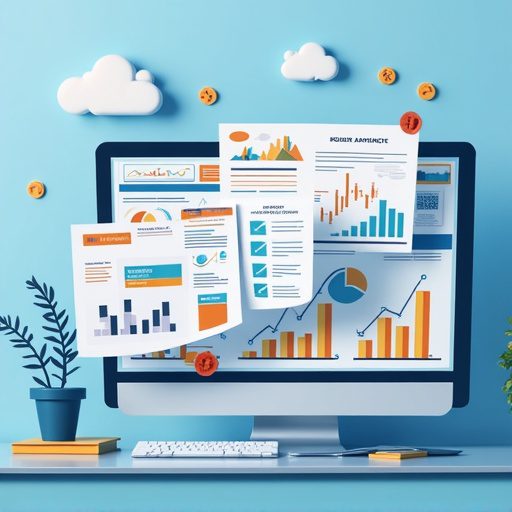
A suitable alt text for a feature image comparing Business Intelligence and Business Analytics could be: "Illustration highlighting the difference between Business Intelligence, focused on reporting and historical data analysis, and Business Analytics, emphasizing predictive modeling and future trend forecasting
Business Analytics

Business Intelligence vs Business Analytics

  Introduction In the digital age, data is often referred to as the “new oil.” Organizations generate massive amounts of information every second—from customer interactions and financial transactions to supply chain processes and social media engagements. Harnessing this data is no longer optional; it is a necessity for survival and growth. Two of the most powerful approaches to data-driven decision-making are Business Intelligence (BI) and Business Analytics (BA). While both aim to improve decision-making, they differ in purpose, methodology, and outcomes. Data Analytics in Banking: Transforming Finance in 2025 This blog explores the differences between Business Intelligence and Business Analytics, compares their strengths, highlights use-cases across industries, and helps you decide which approach—or combination—is the best fit for your organization. What is Business Intelligence (BI)? Business Intelligence refers to a set of processes, architectures, and technologies that transform raw data into meaningful insights. It is largely descriptive in nature, focusing on understanding what has happened and what is happening now. BI enables organizations to track KPIs, visualize performance, and monitor trends in real time. Instead of predicting the future, BI provides visibility into the present and past to improve operational efficiency. Key Features of Business Intelligence Data Warehousing & ETL (Extract, Transform, Load) → Ensures accurate, cleansed, and integrated data. Real-time dashboards → Easy-to-understand visualizations for quick insights. Standardized reporting → Ensures consistent reporting across departments. KPI monitoring → Tracks revenue, sales performance, employee productivity, etc. Alerts & anomaly detection → Flags unusual changes in data trends.  Example: Retailers use BI dashboards to monitor daily sales, store performance, and inventory levels in real time. What is Business Analytics (BA)? Business Analytics goes a step beyond BI. Instead of just describing “what happened,” BA seeks to answer why it happened and what might happen in the future. It relies on advanced techniques like statistical modeling, predictive analytics, machine learning, and AI. Business Analytics is diagnostic, predictive, and prescriptive, helping organizations make strategic and tactical decisions. Key Features of Business Analytics Predictive Analytics & Forecasting → Estimate sales trends, demand, or customer churn. Data Mining & Pattern Recognition → Discover hidden trends in customer behavior. Machine Learning & AI Integration → Automate decision-making through intelligent systems. What-if Scenario Analysis → Simulate multiple strategies before implementation. Root Cause Analysis → Understand the “why” behind business challenges.  Example: Banks use BA models to detect fraudulent transactions and predict loan defaults. Business Intelligence vs Business Analytics: Side-by-Side Comparison Aspect Business Intelligence (BI) Business Analytics (BA) Focus Descriptive (What happened?) Predictive & Prescriptive (Why & What Next?) Data Historical & current operational data Historical, current, and external datasets Questions Addressed “What is happening?” “Why is it happening? What will happen?” Tools Dashboards, Data Warehouses, Reporting Tools Statistical Models, ML Frameworks, AI Platforms Users Business users, Managers, Analysts Data Scientists, Advanced Analysts Purpose Monitoring & Reporting Forecasting, Optimization & Strategy When to Choose Business Intelligence Choose BI if: You need real-time operational visibility. You want standardized reports and KPIs for decision-making. Your goal is to improve daily operations and efficiency. You need user-friendly dashboards accessible by all employees. Example: A logistics company monitoring daily shipment tracking. When to Choose Business Analytics Choose BA if: You need predictive insights into market trends and customer behavior. You want to simulate business scenarios before investing resources. You are ready to invest in data science talent and advanced tools. You aim for long-term strategy and competitive advantage.  Example: An eCommerce business predicting which products will trend next season. Industry Applications of BI and BA  Retail → BI for sales dashboards, BA for demand forecasting. Healthcare → BI for patient records monitoring, BA for predicting disease outbreaks. Finance → BI for compliance reports, BA for fraud detection. Manufacturing → BI for production tracking, BA for predictive maintenance. E-Commerce → BI for order fulfillment tracking, BA for personalized recommendations. Challenges in BI and BA Implementation  Data Silos: Information scattered across departments. High Costs: Investment in infrastructure, talent, and tools. Change Management: Employees may resist adopting new systems. Data Privacy & Compliance: GDPR, HIPAA, etc. Skill Gaps: BI requires analysts; BA requires data scientists. Future Trends in BI and BA  AI-Driven Automation → BI dashboards enhanced with automated recommendations. Natural Language Processing (NLP) → Ask data questions in plain English. Cloud BI/BA → Cost-effective, scalable solutions. Blockchain in Analytics → Data authenticity and secure sharing. Embedded Analytics → Integrating BI/BA directly into business apps (CRM, ERP). ROI Analysis: BI vs BA BI ROI → Immediate efficiency gains, reduced reporting time, faster decisions. BA ROI → Long-term revenue growth, reduced risks, improved strategic planning. How TechOTD Supports BI & BA Needs BI Solutions: Data warehousing, dashboards, KPI tracking. BA Solutions: Predictive analytics, ML models, AI integration. Cloud Infrastructure: Secure, scalable, and cost-effective. Industry Expertise: eCommerce, finance, healthcare, and more. Conclusion  The choice between Business Intelligence and Business Analytics depends on your organization’s maturity, goals, and resources. If your focus is operational reporting and monitoring, BI is the way to go. If you want to predict future outcomes and drive innovation, BA is essential. The most successful organizations combine both BI and BA to build a full-fledged data-driven culture. Partnering with an expert like TechOTD ensures you have the right mix of strategy, technology, and execution. Ready to take your business forward? Connect with TechOTD today to implement a tailored BI & BA solution for competitive advantage. FAQ Q1. Can a company use both BI and BA?Yes. BI ensures operational efficiency while BA drives strategic foresight. Together they provide a 360° view. Q2. Do small businesses also need BI/BA?Absolutely. Even startups benefit from simple BI dashboards or predictive sales analytics. Q3. What skills are needed for BA?Statistical analysis, programming (Python/R), data visualization, and ML frameworks. Q4. How long does BI or BA implementation take?3–12 months depending on scale, data quality, and tools used. Q5. What are the most popular BI tools?Power BI, Tableau, QlikView, Looker. Q6. What are the most popular BA tools?R, Python, SAS, Apache Spark, TensorFlow. Q7. How secure is data in BI

How would you like me to respond?

Select a personality for your AI assistant

Normal
Happy
Sad
Angry

Your selection will affect how the AI assistant responds to your messages

Chat Assistant

Let's discuss your project!

Hear from our clients and why 3000+ businesses trust TechOTD

Tell us what you need, and we'll get back with a cost and timeline estimate

Scroll to Top