8 Reasons Developing Native Mobile Apps is Worth It!
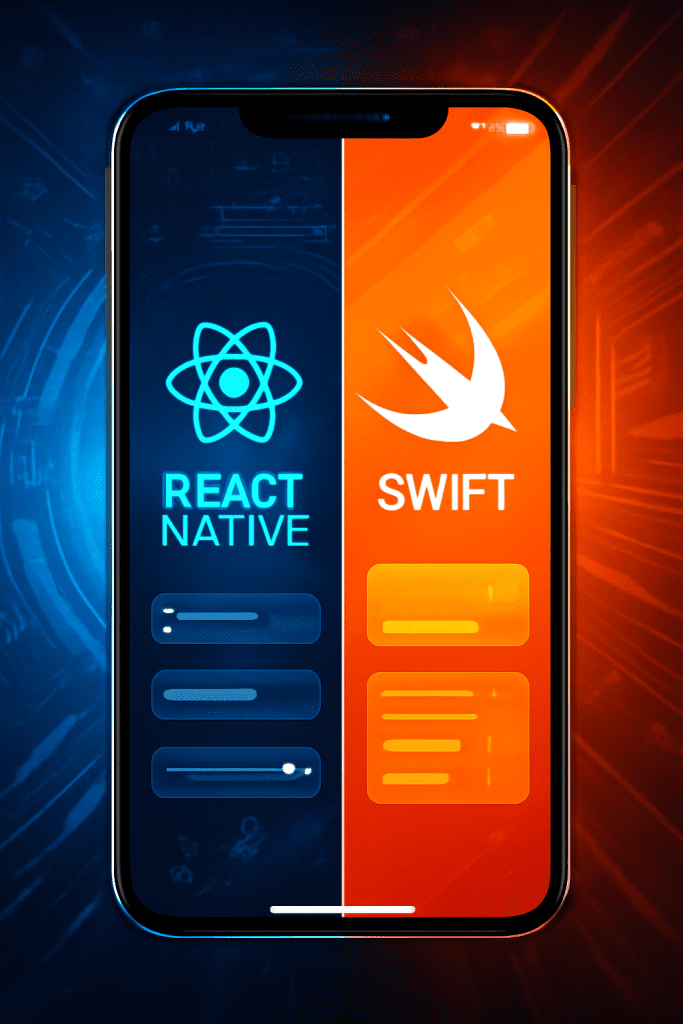
Introduction In today’s fast-paced digital ecosystem, mobile applications have transformed from a competitive advantage into a business necessity. While hybrid and cross-platform apps promise cost savings, native mobile apps continue to dominate in terms of performance, security, scalability, and user experience. For startups, enterprises, and even small businesses, choosing native app development can be the defining factor between mediocre user engagement and long-term digital success. This article explores eight compelling reasons why developing native mobile apps is worth the investment—supported with use cases, benefits, FAQs, key takeaways, and a comparison table to help you decide wisely. Quick Navigation What are Native Mobile Apps? Difference Between Native, Hybrid, and Cross-Platform Apps 8 Reasons Developing Native Mobile Apps is Worth It Benefits of Native Apps for Businesses Industry-Wise Use Cases Key Points Summary Table FAQs Final Thoughts 1. What are Native Mobile Apps? Native mobile apps are applications developed specifically for a single platform using that platform’s official programming language and tools: Android: Java, Kotlin with Android Studio iOS: Swift, Objective-C with Xcode Because they are built for one ecosystem, native apps leverage the full power of the operating system (OS), ensuring smoother performance, better UI/UX, and deeper access to device features. Example: WhatsApp, Spotify, and Instagram are native apps. 2. Difference Between Native, Hybrid, and Cross-Platform Apps Feature / Factor Native Apps Hybrid Apps Cross-Platform Apps Performance High (optimized for OS) Low to Medium Medium User Experience Excellent (OS-specific design) Limited Good but not as polished Device Features Access Full access Restricted Partial access Development Cost Higher Lower Moderate Maintenance Separate per platform Easier (single code) Easier Best For Enterprises, High-performance apps MVPs, small budget Mid-size businesses While hybrid and cross-platform apps have their place, native apps clearly provide superior results for businesses looking at long-term growth. 3. 8 Reasons Developing Native Mobile Apps is Worth It Superior Performance and Speed Native apps are built and optimized for a specific OS, allowing them to run faster, respond quicker, and deliver seamless performance. Unlike hybrid apps, they don’t rely on middleware or web technologies. Example: Banking apps prioritize native development to ensure high-speed transactions. Exceptional User Experience (UX/UI) Since native apps follow platform-specific design guidelines (Google’s Material Design, Apple’s Human Interface Guidelines), they deliver a familiar and smooth experience for users. Example: Instagram leverages native animations to create fluid transitions and intuitive navigation. Full Access to Device Features Native apps can directly interact with device hardware such as: GPS Camera Bluetooth Sensors Push notifications This allows businesses to deliver feature-rich, innovative applications. Enhanced Security and Reliability Security is built into native apps at multiple levels (OS, API, hardware). For industries like finance, healthcare, and government, this reliability is crucial. Read how large language models are transforming finance. Better Scalability and Flexibility With native apps, businesses can easily add new features, integrate APIs, and scale as demand grows without facing performance issues. Learn about how AI ensures seamless customer journeys. Higher App Store Visibility and Trust Native apps tend to get better rankings on app stores due to performance and user ratings. Moreover, users often perceive native apps as more trustworthy. Future-Proof with OS Updates Whenever Android or iOS releases new updates, native apps can adopt new features immediately. This ensures long-term support and future-proofing. Long-Term ROI (Return on Investment) Although native development has higher upfront costs, businesses often see better ROI due to: Increased engagement Higher retention rates Superior customer loyalty Explore the cost of predictive analytics software development. 4. Benefits of Native Apps for Businesses Faster load times → better customer satisfaction Secure transactions → essential for fintech & e-commerce Seamless offline functionality Reduced crash rates compared to hybrid apps Ability to handle complex workflows (gaming, AR/VR, IoT apps) 5. Industry-Wise Use Cases of Native Apps E-commerce: Amazon, Flipkart – personalized shopping & smooth checkout Healthcare: Telemedicine apps with secure video consultations Finance: Mobile banking, stock trading platforms Education: Technology in education impact guide On-Demand Services: Food delivery (Zomato, UberEats) with GPS integration 6. Key Points Summary Table Reason Why It’s Worth It Performance Fast, responsive, optimized UX/UI Platform-specific design, smooth navigation Device Features Full access to hardware Security High protection for sensitive data Scalability Easy to expand features App Store Trust Higher ranking and credibility Future-Proof Adapt quickly to OS updates ROI Long-term engagement & retention 7. Frequently Asked Questions (FAQs) Q1. Why are native apps more expensive to build?Because they require separate codebases for iOS and Android, needing skilled developers for each. Q2. Do startups really need native apps?If performance, scalability, and customer trust are priorities—yes. For MVPs, cross-platform might work, but scaling requires native. Q3. How long does native app development take?On average, 3–9 months, depending on features and complexity. Q4. Which industries benefit most from native apps?E-commerce, banking, healthcare, gaming, and on-demand services. Q5. Is native app development future-proof?Absolutely—because it adapts directly to OS-level innovations (like biometric authentication, ARKit, AI integrations). 8. Final Thoughts While cross-platform solutions seem attractive for cost-saving, native apps remain the gold standard for businesses aiming for performance, security, scalability, and long-term ROI. If you’re a CEO, CTO, or entrepreneur considering app development, investing in a native mobile app is one of the smartest decisions you can make for your digital future.