Author name: Ashish Ranjan

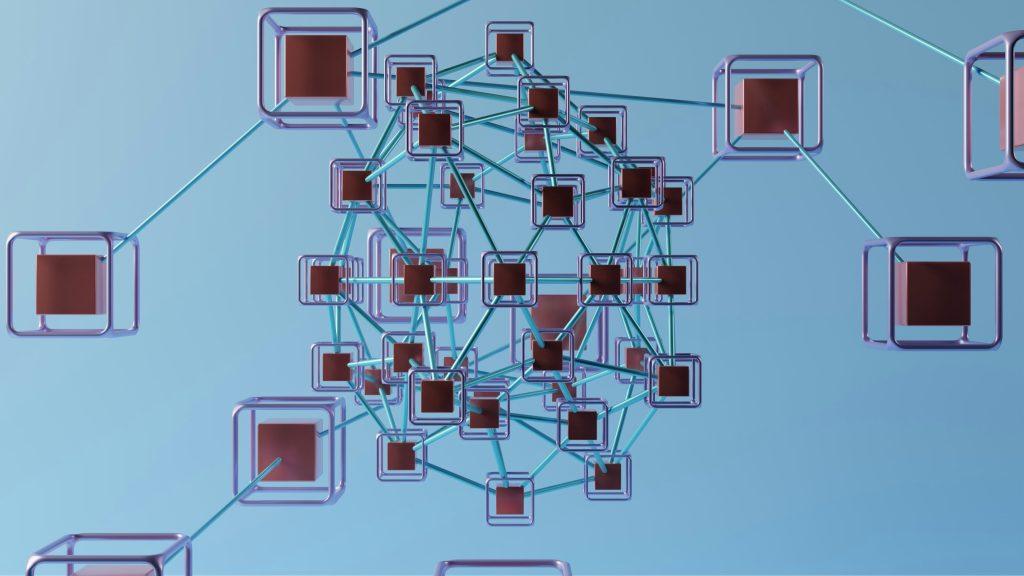
Connected blockchain network nodes with glowing chains linking distributed ledger blocks
Blockchain & Technology

Blockchain Beyond Cryptocurrency: Real-World Applications Transforming Industries

Introduction When most people hear “blockchain,” they immediately think of Bitcoin, Ethereum, and cryptocurrency speculation. While digital currencies introduced blockchain to the world, they represent merely the first application of a revolutionary technology with far-reaching implications across virtually every industry. Blockchain’s core characteristics—decentralization, immutability, transparency, and security—solve fundamental problems in trust, verification, and record-keeping that have plagued organizations for centuries. As we move beyond cryptocurrency hype cycles, blockchain is quietly transforming supply chains, healthcare systems, financial services, government operations, and creative industries. Understanding Blockchain Technology At its core, blockchain is a distributed ledger technology that records transactions across multiple computers in a way that makes records virtually impossible to alter retroactively. Unlike traditional databases controlled by single entities, blockchain distributes identical copies of the ledger across a network of participants, creating a shared source of truth that no single party controls. Each “block” in the blockchain contains a batch of transactions, a timestamp, and a cryptographic hash linking it to the previous block, creating an unbroken chain extending back to the first block. This structure ensures that altering any historical transaction would require changing every subsequent block across the majority of network copies—a practically impossible task in well-designed systems. Blockchain networks can be public (permissionless), where anyone can participate, read data, and submit transactions, or private (permissioned), where access is restricted to authorized participants. Public blockchains like Bitcoin prioritize decentralization and censorship resistance, while private blockchains trade some decentralization for privacy, speed, and regulatory compliance. Smart contracts—self-executing programs that run on blockchain networks—extend blockchain beyond simple record-keeping. These programs automatically enforce agreements when predefined conditions are met, eliminating intermediaries and reducing the potential for disputes. Smart contracts enable complex multi-party workflows, automated compliance, and programmable money. Consensus mechanisms determine how blockchain networks agree on the current state of the ledger. Bitcoin uses proof-of-work, where participants compete to solve computational puzzles. Ethereum has transitioned to proof-of-stake, where participants lock up cryptocurrency to validate transactions. Other mechanisms like practical Byzantine fault tolerance or proof-of-authority offer different trade-offs between decentralization, speed, and energy efficiency. Supply Chain Revolution Supply chain management represents one of blockchain’s most compelling real-world applications. Modern supply chains span continents, involve dozens of parties, and handle products passing through many hands before reaching consumers. Tracking products, verifying authenticity, ensuring quality standards, and managing documentation create enormous complexity and opportunities for fraud or error. Blockchain creates transparent, immutable records of product journeys from origin to consumer. When a farmer harvests coffee beans, that transaction records on the blockchain. As beans move through processors, shippers, roasters, distributors, and retailers, each transfer adds a new block. Consumers can scan product codes to view complete histories, verifying origin claims and ethical sourcing. Walmart has implemented blockchain for food safety, tracking produce from farms to stores. When contamination occurs, identifying affected products previously took days or weeks, requiring recalls of entire product categories. With blockchain tracking, Walmart can identify exact batches affected in seconds, reducing waste and protecting consumers more effectively. The diamond industry uses blockchain to combat conflict diamonds and verify authenticity. Each diamond receives a unique identifier recorded on the blockchain along with characteristics, ownership history, and provenance documentation. This system helps ensure diamonds are ethically sourced and not synthetic imposters, protecting both consumers and legitimate miners. Pharmaceutical companies are implementing blockchain to combat counterfeit drugs, a massive problem killing hundreds of thousands annually. By tracking medications from manufacturing through distribution to pharmacy, blockchain systems verify authenticity and detect diversion or counterfeiting. This transparency also helps manage recalls and expiration dates more effectively. Automotive manufacturers use blockchain to track parts and components, ensuring quality and facilitating recalls. When defects are discovered, manufacturers can quickly identify which vehicles contain affected parts. The technology also helps prove maintenance history and verify odometer readings in used vehicle sales. Healthcare Transformation Healthcare systems struggle with fragmented medical records, privacy concerns, interoperability issues, and difficulty verifying credentials. Blockchain addresses these challenges while giving patients greater control over their health information. Medical records stored on blockchain can be shared securely between providers while giving patients control over access permissions. When you visit a new doctor, they can request access to your medical history. You approve access through a secure interface, and the doctor retrieves encrypted records that only they can decrypt. This eliminates redundant tests, prevents dangerous drug interactions, and improves care quality. Clinical trial data integrity represents another significant application. Pharmaceutical companies and researchers can timestamp and record trial protocols, data collection procedures, and results on blockchain, creating immutable audit trails. This transparency helps prevent data manipulation, builds trust in published results, and facilitates regulatory review. Drug development and approval processes involve extensive documentation and multi-party coordination between researchers, manufacturers, regulators, and trial sites. Blockchain platforms can coordinate these workflows, ensure document authenticity, and create clear audit trails satisfying regulatory requirements. Medical credential verification uses blockchain to combat fraudulent healthcare provider credentials. Professional licenses, educational degrees, board certifications, and training records recorded on blockchain can be instantly verified by hospitals, clinics, and patients. This reduces administrative burden and prevents unqualified individuals from practicing medicine. Medical device tracking and maintenance leverages blockchain to record device histories, maintenance schedules, and safety alerts. This proves particularly valuable for implantable devices, where tracking individual units through manufacture, implantation, and patient monitoring ensures quality and facilitates recalls when necessary. Financial Services Innovation While cryptocurrency dominates blockchain headlines, financial institutions are implementing blockchain for traditional banking operations. The technology promises faster settlements, reduced costs, improved transparency, and new financial products. Cross-border payments using blockchain can settle in minutes rather than days, with lower fees than traditional wire transfers or remittance services. Banks and payment processors are developing blockchain-based systems enabling real-time international payments, particularly valuable for remittances to developing countries where traditional services charge exorbitant fees. Securities trading and settlement traditionally involves multiple intermediaries and takes days to finalize. Blockchain-based systems can settle trades instantly while maintaining regulatory compliance and audit trails. The Australian Securities Exchange is replacing its clearing and settlement system

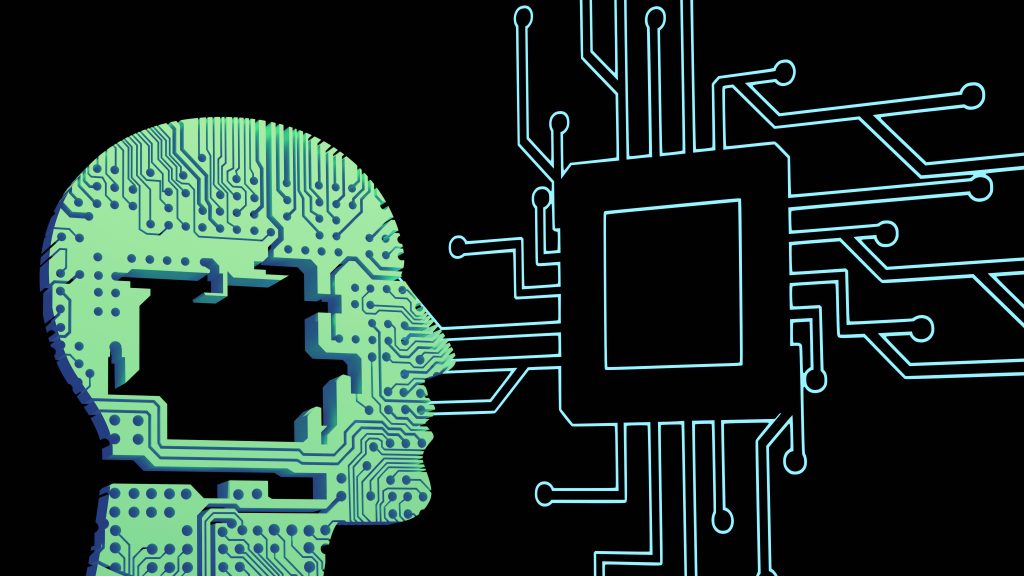
Glowing quantum computer processor with interconnected qubits floating in a blue digital space
Cloud, Cloud Computing and Technology

The Rise of Quantum Computing: Breaking Through Classical Limitations

Introduction The world of computing stands at the precipice of a revolutionary transformation. While classical computers have served humanity remarkably well for decades, we’re now witnessing the emergence of a fundamentally different approach to computation—one that harnesses the bizarre and counterintuitive principles of quantum mechanics. Quantum computing promises to solve problems that would take conventional computers millions of years to crack, opening doors to breakthroughs in medicine, materials science, cryptography, and artificial intelligence. Understanding Quantum Computing: Beyond the Bits To appreciate the revolutionary nature of quantum computing, we must first understand what makes it different from classical computing. Traditional computers process information using bits—binary units that exist in one of two states: 0 or 1. Every calculation, every program, every digital interaction ultimately reduces to sequences of these binary digits flowing through silicon circuits. Quantum computers, however, operate on quantum bits or “qubits.” Unlike classical bits, qubits can exist in a state called superposition, where they’re simultaneously 0 and 1 until measured. This isn’t merely a theoretical curiosity—it’s a fundamental property of quantum mechanics that enables exponential increases in computational power. Consider this: A classical computer with three bits can represent any of eight possible states (000, 001, 010, 011, 100, 101, 110, 111) at any given moment. A quantum computer with three qubits can represent all eight states simultaneously. As you scale up, the advantage becomes staggering. While 20 classical bits can represent one of about a million states, 20 qubits can represent all million states at once. But superposition is just the beginning. Quantum computers also leverage entanglement, a phenomenon Einstein famously called “spooky action at a distance.” When qubits become entangled, the state of one instantly influences the state of another, regardless of the distance between them. This interconnectedness allows quantum computers to process information in ways that have no classical analogue. The Current State of Quantum Computing Technology The past few years have witnessed remarkable progress in quantum computing hardware and software. Major technology companies and research institutions worldwide are investing billions in quantum research. IBM has made quantum computers accessible through the cloud, allowing researchers and developers to experiment with real quantum hardware. Google claimed to achieve “quantum supremacy” in 2019 when their Sycamore processor performed a calculation in 200 seconds that would take a classical supercomputer approximately 10,000 years. However, the path to practical quantum computing remains challenging. Current quantum computers are incredibly fragile. Qubits must be kept at temperatures near absolute zero—colder than outer space—to maintain their quantum states. Environmental noise, electromagnetic interference, and even cosmic rays can cause “decoherence,” destroying the delicate quantum information before calculations complete. Today’s quantum processors typically have between 50 to 1000 qubits, but not all qubits are created equal. The quality of qubits, measured by metrics like coherence time and gate fidelity, varies significantly between different quantum computing platforms. Researchers are exploring various physical implementations of qubits, including superconducting circuits, trapped ions, topological qubits, and photonic systems, each with distinct advantages and challenges. Revolutionary Applications of Quantum Computing The true power of quantum computing lies in its applications. Drug discovery represents one of the most promising areas. Simulating molecular interactions requires calculating quantum mechanical properties—a task where quantum computers naturally excel. Traditional computers struggle to model even relatively simple molecules accurately, but quantum computers could simulate complex biological molecules, dramatically accelerating the development of new medications and treatments. Cryptography will undergo a fundamental transformation with quantum computing. Current encryption methods rely on the difficulty of factoring large numbers—a task that takes classical computers impractical amounts of time. Quantum computers using Shor’s algorithm could break these encryption schemes efficiently, rendering much of today’s digital security obsolete. This looming threat has sparked the development of post-quantum cryptography—new encryption methods designed to resist quantum attacks. Financial modeling and optimization problems also stand to benefit enormously. Portfolio optimization, risk analysis, and fraud detection involve evaluating countless scenarios and variables. Quantum computers could process these calculations exponentially faster, providing more accurate predictions and identifying opportunities that classical algorithms might miss. Climate modeling and materials science represent another frontier. Understanding and predicting climate patterns requires processing vast amounts of data and running complex simulations. Quantum computers could model atmospheric and oceanic systems with unprecedented accuracy. Similarly, designing new materials with specific properties—stronger alloys, more efficient solar cells, better batteries—could advance rapidly with quantum simulation. The Race for Quantum Advantage The global race for quantum computing dominance has become a matter of strategic importance. The United States, China, and the European Union have all announced multi-billion dollar quantum initiatives. Private companies like IBM, Google, Microsoft, and Amazon are building quantum computing platforms and ecosystems. Startups like IonQ, Rigetti, and PsiQuantum are pursuing novel approaches to quantum hardware. The concept of “quantum advantage” or “quantum utility” has evolved beyond the initial demonstrations. Researchers now focus on identifying specific problems where quantum computers can provide practical advantages over classical systems, even if those classical systems continue improving. This represents a more nuanced understanding than the early “supremacy” narrative. Hybrid approaches combining quantum and classical computing are gaining traction. Quantum computers excel at specific tasks but struggle with others. By strategically dividing problems between quantum and classical processors, researchers can leverage the strengths of both paradigms. This hybrid model likely represents the near-term future of quantum computing applications. Challenges and the Road Ahead Despite tremendous progress, significant challenges remain. Error rates in current quantum computers are still too high for many practical applications. Quantum error correction requires substantial overhead—potentially thousands of physical qubits to create one reliable logical qubit. Scaling quantum computers while maintaining qubit quality and connectivity presents formidable engineering challenges. The quantum computing industry also faces a talent shortage. Quantum computing requires expertise spanning quantum physics, computer science, mathematics, and engineering. Universities and companies are racing to develop training programs and build the workforce needed to realize quantum computing’s potential. Software development for quantum computers differs fundamentally from classical programming. New programming languages, algorithms, and development tools are emerging. Companies like IBM, Microsoft, and

Artificial intelligence network scanning for cyber threats and data protection.
Artificial Intelligence, cybersecurity

The Role of Artificial Intelligence in Cybersecurity

Introduction In a world where cyberattacks are growing more sophisticated by the day, traditional defense systems are no longer enough. Businesses, governments, and individuals face threats ranging from phishing scams to ransomware and identity theft. To combat this, Artificial Intelligence (AI) has emerged as a game-changing weapon in the field of cybersecurity. By combining machine learning (ML), predictive analytics, and automation, AI helps security teams identify, prevent, and respond to attacks — often before they occur. As per IBM’s Cost of a Data Breach Report 2025, organizations using AI-driven cybersecurity tools save an average of $3 million per breach compared to those without it. Clearly, the future of cybersecurity is AI-powered. What Is AI in Cybersecurity? Artificial Intelligence in Cybersecurity involves using algorithms and machine learning models to analyze data, detect anomalies, and automatically respond to threats. Unlike traditional security systems that rely on pre-defined rules, AI systems learn and adapt to new threats dynamically — making them ideal for handling today’s complex digital environments.     Core Functions: Real-time threat detection Automated response and mitigation Behavioral analysis Network monitoring Predictive analytics Why AI Is Essential in Cybersecurity Traditional cybersecurity relies on human experts and static rule-based systems. However, with billions of daily data points and evolving attack patterns, humans alone can’t keep up. AI brings: Speed: Instantly processes large datasets to identify threats. Accuracy: Reduces false positives compared to manual analysis. Scalability: Monitors thousands of endpoints simultaneously. Adaptability: Learns from new data and evolving attacks. AI acts as a force multiplier — enhancing human intelligence rather than replacing it. Key Applications of AI in Cybersecurity 1. Threat Detection and Prediction AI systems analyze historical attack data to predict potential threats. By learning patterns, AI can detect zero-day vulnerabilities that traditional systems might miss. Example: Darktrace uses AI to continuously learn an organization’s network behavior and identify anomalies in real-time. 2. Behavioral Analytics AI monitors user and system behavior to detect suspicious activities such as unauthorized access or data transfers. Example: If an employee’s account suddenly downloads huge amounts of data at odd hours, AI can flag and isolate that activity. 3. Automated Incident Response AI can automate the initial response to threats — such as isolating infected devices or blocking suspicious IP addresses — reducing the time between detection and action. Example: SOAR (Security Orchestration, Automation, and Response) platforms use AI to streamline security workflows. 4. Phishing and Email Security Machine learning models analyze email content, sender patterns, and URLs to detect phishing attacks before they reach users’ inboxes. Example: Google’s Gmail AI blocks over 100 million phishing emails daily using ML filters. 5. Malware Detection AI-powered systems can detect new malware strains by studying code structure and execution patterns — even if the malware hasn’t been seen before. Example: Cylance uses AI models trained on millions of malicious files to predict threats in real-time. 6. Network Security and Monitoring AI helps track massive network traffic volumes, identifying abnormalities that might signal cyberattacks like DDoS (Distributed Denial of Service). Example: AI tools detect unusual spikes in network activity and alert administrators instantly. 7. Fraud Detection Banks and e-commerce companies use AI to analyze user transactions and detect fraudulent behavior. Example: Mastercard’s Decision Intelligence uses AI to evaluate transaction risks within milliseconds.  Advantages of Using AI in Cybersecurity Advantage Impact Speed & Efficiency Real-time threat detection and mitigation Improved Accuracy Fewer false alarms and better prioritization Cost Reduction Reduced operational costs and data breach impact Predictive Capabilities Prevents attacks before they occur 24/7 Monitoring Continuous protection without downtime Adaptive Learning Evolves with emerging cyber threats Challenges and Limitations While AI offers immense potential, it’s not without challenges. 1. Adversarial AI Attacks Hackers use AI to create smarter malware or bypass security systems by mimicking legitimate behavior. 2. High Implementation Costs Building and training AI models require significant investment in infrastructure and expertise. 3. False Positives Poorly trained AI systems may still misclassify safe activities as threats, leading to unnecessary alerts. 4. Data Privacy Concerns AI models need large datasets to train — which sometimes include sensitive user data. 5. Skill Gap The shortage of AI and cybersecurity professionals makes it difficult for many organizations to deploy AI effectively. The Future of AI in Cybersecurity The next era of cybersecurity will be autonomous, predictive, and intelligent. Key Trends to Watch: AI + Blockchain Integration: For tamper-proof data verification. Quantum AI Security: Defending against quantum computing-based attacks. Self-Healing Systems: Networks that can automatically detect, isolate, and repair vulnerabilities. Edge AI: Real-time protection for IoT and edge devices. AI-driven Cyber Threat Intelligence (CTI): Collaborative global databases for predictive defense. By 2030, AI will be the central pillar of all major cybersecurity infrastructures — empowering organizations to respond to threats faster than hackers can act. Real-World Case Studies IBM Watson for Cybersecurity Uses natural language processing and machine learning to analyze millions of security reports, helping security teams make faster decisions. Capital One Implements AI to monitor billions of transactions in real time, protecting customers from credit card fraud and identity theft. Healthcare Networks Hospitals use AI-based security tools to protect sensitive patient records and detect ransomware attacks. Conclusion The rise of Artificial Intelligence has redefined the battle against cybercrime. From predictive threat detection to automated defense mechanisms, AI enables businesses to stay one step ahead of hackers. As digital transformation accelerates, the fusion of AI and cybersecurity will become the cornerstone of trust and resilience in the online world. However, with great power comes responsibility — ensuring AI is used ethically, transparently, and securely will be crucial for a safer digital future. In short, AI is not just defending the digital world — it’s redefining it. FAQs 1. How is AI used in cybersecurity?AI analyzes patterns, detects anomalies, and automates responses to identify and mitigate cyber threats in real time. 2. Can AI prevent cyberattacks completely?AI reduces risks and improves detection, but human oversight remains essential for complex decision-making. 3. What are the main benefits of AI in cybersecurity?Faster detection, improved accuracy,

Digital blockchain network connecting global data systems beyond cryptocurrency.
Blockchain & Technology

Blockchain Beyond Cryptocurrency: Transforming the Digital World

Introduction When people hear the word “blockchain,” the first thing that often comes to mind is Bitcoin or cryptocurrency. However, blockchain is much more than a platform for digital money. It’s a revolutionary technology that’s transforming industries by offering security, transparency, and decentralization. From supply chain tracking and smart contracts to voting systems and healthcare data security, blockchain is redefining the digital landscape. As businesses seek more trust and accountability in their digital systems, blockchain has emerged as one of the most powerful technologies shaping the future of digital transformation. Let’s dive into how blockchain is being used beyond cryptocurrency, and why it’s becoming the backbone of tomorrow’s economy. What Is Blockchain? At its core, blockchain is a distributed digital ledger that records transactions securely and transparently across multiple computers (nodes). Unlike traditional databases managed by a central authority, blockchain operates on decentralization, meaning no single entity controls the data. Key Features: Transparency: Every transaction is visible to participants. Immutability: Once added, data cannot be changed or deleted. Security: Cryptographic algorithms protect all data. Decentralization: Eliminates the need for intermediaries. This makes blockchain ideal for industries that require trust, accountability, and fraud resistance. Blockchain’s Origins: Cryptocurrency and Beyond Blockchain first gained fame as the technology behind Bitcoin (introduced in 2009). Its decentralized nature made it perfect for creating a peer-to-peer digital currency without banks or governments. However, as developers explored its potential, they realized blockchain could revolutionize far more than finance — it could reshape how we exchange, verify, and protect information across any industry. 1. Blockchain in Supply Chain Management Supply chains are complex networks involving manufacturers, suppliers, distributors, and retailers. Traditionally, tracking products through this chain has been inefficient and prone to fraud. Blockchain solves these issues by providing end-to-end visibility. Benefits: Real-time product tracking Verification of authenticity Reduced fraud and counterfeiting Streamlined documentation For instance, Walmart uses blockchain to track food products from farm to shelf, ensuring food safety and faster recall management. 2. Blockchain in Healthcare Healthcare systems handle vast amounts of sensitive data — patient histories, prescriptions, insurance records — making data security critical. Blockchain offers a secure, tamper-proof way to store and share medical records across hospitals, labs, and patients. Key Benefits: Enhanced data privacy and security Interoperability between healthcare providers Reduced administrative overhead Better patient control over data access Example: The MediLedger project uses blockchain to prevent counterfeit drugs from entering pharmaceutical supply chains. 3. Blockchain in Banking and Finance Even though blockchain began in finance, its use is rapidly expanding. Banks now use it for more than cryptocurrency — from speeding up transactions to improving compliance and reducing fraud. Applications: Cross-border Payments: Faster and cheaper international transfers. Smart Contracts: Automated and transparent financial agreements. KYC & AML Compliance: Secure and decentralized identity verification. Example: J.P. Morgan’s Quorum blockchain enables efficient and private financial transactions for global clients. 4. Smart Contracts: Automation with Trust Smart contracts are self-executing digital agreements stored on a blockchain. Once predefined conditions are met, they automatically execute actions — no intermediaries needed. Benefits: Eliminates third parties Reduces disputes and errors Saves time and cost For example, in real estate, a smart contract can automatically transfer ownership once payment is confirmed, reducing paperwork and fraud. 5. Blockchain in Government and Voting Blockchain’s transparency makes it ideal for governance and electoral systems. Use Cases: E-Voting Systems: Secure, verifiable, and tamper-proof voting processes. Public Record Management: Secure storage for property, birth, and marriage certificates. Tax and Budget Transparency: Prevents corruption and improves accountability. Estonia, a global leader in digital governance, uses blockchain for citizen ID systems, healthcare, and judicial records. 6. Blockchain in Digital Identity In today’s digital world, identity theft is a growing concern. Blockchain enables self-sovereign identity (SSI) — giving individuals control over their own digital identity. Advantages: Users own and control their data Reduced identity theft and fraud Simplified verification for banks, employers, and governments For instance, Microsoft’s “ION” project builds decentralized digital IDs on the Bitcoin blockchain for secure online authentication. 7. Blockchain in Art and Entertainment The rise of NFTs (Non-Fungible Tokens) showcases how blockchain empowers artists and creators. NFTs represent ownership of digital assets such as artwork, music, or videos stored on the blockchain. Benefits for Creators: Proven digital ownership Direct monetization (no middlemen) Royalty tracking on resales Platforms like OpenSea and Rarible have revolutionized how digital art is bought and sold, giving creators global exposure. 8. Blockchain in Energy and Sustainability Energy systems are evolving to include renewable sources and decentralized grids. Blockchain supports this transition by enabling peer-to-peer energy trading and transparent carbon tracking. Example: In Germany, companies use blockchain to allow citizens to buy and sell solar energy directly within their community. This fosters cleaner energy systems and encourages sustainability through real-time energy accounting. 9. Blockchain Security and Privacy While blockchain ensures transparency, it also offers strong encryption to protect data. However, challenges like scalability, energy consumption, and regulatory uncertainty remain. Emerging solutions like Proof-of-Stake (PoS), Layer-2 scaling, and Quantum-resistant encryption are helping overcome these hurdles. The Future of Blockchain As we move beyond cryptocurrencies, blockchain’s real potential lies in building trust in a trustless world. By 2030, blockchain is expected to become a core technology in: Digital governance Cross-border supply networks Healthcare interoperability Sustainable energy systems Education and credential verification In essence, blockchain will underpin the next digital revolution, creating a world that’s secure, transparent, and decentralized. Conclusion Blockchain is far more than just the foundation of cryptocurrency — it’s a transformational technology with the power to redefine trust and transparency in the digital age. Whether it’s tracking food origins, protecting medical records, or enabling secure voting, blockchain is solving real-world challenges across industries. As adoption grows, blockchain will continue to blur the lines between technology, economy, and society, laying the groundwork for a more connected and accountable world. FAQs 1. What is blockchain used for besides cryptocurrency?Blockchain is used in supply chain management, healthcare, digital identity, voting systems, and data security. 2. How does blockchain increase transparency?All transactions are

Digital cloud network symbolizing data storage and online connectivity.
Cloud Computing and Technology

The Role of Cloud Computing in Digital Transformation

Introduction In today’s rapidly evolving digital world, cloud computing has emerged as the foundation of transformation across industries. From startups to Fortune 500 companies, organizations are migrating their systems, applications, and data to the cloud to unlock agility, scalability, and innovation. Digital transformation is not merely about adopting technology — it’s about reimagining how a business operates, delivers value, and interacts with customers. Cloud computing makes this possible by providing on-demand access to computing resources that drive automation, data analytics, and artificial intelligence — without the constraints of physical infrastructure. This blog explores how cloud computing is shaping the digital era, its benefits, key technologies, challenges, and its indispensable role in driving business modernization. What is Cloud Computing? Cloud computing refers to the delivery of computing services — such as servers, storage, databases, networking, software, and analytics — over the internet (“the cloud”). Instead of owning and maintaining hardware, organizations rent access from cloud providers like Amazon Web Services (AWS), Microsoft Azure, and Google Cloud Platform (GCP). Cloud computing enables flexibility, cost-efficiency, and scalability, making it easier for companies to innovate and compete globally. The Three Main Types of Cloud Computing Infrastructure as a Service (IaaS):Provides virtualized computing resources like servers, storage, and networking.Example: AWS EC2, Google Compute Engine. Platform as a Service (PaaS):Offers a platform for developers to build, run, and manage applications without managing infrastructure.Example: Microsoft Azure App Service, Heroku. Software as a Service (SaaS):Delivers software applications via the internet on a subscription basis.Example: Google Workspace, Salesforce, Zoom. Cloud Deployment Models Public Cloud: Services offered over the internet, accessible to multiple users. (e.g., AWS, Azure) Private Cloud: Dedicated cloud infrastructure for a single organization, offering greater control and security. Hybrid Cloud: A combination of public and private clouds for flexibility and workload optimization. Multi-Cloud: Using multiple cloud providers to avoid vendor lock-in and improve resilience. The Role of Cloud Computing in Digital Transformation 1. Enabling Agility and Innovation Cloud platforms allow businesses to deploy and scale applications instantly. Developers can test new ideas faster without waiting for physical infrastructure, fostering a culture of innovation. 2. Empowering Data Analytics and AI Cloud computing provides scalable storage and computational power for big data analytics, machine learning, and AI-driven insights.Companies can analyze massive datasets in real-time to improve decision-making and customer personalization. 3. Enhancing Collaboration and Productivity Cloud tools like Google Workspace, Microsoft 365, and Slack enable real-time collaboration across teams worldwide, boosting productivity and connectivity. 4. Strengthening Cybersecurity Modern cloud platforms offer advanced encryption, identity management, and AI-powered threat detection to protect sensitive data.For example, Microsoft Azure Security Center continuously monitors cloud environments for vulnerabilities. 5. Cost Efficiency and Scalability Cloud computing eliminates the need for large upfront hardware investments. Businesses pay only for the resources they use, scaling up or down as demand changes. 6. Supporting Remote Work The pandemic accelerated the shift to remote work — and cloud-based tools made it possible. Employees can securely access applications and files from anywhere, anytime. 7. Business Continuity and Disaster Recovery Cloud providers offer redundancy and backup solutions, ensuring business continuity even in the face of system failures or disasters. Real-World Examples of Cloud-Driven Digital Transformation 1. Netflix Netflix uses AWS to stream video content globally. Cloud scalability allows it to handle millions of users simultaneously while analyzing viewing patterns for recommendations. 2. Airbnb Airbnb relies on cloud computing for hosting its marketplace, managing bookings, and processing real-time analytics to enhance user experiences. 3. NASA NASA uses the cloud to store and share space exploration data securely and efficiently across research teams worldwide. 4. Spotify Spotify leverages Google Cloud for AI-driven music recommendations, improving user engagement and retention. Benefits of Cloud Computing in Digital Transformation Scalability: Easily adjust computing resources based on demand. Flexibility: Deploy applications and services faster across multiple regions. Innovation: Accelerates AI, IoT, and data analytics capabilities. Reduced Costs: Cuts hardware and maintenance expenses. Security and Compliance: Offers robust security frameworks with global compliance standards. Sustainability: Cloud providers use energy-efficient data centers, reducing carbon footprints. Challenges in Cloud Adoption Data Privacy and Compliance: Handling sensitive information across borders can raise legal issues. Vendor Lock-In: Dependence on one provider may limit flexibility. Downtime and Service Reliability: Internet outages can disrupt access to cloud services. Security Risks: Misconfigurations or weak access controls may lead to breaches. Cost Management: Unmonitored usage can lead to unexpected expenses. Emerging Trends in Cloud Computing 1. Multi-Cloud Strategies Organizations are increasingly adopting multi-cloud environments to avoid dependence on a single provider and enhance resilience. 2. Edge Computing Integration Combining cloud and edge computing allows data to be processed closer to the source for faster response times. 3. Serverless Architecture Developers can deploy code without managing servers, improving scalability and reducing operational costs. 4. Cloud-Native Applications Microservices and containerization (via Docker and Kubernetes) enable faster, more agile software development. 5. AI-Driven Cloud Management AI helps optimize cloud performance, automate resource allocation, and detect security threats proactively. Cloud Computing and Sustainability Cloud computing is playing a crucial role in achieving green IT goals. Major providers are investing in renewable energy and energy-efficient data centers.For example, Google Cloud aims to run entirely on carbon-free energy by 2030, setting a benchmark for sustainable digital transformation. Conclusion Cloud computing is the backbone of digital transformation — enabling businesses to become more agile, data-driven, and customer-focused.It breaks traditional IT barriers, accelerates innovation, and empowers organizations to adapt to rapidly changing markets. As companies continue to embrace cloud-based ecosystems, the future will belong to those who combine the power of cloud, AI, and edge technologies to deliver smarter, faster, and more sustainable digital solutions. FAQs 1. What role does cloud computing play in digital transformation? Cloud computing provides flexible, scalable, and cost-effective IT infrastructure that enables digital transformation across industries. 2. How does cloud computing improve business efficiency? It automates operations, enhances collaboration, and allows rapid deployment of applications without large capital investment. 3. What are examples of cloud-based tools used in business? Google Workspace, AWS, Microsoft Azure, Salesforce, and Slack

Data analytics dashboard displaying visual graphs and metrics for business performance.
Big Data

Big Data Analytics: Powering Smarter Decisions in the Digital Age

Introduction In the modern world, data is often referred to as the “new oil” — a resource that drives innovation, business growth, and strategic decision-making. However, unlike oil, data’s value depends on how effectively it is analyzed and interpreted. This is where Big Data Analytics comes into play. From personalized recommendations on Netflix to predictive maintenance in manufacturing, Big Data has transformed the way organizations operate. By turning massive volumes of raw data into actionable insights, companies can make faster, smarter, and more confident decisions. In this blog, we’ll explore what Big Data Analytics is, its key components, real-world applications, benefits, challenges, and the future trends shaping this powerful field. What is Big Data Analytics? Big Data Analytics is the process of examining large and complex data sets — often too vast for traditional processing systems — to uncover hidden patterns, correlations, trends, and insights. It involves using advanced technologies like machine learning, artificial intelligence (AI), cloud computing, and data visualization to make sense of massive data generated every second. The 5Vs of Big Data: Volume: The huge amount of data generated from sources like social media, IoT devices, and transactions. Velocity: The speed at which new data is created and needs to be processed. Variety: The different formats of data — structured, semi-structured, and unstructured. Veracity: The reliability and accuracy of data. Value: The insights and business impact derived from analyzing the data. Types of Big Data Analytics Descriptive Analytics: Answers “What happened?” by summarizing historical data (e.g., monthly sales reports). Diagnostic Analytics: Answers “Why did it happen?” by identifying causes and relationships. Predictive Analytics: Answers “What might happen?” using statistical models and forecasting. Prescriptive Analytics: Answers “What should we do next?” by recommending actions based on predictive insights. Together, these analytics types empower organizations to move from hindsight to foresight, enabling smarter business strategies. How Big Data Analytics Works The process involves several key steps: Data Collection: Gathering data from sources such as IoT devices, social media, transactions, and sensors. Data Storage: Using platforms like Hadoop, Apache Spark, or cloud databases to store massive datasets. Data Processing: Cleaning and transforming raw data into usable formats. Data Analysis: Applying algorithms and tools like Python, R, or Power BI to extract insights. Visualization: Presenting data through dashboards and reports to support decision-making. Real-World Applications of Big Data Analytics 1. Healthcare Hospitals and research institutions use Big Data to predict disease outbreaks, personalize treatment plans, and improve patient care.Example: Analyzing patient histories and genetics helps doctors prescribe customized medicines for better outcomes. 2. Retail Retail giants like Amazon and Walmart use analytics to track customer preferences, optimize inventory, and personalize shopping experiences.Example: Big Data predicts buying behavior, allowing targeted ads and product recommendations. 3. Finance Banks and financial institutions use Big Data to detect fraud, assess credit risk, and enhance customer engagement.Example: Real-time fraud detection systems analyze thousands of transactions per second to flag anomalies. 4. Manufacturing Predictive analytics helps manufacturers forecast equipment failures and perform maintenance before breakdowns occur.Example: GE uses Big Data in its “Industrial Internet” to monitor and optimize production equipment globally. 5. Transportation Public and private transport companies analyze data from GPS, sensors, and ticketing systems to improve route efficiency and reduce congestion.Example: Uber uses real-time analytics to match drivers with passengers and set dynamic pricing. 6. Education Educational institutions use data analytics to track student performance, improve learning outcomes, and design adaptive learning programs. Benefits of Big Data Analytics Better Decision-Making: Real-time insights support quick and accurate strategic choices. Operational Efficiency: Identifies inefficiencies and optimizes workflows. Enhanced Customer Experience: Personalizes services based on data-driven behavior analysis. Fraud Detection: Monitors unusual activities and reduces financial risks. Innovation and Competitive Edge: Uncovers new opportunities and emerging market trends. Challenges in Big Data Analytics Data Privacy and Security: Managing sensitive information securely is a major concern. Data Quality Issues: Incomplete or inaccurate data leads to misleading insights. Integration Difficulties: Combining data from multiple systems and formats can be complex. Skill Gaps: There’s a shortage of skilled data analysts and data scientists. Infrastructure Costs: Building and maintaining large-scale data systems can be expensive. Emerging Technologies Shaping the Future of Big Data 1. Artificial Intelligence (AI) and Machine Learning AI automates data processing and enables predictive modeling with higher accuracy. 2. Edge Computing Brings data processing closer to the data source, reducing latency and bandwidth usage. 3. Cloud Analytics Cloud-based solutions make Big Data Analytics more scalable and accessible for businesses of all sizes. 4. Real-Time Analytics Organizations can now act instantly on insights — from fraud detection to dynamic pricing. 5. Data Fabric and Integration Platforms These unify disparate data sources, enabling seamless data sharing across departments. Big Data and Ethics As organizations handle massive amounts of user data, ethical considerations become essential. Businesses must ensure transparency, consent, and fairness in how they collect and analyze data. Implementing strong data governance frameworks and adhering to privacy laws like GDPR and CCPA are vital to maintaining public trust. Conclusion Big Data Analytics is revolutionizing industries, empowering organizations to make data-driven decisions that lead to innovation, efficiency, and growth. As AI, machine learning, and cloud technologies evolve, data analytics will become even more intelligent and accessible. However, success lies in balancing technology with ethical responsibility, ensuring that the power of data serves humanity positively. In the coming years, companies that embrace Big Data Analytics will not just predict the future — they’ll help create it. FAQs 1. What is Big Data Analytics used for? It’s used to analyze large datasets to uncover insights, trends, and patterns that help organizations make better decisions. 2. Which industries use Big Data Analytics the most? Healthcare, finance, retail, manufacturing, and transportation are leading sectors using Big Data for innovation and optimization. 3. How does Big Data improve business performance? It helps companies understand customer behavior, reduce costs, detect fraud, and predict future trends for better strategic planning. 4. What are the main tools for Big Data Analytics? Popular tools include Apache Hadoop, Spark, Tableau, Power

Aerial view of a modern smart city connected through digital IoT networks and data visualization.
Internet of Things

Internet of Things (IoT) in Smart Cities: Building the Future of Urban Living

Introduction Cities around the world are becoming smarter — not just in infrastructure but in the way they collect, process, and use data to improve citizens’ lives. At the heart of this revolution lies the Internet of Things (IoT), a network of interconnected devices that communicate in real-time to make urban environments more efficient, sustainable, and livable. From intelligent traffic lights that ease congestion to connected sensors that monitor air quality, IoT is transforming urban life into a seamless, data-driven ecosystem. By 2025, the global smart city market is projected to surpass $1 trillion, with IoT technologies leading the charge. This blog explores how IoT is powering smart cities, its applications, benefits, challenges, and what the future holds for this transformative technology. What is the Internet of Things (IoT)? The Internet of Things refers to a network of physical objects — devices, vehicles, sensors, and appliances — connected via the Internet to exchange and process data automatically. In smart cities, IoT devices play a crucial role in collecting real-time data on parameters such as traffic, energy usage, air pollution, water quality, and public safety. This data is then analyzed to improve city management and deliver better public services. Example:Smart waste bins equipped with IoT sensors notify municipal authorities when they’re full, optimizing garbage collection routes and saving resources. How IoT is Transforming Smart Cities 1. Smart Traffic Management Traffic congestion is one of the biggest challenges for urban areas. IoT-enabled intelligent traffic systems use sensors, cameras, and GPS data to monitor road conditions and traffic density in real-time. These systems automatically adjust traffic lights, reroute vehicles, and provide live traffic updates to commuters via apps like Google Maps or Waze. Result: Reduced travel time, lower fuel consumption, and fewer emissions. 2. Smart Energy and Utilities IoT-based smart grids and energy meters optimize electricity consumption across cities. Sensors track energy usage patterns, detect power outages, and balance supply and demand more efficiently. Example:Streetlights embedded with motion sensors automatically adjust brightness based on movement, saving up to 60% in energy costs. In addition, smart water meters help detect leaks early, reducing water waste — a critical advantage for cities facing water scarcity. 3. Waste Management and Sanitation IoT sensors in waste bins monitor fill levels and send alerts when collection is required. This eliminates unnecessary trips, reduces fuel consumption, and ensures cleaner urban environments. Example:Barcelona’s smart waste management system uses IoT-enabled vacuum tubes that automatically transport garbage to central collection points. 4. Public Safety and Surveillance IoT-powered CCTV networks, smart streetlights, and emergency response systems help enhance public safety. Real-time monitoring enables faster response to crimes, accidents, or natural disasters. Example:Smart cameras can detect unusual behavior or abandoned objects in crowded areas, alerting authorities instantly. 5. Smart Buildings and Infrastructure IoT sensors make buildings more energy-efficient and comfortable. Smart HVAC systems automatically adjust temperature based on occupancy, while predictive maintenance tools detect potential equipment failures before they occur. In addition, IoT-enabled elevators, lighting, and water systems help reduce operational costs and enhance sustainability. 6. Smart Mobility and Public Transport Public transport systems in smart cities are integrated with IoT for real-time tracking, contactless payments, and route optimization. Example:Singapore’s public transport uses IoT data to adjust bus frequencies based on passenger demand and traffic flow, improving efficiency and reducing waiting times. 7. Environmental Monitoring IoT sensors track air quality, noise levels, and water contamination, helping cities identify pollution hotspots and enforce environmental regulations. Example:In Copenhagen, smart air quality sensors installed on lampposts continuously measure CO₂ and particulate matter levels to promote cleaner air initiatives. Benefits of IoT in Smart Cities Improved Efficiency: Automated systems optimize resource usage and reduce human error. Enhanced Quality of Life: Citizens experience smoother transportation, better safety, and cleaner environments. Cost Savings: Real-time data allows cities to reduce energy, labor, and maintenance expenses. Sustainability: IoT solutions support eco-friendly policies by reducing waste and emissions. Data-Driven Governance: Governments can make smarter decisions based on real-time analytics. Challenges in Implementing IoT for Smart Cities While IoT offers immense benefits, several challenges must be addressed: Data Security and Privacy: IoT devices collect massive amounts of personal data, raising concerns about unauthorized access. Interoperability: Integrating devices from multiple manufacturers remains complex. Infrastructure Costs: Upgrading legacy systems for IoT compatibility requires significant investment. Network Reliability: IoT depends heavily on stable, high-speed connectivity — something still lacking in many regions. Data Overload: Managing and analyzing terabytes of data daily demands powerful computing resources and AI tools. The Role of AI and Edge Computing in Smart Cities To process the massive data generated by IoT, AI and edge computing are becoming vital. AI (Artificial Intelligence): Helps interpret data patterns to predict issues, optimize energy usage, or improve traffic flow. Edge Computing: Processes data closer to where it’s generated, reducing latency and bandwidth costs while ensuring real-time decisions. Together, they create an intelligent ecosystem capable of self-regulation and autonomous decision-making. The Future of IoT in Smart Cities By 2030, IoT will be deeply integrated into urban life: Autonomous vehicles will communicate with smart infrastructure. AI-driven city dashboards will predict and prevent issues before they occur. Blockchain technology may secure IoT data sharing across government agencies. Digital twins — virtual models of cities — will simulate real-time urban dynamics for better planning. Smart cities will evolve into living digital organisms, constantly learning, adapting, and improving based on citizen needs. Conclusion The Internet of Things is not just shaping smart cities — it’s redefining urban living altogether. As sensors, AI, and edge computing unite, cities will become more connected, sustainable, and responsive than ever before. However, success depends on balancing innovation with data privacy, security, and inclusive governance. The true vision of a smart city is one where technology empowers people — not the other way around. FAQs 1. What is the role of IoT in smart cities? IoT connects devices and sensors across a city to collect data, automate systems, and improve efficiency in areas like traffic, energy, and safety. 2. How does IoT improve urban sustainability?

5G network tower with digital signal visualization representing next-generation wireless technology.
telecom

The Future of 5G and Connectivity

Introduction The world is becoming increasingly connected, and 5G technology stands at the center of this transformation. As the fifth generation of wireless communication, 5G promises to revolutionize the way people and devices interact. It offers lightning-fast speeds, ultra-low latency, and the capacity to support billions of connected devices simultaneously. From smart cities and autonomous vehicles to remote surgeries and immersive AR/VR experiences, the potential of 5G extends far beyond mobile networks. This blog explores the future of 5G and connectivity, how it differs from previous generations, its applications across industries, the challenges ahead, and how it will shape the digital world in the coming decade. What is 5G and How Does It Work? 5G is the fifth generation of cellular network technology, succeeding 4G LTE. It is designed to deliver: Higher data speeds (up to 100x faster than 4G) Lower latency (as low as 1 millisecond) Greater network reliability Increased capacity to connect multiple devices simultaneously 5G networks operate on three frequency bands: Low-band: Wide coverage but lower speed (similar to 4G). Mid-band: Balanced speed and coverage, ideal for cities. High-band (mmWave): Extremely fast but limited coverage — perfect for high-density areas like stadiums or urban centers. This combination ensures a flexible, scalable network that can adapt to different environments and user demands. Key Features of 5G Technology Ultra-Low Latency: Enables real-time communication, crucial for remote surgeries or autonomous vehicles. Massive Device Connectivity: Supports the Internet of Things (IoT) ecosystem, connecting sensors, wearables, and smart home devices seamlessly. Enhanced Speed and Bandwidth: Delivers gigabit-level download and upload speeds. Energy Efficiency: Uses advanced network slicing and intelligent routing to reduce power consumption. Network Slicing: Allows telecom providers to create customized virtual networks for specific industries — e.g., healthcare, logistics, or gaming. How 5G Will Transform Industries 1. Healthcare 5G will redefine telemedicine, remote patient monitoring, and robotic surgeries. Doctors can perform procedures remotely with near-zero latency. Real-time data sharing between medical devices will improve diagnostics and treatment accuracy. 2. Manufacturing Through smart factories, 5G enables machine-to-machine communication, real-time analytics, and predictive maintenance. This leads to reduced downtime, increased productivity, and improved worker safety. 3. Transportation 5G supports autonomous vehicles by enabling real-time communication between cars, infrastructure, and cloud systems. It ensures faster decision-making and enhances traffic management, making roads safer and more efficient. 4. Entertainment and Gaming Ultra-fast speeds and minimal lag will revolutionize online gaming, virtual reality (VR), and augmented reality (AR) experiences. Cloud gaming platforms like NVIDIA GeForce NOW and Xbox Cloud Gaming will perform seamlessly on 5G networks. 5. Smart Cities From intelligent traffic control to real-time surveillance and energy management, 5G will power smart city infrastructures, improving the quality of life for citizens and reducing environmental impact. 6. Agriculture 5G-powered drones and IoT sensors can monitor soil, crops, and livestock health. Real-time data analysis helps farmers optimize irrigation, reduce waste, and boost yield efficiency. The Role of 5G in Global Connectivity 5G is not just about speed — it’s about empowering connectivity across regions that were previously underserved. Rural areas will gain better internet access, enabling remote learning, telehealth, and small business growth. Moreover, 5G will pave the way for global IoT networks, connecting billions of smart devices — from wearables to industrial robots — enabling a fully digital ecosystem. Challenges in 5G Implementation Despite its potential, 5G faces several challenges: High Infrastructure Costs: Setting up 5G networks requires new base stations and fiber optics, which are expensive. Limited Coverage: High-frequency bands have shorter ranges, demanding dense network deployment. Security Concerns: With increased connectivity, the risk of cyber threats and data breaches rises. Energy Consumption: While efficient, the initial rollout phase requires more power to support dense network nodes. Regulatory and Spectrum Issues: Allocation of 5G spectrum bands varies across countries, slowing global adoption. Future Trends and Innovations in 5G 6G on the Horizon: Expected around 2030, 6G will build on 5G with speeds up to 1 Tbps and integration of AI-driven communication. AI and Edge Computing Integration: 5G will combine with edge computing to process data closer to the source, minimizing latency further. Extended Reality (XR): 5G will enable ultra-realistic AR/VR experiences in education, design, and remote collaboration. Autonomous Ecosystems: Smart logistics, drone deliveries, and automated vehicles will flourish under reliable 5G networks. Sustainable Networks: Energy-efficient 5G infrastructure and renewable-powered data centers will help reduce carbon footprints. Conclusion The future of 5G and connectivity promises a hyperconnected world where speed, intelligence, and reliability converge. As industries adopt this next-gen technology, we’ll witness new innovations that reshape how we live, work, and communicate. While challenges like cost and infrastructure remain, the benefits of 5G will far outweigh them — ushering in an era of digital transformation, real-time interaction, and limitless possibilities. FAQs 1. What makes 5G different from 4G? 5G offers much faster speeds, lower latency, and higher connection density than 4G, enabling real-time communication and smart device integration. 2. How will 5G affect everyday users? Consumers will experience faster downloads, smoother streaming, and improved mobile gaming, along with better connectivity for IoT devices. 3. Which industries will benefit the most from 5G? Healthcare, manufacturing, transportation, entertainment, and smart city infrastructure will see the most transformative effects from 5G. 4. What are the security concerns in 5G networks? Since 5G connects more devices, it increases the attack surface for hackers, making data encryption and network monitoring critical. 5. When will 5G become mainstream globally? By 2027–2030, 5G is expected to become widely available worldwide as infrastructure expands and device compatibility improves.

Digital lock representing cybersecurity protection and network defense
cybersecurity

Cybersecurity Trends for 2025: Safeguarding the Digital Future

Introduction In the digital age, data is the new currency — and cybercriminals know it. As technology evolves, so do cyber threats, making cybersecurity one of the most critical priorities for businesses, governments, and individuals. With billions of devices connected through 5G, cloud computing, and the Internet of Things (IoT), the attack surface for cybercriminals has expanded like never before. According to industry estimates, global cybercrime costs are projected to reach $10.5 trillion annually by 2025, making cybersecurity not just a technical issue, but a global economic concern. As we step into 2025, the world of cybersecurity is being reshaped by artificial intelligence, automation, and quantum computing — both as tools for protection and as new sources of risk. Let’s dive deep into the trends defining the future of digital defense. Why Cybersecurity Matters More Than Ever Modern businesses operate in an ecosystem of interconnected technologies — from cloud-based services to remote work systems and AI-powered analytics. While these innovations improve efficiency, they also introduce vulnerabilities. Recent high-profile incidents — like ransomware attacks on hospitals, supply chain breaches, and phishing-driven data theft — highlight the urgent need for proactive and adaptive cybersecurity measures. Cybersecurity in 2025 is no longer about building walls; it’s about creating intelligent, self-healing defense systems that can anticipate and neutralize threats in real time. Top Cybersecurity Trends for 2025 1.  AI and Machine Learning in Cyber Defense Artificial Intelligence (AI) and Machine Learning (ML) have become the backbone of modern cybersecurity systems. AI algorithms detect unusual patterns and stop attacks before they happen. ML models learn from previous threats to improve detection accuracy. Predictive analytics help identify potential vulnerabilities in advance. Example:AI-driven tools like Darktrace and CrowdStrike use ML to monitor network traffic and detect anomalies faster than any human analyst could. However, attackers are also using AI — creating “smart malware” capable of adapting to traditional defenses, making this an ongoing technological arms race. 2.  Zero-Trust Architecture (ZTA) Becomes the Standard The Zero-Trust Model operates on one simple rule: “Never trust, always verify.” Instead of assuming internal users or devices are safe, ZTA continuously validates every access request using identity, context, and behavior analysis. By 2025, zero-trust frameworks will become a mandatory standard for enterprises — especially in hybrid work environments where employees connect from multiple devices and locations. Key Components of ZTA: Multi-Factor Authentication (MFA) Continuous user validation Least-privilege access Micro-segmentation of networks 3.  Human-Centered Security Awareness Training Human error remains one of the biggest cybersecurity risks. Phishing emails, weak passwords, and social engineering attacks still cause most data breaches. In 2025, companies are shifting from technical defenses to behavioral cybersecurity training — using gamified learning, simulated attacks, and AI-based education platforms to train employees to recognize threats. Example:Platforms like KnowBe4 and Cofense use real-world simulations to reduce phishing susceptibility by over 70%. 4.  Cloud Security and Shared Responsibility With businesses migrating to cloud-first strategies, the cloud has become both a target and a defense frontier. Cloud providers (like AWS, Azure, and Google Cloud) secure infrastructure, but users are responsible for data protection, access control, and compliance — a concept known as the shared responsibility model. By 2025, we’ll see: Greater use of cloud-native security tools Enhanced data encryption and tokenization Real-time identity and access management (IAM) 5.  Cybersecurity Mesh Architecture (CSMA) Introduced by Gartner, Cybersecurity Mesh Architecture connects security tools through an integrated framework. Instead of isolated systems, it creates a centralized policy layer where all applications, networks, and data points communicate securely. By 2025, over 60% of organizations are expected to adopt CSMA to unify their cybersecurity infrastructure. 6.  Quantum-Resistant Encryption Quantum computing, while promising for research and innovation, poses a serious threat to traditional encryption algorithms like RSA and ECC. To counter this, companies are developing quantum-resistant algorithms that can withstand attacks from future quantum computers. Organizations like NIST are already standardizing Post-Quantum Cryptography (PQC), ensuring data remains secure in a post-quantum era. 7.   Rise of Managed Security Service Providers (MSSPs) As cyber threats grow more complex, small and medium businesses (SMBs) often lack the expertise to handle them. By 2025, the demand for MSSPs — external cybersecurity experts providing 24/7 monitoring, compliance management, and incident response — will skyrocket. This approach offers affordable, scalable protection for companies without building large internal security teams. 8.  Data Privacy Regulations Tighten Worldwide Governments across the world are enforcing stricter data protection laws — like GDPR (Europe), CCPA (California), and DPDP Act (India). By 2025, more nations will introduce regulations demanding transparency in how companies collect, store, and use personal data. Privacy-by-design and encryption-by-default will become standard in all major digital products. 9.  Blockchain for Cybersecurity Blockchain technology is emerging as a powerful tool for cybersecurity. Its decentralized and immutable nature makes it ideal for: Securing identity management Verifying transactions Preventing tampering in data exchanges By 2025, blockchain-based identity verification and supply chain security solutions will see mass adoption across finance, logistics, and healthcare. 10.  Automation and SOAR (Security Orchestration, Automation, and Response) With thousands of alerts generated daily, human analysts can’t keep up. That’s where SOAR platforms come in — automating repetitive tasks like incident classification, response, and reporting. This improves efficiency, reduces human error, and ensures 24/7 vigilance.  Real-World Example: AI-Driven Threat Detection A financial institution in Singapore deployed an AI-based threat monitoring system that analyzes 100 million transactions daily.The system detects fraud within seconds and automatically isolates suspicious accounts — saving millions in potential losses. This case proves how AI, combined with automation, is redefining modern cyber defense. Challenges Ahead Despite advancements, the cybersecurity landscape in 2025 faces several challenges: Evolving threat actors: Hackers use AI and deepfake technology to bypass defenses. Shortage of skilled professionals: The global cybersecurity workforce gap exceeds 3 million experts. Cost of compliance: Meeting international data laws increases financial strain on small firms. Complex multi-cloud environments: Managing security across multiple cloud providers adds complexity. The Future of Cybersecurity Beyond 2025 By the late 2020s, cybersecurity will evolve from being reactive to predictive and autonomous. Emerging

5G network connections visualized over a futuristic cityscape
telecom

The Future of 5G and Connectivity: Powering the Next Digital Revolution

Introduction The world is on the brink of a new digital era — one driven by speed, intelligence, and seamless connectivity. At the center of this transformation lies 5G, the fifth generation of wireless technology. Far more than just an upgrade from 4G, 5G represents a paradigm shift that will redefine how we communicate, work, and experience the world. From autonomous cars to smart cities, remote surgeries, and immersive virtual realities, 5G promises to connect everything — and everyone — with ultra-fast speed, low latency, and massive capacity. It’s not just about faster downloads; it’s about enabling a smarter, interconnected planet. In this blog, we’ll explore what 5G is, how it works, its real-world applications, challenges, and what the future holds for this groundbreaking technology. What is 5G Technology? 5G stands for the fifth generation of mobile network technology, succeeding 4G LTE. It offers significantly higher data transfer rates, improved reliability, and the ability to connect billions of devices simultaneously. Key Features of 5G: Ultra-High Speed:Data speeds up to 10 Gbps, nearly 100 times faster than 4G. Ultra-Low Latency:Latency reduced to 1 millisecond, allowing real-time responsiveness. Massive Device Connectivity:Can support over 1 million devices per square kilometer, essential for IoT. Improved Reliability and Energy Efficiency:Designed for continuous, dependable connections with optimized power usage. Enhanced Bandwidth:Uses wider frequency bands, including millimeter waves, to handle large volumes of data. How 5G Works 5G networks operate across three spectrum bands: Low-band spectrum: Offers broad coverage but slower speeds — suitable for rural areas. Mid-band spectrum: Balances speed and coverage — ideal for suburban and urban environments. High-band (millimeter wave) spectrum: Delivers lightning-fast speeds but has limited range — perfect for dense city centers or stadiums. Unlike 4G, which relied on centralized cell towers, 5G uses small cell networks — clusters of mini antennas installed on lampposts, buildings, and towers. This creates a dense, efficient, and reliable web of connectivity capable of supporting real-time communication. The Evolution: From 1G to 5G Generation Launched Main Feature Speed 1G 1980s Analog voice calls 2.4 Kbps 2G 1990s Digital voice & SMS 64 Kbps 3G 2000s Mobile Internet 2 Mbps 4G 2010s HD streaming, faster mobile data 100 Mbps – 1 Gbps 5G 2020s Ultra-fast, low latency, IoT & AI integration Up to 10 Gbps Each generation of connectivity has changed how we live — but 5G is poised to reshape society itself, bridging the gap between humans and intelligent machines. Real-World Applications of 5G 1. Smart Cities 5G will enable real-time management of traffic, energy, and waste through connected IoT sensors. Imagine a city where streetlights adjust automatically, emergency services respond instantly, and traffic congestion is managed proactively. 2. Autonomous Vehicles Self-driving cars depend on instant communication between vehicles and infrastructure. 5G’s low latency allows vehicles to share real-time data — preventing accidents and optimizing routes. 3. Healthcare Revolution Remote surgeries, AI-driven diagnostics, and connected medical devices are becoming a reality. A doctor in New York could operate on a patient in Tokyo, thanks to 5G’s precision and speed. 4. Industrial Automation Factories using Industrial IoT (IIoT) can monitor equipment, detect issues, and perform predictive maintenance in real time — increasing productivity and reducing downtime. 5. Immersive Entertainment 5G will redefine entertainment through augmented reality (AR) and virtual reality (VR). From gaming to live sports and concerts, users will enjoy fully immersive experiences without lag. 6. Smart Homes 5G enables faster communication among home devices — from smart speakers and security systems to refrigerators that can restock themselves automatically. 7. Remote Work and Education Ultra-fast, stable connections will enhance virtual collaboration and online learning, making high-quality education and work accessible anywhere. 8. Agriculture and Environment Smart sensors powered by 5G can monitor soil health, irrigation, and weather patterns, leading to sustainable farming and better resource management. Benefits of 5G Technology 1. Speed and Efficiency 5G’s unprecedented speed allows for faster downloads, real-time streaming, and seamless communication between devices. 2. Low Latency With almost zero delay, applications like robotic surgeries, drone delivery, and autonomous driving become practical realities. 3. Increased Connectivity Supports billions of devices simultaneously, making it ideal for the Internet of Things (IoT) revolution. 4. Enhanced Productivity Industries benefit from instant data insights, enabling smarter decision-making and reducing operational costs. 5. Energy Efficiency 5G networks are designed to consume less energy per bit of data transferred, reducing the environmental impact. Challenges in 5G Implementation Despite its advantages, 5G deployment faces several challenges: Infrastructure Costs:Installing small cell networks and upgrading towers requires massive investment. Spectrum Availability:High-frequency bands are limited and subject to government regulation. Device Compatibility:Only newer devices are 5G-enabled, limiting accessibility initially. Security Concerns:More connected devices increase the potential for cyberattacks. Health & Environmental Concerns:Although unproven, there’s public concern about exposure to radio waves and the environmental impact of mass infrastructure. 5G and IoT: The Perfect Partnership The Internet of Things (IoT) — a vast ecosystem of connected devices — will thrive on 5G. Sensors, wearables, vehicles, and industrial equipment can communicate instantly, enabling smarter ecosystems. Examples: Smart factories analyzing performance in real time. Wearable health trackers alerting doctors instantly. Smart grids balancing energy supply dynamically. Connected farms optimizing irrigation and yields. 5G acts as the backbone of IoT, making it faster, more reliable, and more efficient than ever before. 5G and Artificial Intelligence (AI) 5G and AI are a powerful duo. While 5G provides the infrastructure for high-speed data transfer, AI analyzes that data to drive automation and intelligence. For instance: AI systems on 5G networks can analyze industrial sensor data instantly. Edge AI devices can process data locally with minimal delay. Smart assistants become faster and more context-aware. This synergy between 5G and AI will accelerate innovations in autonomous systems, healthcare, logistics, and personalized experiences. Global 5G Adoption and Progress Countries like South Korea, China, the United States, and Japan are leading 5G adoption, while many nations in Europe and Asia are rapidly expanding their networks. According to GSMA, by 2030, over 1.8 billion people will be connected via 5G. Industries such

How would you like me to respond?

Select a personality for your AI assistant

Normal
Happy
Sad
Angry

Your selection will affect how the AI assistant responds to your messages

Chat Assistant

Let's discuss your project!

Hear from our clients and why 3000+ businesses trust TechOTD

Tell us what you need, and we'll get back with a cost and timeline estimate

Scroll to Top