Author name: Ashish Ranjan

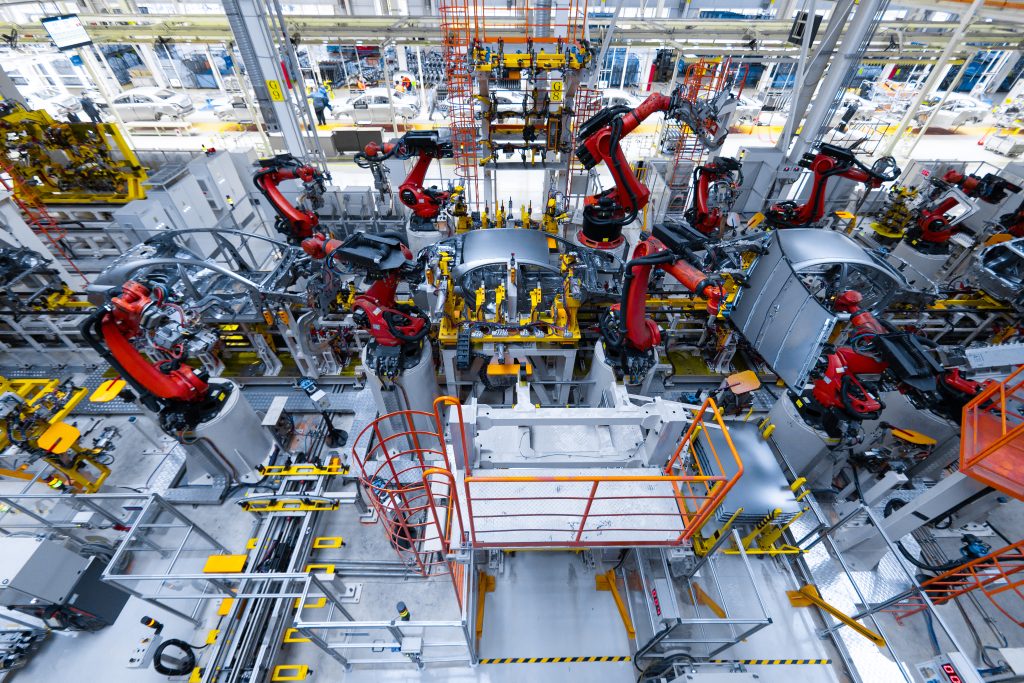
Modern manufacturing factory with automated machines
Manufacturing

The Future of Manufacturing: Innovation, Automation, and Growth

Introduction Manufacturing has always been the backbone of economic development. From handcrafting tools in ancient times to modern automated factories, manufacturing defines progress. Today, this sector is undergoing a massive transformation powered by technology, sustainability, and global connectivity. The Evolution of Manufacturing The manufacturing industry has come a long way since the Industrial Revolution. 1st Industrial Revolution (18th century): Introduction of steam engines and mechanization. 2nd Industrial Revolution: Rise of electricity, mass production, and assembly lines. 3rd Industrial Revolution: Use of computers and automation. 4th Industrial Revolution (Industry 4.0): Smart factories powered by AI, IoT, robotics, and data analytics. Each stage brought efficiency, innovation, and new opportunities for industries and workers alike. Modern Manufacturing: Technology at Work Today’s factories are smarter and faster than ever before.Here are some key technologies driving change: Automation and Robotics: Machines now handle repetitive tasks with precision and speed. 3D Printing: Enables custom, small-batch production at low cost. Artificial Intelligence (AI): Predicts demand, reduces waste, and optimizes processes. Internet of Things (IoT): Connects machines and sensors for real-time monitoring. Big Data & Analytics: Improves quality control and decision-making. Sustainability in Manufacturing Modern manufacturing focuses not just on profit but also on the planet.Companies are adopting eco-friendly materials, recycling systems, and energy-efficient technologies. Green manufacturing aims to minimize waste and reduce carbon footprints while maintaining high productivity. Challenges in the Manufacturing Industry Despite the progress, the sector faces several challenges: Shortage of skilled labor High initial investment for automation Supply chain disruptions (e.g., global pandemics) Adapting to environmental regulations Overcoming these challenges requires innovation, upskilling workers, and government support for technology-driven initiatives. The Future of Manufacturing The future lies in smart manufacturing — a combination of human creativity and digital intelligence.We can expect: Fully connected “smart factories” Increased use of renewable energy AI-driven predictive maintenance Global collaboration between machines and humans This future will be faster, cleaner, and more efficient, driving growth across economies. Conclusion Manufacturing is entering a new era of intelligence and sustainability. With advancements in automation, AI, and green innovation, the industry will continue to shape the way we live, work, and build. The future of manufacturing is not just about making products — it’s about making progress.

A gamer wearing headphones playing on a PC setup with colorful RGB lights, representing the modern gaming world and digital innovation.
Gaming

The Evolution of Gaming: From Pixels to Virtual Worlds

Introduction Gaming has transformed from a fun pastime into a global phenomenon that influences art, technology, and communication. What started with pixelated screens in the 1970s has now evolved into lifelike virtual realities and competitive eSports arenas. The gaming industry today is not just entertainment — it’s a culture, a community, and a career path. The Early Days of Gaming The first video games were simple yet revolutionary. Games like Pong and Space Invaders introduced people to the joy of digital play. These early arcade and console games laid the foundation for what would become one of the most powerful industries in the world. The Rise of Console and PC Gaming With the introduction of consoles like the Nintendo Entertainment System (NES), PlayStation, and Xbox, gaming became a household experience. At the same time, PC gaming brought higher graphics, open worlds, and the rise of online multiplayer experiences — changing the way people connected across the globe. The Era of Mobile Gaming Smartphones made gaming accessible to everyone, everywhere. Games like Candy Crush, PUBG Mobile, and Among Us proved that entertainment could fit in your pocket. Mobile gaming now represents one of the largest segments of the gaming industry. eSports: Gaming as a Career What was once a hobby has become a professional career. eSports tournaments fill entire stadiums, with players competing for millions in prize money. Streamers and content creators have built global fanbases through platforms like Twitch and YouTube Gaming — turning passion into profession. The Future of Gaming The future of gaming is driven by cutting-edge technologies: Virtual Reality (VR): Immersive experiences that make players feel part of the game world. Augmented Reality (AR): Blending real and digital worlds through smartphones and headsets. Artificial Intelligence (AI): Smarter NPCs and adaptive gameplay. Cloud Gaming: Services like NVIDIA GeForce NOW and Xbox Cloud Gaming let players stream high-quality games without expensive hardware. Why Gaming Matters Creativity and Problem Solving: Games encourage strategic thinking and decision-making. Social Connection: Multiplayer and co-op games help build friendships worldwide. Career Opportunities: From game design to eSports, the industry offers diverse paths. Mental Stimulation: Gaming can enhance focus, reflexes, and learning skills when done in moderation. Conclusion Gaming has come a long way — from blocky graphics to breathtaking virtual worlds. It’s not just about playing; it’s about storytelling, technology, and human imagination. As we move into the future, gaming will continue to blur the line between reality and fantasy — one pixel at a time.

A group of students studying together in a library with books and laptops, representing modern education and lifelong learning.
Education & Learning

The Power of Education and Lifelong Learning

The Evolution of Education and Learning in the Digital Age Published on October 30, 2025 | Category: Education & Learning | Reading time: 6 minutes Education has always been the cornerstone of human progress, but the way we learn and teach has undergone remarkable transformations in recent years. As we navigate through the digital age, the traditional classroom model is being challenged, expanded, and reimagined in ways that would have seemed impossible just a generation ago. The Shifting Landscape of Modern Education Gone are the days when education was confined to four walls and a chalkboard. Today’s learners have access to an unprecedented wealth of knowledge at their fingertips. Online courses, interactive platforms, virtual reality experiences, and artificial intelligence tutors are revolutionizing how we acquire and retain information. This democratization of education has opened doors for millions of people worldwide who previously lacked access to quality learning resources. The COVID-19 pandemic accelerated this digital transformation, forcing educational institutions to adapt rapidly. What started as an emergency response has evolved into a hybrid model that combines the best of both traditional and digital learning environments. Students can now attend lectures from world-renowned professors without leaving their homes, collaborate with peers across continents, and learn at their own pace. Personalized Learning: The Future is Individual One of the most exciting developments in modern education is the shift toward personalized learning. Traditional education often followed a one-size-fits-all approach, but we now understand that each learner has unique strengths, weaknesses, interests, and learning styles. Advanced algorithms and adaptive learning technologies can now tailor educational content to individual needs, adjusting difficulty levels, pacing, and teaching methods in real time. Key Benefits of Personalized Learning: Students progress at their own pace, ensuring mastery before moving forward. Learning materials adapt to individual strengths and address specific weaknesses. Engagement increases when content aligns with personal interests and goals. Immediate feedback helps learners understand mistakes and correct them quickly. Lifelong Learning: Education Beyond the Classroom The concept of education as something that ends with graduation is becoming obsolete. In today’s rapidly changing world, continuous learning is not just beneficial but essential. The skills that are relevant today may become outdated tomorrow, making lifelong learning a necessity rather than a luxury. Professionals are increasingly returning to education throughout their careers, whether through micro-credentials, online certifications, or short courses that help them stay competitive. This shift has led to the rise of bite-sized learning modules, podcasts, webinars, and other flexible formats that fit into busy schedules. “Education is not preparation for life; education is life itself.” – John Dewey The Role of Technology in Learning Technology has become an integral part of the educational ecosystem, but it’s important to remember that it’s a tool, not a replacement for quality teaching. The most effective educational approaches combine technological innovation with human connection and guidance. Teachers remain essential, but their roles are evolving from information dispensers to facilitators, mentors, and guides who help students navigate the vast ocean of available knowledge. Artificial intelligence, virtual reality, gamification, and collaborative online platforms are enhancing the learning experience in meaningful ways. Virtual reality can transport students to ancient Rome or inside a human cell. Gamification makes learning engaging and fun. AI-powered tools provide instant feedback and personalized recommendations. These technologies don’t replace traditional learning but enhance and expand it. Challenges and Considerations Despite the tremendous opportunities, the digital transformation of education also presents challenges. The digital divide remains a significant concern, with many students lacking access to reliable internet connections or devices. Screen fatigue, reduced social interaction, and the need for self-discipline in online learning environments are real issues that need addressing. Additionally, the abundance of information available online makes critical thinking and media literacy more important than ever. Students need to learn not just facts but how to evaluate sources, distinguish reliable information from misinformation, and think analytically about what they encounter. Looking Ahead The future of education is bright, diverse, and dynamic. As we continue to innovate and adapt, the focus must remain on creating inclusive, effective, and engaging learning experiences that prepare students not just for jobs, but for life. Education should foster creativity, critical thinking, emotional intelligence, and adaptability alongside traditional academic knowledge. Whether through traditional classrooms, online platforms, hybrid models, or technologies we haven’t yet imagined, the fundamental goal remains the same: empowering individuals to reach their full potential and contribute meaningfully to society. As educators, learners, and stakeholders in the educational ecosystem, we all have a role to play in shaping this exciting future. Conclusion Education and learning are the keys to unlocking human potential. They empower us to build a world of innovation, equality, and hope. As Nelson Mandela once said, “Education is the most powerful weapon which you can use to change the world.”Keep learning, keep growing — because the journey of education never truly ends.

Startup team brainstorming ideas
startup

The Power of Startups: Turning Ideas Into Impact

Introduction In today’s fast-paced digital world, startups have become the heart of innovation. From redefining industries to creating entirely new markets, startups prove that with the right idea, team, and mindset, even small beginnings can lead to massive change. What is a Startup? A startup is more than just a new business — it’s an organization built to grow fast. Startups focus on innovation, solving real-world problems, and scaling quickly using technology, creativity, and strategic execution. Why Startups Matter Innovation: Startups bring new ideas to life — from fintech apps to AI-driven healthcare solutions. Job Creation: They generate employment and attract global talent. Economic Growth: Startups stimulate competition, productivity, and technological advancement. Empowerment: They give individuals a platform to turn passion into purpose. Key Traits of Successful Startups Visionary Leadership: Founders who dream big and inspire others. Adaptability: The ability to pivot quickly based on market needs. Strong Team: Collaboration and shared values are crucial. Customer Focus: Understanding and solving customer pain points. Smart Funding: Balancing innovation with financial discipline. Tips to Start Your Own Startup Identify a Problem: Every great startup starts with solving a real problem. Validate Your Idea: Talk to potential users, build an MVP (Minimum Viable Product). Build a Team: Choose people who complement your skills. Secure Funding: Look for angel investors, venture capital, or bootstrapping. Market Strategically: Leverage social media and digital marketing. Keep Learning: The startup world evolves rapidly — adaptability is key. Famous Startup Success Stories Airbnb: Started as a simple idea to rent air mattresses — now a global hospitality leader. Paytm: Revolutionized digital payments in India. SpaceX: Elon Musk’s mission to make space travel accessible and sustainable. Conclusion Startups are not just about making money — they’re about making change. Whether it’s a tech innovation or a social impact idea, every startup begins with courage, creativity, and a desire to make the world better. If you’ve ever dreamed of starting something new, now is the perfect time to begin.  

telecom

The Evolution of Telecommunications

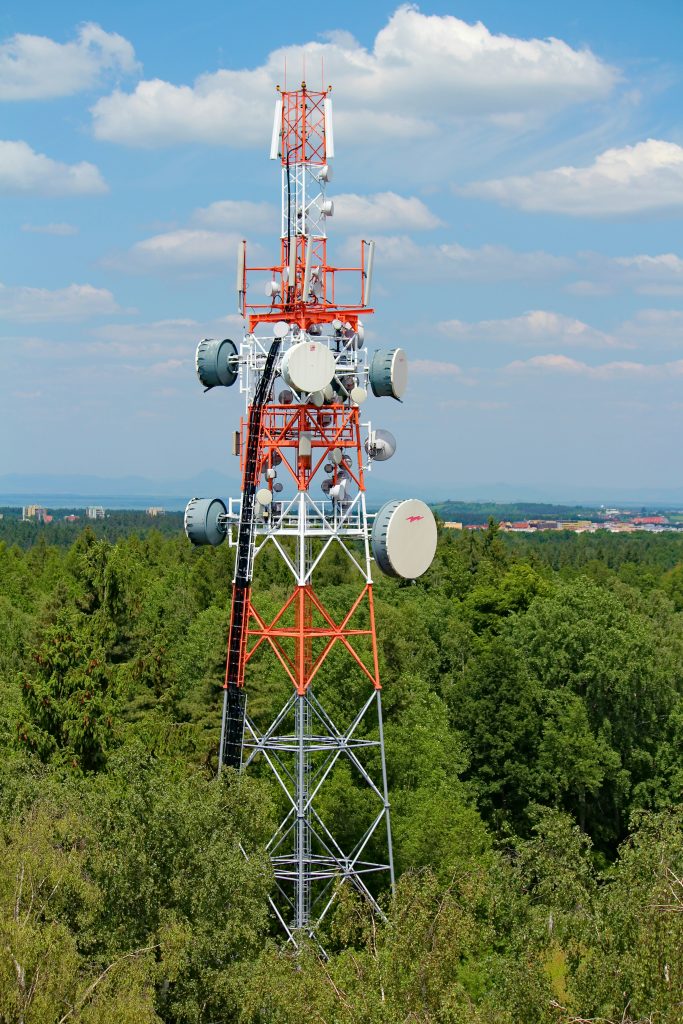
How 5G and Beyond Are Transforming Our Connected World   The telecommunications industry stands at the forefront of technological innovation, continuously reshaping how we communicate, work, and live. From the early days of telegraph systems to today’s ultra-fast 5G networks, telecom has been the backbone of global connectivity. In this post, we’ll explore the current state of telecommunications and what the future holds for this dynamic industry.   The 5G Revolution: More Than Just Speed   Fifth-generation wireless technology (5G) represents a quantum leap in mobile connectivity. While most people associate 5G with faster download speeds, its impact extends far beyond streaming videos more quickly. Key Benefits of 5G Technology: Ultra-Low Latency: 5G networks can achieve latency as low as 1 millisecond, making real-time applications like remote surgery and autonomous vehicles possible. Massive Device Connectivity: 5G can support up to 1 million devices per square kilometer, essential for the expanding Internet of Things (IoT) ecosystem. Enhanced Reliability: Network slicing allows telecom operators to create virtual networks tailored to specific use cases, ensuring consistent performance for critical applications. Energy Efficiency: Despite higher speeds, 5G technology is designed to be more energy-efficient per bit of data transmitted compared to 4G. The Rise of Edge Computing in Telecom Edge computing is revolutionizing how telecom networks process data. By moving computation closer to data sources, edge computing reduces latency and bandwidth usage while improving response times. Telecom companies are deploying edge data centers at cell tower locations, enabling applications that require immediate processing, such as augmented reality, virtual reality, and real-time analytics. This distributed architecture is crucial for supporting the massive data flows generated by 5G networks and IoT devices. IoT and Smart Cities: Telecom’s Role in Urban Transformation Telecommunications infrastructure forms the nervous system of smart cities. As urban areas become more connected, telecom networks enable: Smart Traffic Management: Real-time traffic monitoring and adaptive signal control reduce congestion and emissions Public Safety Systems: Integrated surveillance and emergency response networks improve security Utility Management: Smart grids and water systems optimize resource consumption Environmental Monitoring: Sensor networks track air quality, noise levels, and weather conditions The deployment of 5G networks accelerates smart city development by providing the bandwidth and reliability needed for millions of connected devices to operate simultaneously. Cybersecurity Challenges in Modern Telecom As telecom networks become more complex and interconnected, cybersecurity has emerged as a critical concern. The industry faces several challenges: Network Vulnerabilities: The transition to software-defined networks and virtualized infrastructure creates new attack surfaces that must be protected. IoT Device Security: Billions of connected devices often lack robust security features, making them potential entry points for cyberattacks. Data Privacy: With networks carrying sensitive personal and business data, telecom companies must implement stringent privacy protections to comply with regulations like GDPR and maintain customer trust. Leading telecom operators are investing heavily in AI-powered security systems that can detect and respond to threats in real-time, ensuring network integrity and customer data protection. The Path to 6G: What’s Next? While 5G deployment continues worldwide, researchers are already developing sixth-generation (6G) wireless technology. Expected to launch commercially around 2030, 6G promises: Terahertz frequencies: Enabling speeds up to 100 times faster than 5G AI-native networks: Deep integration of artificial intelligence into network operations Holographic communications: Supporting truly immersive telepresence experiences Sensing capabilities: Networks that can detect environmental conditions and object locations 6G will likely integrate terrestrial and non-terrestrial networks, incorporating satellites and high-altitude platforms to ensure truly global coverage. Sustainability in Telecommunications The telecom industry is increasingly focused on environmental sustainability. Network infrastructure consumes significant energy, and companies are taking steps to reduce their carbon footprint: Transitioning to renewable energy sources for data centers and cell towers Implementing energy-efficient equipment and cooling systems Optimizing network traffic to reduce unnecessary energy consumption Promoting device recycling and circular economy initiatives Major telecom operators have committed to achieving net-zero carbon emissions by 2040 or earlier, recognizing their responsibility in addressing climate change. Conclusion: Staying Connected in an Evolving Landscape The telecommunications industry continues to evolve at a breathtaking pace, driven by technological innovation and changing consumer demands. From 5G networks enabling new applications to the promise of 6G on the horizon, telecom remains central to our increasingly digital lives. As we look to the future, the successful telecom companies will be those that balance innovation with security, performance with sustainability, and global reach with local relevance. The connected world of tomorrow is being built today, one cell tower, fiber optic cable, and software update at a time.  

How would you like me to respond?

Select a personality for your AI assistant

Normal
Happy
Sad
Angry

Your selection will affect how the AI assistant responds to your messages

Chat Assistant

Let's discuss your project!

Hear from our clients and why 3000+ businesses trust TechOTD

Tell us what you need, and we'll get back with a cost and timeline estimate

Scroll to Top