
learning technology

Student comparing different learning apps on a laptop and phone to choose the best one for study goals, usability, and features.
App Development, Education & Learning

How to Choose the Right Learning App

Introduction Choosing the right learning app starts with understanding your goal. Whether you want to improve grades, learn a new skill, practice a language, or stay organized, the best app is the one that matches your needs, learning style, and daily routine. A learning app should not just give you content; it should help you learn in a way that feels simple, useful, and easy to maintain over time. When the app fits your purpose, studying becomes less stressful and more effective. With so many learning apps available today, it is easy to feel overwhelmed by choices. Some apps focus on video lessons, others on flashcards, quizzes, note-taking, progress tracking, or AI-based personalization, so the right one depends on what you want to learn and how you learn best. This is why it is important to look beyond popularity and focus on actual value. An app that works well for one person may not be the right choice for someone else, especially if their learning goals are different. A good learning app should do more than look attractive. It should support your actual learning goals, offer a simple interface, provide useful feedback, and make it easier to stay consistent over time. The best apps save time instead of wasting it, help you stay focused, and make difficult topics easier to understand. Features like reminders, progress reports, offline access, and interactive practice can make a big difference in how effective your study sessions are. Before choosing an app, think about your purpose. Are you preparing for exams, learning a language, building a professional skill, or helping a child learn? Different goals call for different features, such as offline access, curriculum alignment, accessibility, or adaptive practice. It also helps to test apps before committing. Free trials, demo versions, and small pilot use can reveal whether an app is easy to use, engaging, safe, and worth the cost. In the end, the right learning app is the one that helps you stay motivated and make real progress. It should fit into your routine naturally, support the way you learn, and give you confidence that your time is being used well. When chosen carefully, a learning app can become more than just a tool it can become a smart partner in your learning journey. How to Choose Match the app to your goal, such as exam prep, language learning, or subject practice. Check usability, because a clean and simple interface makes learning easier. Look for feedback features like quizzes, progress reports, and spaced repetition. Consider privacy and data security, especially for children or school use. Test the app on your device and compare free and paid versions before deciding. Conclusion The right learning app should make studying simpler, not more confusing. When an app fits your goals, learning style, and schedule, it becomes a helpful tool instead of a distraction. The best choice is usually the one that is easy to use, safe, engaging, and actually helps you make progress. A little testing upfront can save a lot of frustration later. FAQ What is the most important thing to look for in a learning app? The most important thing is alignment with your learning goal, because an app only helps if it supports what you are trying to achieve.digitallearninginstitute+1 Should I choose a free or paid learning app? Start with a free version or trial if possible, then upgrade only if the app offers features you truly need. How do I know if a learning app is effective? An effective app gives clear feedback, keeps you engaged, tracks progress, and helps you retain information better over time. Is privacy important when choosing a learning app? Yes, especially for children and school use, because apps may collect personal or learning data. Can one learning app work for everyone? Not usually, because learners have different goals, ages, and styles, so the best app depends on the user. What should I test before choosing an app? Test ease of use, content quality, feedback tools, device compatibility, and whether the app keeps you motivated.
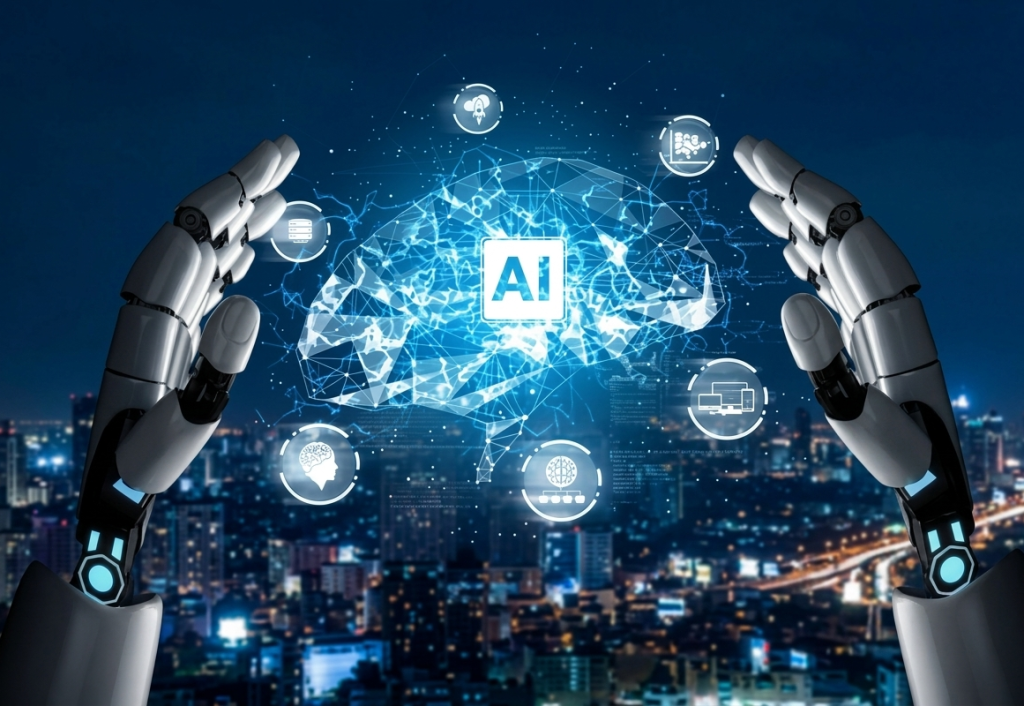
Students and teachers using AI-powered education technology to personalize learning, track progress, and improve classroom experiences.
Artificial Intelligence

AI in Education: How Technology Is Changing the Way We Learn

Introduction Artificial intelligence is quickly reshaping education by making learning more personal, flexible, and efficient. What used to depend only on textbooks, classroom lectures, and one-size-fits-all lessons is now being enhanced by smart systems that can adapt to each learner’s pace and needs. AI in education is changing not only how students study, but also how teachers teach, assess, and support learning. This shift is creating a more connected and responsive learning experience for everyone involved. One of the biggest changes AI brings to education is personalization. Every student learns differently, and traditional classrooms often struggle to meet those differences at scale. AI-powered learning platforms can analyze student progress, identify weak areas, and suggest lessons or practice activities that match individual needs. This means students can spend more time on topics they find difficult and move faster through the ones they already understand. As a result, learning becomes more efficient and less frustrating. AI is also improving access to education. Students can now use intelligent tutoring systems, chatbots, and learning apps to get help outside the classroom at any time. This is especially useful for learners who need extra support, want to revise independently, or study at their own pace. Instead of waiting for the next class or a teacher’s availability, they can receive instant feedback and guidance. That level of support makes learning more continuous and convenient. Another major benefit of AI in education is smarter assessment. Teachers no longer have to rely only on manual evaluation for every learning activity. AI tools can grade quizzes, track performance trends, and highlight areas where students are struggling. This saves time for educators and allows them to focus more on teaching and mentorship. It also helps schools make better decisions because they can see learning patterns more clearly and respond faster when students need help. At the same time, AI is changing the kind of content students interact with. Learning is becoming more dynamic through video summaries, adaptive quizzes, interactive lessons, and intelligent recommendations. Instead of passively reading long lessons, students can engage with material in formats that hold attention better and improve retention. This makes education feel less rigid and more practical for modern learners. Of course, the growth of AI in education also comes with important questions. People want to know how much technology should be used, how student data should be protected, and how teachers’ roles may change in the future. Even with these concerns, one thing is clear: AI is not replacing education, but transforming it. It is helping create a system where learning can be more personalized, more accessible, and more effective than before. Conclusion AI in education is changing the way we learn by making lessons more personal, feedback faster, and learning tools more accessible. It helps students learn at their own pace while giving teachers better ways to track progress and support growth. As technology continues to improve, AI will likely become an even bigger part of classrooms and self-learning platforms. The future of education will depend on using AI wisely so that it supports human teaching instead of replacing it. FAQ What is AI in education? AI in education refers to the use of artificial intelligence tools and systems to improve teaching, learning, assessment, and student support. How does AI help students learn better? AI helps students by personalizing lessons, giving instant feedback, identifying weak areas, and recommending useful study resources. Can AI replace teachers? No, AI cannot replace teachers. It can support teaching, but human guidance, mentorship, and emotional understanding remain essential. What are examples of AI in education? Examples include chatbots, adaptive learning platforms, smart tutors, automated grading tools, and personalized study apps. Is AI useful for online learning? Yes, AI is especially useful for online learning because it helps students study independently, track progress, and get support anytime. What is the biggest advantage of AI in education? The biggest advantage is personalization, since AI can adapt learning experiences to each student’s needs and pace.

How would you like me to respond?

Select a personality for your AI assistant

Normal
Happy
Sad
Angry

Your selection will affect how the AI assistant responds to your messages

Chat Assistant

Let's discuss your project!

Hear from our clients and why 3000+ businesses trust TechOTD

Tell us what you need, and we'll get back with a cost and timeline estimate

Scroll to Top