
IT Solutions

Different types of software development applications and platforms
Software development

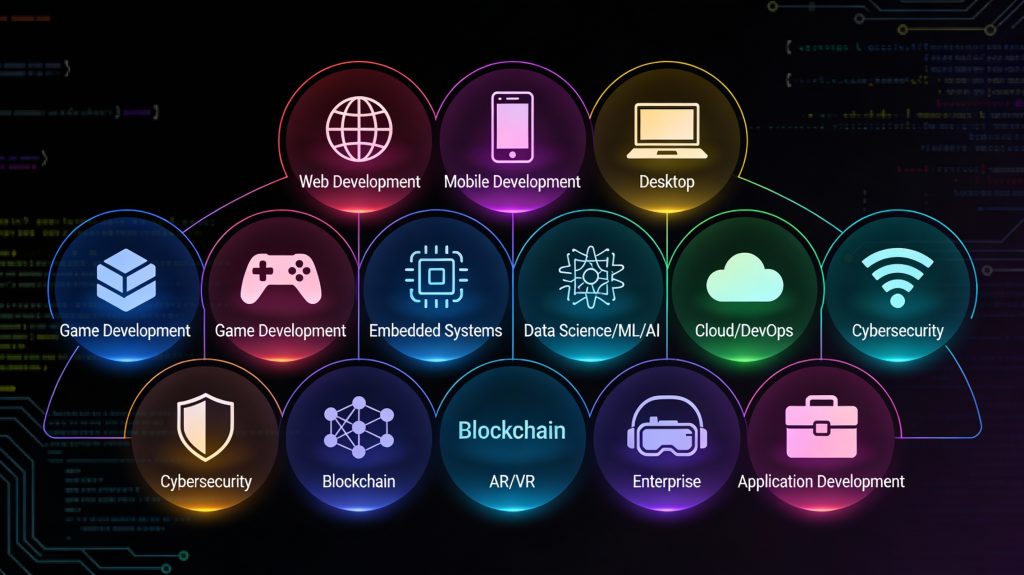
Types of Software Development: Understanding Different Development Approaches and Applications

Introduction Software development is not a one-size-fits-all discipline. Depending on business goals, user needs, platforms, and technologies, software solutions are built in different ways. From websites and mobile apps to enterprise systems and embedded software, each type of software development serves a unique purpose. Understanding the types of software development helps businesses choose the right approach and enables developers to specialize in the areas that best align with their skills and career goals. As digital transformation accelerates across industries, the demand for diverse software solutions continues to grow. In this blog, we’ll explore the major types of software development, their characteristics, use cases, and how they contribute to modern technology ecosystems. Web Application Development Web development focuses on building applications that run in web browsers. These applications are accessible across devices without requiring installation. Key Characteristics Browser-based access Platform-independent Easy updates and maintenance Technologies Used Frontend: HTML, CSS, JavaScript, React, Angular Backend: Node.js, Python, Java, PHP Databases: MySQL, PostgreSQL, MongoDB Use Cases Business websites E-commerce platforms Content management systems Web portals Web development remains one of the most popular and in-demand software development types. Mobile Application Development Mobile software development involves creating applications for smartphones and tablets. Types of Mobile Development Native Development: Platform-specific (Swift for iOS, Kotlin for Android) Cross-Platform Development: Single codebase for multiple platforms (React Native, Flutter) Use Cases Social media apps Banking and fintech apps Fitness and healthcare apps On-demand services Mobile development focuses on performance, usability, and device-specific features. Desktop Software Development Desktop software development involves building applications that run on operating systems like Windows, macOS, and Linux. Key Features Offline functionality High performance Direct access to system resources Examples Productivity tools Graphic design software Accounting systems Although cloud and web apps are growing, desktop applications are still essential in many industries. Enterprise Software Development Enterprise software development focuses on building large-scale applications for organizations. Key Characteristics High scalability Complex workflows Integration with existing systems Examples ERP systems CRM platforms HR management software Enterprise software improves efficiency, data management, and operational control. Cloud Software Development Cloud development involves building applications designed to run on cloud infrastructure. Benefits Scalability on demand High availability Cost efficiency Popular Platforms Amazon Web Services (AWS) Microsoft Azure Google Cloud Platform Cloud-native development supports modern architectures like microservices and serverless computing. Embedded Software Development Embedded software runs on hardware devices rather than traditional computers. Examples IoT devices Automotive systems Medical equipment Smart appliances Embedded software must be efficient, reliable, and often real-time. Custom Software Development Custom software development involves building solutions tailored to specific business needs. Advantages Full control over features Better integration with business processes Competitive advantage Custom software is often preferred over off-the-shelf solutions for unique requirements. Game Development Game development combines software engineering with creativity. Technologies Used Game engines (Unity, Unreal Engine) Graphics and physics libraries Applications Mobile games Console games VR and AR experiences Game development emphasizes performance, graphics, and user engagement. AI and Machine Learning Software Development AI-driven software development focuses on intelligent systems. Use Cases Recommendation engines Chatbots Predictive analytics AI development requires specialized skills and data-driven approaches. Choosing the Right Type of Software Development Selecting the right development type depends on: Business goals Target users Budget and timeline Scalability requirements Making the right choice ensures long-term success. Conclusion Software development encompasses a wide range of approaches, each designed to solve specific problems. Understanding the different types of software development allows businesses to make informed decisions and developers to focus their skills effectively. As technology continues to evolve, the diversity of software development will only expand, offering endless opportunities for innovation. Frequently Asked Questions (FAQs) 1. What are the main types of software development? The main types include web, mobile, desktop, enterprise, cloud, embedded, and custom software development. 2. Which type of software development is most in demand? Web and mobile development are currently the most in-demand due to widespread digital adoption. 3. What is custom software development? Custom software development involves building applications tailored to specific business needs rather than generic solutions. 4. Is cloud software development different from web development? Yes, cloud development focuses on scalability and cloud infrastructure, while web development focuses on browser-based applications. 5. Which type of software development is best for startups? Web and cross-platform mobile development are often ideal for startups due to lower costs and faster time-to-market. 6. Can one project involve multiple types of software development? Yes, many modern projects combine web, mobile, cloud, and backend development. Connect with us: https://www.facebook.com/profile.php?id=61555452386126
Software development lifecycle and modern application development
Software development

Software Development: A Complete Guide to Building Modern, Scalable Applications

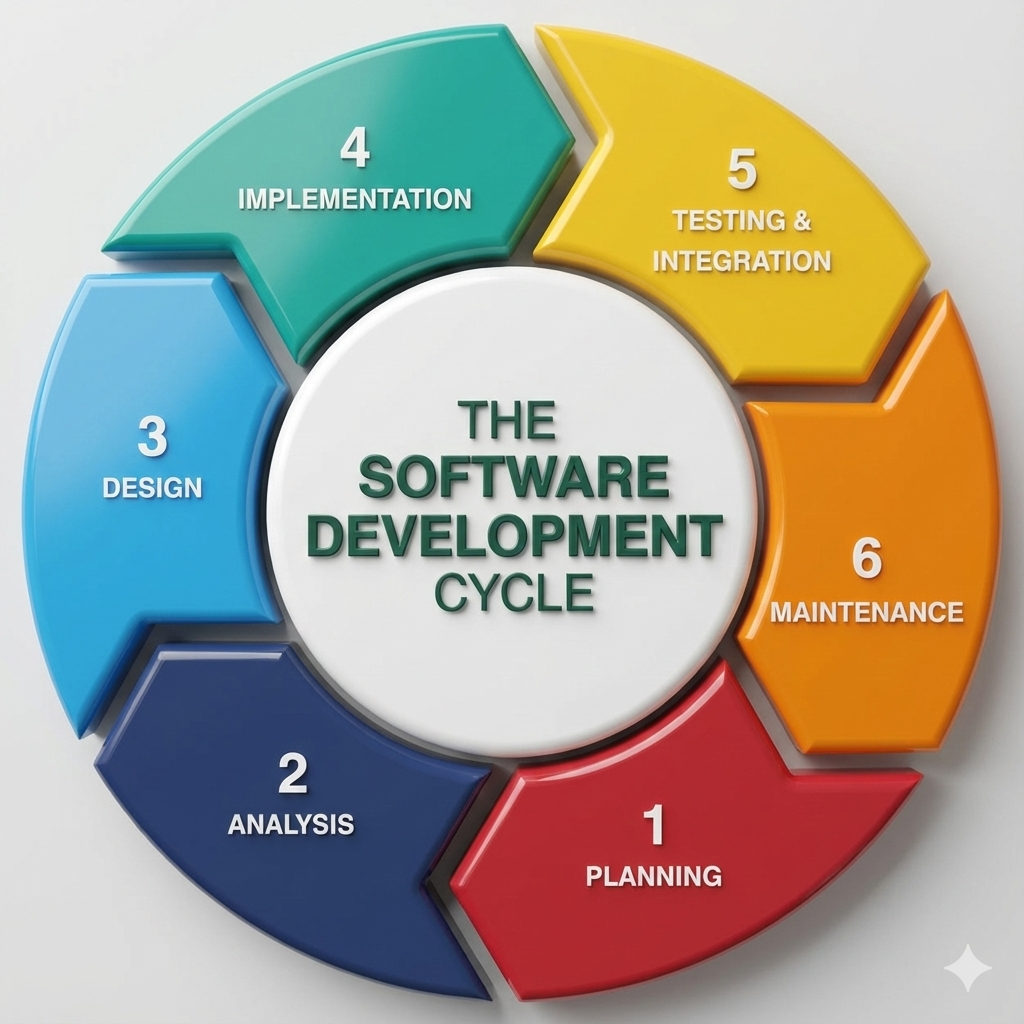
Introduction In the digital era, software development is the backbone of innovation, automation, and business growth. From mobile applications and enterprise systems to cloud platforms and artificial intelligence, software powers nearly every aspect of modern life. Organizations rely on robust software solutions to improve efficiency, enhance customer experiences, and gain a competitive advantage. Software development is not just about writing code—it is a structured process that involves planning, designing, building, testing, deploying, and maintaining applications. As technology evolves, so do development methodologies, tools, and best practices. This comprehensive guide explains what software development is, how it works, its types, lifecycle, tools, and why it plays a critical role in modern digital transformation. What Is Software Development? Software development is the process of creating applications, systems, or programs that perform specific tasks for users or businesses. It includes everything from simple websites to complex enterprise systems and cloud-based platforms. The process involves: Understanding user requirements Designing software architecture Writing and reviewing code Testing for quality and performance Deploying applications Ongoing maintenance and updates Software development combines creativity, logic, and engineering principles to solve real-world problems. Types of Software Development Software development can be categorized into several types based on use cases and platforms. 1. Web Development Involves building websites and web applications using technologies like HTML, CSS, JavaScript, and backend frameworks. 2. Mobile App Development Focuses on creating applications for Android and iOS platforms using native or cross-platform technologies. 3. Desktop Software Development Includes applications designed for desktops, such as productivity tools and system software. 4. Enterprise Software Development Custom software solutions built for large organizations to manage operations, data, and workflows. 5. Embedded Software Development Software designed to run on hardware devices like IoT systems, automobiles, and medical equipment. Software Development Lifecycle (SDLC) The Software Development Lifecycle (SDLC) is a structured approach that ensures high-quality software delivery. 1. Requirement Analysis Understanding business goals, user needs, and system requirements. 2. Planning Defining scope, timeline, resources, and budget. 3. Design Creating system architecture, UI/UX designs, and data models. 4. Development Writing, reviewing, and integrating code. 5. Testing Identifying bugs, performance issues, and security vulnerabilities. 6. Deployment Releasing the software into production. 7. Maintenance Updating, fixing, and improving software over time. Popular Software Development Methodologies 1. Waterfall Model A linear and sequential approach, suitable for projects with well-defined requirements. 2. Agile Development An iterative approach that focuses on flexibility, collaboration, and continuous improvement. 3. Scrum A popular Agile framework that delivers software in short development cycles called sprints. 4. DevOps Combines development and operations to enable faster and more reliable software delivery. Tools Used in Software Development Modern software development relies on powerful tools and technologies: Programming Languages: Java, Python, JavaScript, C++, C# Version Control: Git, GitHub, GitLab IDEs: Visual Studio Code, IntelliJ IDEA Testing Tools: Selenium, JUnit, Jest CI/CD Tools: Jenkins, GitHub Actions Choosing the right tools improves productivity and code quality. Importance of Software Development in Business Software development enables businesses to: Automate processes Improve customer engagement Scale operations efficiently Analyze data for better decision-making Stay competitive in digital markets Custom software solutions often provide more flexibility and control than off-the-shelf products. Challenges in Software Development Common challenges include: Changing requirements Tight deadlines Security risks Scalability issues Technical debt Following best practices and using modern methodologies helps overcome these challenges. Future of Software Development The future of software development includes: Artificial Intelligence and Machine Learning Cloud-native applications Low-code and no-code platforms Cybersecurity-focused development Continuous learning and adaptation are essential for developers and businesses alike. Conclusion Software development is a dynamic and ever-evolving field that drives innovation across industries. By following structured processes, adopting modern tools, and applying best practices, organizations can build scalable, secure, and high-performing software solutions. Whether you’re a startup or an enterprise, investing in quality software development is essential for long-term success. Frequently Asked Questions (FAQs) 1. What is software development used for? Software development is used to create applications and systems that solve problems, automate tasks, and improve efficiency for users and businesses. 2. What skills are required for software development? Key skills include programming, problem-solving, system design, debugging, and understanding development methodologies. 3. What is the SDLC in software development? The Software Development Lifecycle is a structured process that guides software creation from planning to maintenance. 4. Is Agile better than Waterfall? Agile is better for projects with changing requirements, while Waterfall suits projects with fixed and well-defined goals. 5. How long does software development take? Development time depends on project complexity, features, and team size, ranging from weeks to months. 6. Is custom software development expensive? While initial costs may be higher, custom software often provides better long-term value and scalability. Connect With Us: https://www.facebook.com/profile.php?id=61555452386126

How would you like me to respond?

Select a personality for your AI assistant

Normal
Happy
Sad
Angry

Your selection will affect how the AI assistant responds to your messages

Chat Assistant

Let's discuss your project!

Hear from our clients and why 3000+ businesses trust TechOTD

Tell us what you need, and we'll get back with a cost and timeline estimate

Scroll to Top