
Information Security

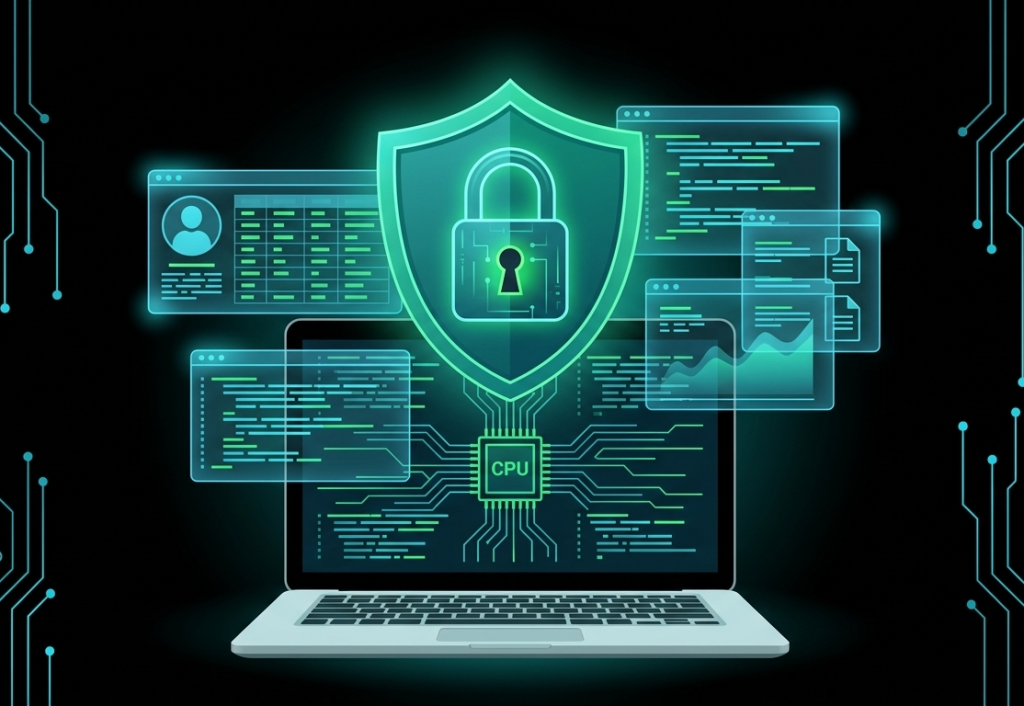
Business team reviewing cybersecurity strategies to protect company data, systems, and customer trust.
cybersecurity

Why Cybersecurity Should Be a Priority for Every Company

Introduction In today’s connected world, nearly every company relies on technology to store data, communicate with customers, process payments, manage employees, and run daily operations. That dependence makes cybersecurity essential, not optional, because every digital interaction creates some level of risk. Whether a business is a small startup or a large enterprise, it holds information that attackers may want, including financial records, customer details, login credentials, and internal documents. Cybersecurity should be a top priority for every company because modern businesses depend on digital systems, and even one weak point can lead to data loss, downtime, financial damage, and a broken reputation. As cyber threats become more frequent and sophisticated, companies that ignore security are putting both operations and customer trust at risk. One reason cybersecurity matters so much is that cyberattacks can cause immediate and lasting harm. A breach can shut down systems, interrupt business continuity, expose sensitive information, and lead to expensive recovery efforts. Beyond the technical damage, companies often face legal issues, customer frustration, and reputational loss that can take years to repair. Cybersecurity is also important because threats are no longer rare or simple. Attackers use phishing, ransomware, credential theft, and other methods that are designed to trick people and exploit weak systems. Many attacks succeed not because companies have no defenses at all, but because employees are not trained well enough or security practices are inconsistent across the organization. Another major reason to prioritize cybersecurity is trust. Customers, partners, and employees want to know that their data is being handled responsibly. When a company shows that it takes security seriously, it builds confidence and strengthens its brand, but when it suffers a breach, that trust can disappear very quickly. Cybersecurity also supports growth and innovation. Companies that feel protected are better able to adopt cloud tools, expand digital services, and automate more of their work without creating unnecessary exposure. In other words, strong security is not just about preventing problems; it is about creating a safer foundation for business growth. Why It Matters It protects sensitive data from theft or misuse. It reduces downtime and supports business continuity. It helps companies avoid financial and legal damage. It strengthens customer trust and brand reputation. It supports safe digital growth and innovation. Conclusion Cybersecurity should be a priority for every company because the cost of ignoring it is far higher than the cost of prevention. A strong security posture protects data, keeps operations running, and helps businesses maintain the trust they depend on. The companies that treat cybersecurity as part of their business strategy, not just an IT issue, are better prepared for the future. In a world where threats keep evolving, security is one of the smartest investments a business can make. FAQ Why is cybersecurity important for every company? Cybersecurity is important because every company stores data, uses digital tools, and faces cyber risks that can lead to loss, downtime, and reputational harm.online. What happens if a company ignores cybersecurity? A company may face data breaches, system outages, financial losses, legal problems, and a decline in customer trust. Is cybersecurity only important for large companies? No, small businesses are also targeted because attackers often look for weaker defenses. How does cybersecurity build customer trust? It shows customers that their data is protected and that the company is serious about responsibility and safety. What is one of the biggest cybersecurity risks? Phishing and ransomware are among the most common risks because they target both people and systems. How can companies improve cybersecurity? They can train employees, update systems, use strong access controls, and create a clear response plan for incidents.

cybersecurity, Digital Transformation, Educational Technology, enterprise

Zero Trust Security: Why Organizations Are Adopting It Faster Than Ever

Zero Trust Security: Why Organizations Are Adopting It Faster Than Ever Cybersecurity has never been more important than it is today. Organizations across the globe are facing an unprecedented number of cyber threats, ranging from ransomware attacks and phishing campaigns to insider threats and sophisticated nation-state cyber operations. As businesses continue to embrace cloud computing, remote work, digital transformation, and interconnected technologies, traditional security models are proving increasingly inadequate. For decades, organizations relied on perimeter-based security strategies. The assumption was simple: anything inside the corporate network could be trusted, while anything outside should be treated as a potential threat. Firewalls, VPNs, and network segmentation formed the backbone of enterprise security. However, the modern digital environment has fundamentally changed this approach. Employees access company resources from multiple devices and locations. Applications reside in public and private clouds. Third-party vendors require network access. Sensitive data moves continuously between platforms and users. In this new reality, the concept of trust based solely on network location no longer works. This is where Zero Trust Security comes into the picture. Zero Trust has rapidly evolved from a cybersecurity concept into one of the most widely adopted security frameworks worldwide. Organizations of all sizes are investing heavily in Zero Trust architectures to protect their digital assets, strengthen compliance, and reduce cyber risks. But what exactly is Zero Trust Security, and why are organizations adopting it faster than ever before? Let’s explore. Understanding Zero Trust Security Zero Trust Security is a cybersecurity framework built on a simple but powerful principle: “Never Trust, Always Verify.” Unlike traditional security models that automatically trust users and devices inside a corporate network, Zero Trust assumes that every user, device, application, and connection could potentially be compromised. Under a Zero Trust model, no entity receives automatic trust, regardless of whether it is inside or outside the network perimeter. Every access request must be continuously verified before access is granted. This verification process typically includes: Identity verification Device authentication Access control policies User behavior analysis Multi-factor authentication Continuous monitoring The objective is to minimize risk by ensuring that only authorized users can access specific resources under predefined conditions. The Evolution of Cybersecurity Threats One of the biggest reasons organizations are embracing Zero Trust is the dramatic evolution of cyber threats. Modern cybercriminals have become more sophisticated than ever. Today’s attackers use advanced techniques such as: Ransomware-as-a-Service (RaaS) AI-powered phishing attacks Credential theft Supply chain attacks Insider threats Cloud account compromises Social engineering campaigns Many of these attacks bypass traditional security defenses because they exploit trusted accounts and legitimate access credentials. When attackers successfully steal login credentials, they can often move freely across traditional networks without triggering security alerts. Zero Trust eliminates this weakness by requiring verification at every stage of access. Even if an attacker compromises one account, they cannot automatically gain unrestricted access to sensitive systems. This significantly reduces the attack surface and limits potential damage. Why Traditional Security Models Are Failing The traditional “castle-and-moat” approach to cybersecurity was designed for a different era. In the past: Employees worked primarily from offices. Applications were hosted on-premises. Data remained within corporate networks. Devices were company-managed. Today, none of these assumptions consistently apply. Modern enterprises operate in highly distributed environments where: Employees work remotely. Applications run in multiple clouds. Data resides across various platforms. Contractors and vendors require access. Employees use personal devices. As a result, the network perimeter has effectively disappeared. Organizations can no longer rely solely on perimeter defenses because users and data exist far beyond traditional boundaries. Zero Trust addresses this challenge by focusing on identities, devices, and access rather than network location. The Core Principles of Zero Trust Security While Zero Trust implementations vary between organizations, most frameworks follow several key principles. Verify Every User Every user must authenticate before accessing resources. Authentication methods may include: Passwords Biometrics Security tokens Multi-factor authentication Identity verification is performed continuously rather than only during login. Least Privilege Access Users receive only the minimum access necessary to perform their tasks. This approach reduces risk because compromised accounts cannot access systems beyond their authorized permissions. Least privilege significantly limits lateral movement during cyberattacks. Continuous Monitoring Security teams continuously monitor user activities, devices, and network traffic. Behavior analytics help identify unusual patterns that may indicate malicious activity. Suspicious behavior triggers additional verification or access restrictions. Assume Breach Zero Trust operates under the assumption that breaches can occur at any time. Instead of focusing solely on prevention, organizations prioritize detection, containment, and response. This mindset improves resilience against sophisticated attacks. Device Security Verification Access decisions consider device health and security status. Devices may be evaluated based on: Operating system updates Antivirus status Encryption settings Security compliance Compromised or non-compliant devices may be denied access. The Remote Work Revolution Accelerated Adoption The global shift toward remote and hybrid work has dramatically accelerated Zero Trust adoption. Employees now access corporate resources from: Home offices Coffee shops Airports Co-working spaces Mobile devices Traditional VPN-based security approaches struggle to secure this distributed workforce effectively. Organizations need a security framework that protects users regardless of location. Zero Trust enables secure access by verifying users and devices rather than relying on network boundaries. As remote work becomes a permanent part of business operations, Zero Trust continues to gain momentum. Cloud Computing and Zero Trust Cloud adoption is another major driver behind the rise of Zero Trust Security. Modern organizations increasingly rely on: Software-as-a-Service (SaaS) Infrastructure-as-a-Service (IaaS) Platform-as-a-Service (PaaS) Cloud environments introduce new security challenges because resources are distributed across multiple providers and locations. Traditional security architectures often lack visibility and control in these environments. Zero Trust helps organizations secure cloud assets through: Strong identity management Granular access controls Continuous authentication Micro-segmentation Cloud workload protection This approach improves security without sacrificing flexibility. The Role of Multi-Factor Authentication Multi-factor authentication (MFA) has become a cornerstone of Zero Trust Security. Passwords alone are no longer sufficient. Attackers frequently obtain credentials through: Phishing attacks Data breaches Malware Credential stuffing MFA requires users to provide additional verification

Digital padlock representing cybersecurity and data protection.
cybersecurity, Data Privacy & Security

Cybersecurity in the Digital Age: Protecting Data in a Connected World

Introduction We live in an age where data travels faster than thought — from cloud storage to smartphones, from online banking to social media. But as our digital world expands, so do the cyber threats lurking behind every connection. From global ransomware attacks to phishing scams and data breaches, cybercrime has evolved into one of the biggest challenges of the 21st century. In 2024 alone, the global cost of cybercrime was estimated to surpass $10 trillion, making it more profitable than the illegal drug trade. In this digital age, cybersecurity isn’t optional — it’s essential for individuals, businesses, and governments alike. What Is Cybersecurity? Cybersecurity refers to the practice of protecting systems, networks, and data from unauthorized access, attacks, and damage. It involves technologies, processes, and best practices designed to secure: Computers and servers Mobile devices Networks Cloud environments User data Core Objectives of Cybersecurity — The CIA Triad: Element Meaning Purpose Confidentiality Keeping data private Prevent unauthorized access Integrity Maintaining data accuracy Ensure data isn’t altered maliciously Availability Ensuring accessibility Keep systems online and functional Together, these principles form the foundation of all cybersecurity systems. ⚙️ Types of Cybersecurity Cybersecurity covers a wide range of protection layers designed to defend different parts of the digital ecosystem. 1. Network Security Protects internal networks from intruders using firewalls, intrusion detection systems, and VPNs. 2. Information Security (InfoSec) Ensures data privacy and protects sensitive information from leaks or misuse. 3. Cloud Security Secures cloud-based infrastructure, applications, and data stored in remote servers. 4. Endpoint Security Defends devices such as laptops, phones, and IoT gadgets that connect to a network. 5. Application Security Prevents vulnerabilities during software development through encryption, code testing, and patch management. 6. Operational Security (OpSec) Focuses on the policies and procedures to handle data and protect assets. 7. Disaster Recovery and Business Continuity Ensures systems can recover quickly from attacks or data loss events. Common Cyber Threats Cyberattacks come in many forms — some target individuals, others target global corporations. Here are the most common types of cyber threats: Type Description Example Phishing Fraudulent emails trick users into revealing credentials Fake bank alerts Ransomware Encrypts data and demands payment WannaCry, LockBit Malware Software designed to damage or steal information Viruses, Trojans Denial of Service (DoS/DDoS) Overloads servers to make them crash Attacks on websites or networks Man-in-the-Middle (MitM) Intercepts data during transmission Wi-Fi eavesdropping SQL Injection Inserts malicious code into databases Web form exploits Zero-Day Exploit Targets unpatched vulnerabilities Newly discovered software flaws Insider Threats Employees misuse access privileges Data theft by insiders The increasing sophistication of cyberattacks means no organization is immune — prevention and vigilance are key. Essential Cybersecurity Tools Modern cybersecurity strategies rely on a mix of software, AI, and human expertise. Commonly Used Tools: Antivirus Software: Protects against malware and viruses (e.g., Bitdefender, Norton) Firewalls: Blocks unauthorized access to networks Encryption Tools: Secures data in transit and at rest Password Managers: Protects user credentials VPNs: Masks IP addresses for secure browsing Intrusion Detection Systems (IDS): Monitors networks for suspicious activity Multi-Factor Authentication (MFA): Adds an extra security layer beyond passwords The Role of Artificial Intelligence in Cybersecurity AI is becoming a game-changer in the fight against cyber threats. How AI Helps: Detects anomalies in real-time Predicts potential attacks before they occur Automates incident response Reduces false alerts and improves accuracy Example: AI-driven tools like Darktrace and CrowdStrike use machine learning to identify unusual network behavior and block cyberattacks instantly. Cybersecurity in Business Organizations of all sizes — from startups to multinationals — are prime targets for hackers. Key Areas of Focus for Businesses: Employee Awareness Training: Human error is the top cause of breaches. Data Encryption: Sensitive data must be encrypted at all stages. Regular Security Audits: Identify vulnerabilities before hackers do. Zero-Trust Architecture: Verify every access attempt, even inside the network. Incident Response Plans: Prepare for attacks with structured recovery strategies. Example:In 2023, several global firms adopted Zero Trust Security Models, ensuring users and devices are verified every time they access company data — drastically reducing internal breaches. Cybersecurity in the Cloud With more organizations migrating to cloud services like AWS, Azure, and Google Cloud, securing cloud infrastructure is vital. Cloud security ensures: Data encryption Identity and access management (IAM) Secure APIs and regular patching Providers also follow shared responsibility models, meaning both the provider and the client share the duty of maintaining security. Cybersecurity for Individuals Cybersecurity isn’t just for corporations — individuals must also stay alert. Personal Cyber Hygiene Tips: Use strong and unique passwords for every account. Enable two-factor authentication (2FA). Avoid clicking on suspicious links or attachments. Update software and systems regularly. Use secured Wi-Fi networks. Regularly back up important data. The Future of Cybersecurity The coming years will see cybersecurity evolve alongside AI, quantum computing, and the Internet of Things (IoT). 🔮 Key Future Trends: AI-powered threat detection Quantum encryption for unbreakable security Zero Trust Architecture becoming the global standard Biometric authentication (face, fingerprint, voice) Cyber resilience — not just prevention but rapid recovery Cybersecurity is no longer about building walls — it’s about creating adaptive, intelligent systems that learn and evolve faster than attackers. Conclusion In the digital era, data is power, and protecting it is non-negotiable. Cybersecurity is the first line of defense against a world of invisible threats. Whether it’s an individual securing personal data or a multinational corporation safeguarding billions of records, awareness and preparation are the strongest shields. As technology advances, so must our commitment to cybersecurity — ensuring a safer, more resilient digital future for everyone. FAQs 1. What is cybersecurity in simple terms?Cybersecurity is the protection of computers, networks, and data from digital attacks or unauthorized access. 2. Why is cybersecurity important?It prevents data theft, financial loss, and system damage caused by hackers or malware. 3. What are common cyber threats?Phishing, ransomware, malware, DDoS attacks, and insider threats are among the most common. 4. How can individuals improve cybersecurity?Use strong passwords, enable two-factor authentication, and avoid suspicious emails or downloads. 5.

How would you like me to respond?

Select a personality for your AI assistant

Normal
Happy
Sad
Angry

Your selection will affect how the AI assistant responds to your messages

Chat Assistant

Let's discuss your project!

Hear from our clients and why 3000+ businesses trust TechOTD

Tell us what you need, and we'll get back with a cost and timeline estimate

Scroll to Top