Digital Security

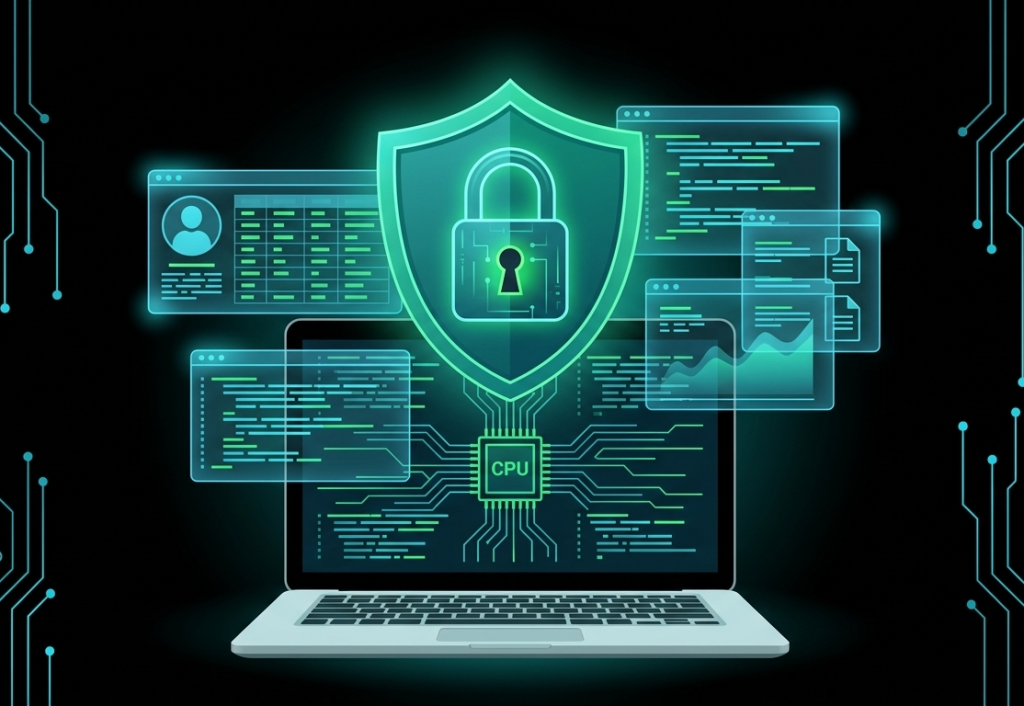
Cybersecurity team analyzing AI-driven cyber attack patterns, phishing threats, deepfakes, and adaptive malware risks on a digital dashboard.
cybersecurity

How Cyber Attacks Are Changing in the Age of AI

Introduction Cyber attacks have always evolved alongside technology, but AI has changed the pace and scale of that evolution. What once required skilled attackers, long preparation, and manual effort can now be partially or fully automated, allowing criminals to launch more attacks in less time. This means organizations are no longer dealing with isolated threats; they are facing industrialized cybercrime that can adapt quickly and target more victims at once. One of the biggest shifts is in social engineering. AI makes phishing messages sound more natural, personalized, and believable, which increases the chances that people will click, reply, or share sensitive information. Attackers are also using deepfake audio and video to impersonate executives, coworkers, or trusted contacts, turning identity fraud into a much more serious threat. AI is also improving the speed and precision of technical attacks. Criminals can use it to scan for vulnerabilities, optimize exploit attempts, and adjust malware behavior in real time. This makes attacks harder to stop because they can change their method as defenders respond. Another major change is that cyberattacks are becoming multi-channel. Instead of relying only on email, attackers now combine messaging apps, phone calls, collaboration tools, social platforms, and even legitimate authentication flows to reach targets. This creates a more realistic and coordinated attack path that is harder for users and security teams to recognize quickly. AI is also affecting the defensive side of security, because the same technology used by attackers can help defenders detect unusual behavior, analyze threats, and respond faster. But the overall risk is rising because attackers often move faster than organizations can adapt. As a result, cybersecurity teams are being pushed to focus more on prevention, identity verification, and resilience than on detection alone. Key changes Phishing is becoming more personalized and convincing. Deepfakes are making impersonation attacks more dangerous. Malware is becoming more adaptive and difficult to detect. Attacks are happening across more channels than email alone. Attackers are using AI to move faster than traditional defense teams. Conclusion Cyber attacks in the age of AI are faster, smarter, and more scalable than before. That means companies and individuals must become more careful about identity verification, suspicious messages, and security habits. The future of cyber defense will depend on using AI wisely, improving awareness, and building systems that can stop attacks before they spread. In this new environment, speed matters on both sides, but defense must become more proactive and resilient.extension. FAQ How is AI changing cyber attacks? AI is making attacks more automated, personalized, and difficult to detect by helping attackers create better phishing, deepfakes, malware, and multi-channel campaigns. What is the most common AI-powered attack? Phishing is one of the most common because AI can make messages sound more believable and targeted. Are deepfakes really a cybersecurity threat? Yes, deepfakes can be used to impersonate leaders, employees, or trusted contacts and trick people into sharing money or information. Can AI help defenders too? Yes, AI can help security teams detect threats, analyze patterns, and respond faster, but attackers are also using it aggressively. Why are AI attacks harder to stop? They are harder to stop because they can adapt in real time, operate across many channels, and move at machine speed. What should businesses do now? Businesses should improve employee awareness, verify identities carefully, strengthen security controls, and prepare for more advanced AI-driven threats.

Business team reviewing cybersecurity strategies to protect company data, systems, and customer trust.
cybersecurity

Why Cybersecurity Should Be a Priority for Every Company

Introduction In today’s connected world, nearly every company relies on technology to store data, communicate with customers, process payments, manage employees, and run daily operations. That dependence makes cybersecurity essential, not optional, because every digital interaction creates some level of risk. Whether a business is a small startup or a large enterprise, it holds information that attackers may want, including financial records, customer details, login credentials, and internal documents. Cybersecurity should be a top priority for every company because modern businesses depend on digital systems, and even one weak point can lead to data loss, downtime, financial damage, and a broken reputation. As cyber threats become more frequent and sophisticated, companies that ignore security are putting both operations and customer trust at risk. One reason cybersecurity matters so much is that cyberattacks can cause immediate and lasting harm. A breach can shut down systems, interrupt business continuity, expose sensitive information, and lead to expensive recovery efforts. Beyond the technical damage, companies often face legal issues, customer frustration, and reputational loss that can take years to repair. Cybersecurity is also important because threats are no longer rare or simple. Attackers use phishing, ransomware, credential theft, and other methods that are designed to trick people and exploit weak systems. Many attacks succeed not because companies have no defenses at all, but because employees are not trained well enough or security practices are inconsistent across the organization. Another major reason to prioritize cybersecurity is trust. Customers, partners, and employees want to know that their data is being handled responsibly. When a company shows that it takes security seriously, it builds confidence and strengthens its brand, but when it suffers a breach, that trust can disappear very quickly. Cybersecurity also supports growth and innovation. Companies that feel protected are better able to adopt cloud tools, expand digital services, and automate more of their work without creating unnecessary exposure. In other words, strong security is not just about preventing problems; it is about creating a safer foundation for business growth. Why It Matters It protects sensitive data from theft or misuse. It reduces downtime and supports business continuity. It helps companies avoid financial and legal damage. It strengthens customer trust and brand reputation. It supports safe digital growth and innovation. Conclusion Cybersecurity should be a priority for every company because the cost of ignoring it is far higher than the cost of prevention. A strong security posture protects data, keeps operations running, and helps businesses maintain the trust they depend on. The companies that treat cybersecurity as part of their business strategy, not just an IT issue, are better prepared for the future. In a world where threats keep evolving, security is one of the smartest investments a business can make. FAQ Why is cybersecurity important for every company? Cybersecurity is important because every company stores data, uses digital tools, and faces cyber risks that can lead to loss, downtime, and reputational harm.online. What happens if a company ignores cybersecurity? A company may face data breaches, system outages, financial losses, legal problems, and a decline in customer trust. Is cybersecurity only important for large companies? No, small businesses are also targeted because attackers often look for weaker defenses. How does cybersecurity build customer trust? It shows customers that their data is protected and that the company is serious about responsibility and safety. What is one of the biggest cybersecurity risks? Phishing and ransomware are among the most common risks because they target both people and systems. How can companies improve cybersecurity? They can train employees, update systems, use strong access controls, and create a clear response plan for incidents.

Artificial Intelligence, cybersecurity, Technology

The Future of Cybersecurity in the Age of Generative AI

The Future of Cybersecurity in the Age of Generative AI The cybersecurity landscape is undergoing a dramatic transformation. As organizations continue to embrace digital technologies, cloud computing, remote work, and interconnected systems, cyber threats are becoming increasingly sophisticated. At the same time, a new technological revolution is reshaping how businesses defend themselves against these threats: Generative Artificial Intelligence (Generative AI). Generative AI has rapidly evolved from a fascinating innovation into a powerful business tool capable of creating content, analyzing data, automating processes, and assisting with complex decision-making. While much of the public attention has focused on AI-generated text, images, and videos, one of its most significant impacts is emerging in the field of cybersecurity. Generative AI is creating both opportunities and challenges. On one hand, it enables organizations to detect threats faster, automate security operations, and strengthen defenses against cybercriminals. On the other hand, malicious actors are leveraging the same technology to launch more convincing phishing attacks, develop advanced malware, and exploit vulnerabilities at unprecedented speeds. As businesses prepare for the future, understanding the relationship between generative AI and cybersecurity has become essential. The future of digital security will be defined by how effectively organizations can harness AI while managing the risks it introduces. Understanding Generative AI in Cybersecurity Generative AI refers to artificial intelligence systems capable of creating new content, generating responses, producing code, and learning patterns from massive datasets. Unlike traditional AI systems that primarily analyze information, generative AI can actively create solutions, recommendations, and predictions based on its training. In cybersecurity, this capability opens new possibilities for threat detection, incident response, vulnerability management, and security automation. AI systems can analyze vast amounts of security data, identify suspicious activities, and provide actionable insights in real time. Security teams are increasingly overwhelmed by the volume of alerts generated by modern networks. Generative AI helps reduce this burden by filtering irrelevant alerts, prioritizing threats, and assisting analysts in understanding complex attack patterns. This shift allows security professionals to focus on strategic decision-making rather than spending valuable time on repetitive tasks. The Growing Complexity of Cyber Threats Cybercriminals continue to evolve their methods as organizations strengthen their defenses. Traditional cybersecurity approaches often struggle to keep pace with the scale and speed of modern attacks. Attack surfaces have expanded significantly due to cloud adoption, Internet of Things (IoT) devices, remote work environments, and digital transformation initiatives. Every connected device and application introduces potential vulnerabilities that attackers can exploit. Modern threats include: Advanced phishing campaigns Ransomware attacks Supply chain compromises Zero-day vulnerabilities Insider threats Credential theft Social engineering attacks The increasing sophistication of these threats requires equally advanced defense mechanisms. Generative AI provides organizations with the ability to analyze complex environments continuously and identify emerging risks before they become major incidents. AI-Powered Threat Detection and Prevention One of the most promising applications of generative AI in cybersecurity is threat detection. Traditional security systems often rely on predefined rules and known attack signatures. While effective against familiar threats, these systems may struggle to identify new or evolving attack techniques. Generative AI can analyze patterns across networks, endpoints, user behavior, and application activity to detect anomalies that may indicate malicious activity. For example, if an employee suddenly accesses sensitive data from an unusual location or begins transferring large volumes of information, AI systems can recognize the abnormal behavior and trigger alerts. The benefits include: Faster threat identification Reduced false positives Improved accuracy Real-time monitoring Continuous learning capabilities By identifying threats earlier in the attack lifecycle, organizations can minimize damage and reduce recovery costs. Automating Security Operations Security operations centers (SOCs) face significant challenges due to staffing shortages and increasing workloads. Many organizations struggle to hire enough cybersecurity professionals to manage growing security demands. Generative AI can help bridge this gap by automating routine tasks and supporting security teams. AI-driven automation can assist with: Log analysis Incident classification Threat intelligence gathering Vulnerability assessment Security reporting Compliance monitoring Instead of manually reviewing thousands of alerts each day, analysts can rely on AI-powered systems to summarize incidents, recommend actions, and prioritize critical threats. This automation improves efficiency while enabling security teams to respond more quickly to potential attacks. The Role of Generative AI in Incident Response When a cyberattack occurs, rapid response is critical. Every minute of delay can increase financial losses, operational disruptions, and reputational damage. Generative AI can significantly accelerate incident response processes. AI systems can analyze attack data, identify affected systems, determine the likely attack path, and generate recommended remediation steps. Security teams can use AI-generated insights to: Investigate incidents faster Contain threats more effectively Reduce downtime Improve recovery processes Document incidents automatically As AI technologies continue to mature, organizations may increasingly rely on autonomous response systems capable of taking immediate defensive actions without human intervention. Predictive Cybersecurity and Risk Assessment One of the most exciting developments in AI-driven security is predictive threat analysis. Rather than simply reacting to attacks after they occur, organizations can use generative AI to anticipate future threats. By analyzing historical attack data, vulnerability trends, industry intelligence, and global threat activity, AI systems can identify potential risks before they are exploited. Predictive cybersecurity enables businesses to: Prioritize security investments Patch vulnerabilities proactively Strengthen high-risk systems Improve risk management strategies Reduce attack exposure This proactive approach represents a significant shift from traditional reactive security models. How Cybercriminals Are Using Generative AI While generative AI offers powerful defensive capabilities, it also provides new tools for cybercriminals. Attackers are increasingly using AI technologies to enhance their operations and improve attack success rates. Some malicious applications include: AI-Generated Phishing Attacks Traditional phishing emails often contain grammatical errors and suspicious language. Generative AI can produce highly convincing messages that closely resemble legitimate communications. These personalized attacks can be tailored to specific individuals, making them significantly harder to detect. Advanced Social Engineering AI can generate realistic conversations, fake identities, and persuasive messages designed to manipulate victims into revealing sensitive information. Automated Malware Development Cybercriminals may use AI-assisted coding tools to create malware variants more quickly and

Digital padlock representing cybersecurity and data protection.
cybersecurity, Data Privacy & Security

Cybersecurity in the Digital Age: Protecting Data in a Connected World

Introduction We live in an age where data travels faster than thought — from cloud storage to smartphones, from online banking to social media. But as our digital world expands, so do the cyber threats lurking behind every connection. From global ransomware attacks to phishing scams and data breaches, cybercrime has evolved into one of the biggest challenges of the 21st century. In 2024 alone, the global cost of cybercrime was estimated to surpass $10 trillion, making it more profitable than the illegal drug trade. In this digital age, cybersecurity isn’t optional — it’s essential for individuals, businesses, and governments alike. What Is Cybersecurity? Cybersecurity refers to the practice of protecting systems, networks, and data from unauthorized access, attacks, and damage. It involves technologies, processes, and best practices designed to secure: Computers and servers Mobile devices Networks Cloud environments User data Core Objectives of Cybersecurity — The CIA Triad: Element Meaning Purpose Confidentiality Keeping data private Prevent unauthorized access Integrity Maintaining data accuracy Ensure data isn’t altered maliciously Availability Ensuring accessibility Keep systems online and functional Together, these principles form the foundation of all cybersecurity systems. ⚙️ Types of Cybersecurity Cybersecurity covers a wide range of protection layers designed to defend different parts of the digital ecosystem. 1. Network Security Protects internal networks from intruders using firewalls, intrusion detection systems, and VPNs. 2. Information Security (InfoSec) Ensures data privacy and protects sensitive information from leaks or misuse. 3. Cloud Security Secures cloud-based infrastructure, applications, and data stored in remote servers. 4. Endpoint Security Defends devices such as laptops, phones, and IoT gadgets that connect to a network. 5. Application Security Prevents vulnerabilities during software development through encryption, code testing, and patch management. 6. Operational Security (OpSec) Focuses on the policies and procedures to handle data and protect assets. 7. Disaster Recovery and Business Continuity Ensures systems can recover quickly from attacks or data loss events. Common Cyber Threats Cyberattacks come in many forms — some target individuals, others target global corporations. Here are the most common types of cyber threats: Type Description Example Phishing Fraudulent emails trick users into revealing credentials Fake bank alerts Ransomware Encrypts data and demands payment WannaCry, LockBit Malware Software designed to damage or steal information Viruses, Trojans Denial of Service (DoS/DDoS) Overloads servers to make them crash Attacks on websites or networks Man-in-the-Middle (MitM) Intercepts data during transmission Wi-Fi eavesdropping SQL Injection Inserts malicious code into databases Web form exploits Zero-Day Exploit Targets unpatched vulnerabilities Newly discovered software flaws Insider Threats Employees misuse access privileges Data theft by insiders The increasing sophistication of cyberattacks means no organization is immune — prevention and vigilance are key. Essential Cybersecurity Tools Modern cybersecurity strategies rely on a mix of software, AI, and human expertise. Commonly Used Tools: Antivirus Software: Protects against malware and viruses (e.g., Bitdefender, Norton) Firewalls: Blocks unauthorized access to networks Encryption Tools: Secures data in transit and at rest Password Managers: Protects user credentials VPNs: Masks IP addresses for secure browsing Intrusion Detection Systems (IDS): Monitors networks for suspicious activity Multi-Factor Authentication (MFA): Adds an extra security layer beyond passwords The Role of Artificial Intelligence in Cybersecurity AI is becoming a game-changer in the fight against cyber threats. How AI Helps: Detects anomalies in real-time Predicts potential attacks before they occur Automates incident response Reduces false alerts and improves accuracy Example: AI-driven tools like Darktrace and CrowdStrike use machine learning to identify unusual network behavior and block cyberattacks instantly. Cybersecurity in Business Organizations of all sizes — from startups to multinationals — are prime targets for hackers. Key Areas of Focus for Businesses: Employee Awareness Training: Human error is the top cause of breaches. Data Encryption: Sensitive data must be encrypted at all stages. Regular Security Audits: Identify vulnerabilities before hackers do. Zero-Trust Architecture: Verify every access attempt, even inside the network. Incident Response Plans: Prepare for attacks with structured recovery strategies. Example:In 2023, several global firms adopted Zero Trust Security Models, ensuring users and devices are verified every time they access company data — drastically reducing internal breaches. Cybersecurity in the Cloud With more organizations migrating to cloud services like AWS, Azure, and Google Cloud, securing cloud infrastructure is vital. Cloud security ensures: Data encryption Identity and access management (IAM) Secure APIs and regular patching Providers also follow shared responsibility models, meaning both the provider and the client share the duty of maintaining security. Cybersecurity for Individuals Cybersecurity isn’t just for corporations — individuals must also stay alert. Personal Cyber Hygiene Tips: Use strong and unique passwords for every account. Enable two-factor authentication (2FA). Avoid clicking on suspicious links or attachments. Update software and systems regularly. Use secured Wi-Fi networks. Regularly back up important data. The Future of Cybersecurity The coming years will see cybersecurity evolve alongside AI, quantum computing, and the Internet of Things (IoT). 🔮 Key Future Trends: AI-powered threat detection Quantum encryption for unbreakable security Zero Trust Architecture becoming the global standard Biometric authentication (face, fingerprint, voice) Cyber resilience — not just prevention but rapid recovery Cybersecurity is no longer about building walls — it’s about creating adaptive, intelligent systems that learn and evolve faster than attackers. Conclusion In the digital era, data is power, and protecting it is non-negotiable. Cybersecurity is the first line of defense against a world of invisible threats. Whether it’s an individual securing personal data or a multinational corporation safeguarding billions of records, awareness and preparation are the strongest shields. As technology advances, so must our commitment to cybersecurity — ensuring a safer, more resilient digital future for everyone. FAQs 1. What is cybersecurity in simple terms?Cybersecurity is the protection of computers, networks, and data from digital attacks or unauthorized access. 2. Why is cybersecurity important?It prevents data theft, financial loss, and system damage caused by hackers or malware. 3. What are common cyber threats?Phishing, ransomware, malware, DDoS attacks, and insider threats are among the most common. 4. How can individuals improve cybersecurity?Use strong passwords, enable two-factor authentication, and avoid suspicious emails or downloads. 5.

How would you like me to respond?

Select a personality for your AI assistant

Normal
Happy
Sad
Angry

Your selection will affect how the AI assistant responds to your messages

Chat Assistant

Let's discuss your project!

Hear from our clients and why 3000+ businesses trust TechOTD

Tell us what you need, and we'll get back with a cost and timeline estimate

Scroll to Top