
Digital Education

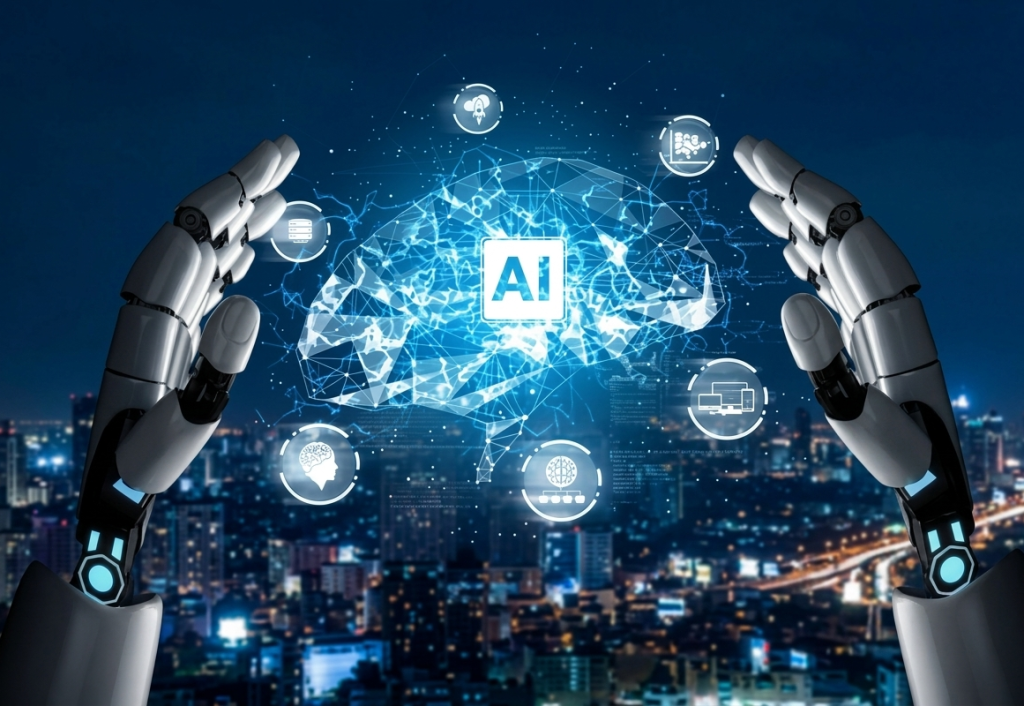
Students and teachers using AI-powered education technology to personalize learning, track progress, and improve classroom experiences.
Artificial Intelligence

AI in Education: How Technology Is Changing the Way We Learn

Introduction Artificial intelligence is quickly reshaping education by making learning more personal, flexible, and efficient. What used to depend only on textbooks, classroom lectures, and one-size-fits-all lessons is now being enhanced by smart systems that can adapt to each learner’s pace and needs. AI in education is changing not only how students study, but also how teachers teach, assess, and support learning. This shift is creating a more connected and responsive learning experience for everyone involved. One of the biggest changes AI brings to education is personalization. Every student learns differently, and traditional classrooms often struggle to meet those differences at scale. AI-powered learning platforms can analyze student progress, identify weak areas, and suggest lessons or practice activities that match individual needs. This means students can spend more time on topics they find difficult and move faster through the ones they already understand. As a result, learning becomes more efficient and less frustrating. AI is also improving access to education. Students can now use intelligent tutoring systems, chatbots, and learning apps to get help outside the classroom at any time. This is especially useful for learners who need extra support, want to revise independently, or study at their own pace. Instead of waiting for the next class or a teacher’s availability, they can receive instant feedback and guidance. That level of support makes learning more continuous and convenient. Another major benefit of AI in education is smarter assessment. Teachers no longer have to rely only on manual evaluation for every learning activity. AI tools can grade quizzes, track performance trends, and highlight areas where students are struggling. This saves time for educators and allows them to focus more on teaching and mentorship. It also helps schools make better decisions because they can see learning patterns more clearly and respond faster when students need help. At the same time, AI is changing the kind of content students interact with. Learning is becoming more dynamic through video summaries, adaptive quizzes, interactive lessons, and intelligent recommendations. Instead of passively reading long lessons, students can engage with material in formats that hold attention better and improve retention. This makes education feel less rigid and more practical for modern learners. Of course, the growth of AI in education also comes with important questions. People want to know how much technology should be used, how student data should be protected, and how teachers’ roles may change in the future. Even with these concerns, one thing is clear: AI is not replacing education, but transforming it. It is helping create a system where learning can be more personalized, more accessible, and more effective than before. Conclusion AI in education is changing the way we learn by making lessons more personal, feedback faster, and learning tools more accessible. It helps students learn at their own pace while giving teachers better ways to track progress and support growth. As technology continues to improve, AI will likely become an even bigger part of classrooms and self-learning platforms. The future of education will depend on using AI wisely so that it supports human teaching instead of replacing it. FAQ What is AI in education? AI in education refers to the use of artificial intelligence tools and systems to improve teaching, learning, assessment, and student support. How does AI help students learn better? AI helps students by personalizing lessons, giving instant feedback, identifying weak areas, and recommending useful study resources. Can AI replace teachers? No, AI cannot replace teachers. It can support teaching, but human guidance, mentorship, and emotional understanding remain essential. What are examples of AI in education? Examples include chatbots, adaptive learning platforms, smart tutors, automated grading tools, and personalized study apps. Is AI useful for online learning? Yes, AI is especially useful for online learning because it helps students study independently, track progress, and get support anytime. What is the biggest advantage of AI in education? The biggest advantage is personalization, since AI can adapt learning experiences to each student’s needs and pace.
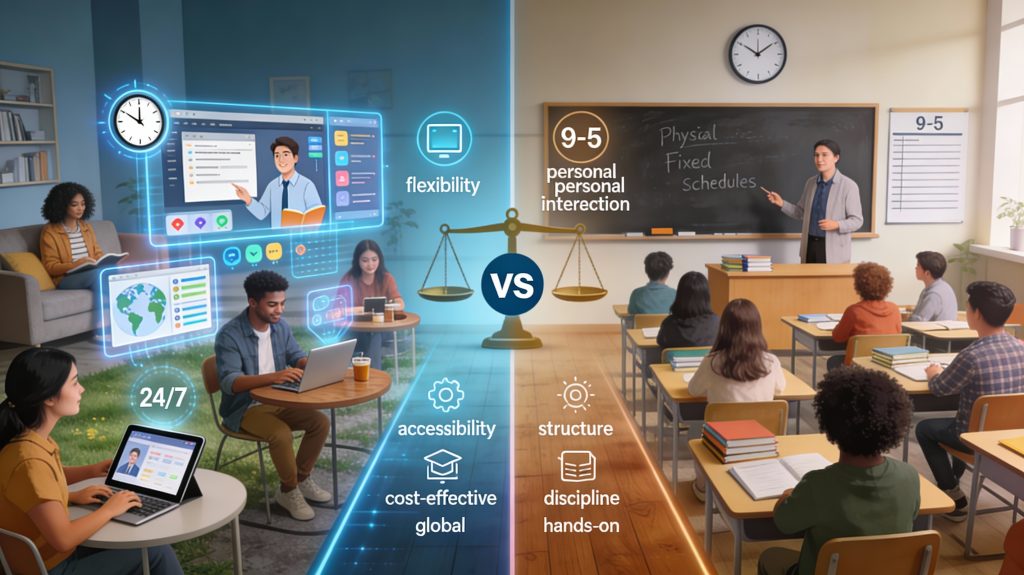
Online learning vs traditional classroom education comparison
Education & Learning

Online Learning vs Traditional Education: A Complete Comparison

Introduction Education has evolved significantly over the past few decades. While traditional classroom education has been the standard for centuries, online learning has rapidly emerged as a powerful alternative. The advancement of digital technology, widespread internet access, and the demand for flexible learning have driven this shift. Both online learning and traditional education aim to provide knowledge and skills, but they differ in delivery methods, learning experiences, and accessibility. Understanding these differences helps students, parents, educators, and professionals make informed decisions. In this blog, we will explore online learning vs traditional education, comparing their advantages, limitations, costs, and effectiveness. What Is Online Learning? Online learning, also known as e-learning or distance education, involves delivering educational content through digital platforms. Students can attend virtual classes, watch recorded lectures, complete assignments, and interact with instructors online. Key Features of Online Learning Internet-based access Flexible schedules Self-paced learning Digital resources Online learning is widely used in academic education, professional training, and skill development. What Is Traditional Education? Traditional education takes place in physical classrooms where students and teachers interact face-to-face. It follows a structured schedule and curriculum set by educational institutions. Key Features of Traditional Education In-person instruction Fixed schedules Classroom-based interaction Physical learning materials Traditional education remains a preferred choice for many learners, especially at the early education level. Online Learning vs Traditional Education: Key Differences Aspect Online Learning Traditional Education Flexibility High Low Accessibility Global Location-based Cost Often lower Higher Interaction Virtual Face-to-face Learning Pace Self-paced Fixed Advantages of Online Learning 1. Flexibility and Convenience Students can learn anytime and anywhere. 2. Cost-Effective Online courses reduce travel and accommodation costs. 3. Wide Course Availability Access to global courses and instructors. 4. Personalized Learning Learners can progress at their own pace. Disadvantages of Online Learning Requires self-discipline Limited face-to-face interaction Dependence on technology Advantages of Traditional Education 1. Structured Learning Environment Provides routine and discipline. 2. Social Interaction Encourages teamwork and communication skills. 3. Immediate Feedback Students can interact directly with teachers. Disadvantages of Traditional Education Less flexible Higher costs Limited accessibility Which Learning Method Is More Effective? Effectiveness depends on: Learning style Age group Subject matter Personal goals Many learners benefit from a hybrid approach combining both methods. Role of Hybrid Learning Hybrid learning blends online and traditional education, offering flexibility while maintaining personal interaction. It is becoming increasingly popular in schools and universities. Impact on Career and Skill Development Online learning supports: Skill-based education Career transitions Lifelong learning Traditional education provides: Foundational knowledge Networking opportunities Future of Learning Methods The future will focus on: Hybrid education models AI-driven personalization Skill-based learning Conclusion Online learning and traditional education both have unique advantages and limitations. The right choice depends on individual learning needs, goals, and circumstances. As education continues to evolve, flexible and blended learning models will play a crucial role. Frequently Asked Questions (FAQs) 1. Is online learning better than traditional education? It depends on individual learning preferences and goals. 2. Can online learning replace traditional education? Online learning complements but does not fully replace traditional education. 3. Are online degrees recognized? Many online degrees are recognized if offered by accredited institutions. 4. What is hybrid learning? Hybrid learning combines online and in-person education. 5. Is online learning suitable for children? Yes, with proper guidance and supervision. 6. Which is more cost-effective? Online learning is generally more affordable. Connect With Us: https://www.facebook.com/profile.php?id=61555452386126  

Education and learning through digital platforms and online tools
Education & Learning

Education and Learning in the Digital Age: Transforming How We Gain Knowledge

Introduction Education and learning are the foundations of personal growth, social development, and economic progress. For centuries, education followed a traditional classroom-based approach, relying on physical schools, textbooks, and face-to-face instruction. However, the digital revolution has transformed how people learn, access knowledge, and develop skills. Today, education extends far beyond classrooms. Online courses, digital libraries, virtual classrooms, and learning apps have made education more flexible, inclusive, and accessible. This transformation has reshaped teaching methodologies and learning experiences across the globe. In this blog, we explore education and learning in the digital age, examining how technology has changed learning methods, the benefits of modern education, challenges, and what the future holds. What Is Education and Learning? Education is a structured process of acquiring knowledge, skills, values, and attitudes through teaching, training, or research. Learning is a lifelong process that occurs formally through institutions and informally through experiences. Types of Learning Formal learning (schools, colleges, universities) Informal learning (self-study, experiences) Non-formal learning (workshops, online courses) Modern education blends all these approaches to create holistic learning experiences. The Evolution of Education Traditional Education Traditional education focused on: Teacher-centered instruction Memorization Fixed curricula While effective in many ways, it often lacked flexibility and personalization. Digital and Modern Education Modern education emphasizes: Student-centered learning Skill development Critical thinking Technology integration Digital tools have revolutionized how students learn and interact with information. Role of Technology in Education and Learning Technology plays a vital role in modern education. Key Technologies in Education Learning Management Systems (LMS) Video conferencing tools Artificial Intelligence Virtual and Augmented Reality These tools enhance engagement and improve learning outcomes. Online Learning and E-Learning Platforms Online learning platforms have become a cornerstone of modern education. Benefits of Online Learning Learn anytime, anywhere Cost-effective education Access to global resources Personalized learning paths Popular e-learning platforms offer courses in academics, professional skills, and personal development. Benefits of Modern Education and Learning 1. Accessibility Education is no longer limited by geography. 2. Flexibility Learners can study at their own pace. 3. Skill-Oriented Learning Modern education focuses on real-world skills. 4. Lifelong Learning Continuous learning supports career growth. Challenges in Modern Education Despite its advantages, modern education faces challenges: Digital divide Lack of infrastructure Quality assurance Screen fatigue Addressing these challenges is crucial for inclusive education. Importance of Education in Personal and Professional Growth Education empowers individuals by: Enhancing critical thinking Improving career opportunities Promoting social equality Learning is essential for adapting to a rapidly changing world. Future of Education and Learning The future of education will focus on: AI-driven personalization Hybrid learning models Skills-based education Lifelong learning ecosystems Education systems will continue to evolve with technological advancements. Conclusion Education and learning are undergoing a significant transformation in the digital age. Technology has expanded access to knowledge, personalized learning experiences, and made education more inclusive. By embracing modern learning methods, individuals and institutions can unlock new opportunities and build a knowledge-driven future. Frequently Asked Questions (FAQs) 1. What is modern education? Modern education integrates technology, flexibility, and skill-based learning methods. 2. How has technology changed learning? Technology enables online learning, personalization, and global access to education. 3. Is online learning effective? Yes, when structured properly, online learning can be highly effective. 4. What is lifelong learning? Lifelong learning is the continuous pursuit of knowledge throughout life. 5. What skills are important in modern education? Critical thinking, digital literacy, communication, and adaptability. 6. What is the future of education? The future includes AI-powered learning, hybrid education, and personalized learning paths. Connect With Us: https://www.facebook.com/profile.php?id=61555452386126  

How would you like me to respond?

Select a personality for your AI assistant

Normal
Happy
Sad
Angry

Your selection will affect how the AI assistant responds to your messages

Chat Assistant

Let's discuss your project!

Hear from our clients and why 3000+ businesses trust TechOTD

Tell us what you need, and we'll get back with a cost and timeline estimate

Scroll to Top