The Era of AI-Native Architecture: Why LLMs are the New Operating System
In the early days of the digital revolution, we moved from “analog” to “digital-first.” Today, in 2026, we are witnessing an even more profound shift: the move from software-defined to AI-native architecture. For years, developers have treated Artificial Intelligence as an “add-on”—a feature or a plugin that sits on top of a traditional application. However, as the limitations of this “bolted-on” approach become clear, top-tier development firms like TechOTD are rebuilding the very foundations of how software is designed.
What is AI-Native Architecture?
To understand AI-native, we must first understand what it is not. Traditional architecture follows a deterministic path: If X happens, then do Y. It relies on hard-coded logic paths and structured data. AI-native architecture, by contrast, is probabilistic. It treats Large Language Models (LLMs) and specialized AI agents not as peripheral tools, but as the core routing and decision-making engine of the entire application.
In an AI-native system, the model doesn’t just answer questions; it manages the application state, orchestrates API calls, and dynamically generates the user interface based on the user’s current intent. It is the difference between a car with a GPS (traditional) and a fully autonomous vehicle (AI-native).
The Four Pillars of the AI-Native Stack
Building in this new era requires a complete overhaul of the traditional “LAMP” or “MERN” stacks. At TechOTD, we focus on four critical components:
1. The LLM as the Orchestrator
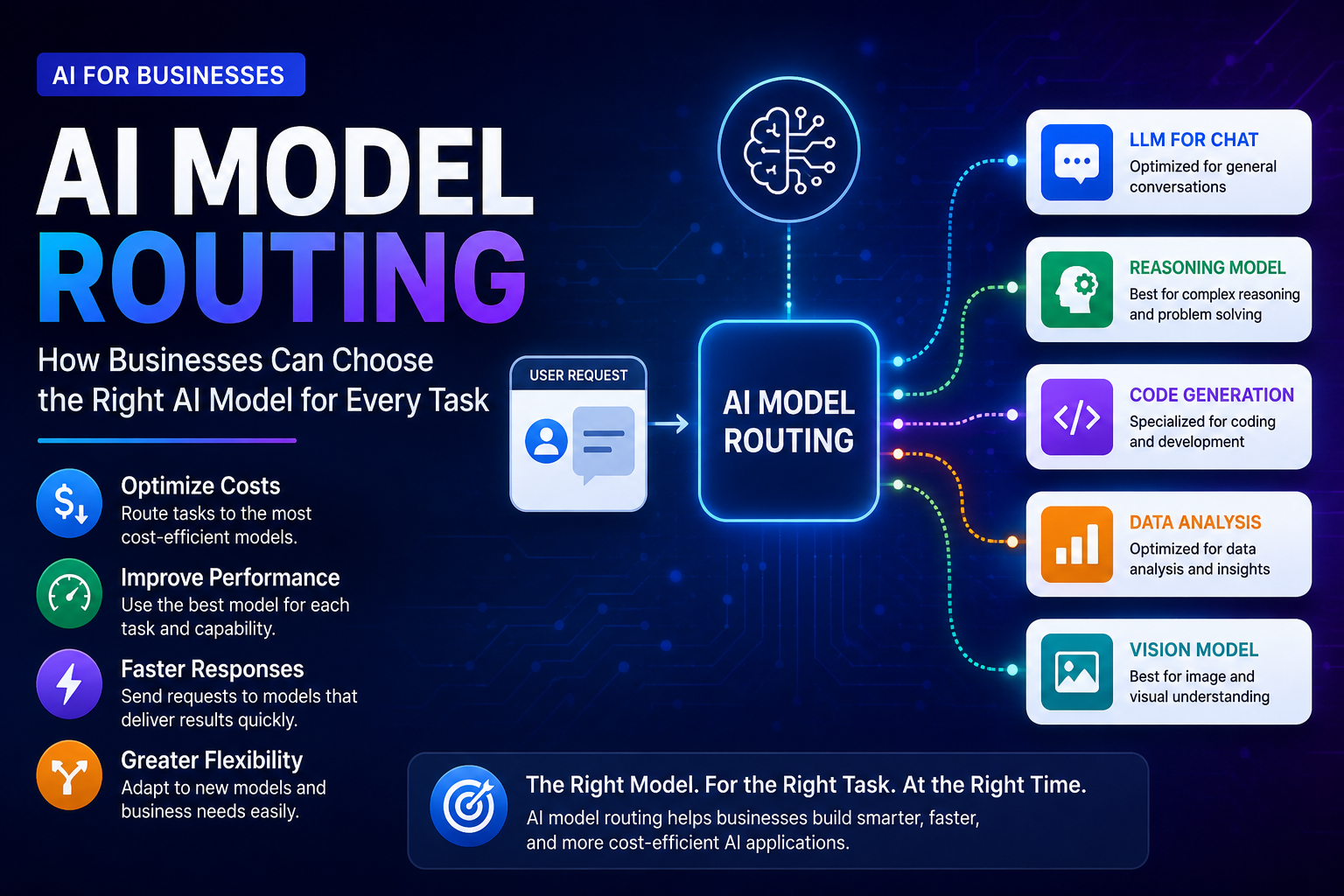
In traditional apps, the backend code decides which function to run next. In AI-native apps, the LLM acts as the “controller.” Using frameworks like LangChain or AutoGPT, the system analyzes a user’s request and determines which “tools” (APIs, databases, or third-party services) it needs to access to fulfill that request. This allows for infinitely more flexible software that can handle edge cases without a developer needing to write a thousand “if-else” statements.
2. Memory and Vector Databases
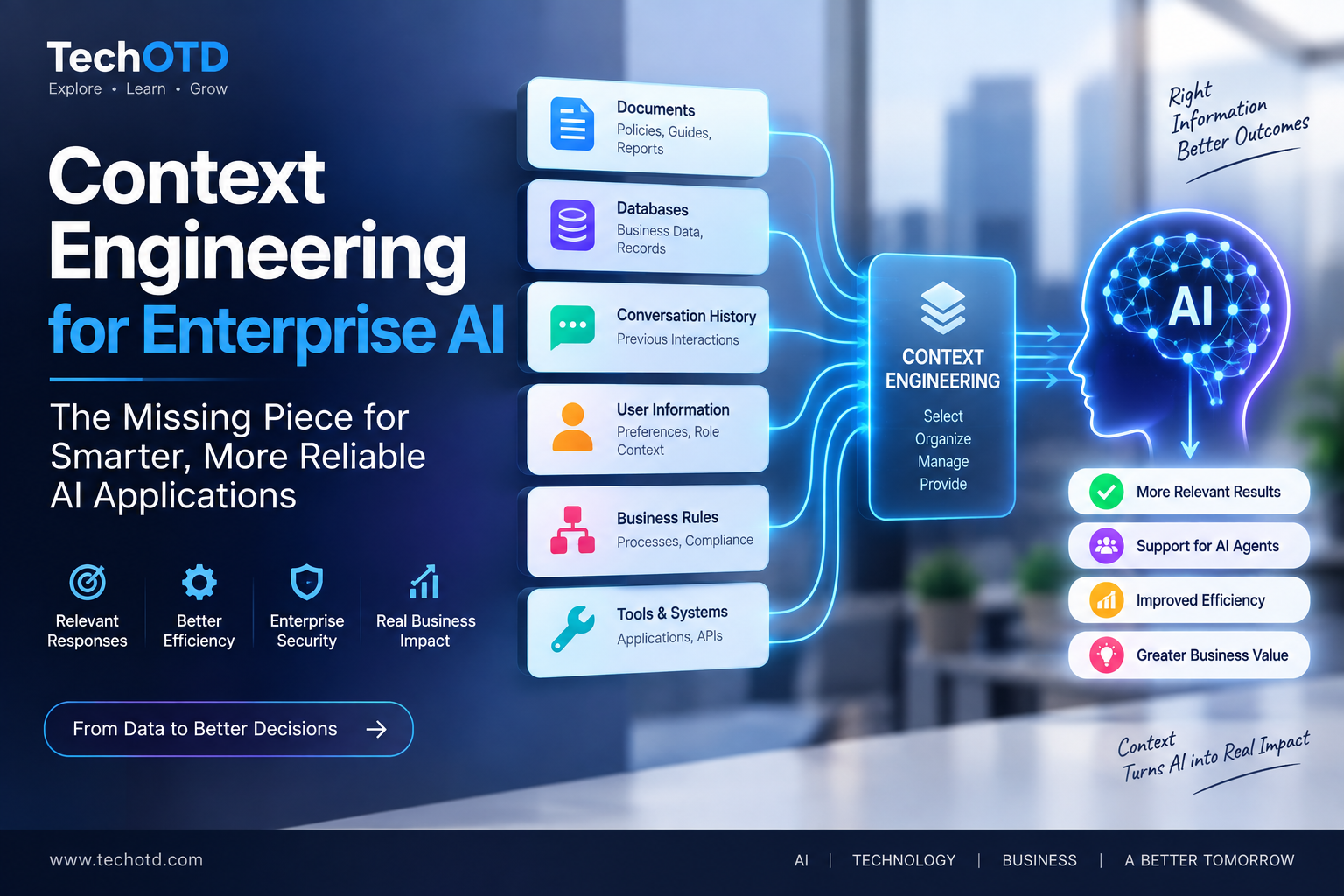
Standard relational databases (SQL) are excellent for structured data like prices or dates. However, AI-native apps need to understand context. This is where Vector Databases (like Pinecone, Milvus, or Weaviate) come in. By converting text, images, and data into “vector embeddings,” the software gains a mathematical understanding of meaning. This provides the AI with “Long-Term Memory,” allowing it to remember past user interactions and company-specific data with high precision.
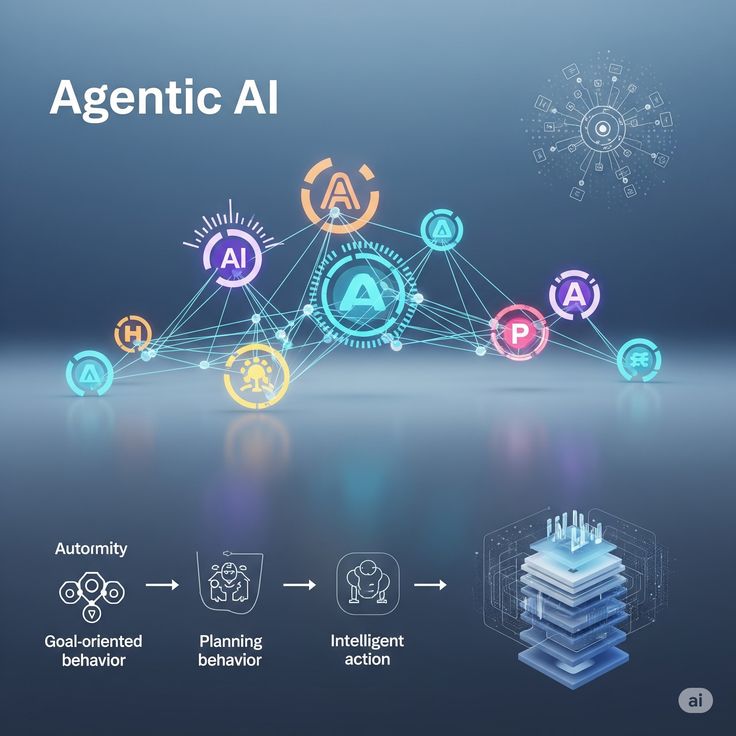
3. Agentic Workflows
2026 is the year of the AI Agent. Unlike a simple chatbot, an agent can execute multi-step tasks autonomously. For example, an AI-native project management tool doesn’t just remind you of a deadline; it analyzes the team’s workload, suggests a new timeline, emails the stakeholders for approval, and updates the task board once a response is received.
4. Real-time Inference and Edge Integration
Latency is the enemy of AI. To make AI-native apps feel “instant,” developers are moving inference (the AI’s thinking process) closer to the user through Edge Computing. By optimizing models to run locally on devices or at the network edge, we eliminate the 2-3 second delay that often breaks the user experience.
Conclusion: Leading the AI-Native Frontier
The transition to AI-native architecture is more than just a technical upgrade; it is a fundamental shift in how we perceive the relationship between human intent and machine execution. As we move deeper into 2026, the distinction between “apps with AI” and “AI-native systems” will become the primary differentiator between market leaders and those left behind.
For businesses, this shift offers an unprecedented opportunity to eliminate rigid processes and replace them with fluid, intelligent systems that evolve in real-time. For developers, it marks the end of the “deterministic” era and the beginning of a more creative, orchestration-focused discipline.