Introduction
For the last decade, we’ve been told that “the cloud” is a destination—a giant, invisible warehouse owned by a tech titan where our photos, emails, and secrets live. We traded our privacy for convenience, assuming that was just the price of admission for the digital age.
But in 2026, the wind has shifted. We are witnessing the birth of Cloud 3.0, and at its center is the Personal AI Cloud.
This isn’t just a technical upgrade; it’s a digital revolution. Users are no longer content with being “data points” for giant AI models. They want the power of a super-intelligent assistant without the “big brother” oversight. As developers and tech enthusiasts, understanding this shift isn’t optional—it’s the new blueprint for success.
What exactly is a Personal AI Cloud?
If the traditional cloud is a public library where anyone (including the librarian) can see what you’re reading, the Personal AI Cloud is your private home study.
It’s an ecosystem where your data—your health records, financial history, and private chats—lives in a “sovereign” space. This space is either physically on your device (On-Device AI) or in a highly encrypted, private slice of the cloud that only you can access (Sovereign Cloud).
In 2026, your “Personal AI” doesn’t just know your schedule; it knows you. But because of this new architecture, that knowledge never leaves your digital perimeter.
The Power of “On-Device” Intelligence
The first pillar of this movement is the massive leap in hardware. In 2026, even mid-range smartphones are packed with dedicated NPUs (Neural Processing Units).
What does this mean for app development?
-
Blind Apps: We are now building apps that are “blind.” The app can process a user’s sensitive medical data locally to provide a diagnosis, but the developer’s server never sees a single byte of that information.
-
Zero Latency: Because the “brain” is in your pocket, there’s no waiting for a signal to bounce off a satellite. Real-time voice translation and AR filters are now instantaneous.
-
Offline Maturity: “No Signal” no longer means “No AI.” Your personal assistant can still summarize your meetings and organize your files while you’re on a flight or in a remote dead zone.
Sovereign Clouds: The Corporate & Personal Middle Ground
Not everything can live on a phone. Sometimes you need massive computing power to train a custom model or store terabytes of high-res memory. This is where Sovereign Clouds come in.
In 2026, companies like AWS and specialized startups are offering “Sovereign Zones.” These are isolated infrastructure stacks that comply with local data laws (like the GDPR’s 2026 updates or India’s DPDP framework).
The Key Takeaway: Data sovereignty is no longer just for government agencies. It’s for the parent who wants to store their child’s photos and the freelancer who wants to protect their intellectual property.
How This Changes the Way We Build Apps
If you’re a developer sitting in your WordPress dashboard today, you’re probably wondering: “How does this change my workflow?”
The answer isOrchestration. In the old days, you just sent everything to a central server. Today, you have to be a “Traffic Controller.”
-
Inference-Aware Coding: Your app must now ask: “Is this task simple enough for the device, or does it need the Sovereign Cloud?”
-
Federated Learning: This is the “holy grail” of 2026. It allows an AI model to learn from thousands of users without ever seeing their data. The model “travels” to the user’s device, learns a little bit, and then brings only the “lessons” back to the main model—leaving the private data behind.
-
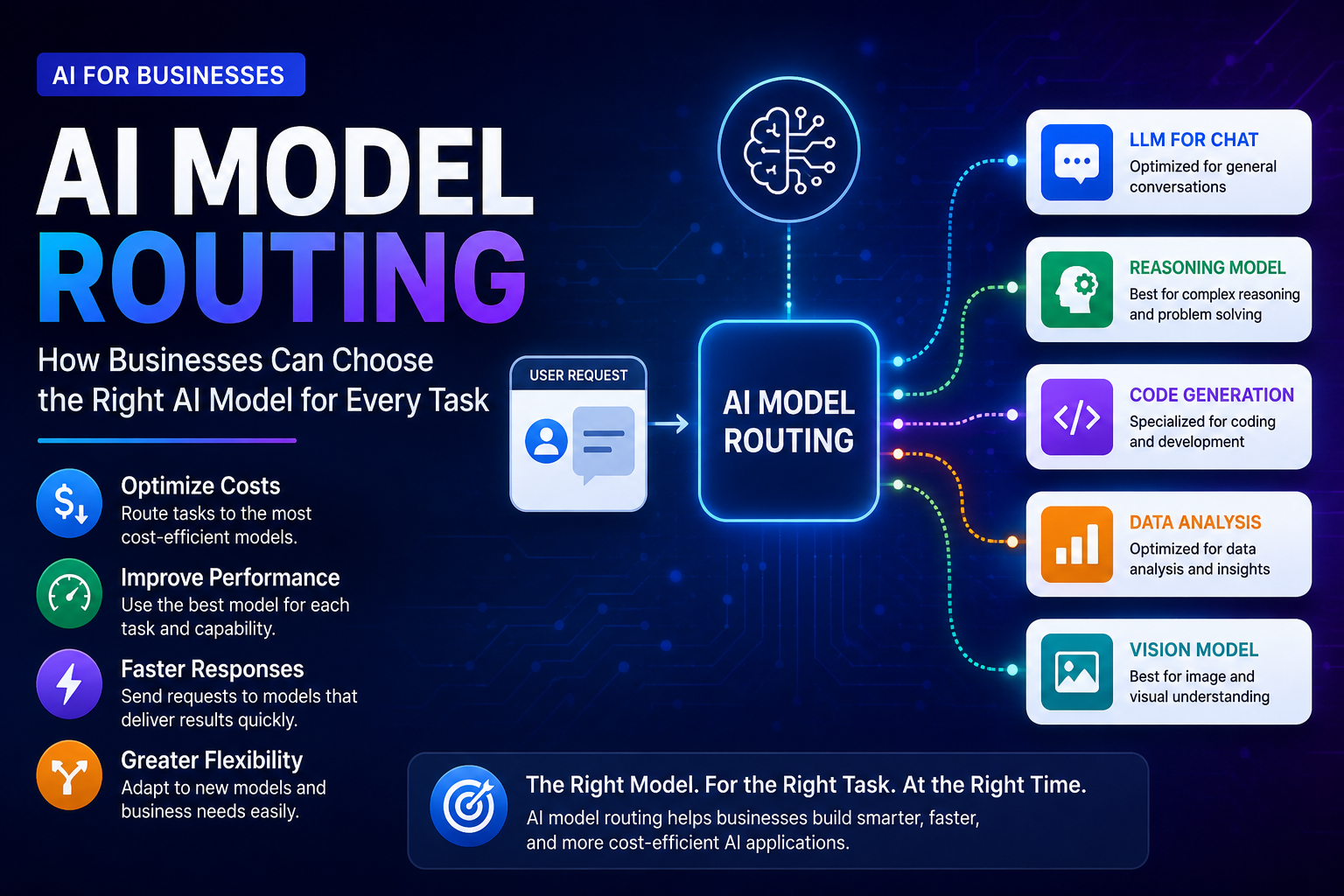
Hybrid Routing: Successful 2026 apps use a hybrid model—on-device for speed/privacy, and sovereign cloud for heavy-duty analytics.
The Security Implications: From Moats to Micro-Perimeters
Cybersecurity in the Personal AI Cloud era is no longer about building a bigger wall. It’s about Micro-Perimeters.
When every user has their own “Personal Cloud,” there is no single “honey pot” for hackers to target. If a hacker breaches one person’s private cloud, they don’t get access to the whole network. This decentralized approach makes large-scale data breaches—the kind that affected millions in the 2010s—statistically much harder to achieve.
However, it also means the User is now the administrator. As developers, we have a responsibility to make this “Sovereign Security” invisible. We use Biometric Handshakes and Passkeys to ensure that “owning your data” doesn’t feel like a chore.
Why “GreenOps” is the Silent Partner
There’s an angle most people miss: Sustainability. Centralized AI data centers are energy vampires. By shifting the processing to the “Edge” (your devices), we are actually reducing the carbon footprint of the internet. Personal AI Clouds use local, ambient energy (like your phone’s battery) and only call on the high-energy cloud when absolutely necessary. In 2026, “Green Coding” isn’t just a trend; it’s a requirement for staying in the App Store.
Conclusion: The Future is Personal
The shift to the Personal AI Cloud is a sign that the tech industry has finally grown up. We’ve moved past the “move fast and break things” era where privacy was an afterthought.
As we look toward 2027 and beyond, the most successful apps won’t be the ones that “own” the most data. They will be the ones that empower the user to own their own data. The cloud is no longer a place you go—it’s a power you carry with you.
Why the Intersection of App Dev and Cloud is the Future