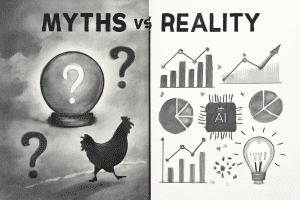

Artificial intelligence is changing the way we work, communicate, and do business. But the same technology is also giving scammers powerful new ways to deceive people. From AI-generated phishing messages and cloned voices to deepfake videos and highly personalized fraud, scams are becoming harder to recognize than ever.
In 2026, AI scams are no longer limited to obvious fake messages. Attackers can use AI to imitate trusted people, create convincing websites, generate realistic audio and video, and personalize scams at scale. This makes traditional warning signs less reliable and increases the need for smarter prevention.
The good news is that AI can also be used to fight back. AI-powered fraud detection, behavioral analysis, deepfake detection, and real-time scam monitoring can help individuals and businesses identify suspicious activity before it causes serious damage.
In this article, we’ll explore how AI-powered scams work, why they are becoming harder to detect, and how technology and practical security habits can help prevent them.
What Are AI-Powered Scams?
AI-powered scams are fraudulent activities that use artificial intelligence to make scams more convincing, personalized, or difficult to detect. Instead of relying only on traditional scripts and fake messages, scammers can now use AI to generate realistic text, images, audio, video, and even fake identities.
For example, a scammer can use AI to create a convincing phishing email that looks like it came from a bank, generate a voice that sounds like a family member, or create a deepfake video of a trusted person. These technologies allow criminals to make their attacks appear much more legitimate.
The biggest change is the scale and speed of these attacks. AI allows scammers to create personalized content for thousands of targets with far less effort than before. This makes AI-powered fraud a growing challenge for individuals, businesses, financial institutions, and online platforms.
How Scammers Are Using AI
1. AI-Generated Phishing Messages
AI can generate highly convincing phishing emails, text messages, and social media messages within seconds. Scammers can customize these messages using information about a person’s job, interests, recent activities, or relationships, making fraudulent communication appear more legitimate.
2. Voice Cloning and Impersonation
Voice cloning technology can reproduce a person’s voice from a relatively short audio sample. Scammers can use cloned voices to impersonate family members, company executives, customer support agents, or other trusted individuals and create urgent requests for money or sensitive information.
3. Deepfake Videos and Images
AI-generated images and deepfake videos can make it appear as though a real person said or did something they never actually did. Scammers may use this technology to impersonate public figures, business leaders, or people known to the victim.
4. Fake Websites and AI-Generated Content
Generative AI can help scammers create professional-looking websites, advertisements, product descriptions, and fake customer support conversations. When combined with stolen logos and copied branding, these websites can be difficult to distinguish from legitimate services.
5. Personalized Scams at Scale
One of AI’s biggest advantages for scammers is automation. Instead of sending the same message to everyone, criminals can generate different messages for different targets. This makes scams more personalized while allowing attackers to reach a much larger number of people.
Most Common AI Scams in 2026
AI-powered scams can take many forms, depending on the technology being used and the information available to the attacker. Some scams target individuals directly, while others are designed to manipulate employees, customers, or entire organizations.
AI Voice Scams
Scammers can use AI voice cloning to imitate someone the victim knows or trusts. A fake emergency call from a family member or an urgent payment request from a senior executive can create pressure to act without verification.
Deepfake Investment Scams
Deepfake videos and AI-generated content can be used to make fake investment opportunities appear credible. Scammers may impersonate business leaders, financial experts, or public figures to encourage victims to send money or share financial information.
AI-Powered Phishing Scams
AI makes it easier for scammers to create phishing messages that look professional and contain fewer obvious spelling or grammar mistakes. These messages may imitate banks, delivery companies, employers, government services, or popular online platforms.
Fake Customer Support Scams
Scammers can use AI-generated websites, chatbots, and social media profiles to imitate legitimate customer support services. Victims may be tricked into revealing passwords, verification codes, payment details, or other sensitive information.
Romance and Social Engineering Scams
AI can help scammers maintain convincing conversations for longer periods and personalize their communication based on information gathered from social media. This can make fake relationships, investment requests, or emotional manipulation much more difficult to recognize.
Why AI Scams Are Harder to Detect
Traditional scams often contain obvious warning signs such as poor grammar, generic messages, suspicious links, or unrealistic offers. AI can remove many of these clues by generating polished, natural-sounding, and highly targeted content.
AI also makes impersonation more convincing. A cloned voice can sound like someone the victim knows, while a deepfake video can create the appearance of a real person speaking or appearing on camera. When a scam uses familiar identities and realistic communication, people may be more likely to trust it.
Another challenge is speed. Scammers can use AI to create and modify fraudulent content quickly, test different approaches, and target large numbers of people. As AI-generated content becomes more realistic, relying only on visual or grammatical clues is no longer enough to identify every scam.
How AI Can Help Prevent Scams
While criminals are using AI to make scams more convincing, the same technology can also help detect and prevent fraud. AI systems can analyze large amounts of data, identify unusual patterns, and detect suspicious behavior much faster than traditional rule-based systems.
Real-Time Scam Detection
AI-powered security systems can analyze messages, websites, emails, and online interactions in real time. By identifying suspicious patterns and known indicators of fraud, these systems can warn users before they click a malicious link or share sensitive information.
Behavioral Fraud Detection
AI can learn normal user behavior and identify unusual activity. For example, an unexpected login, unusual transaction, or sudden change in account behavior can trigger additional verification before a potentially fraudulent action is completed.
Voice and Deepfake Detection
AI-based detection tools can analyze audio and video for signs of synthetic generation or manipulation. These systems can examine characteristics such as unusual audio patterns, visual inconsistencies, and unnatural movements to help identify potentially manipulated content.
AI-Powered Email and Message Analysis
AI can analyze the language, sender information, links, and context of an email or message to identify potential phishing attempts. This can help organizations detect suspicious communication before employees interact with it.
Transaction Monitoring
Financial institutions and online businesses can use AI to monitor transactions and detect unusual activity. When a transaction differs significantly from a user’s normal behavior, AI systems can flag it for additional review or verification.

How Individuals Can Protect Themselves From AI Scams
AI tools can make scams more convincing, but a few simple verification habits can significantly reduce the risk. The most important rule is to slow down when a message, call, or video creates urgency or asks for money or sensitive information.
Verify Before You Trust
Do not trust a voice, video, email, or message simply because it appears to come from someone you know. Verify important requests through a separate communication channel that you already trust.
Create a Family Verification Phrase
Families can agree on a private phrase or question that only trusted members would know. If someone calls claiming to be a family member and asking for urgent help, asking for this verification phrase can provide an additional layer of protection against voice-cloning scams.
Never Share OTPs or Passwords
Legitimate banks, platforms, and support teams should not ask you to share your password, OTP, PIN, or authentication codes through unexpected calls or messages. Never disclose these details simply because the person appears trustworthy.
Check Links Before Clicking
Before opening a link, carefully check the website address and avoid clicking links from unexpected messages. When in doubt, open the organization’s official website or app directly instead of using a link provided by the sender.
Pause When Someone Creates Urgency
Scammers often create a sense of urgency to prevent victims from thinking clearly. If someone demands immediate payment, asks you to keep a transaction secret, or pressures you to bypass normal verification, stop and independently confirm the request.
How Businesses Can Prevent AI Scams
Businesses face a growing risk from AI-powered phishing, executive impersonation, deepfakes, and social engineering. Preventing these attacks requires a combination of AI-based security tools, employee awareness, strong authentication, and clear verification procedures.
Use Multi-Factor Authentication
Multi-factor authentication adds an additional security layer even when a password is compromised. Businesses should use strong authentication methods for email, financial systems, cloud platforms, and other critical accounts.
Train Employees to Recognize AI Scams
Employees should be trained to recognize suspicious emails, unusual payment requests, fake support messages, deepfake content, and impersonation attempts. Regular security awareness training can help employees respond carefully instead of reacting to urgent requests.
Verify Financial Requests
Companies should establish a verification process for payments, account changes, and sensitive requests. For example, an unexpected request from an executive should be confirmed through a separate communication channel before any money is transferred.
Use AI-Powered Security Systems
AI-powered security solutions can monitor emails, user behavior, transactions, and network activity to identify suspicious patterns. These systems can help security teams detect potential fraud faster and investigate unusual activity before it becomes a major incident.
Create an Incident Response Plan
Businesses should have a clear plan for responding to suspected scams. Employees should know who to contact, how to report suspicious activity, and what steps to take if sensitive information or money has already been exposed.
AI Scam Prevention Checklist
Staying safe from AI-powered scams does not always require advanced technical knowledge. Following a few simple security practices can significantly reduce the chances of falling victim to AI-generated fraud.
☐ Verify unexpected calls, messages, and payment requests through a separate trusted channel.
☐ Never share passwords, OTPs, PINs, or authentication codes with someone who contacts you unexpectedly.
☐ Be cautious of messages that create extreme urgency or pressure you to act immediately.
☐ Check website addresses carefully before entering login or payment information.
☐ Do not assume that a familiar voice, image, or video is automatically authentic.
☐ Enable multi-factor authentication on important accounts.
☐ Keep your operating system, browser, apps, and security software updated.
☐ Report suspicious messages, accounts, websites, or financial transactions as soon as possible.
What to Do If You Have Already Been Scammed
If you realize that you have fallen victim to an AI-powered scam, acting quickly can reduce the potential damage. Do not continue communicating with the scammer, and avoid sending additional money or information.
Contact Your Bank or Payment Provider
If money has been transferred, contact your bank, card provider, or payment service immediately. Explain that the transaction may be fraudulent and ask what recovery or blocking options are available.
Secure Your Accounts
Change compromised passwords immediately and enable multi-factor authentication where possible. If you shared sensitive credentials, check other accounts that use the same password and secure them as well
Save Evidence
Keep screenshots, emails, phone numbers, transaction details, website addresses, messages, and other relevant evidence. This information can help banks, platforms, and law enforcement investigate the incident.
Report the Scam
Report the incident to the relevant platform, financial institution, and appropriate cybercrime or law-enforcement authority in your country. Reporting scams can also help prevent other people from becoming victims.
The Future of AI-Powered Fraud
AI-powered fraud is likely to become more sophisticated as generative AI, voice cloning, deepfakes, and automated social engineering tools continue to improve. Scammers may increasingly combine multiple AI technologies to create attacks that look and sound highly authentic.
At the same time, AI will become an important part of fraud prevention. Financial institutions, technology companies, and security teams can use AI to analyze behavior, detect synthetic content, identify suspicious transactions, and respond to threats in real time.
The future of online safety will therefore depend on both technology and human judgment. AI can help identify threats at scale, but users and organizations will still need strong verification processes, security awareness, and responsible digital habits.
Conclusion
AI is making scams faster, more personalized, and harder to recognize. From voice cloning and deepfakes to AI-generated phishing and fake customer support, scammers now have access to technologies that can make fraudulent interactions appear remarkably authentic.
However, AI can also become a powerful tool for prevention. By combining AI-powered fraud detection with strong authentication, independent verification, employee awareness, and careful digital habits, individuals and businesses can significantly reduce their exposure to AI-powered scams. The key is simple: never trust digital content blindly, especially when money, passwords, or sensitive information are involved.
Frequently Asked Questions About AI Scams
What are AI scams?
AI scams are fraudulent activities that use artificial intelligence to create convincing messages, voices, images, videos, websites, or identities to deceive people and steal money or sensitive information.
How can AI be used to prevent scams?
AI can help prevent scams by analyzing messages, transactions, user behavior, audio, and video to identify suspicious patterns. AI-powered security systems can detect potential fraud faster and help organizations respond to threats.
How can I tell if a voice is AI-generated?
It can be difficult to identify an AI-generated voice simply by listening to it. If a caller makes an unusual or urgent request, verify their identity through another trusted communication channel instead of relying only on the voice.
Can AI-generated videos be used for scams?
Yes. Deepfake videos can be used to impersonate trusted people, public figures, executives, or other individuals. Always verify important claims through reliable sources before taking financial or sensitive actions.
What should I do if I receive a suspicious AI-generated message?
Do not click links, download unexpected files, or share sensitive information. Verify the sender independently, report the suspicious message when appropriate, and delete or block it if necessary.
Connect With us:- https://www.facebook.com/profile.php?id=61555452386126