
Introduction
Cyber attacks have always evolved alongside technology, but AI has changed the pace and scale of that evolution. What once required skilled attackers, long preparation, and manual effort can now be partially or fully automated, allowing criminals to launch more attacks in less time. This means organizations are no longer dealing with isolated threats; they are facing industrialized cybercrime that can adapt quickly and target more victims at once.
One of the biggest shifts is in social engineering. AI makes phishing messages sound more natural, personalized, and believable, which increases the chances that people will click, reply, or share sensitive information. Attackers are also using deepfake audio and video to impersonate executives, coworkers, or trusted contacts, turning identity fraud into a much more serious threat.
AI is also improving the speed and precision of technical attacks. Criminals can use it to scan for vulnerabilities, optimize exploit attempts, and adjust malware behavior in real time. This makes attacks harder to stop because they can change their method as defenders respond.
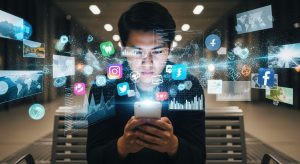
Another major change is that cyberattacks are becoming multi-channel. Instead of relying only on email, attackers now combine messaging apps, phone calls, collaboration tools, social platforms, and even legitimate authentication flows to reach targets. This creates a more realistic and coordinated attack path that is harder for users and security teams to recognize quickly.
AI is also affecting the defensive side of security, because the same technology used by attackers can help defenders detect unusual behavior, analyze threats, and respond faster. But the overall risk is rising because attackers often move faster than organizations can adapt. As a result, cybersecurity teams are being pushed to focus more on prevention, identity verification, and resilience than on detection alone.
Key changes
-
Phishing is becoming more personalized and convincing.
-
Deepfakes are making impersonation attacks more dangerous.
-
Malware is becoming more adaptive and difficult to detect.
-
Attacks are happening across more channels than email alone.
-
Attackers are using AI to move faster than traditional defense teams.
Conclusion
Cyber attacks in the age of AI are faster, smarter, and more scalable than before. That means companies and individuals must become more careful about identity verification, suspicious messages, and security habits.
The future of cyber defense will depend on using AI wisely, improving awareness, and building systems that can stop attacks before they spread. In this new environment, speed matters on both sides, but defense must become more proactive and resilient.extension.
FAQ
How is AI changing cyber attacks?
AI is making attacks more automated, personalized, and difficult to detect by helping attackers create better phishing, deepfakes, malware, and multi-channel campaigns.
What is the most common AI-powered attack?
Phishing is one of the most common because AI can make messages sound more believable and targeted.
Are deepfakes really a cybersecurity threat?
Yes, deepfakes can be used to impersonate leaders, employees, or trusted contacts and trick people into sharing money or information.
Can AI help defenders too?
Yes, AI can help security teams detect threats, analyze patterns, and respond faster, but attackers are also using it aggressively.
Why are AI attacks harder to stop?
They are harder to stop because they can adapt in real time, operate across many channels, and move at machine speed.
What should businesses do now?
Businesses should improve employee awareness, verify identities carefully, strengthen security controls, and prepare for more advanced AI-driven threats.