The Evolution of Gaming: From Pixels to Virtual Worlds

A gamer wearing headphones playing on a PC setup with colorful RGB lights, representing the modern gaming world and digital innovation.

Table of Contents

Introduction

Gaming has transformed from a fun pastime into a global phenomenon that influences art, technology, and communication. What started with pixelated screens in the 1970s has now evolved into lifelike virtual realities and competitive eSports arenas. The gaming industry today is not just entertainment — it’s a culture, a community, and a career path.

The Early Days of Gaming

The first video games were simple yet revolutionary. Games like Pong and Space Invaders introduced people to the joy of digital play. These early arcade and console games laid the foundation for what would become one of the most powerful industries in the world.

The Rise of Console and PC Gaming

With the introduction of consoles like the Nintendo Entertainment System (NES), PlayStation, and Xbox, gaming became a household experience. At the same time, PC gaming brought higher graphics, open worlds, and the rise of online multiplayer experiences — changing the way people connected across the globe.

The Era of Mobile Gaming

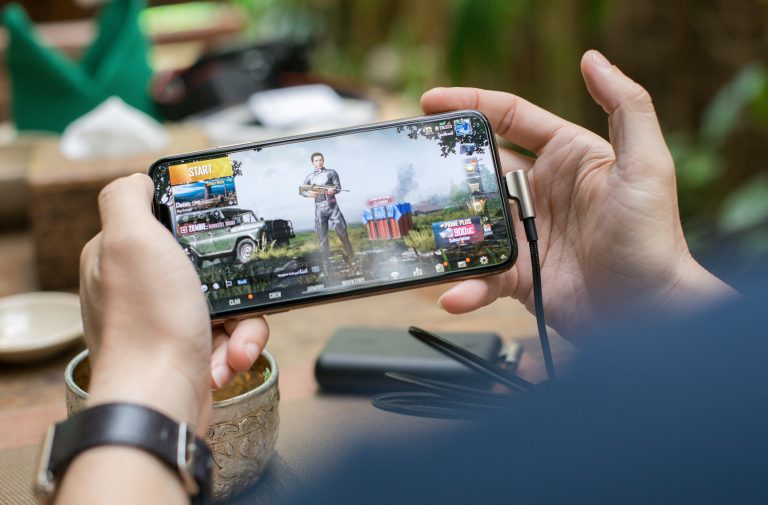
Smartphones made gaming accessible to everyone, everywhere. Games like Candy Crush, PUBG Mobile, and Among Us proved that entertainment could fit in your pocket. Mobile gaming now represents one of the largest segments of the gaming industry.

eSports: Gaming as a Career

What was once a hobby has become a professional career. eSports tournaments fill entire stadiums, with players competing for millions in prize money. Streamers and content creators have built global fanbases through platforms like Twitch and YouTube Gaming — turning passion into profession.

The Future of Gaming

The future of gaming is driven by cutting-edge technologies:

  • Virtual Reality (VR): Immersive experiences that make players feel part of the game world.

  • Augmented Reality (AR): Blending real and digital worlds through smartphones and headsets.

  • Artificial Intelligence (AI): Smarter NPCs and adaptive gameplay.

  • Cloud Gaming: Services like NVIDIA GeForce NOW and Xbox Cloud Gaming let players stream high-quality games without expensive hardware.


Why Gaming Matters

  1. Creativity and Problem Solving: Games encourage strategic thinking and decision-making.

  2. Social Connection: Multiplayer and co-op games help build friendships worldwide.

  3. Career Opportunities: From game design to eSports, the industry offers diverse paths.

  4. Mental Stimulation: Gaming can enhance focus, reflexes, and learning skills when done in moderation.

Conclusion

Gaming has come a long way — from blocky graphics to breathtaking virtual worlds. It’s not just about playing; it’s about storytelling, technology, and human imagination. As we move into the future, gaming will continue to blur the line between reality and fantasy — one pixel at a time.

Picture of Ashish Ranjan

Ashish Ranjan

Read More

Cloud Computing and Technology
Pushkar Pandey

Kubernetes vs Docker Swarm

Kubernetes vs. Docker Swarm: The Definitive Production Orchestration Guide When engineering teams transition from running applications on a single virtual machine to scaling microservices across a distributed cluster, they hit

Read More »
Modern digital wallet app interface on smartphone showing payment cards, balance, QR code scan, and biometric security features for fintech development guide
App Development
priya

How to Build a Digital Wallet App

Introduction How to Build a Digital Wallet App A digital wallet app lets users store payment methods, transfer money, and complete purchases without relying on physical cash or cards, which

Read More »
A futuristic book cover titled “Software Development: An Ultimate Guide for 2026.” It shows two developers working at multiple computer screens in a high-tech environment. Surrounding them are glowing digital elements, including an AI cube, holographic interfaces, and lines of code. In the background, a robotic arm, a rocket launching into the sky, and a modern cityscape emphasize innovation and progress. Bright neon colors (blue, orange, and yellow) create a dynamic, tech-driven atmosphere. Text highlights include “Latest Trends & Technologies,” “AI & Machine Learning,” “Cloud & DevOps,” and “Cybersecurity Strategies.”
Artificial Intelligence
priya

Software Development An Ultimate Guide for 2026

Introduction Software development in 2026 has evolved beyond traditional coding into AI-augmented, security-first engineering that powers intelligent systems across industries. With AI coding assistants handling 40-60% of boilerplate code, developers

Read More »
Scroll to Top