
Introduction
The finance industry is undergoing a transformation fueled by advances in artificial intelligence, with Large Language Models (LLMs) playing a pivotal role. These sophisticated AI models, trained on vast amounts of textual data, have unlocked new opportunities to automate, analyze, and innovate across various financial sectors. Here’s an in-depth look at the benefits, applications, and real-world examples of LLMs in finance.
Explore how TechOTD’s AI services can help your business leverage LLMs and other cutting-edge technologies to drive growth and efficiency.
Benefits of LLMs in Finance
-
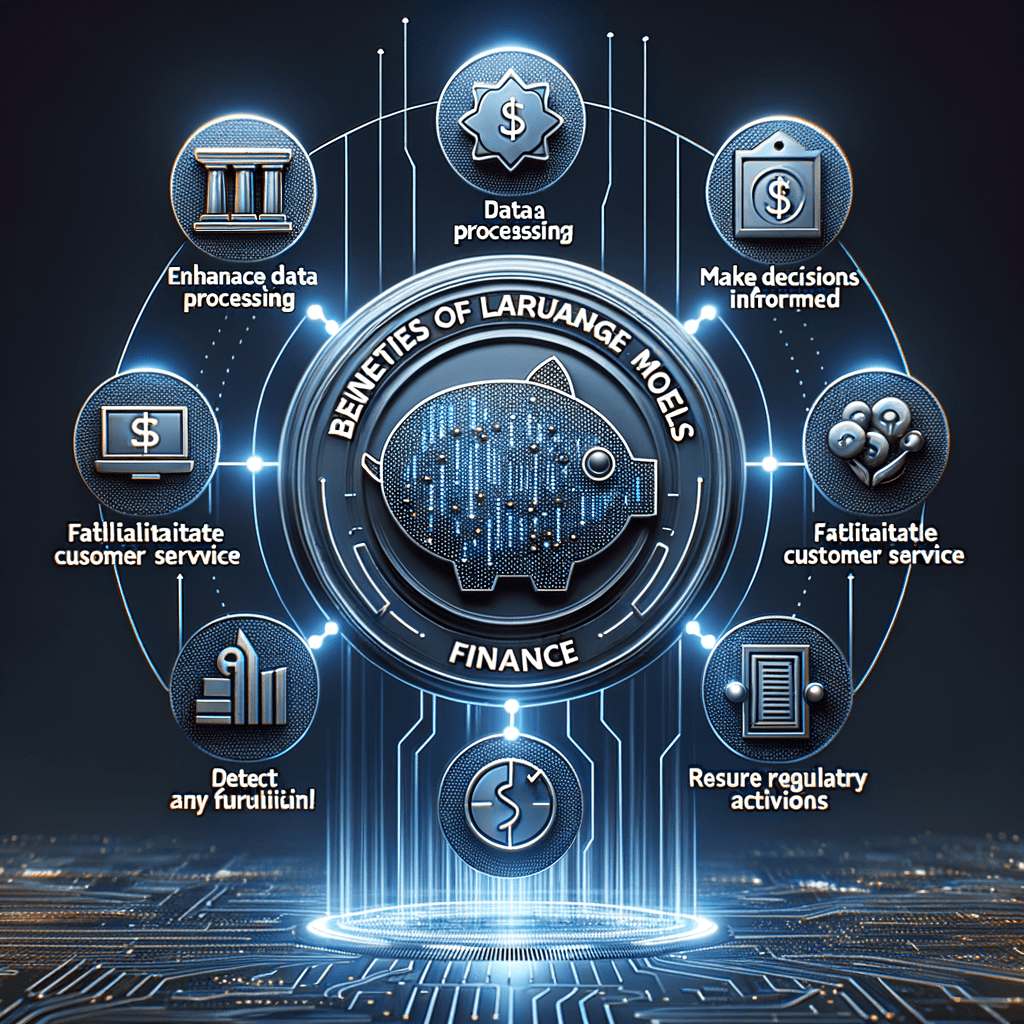
Enhanced Data Processing: LLMs can quickly read, interpret, and summarize massive volumes of financial documents, reports, and news, significantly reducing manual effort.
-
Improved Decision-Making: By extracting insights from unstructured data, LLMs provide a richer context for risk assessment, investment strategies, and compliance monitoring.
-
Automated Customer Support: Chatbots powered by LLMs handle complex, natural conversations, offering personalized assistance 24/7 with high accuracy.
-
Fraud Detection and Risk Management: LLMs analyze patterns and flag suspicious activities beyond standard rule-based systems, increasing security.
-
Regulatory Compliance: Automate the review of regulatory updates, ensuring businesses remain compliant without exhaustive manual checks.
-
Cost Efficiency: Automating document processing, customer inquiries, and report generation reduces operational costs and accelerates turnaround times.
Applications of LLMs in Finance

-
Research & Analytics: LLMs aggregate and interpret market data, earnings reports, and analyst notes to generate actionable insights.
-
Customer Experience: AI-driven virtual assistants personalize banking, investment, and insurance services to individual customer needs.
-
Document Automation: Contracts, loan applications, and policy documents are processed faster and with fewer errors using LLMs.
-
Sentiment Analysis: Monitoring social media and news for sentiment trends helps financial institutions adjust strategies proactively.
-
Portfolio Management: LLMs assist portfolio managers by synthesizing data and simulating scenarios for better asset allocation.
-
Chatbots & Conversational AI: Enhance virtual agents with LLMs to support financial advice, fraud alerts, and routine queries.
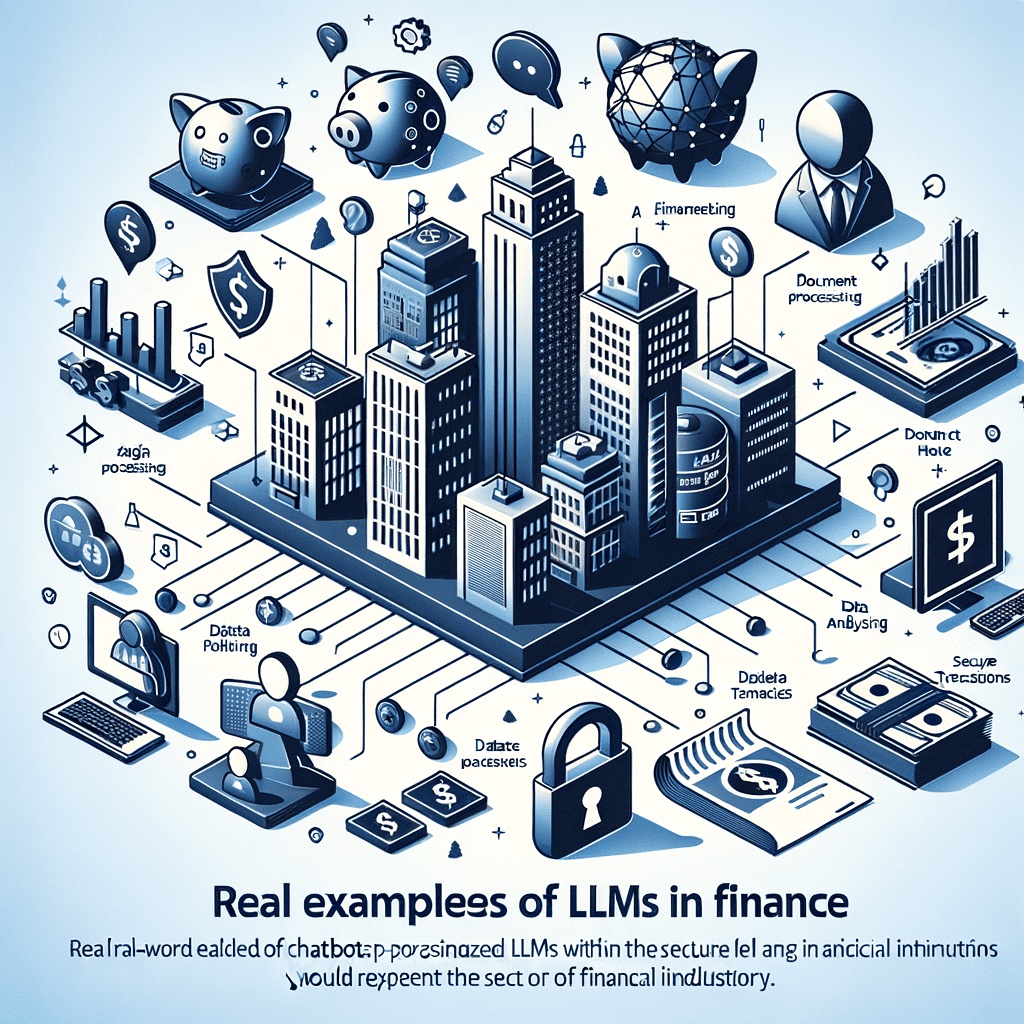
Real Examples of LLMs in Finance
-
JP Morgan Chase: Utilizes LLM-powered chatbots to automate client communications and internal document analysis, saving countless work hours.
-
Goldman Sachs: Applies LLMs for market sentiment analysis, leveraging news and social media data to anticipate market shifts.
-
Bank of America: “Erica” chatbot uses LLM technology to enhance customer interactions, deliver financial advice, and speed up transaction processes.
-
HSBC: Employs LLMs for compliance and regulatory report automation, reducing the risk of penalties.
-
Capital One: Uses natural language processing to analyze customer feedback and improve product offerings rapidly.
Getting Started with LLMs in Your Financial Business

Adopting LLMs requires a strategic approach—from data assessment and model selection to secure deployment and continuous refinement. Partnering with an expert like TechOTD ensures you get customized AI solutions designed for your specific finance needs, backed by secure cloud and software development expertise (TechOTD Services).
FAQ
1. Can LLMs replace human analysts in finance?
LLMs augment analysts by automating routine tasks and providing insights, but human expertise remains crucial for strategic decisions.
2. How secure are LLM implementations in finance?
With proper security protocols, encryption, and compliance standards, LLMs can be deployed safely in financial environments.
3. What types of financial documents can LLMs process?
Contractual agreements, earnings reports, regulatory filings, loan applications, policy documents, and more.
4. Are LLM-powered chatbots suitable for all customer segments?
Yes, they can be trained to handle diverse queries with personalized responses across demographics.
5. How does AI improve compliance in finance?
By quickly analyzing regulatory changes and automating report generation, reducing human errors and audit risks.