
Introduction
In an era where technology evolves rapidly and project demands are unpredictable, IT staff augmentation empowers businesses to scale their tech teams quickly and efficiently.
Rather than enduring the lengthy, costly process of hiring full-time employees, staff augmentation allows you to expand your capabilities with skilled professionals—exactly when and where needed. For organizations looking to innovate or manage fluctuating workloads, this model offers the right blend of flexibility, control, and access to global talent. If you seek reliable digital growth solutions, explore TechOTD, partner with TechOTD, or learn more about their web development services and AI-driven capabilities.
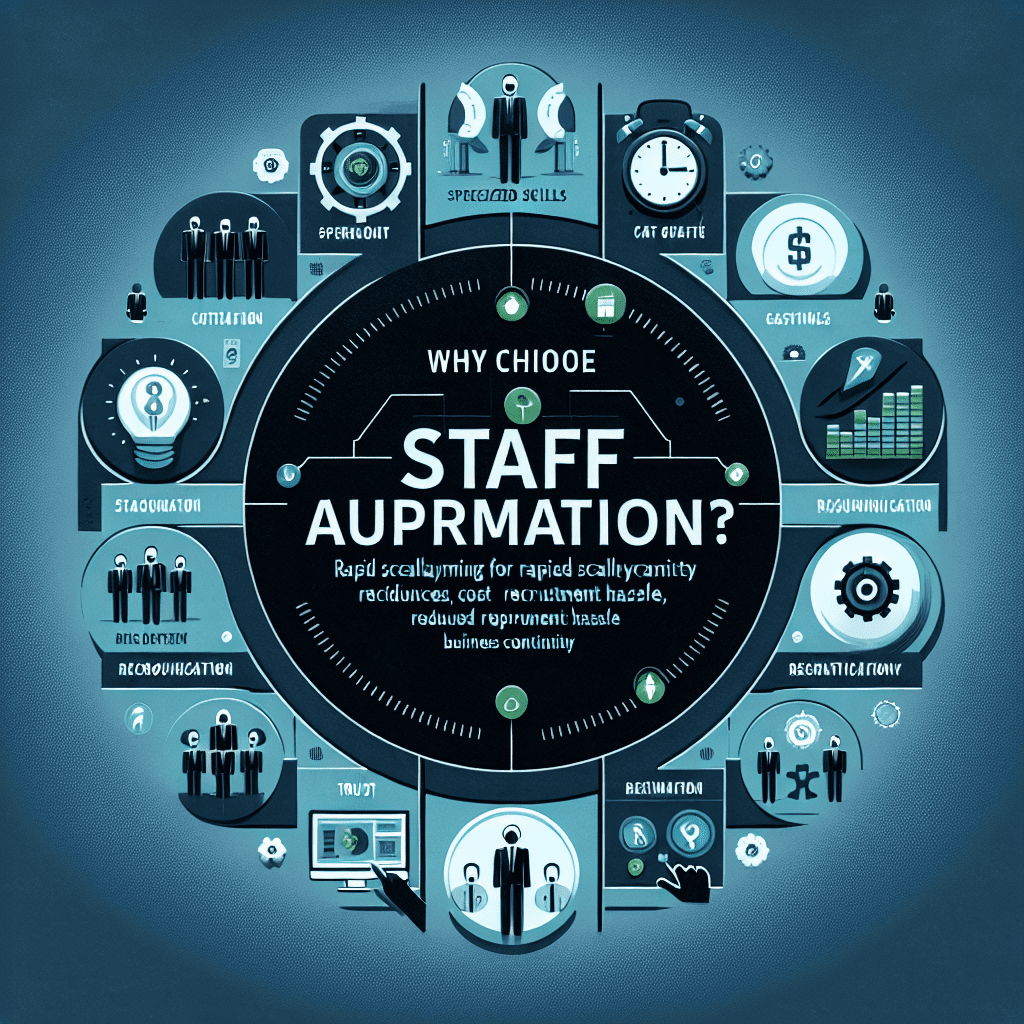
Why Choose Staff Augmentation?
-
Rapid Scalability & Flexibility:
Adjust your workforce instantly to meet dynamic project needs—whether it’s for a major launch, seasonal demands, or unforeseen spikes in workload without long-term commitments. -
Access to Specialized Skills:
Bring in professionals with niche expertise in technologies like AI, cybersecurity, or cloud engineering—skills that may be scarce or expensive to hire full-time. -
Cost Efficiency:
Only pay for what you need. Reduce overhead costs by avoiding full-time salaries, benefits, and training expenses. -
Reduced Recruitment Hassles:
Skip the lengthy hiring cycles—no more endless interviews or onboarding delays. Augmentation partners provide pre-vetted talent who hit the ground running. -
Business Continuity:
Cover for sudden gaps, expand into new markets, or accelerate product timelines without losing operational control. -
Knowledge & Innovation:
Augmented staff often bring modern best practices and fresh perspectives that can spark new ideas and efficiencies.
How to Scale Your Tech Team Effectively

-
Assess Team Needs:
Begin by mapping your team’s current skills and identifying specific gaps for upcoming projects or growth opportunities. -
Define Roles & KPIs:
Set clear expectations—what technology, expertise, and responsibilities are required? Outline measurable goals for both internal and augmented staff. -
Choose the Right Provider:
Partner with an augmentation company that understands your business goals, offers transparent processes, and integrates seamlessly with your workflows. -
Smooth Onboarding:
Integrate augmented professionals through proper onboarding, joint meetings, and shared documentation to ensure alignment and productivity. -
Monitor & Optimize:
Regularly review performance, communicate openly, and adjust team composition as needed for ongoing success and satisfaction.
Overcoming Common Challenges

-
Integrating Teams:
Foster strong communication, provide access to necessary tools, and involve augmented staff in your culture to bridge any collaboration gaps. -
Security & Compliance:
Clearly define security protocols and legal guidelines from the start, ensuring all team members meet your data protection standards. -
Quality Control:
Set KPIs, quality checks, and regular feedback mechanisms for consistent performance. -
Expectation Management:
Clearly communicate the scope, outcomes, and limits of augmented roles to avoid misunderstandings.
Conclusion
Staff augmentation isn’t just a trend—it’s a proven strategy to help your tech team stay innovative, agile, and efficient. With the right approach and reliable partners, you can access global talent, control costs, and tackle complex projects with confidence. For hassle-free scaling and world-class results, discover the offerings at TechOTD, AI services, web development expertise, or consider a strategic partnership.
FAQ
1. What is staff augmentation in tech?
It’s adding skilled external professionals to your in-house team on a temporary basis, filling skill gaps and scaling operations as needed.
2. Is staff augmentation cost-effective?
Yes. It lets you pay only for needed talent, avoiding the cost of full-time salaries, benefits, and lengthy recruitment cycles.
3. Does it work for startups and enterprise companies?
Absolutely. Both startups and large enterprises use staff augmentation for flexibility, project speed, and specialized expertise.
4. How do I integrate augmented staff effectively?
Onboard them like regular employees, set clear roles/KPIs, and foster communication for a seamless workflow.
5. Can staff augmentation help with short-term and long-term projects?
Yes. It’s ideal for project sprints, seasonal spikes, or long-term innovation without full-time commitments.