Introduction
In today’s connected world, nearly every company relies on technology to store data, communicate with customers, process payments, manage employees, and run daily operations. That dependence makes cybersecurity essential, not optional, because every digital interaction creates some level of risk. Whether a business is a small startup or a large enterprise, it holds information that attackers may want, including financial records, customer details, login credentials, and internal documents.
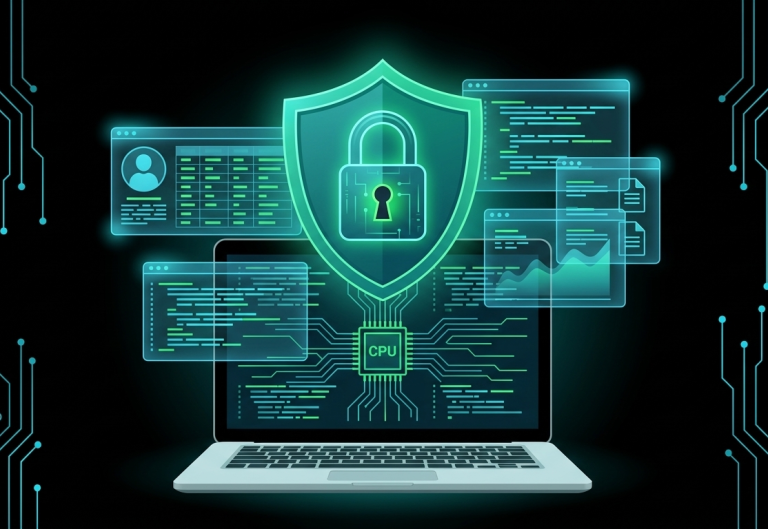
Cybersecurity should be a top priority for every company because modern businesses depend on digital systems, and even one weak point can lead to data loss, downtime, financial damage, and a broken reputation. As cyber threats become more frequent and sophisticated, companies that ignore security are putting both operations and customer trust at risk.
One reason cybersecurity matters so much is that cyberattacks can cause immediate and lasting harm. A breach can shut down systems, interrupt business continuity, expose sensitive information, and lead to expensive recovery efforts. Beyond the technical damage, companies often face legal issues, customer frustration, and reputational loss that can take years to repair.
Cybersecurity is also important because threats are no longer rare or simple. Attackers use phishing, ransomware, credential theft, and other methods that are designed to trick people and exploit weak systems. Many attacks succeed not because companies have no defenses at all, but because employees are not trained well enough or security practices are inconsistent across the organization.
Another major reason to prioritize cybersecurity is trust. Customers, partners, and employees want to know that their data is being handled responsibly. When a company shows that it takes security seriously, it builds confidence and strengthens its brand, but when it suffers a breach, that trust can disappear very quickly.
Cybersecurity also supports growth and innovation. Companies that feel protected are better able to adopt cloud tools, expand digital services, and automate more of their work without creating unnecessary exposure. In other words, strong security is not just about preventing problems; it is about creating a safer foundation for business growth.
Why It Matters
-
It protects sensitive data from theft or misuse.
-
It reduces downtime and supports business continuity.
-
It helps companies avoid financial and legal damage.
-
It strengthens customer trust and brand reputation.
-
It supports safe digital growth and innovation.
Conclusion
Cybersecurity should be a priority for every company because the cost of ignoring it is far higher than the cost of prevention. A strong security posture protects data, keeps operations running, and helps businesses maintain the trust they depend on.
The companies that treat cybersecurity as part of their business strategy, not just an IT issue, are better prepared for the future. In a world where threats keep evolving, security is one of the smartest investments a business can make.
FAQ
Why is cybersecurity important for every company?
Cybersecurity is important because every company stores data, uses digital tools, and faces cyber risks that can lead to loss, downtime, and reputational harm.online.
What happens if a company ignores cybersecurity?
A company may face data breaches, system outages, financial losses, legal problems, and a decline in customer trust.
Is cybersecurity only important for large companies?
No, small businesses are also targeted because attackers often look for weaker defenses.
How does cybersecurity build customer trust?
It shows customers that their data is protected and that the company is serious about responsibility and safety.
What is one of the biggest cybersecurity risks?
Phishing and ransomware are among the most common risks because they target both people and systems.
How can companies improve cybersecurity?
They can train employees, update systems, use strong access controls, and create a clear response plan for incidents.