The Future of Wearable Technology: Beyond Smartwatches
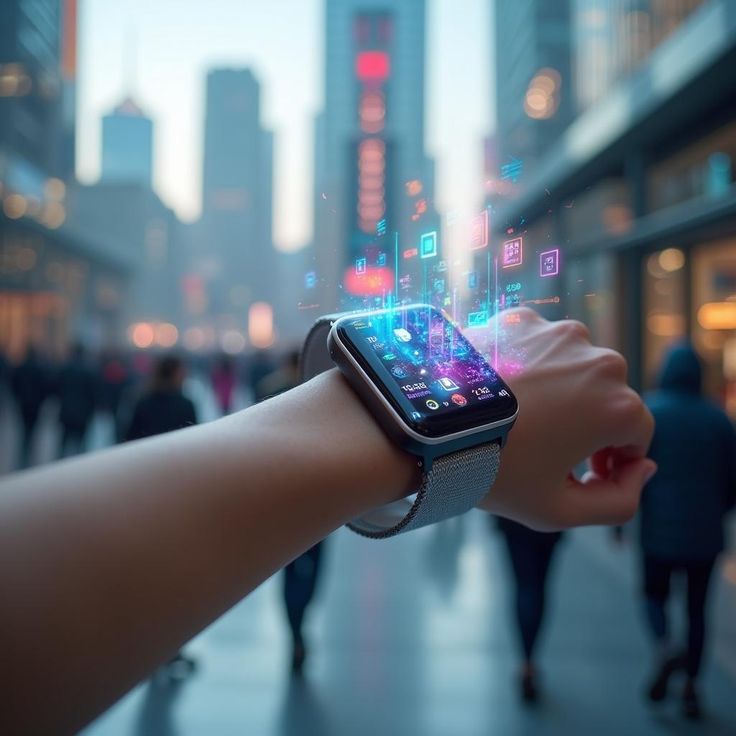
Wearable technology has become a major part of modern life. Just a decade ago, wearable devices were mostly limited to fitness bands that counted steps and tracked basic activity. Today, smartwatches can monitor heart rates, detect falls, measure blood oxygen levels, and even perform electrocardiograms. However, the wearable technology industry is rapidly moving beyond smartwatches.
In 2026, the next generation of wearable devices is transforming how people interact with technology, manage their health, communicate, and experience the digital world. From smart glasses and AI-powered assistants to smart clothing and health-monitoring patches, wearable technology is becoming more intelligent, less intrusive, and more integrated into everyday life.
As advancements in artificial intelligence, sensors, connectivity, and materials science continue to accelerate, the future of wearable technology promises experiences that were once considered science fiction.
The Evolution of Wearable Technology
The journey of wearable technology began with simple devices designed to track physical activity. Over time, improvements in miniaturization, battery efficiency, and wireless communication allowed manufacturers to create more sophisticated products.
The first wave of wearables focused on fitness tracking. The second wave introduced smartwatches capable of delivering notifications, supporting mobile payments, and monitoring health metrics. Today, the industry is entering its third wave, where wearable devices are becoming proactive companions rather than passive tools.
Modern wearables are increasingly capable of understanding user behavior, predicting needs, and providing personalized recommendations through artificial intelligence. Instead of simply collecting data, future wearables will help users make informed decisions about their health, productivity, and daily routines.
Why the Smartwatch Is No Longer the Center of Innovation
Although smartwatches remain popular, they face several limitations. Small screens restrict user interactions, battery life remains a challenge, and constant notifications can contribute to digital fatigue.
Technology companies are now exploring alternative wearable formats that provide richer experiences while reducing dependence on smartphones and traditional screen-based interfaces.
The goal is not to replace smartwatches entirely but to create an ecosystem of specialized wearable devices that work together seamlessly.
Smart Glasses: The Next Major Computing Platform
One of the most promising developments in wearable technology is the rise of smart glasses.
Unlike traditional screens that require users to look down at a phone or smartwatch, smart glasses place information directly within the user’s field of vision. This creates a more natural and immersive way of interacting with digital content.
Future smart glasses are expected to offer:
- Real-time navigation overlays
- Instant language translation
- Hands-free communication
- AI-powered personal assistance
- Enhanced workplace productivity
- Augmented reality experiences
Advancements in display technology are making smart glasses lighter, more stylish, and more practical for everyday use. As battery performance improves and artificial intelligence becomes more capable, smart glasses could eventually become the primary interface for digital interactions.
AI-Powered Wearables Are Becoming Personal Assistants
Artificial intelligence is rapidly becoming the driving force behind wearable innovation.
Future wearable devices will do far more than collect information. They will analyze behavior patterns, understand user preferences, and proactively offer assistance.
Imagine a wearable device that:
- Detects signs of stress before you notice them
- Suggests breaks during long work sessions
- Provides personalized fitness coaching
- Recommends dietary adjustments
- Schedules meetings based on energy levels
- Offers contextual information during conversations
These capabilities are becoming possible through advanced machine learning models that process data directly on devices or through secure cloud platforms.
AI-powered wearables are transforming technology from a reactive tool into a proactive companion.
The Rise of Smart Clothing
Smart clothing is emerging as one of the most exciting areas of wearable technology.
Instead of wearing separate devices, users may soon wear garments embedded with intelligent sensors. These textiles can continuously monitor various physiological and environmental conditions without requiring additional accessories.
Potential applications include:
- Heart rate monitoring
- Respiratory tracking
- Muscle activity analysis
- Posture correction
- Temperature regulation
- Athletic performance optimization
For athletes, smart clothing can provide detailed performance insights. For healthcare providers, it can enable continuous patient monitoring. For everyday users, it can offer health tracking without the inconvenience of multiple devices.
As flexible electronics become more affordable, smart clothing could become a mainstream technology over the next decade.
Wearable Health Technology Is Revolutionizing Healthcare
Healthcare remains one of the most impactful applications of wearable technology.
Current wearable devices already track:
- Heart rate
- Sleep quality
- Blood oxygen levels
- Physical activity
- Stress indicators
Future generations of wearables are expected to monitor even more advanced health metrics, including:
- Continuous blood pressure tracking
- Non-invasive glucose monitoring
- Hydration levels
- Early disease detection
- Respiratory health indicators
- Mental wellness metrics
Continuous monitoring allows healthcare professionals to identify health risks before symptoms become severe. This shift from reactive healthcare to preventive healthcare has the potential to improve outcomes while reducing medical costs.
Wearable health technology could become a critical component of personalized medicine in the coming years.
Smart Rings Are Gaining Popularity
Smart rings represent another growing category within wearable technology.
These compact devices provide many of the same benefits as smartwatches while offering a more discreet form factor.
Modern smart rings can track:
- Sleep patterns
- Activity levels
- Heart rate variability
- Stress levels
- Recovery metrics
Because they are lightweight and comfortable, smart rings appeal to users who prefer minimalistic technology.
As sensor technology continues to improve, smart rings may become powerful health-monitoring tools capable of delivering highly accurate biometric data.
Brain-Computer Interfaces and Neural Wearables
Perhaps the most futuristic area of wearable technology involves brain-computer interfaces (BCIs).
These systems allow direct communication between the human brain and digital devices.
Although still in the early stages of development, neural wearables could eventually enable:
- Hands-free device control
- Enhanced accessibility for people with disabilities
- Faster communication
- Advanced gaming experiences
- Cognitive monitoring
- Personalized learning systems
Researchers and technology companies are investing heavily in this field because of its potential to redefine human-computer interaction.
While widespread adoption may still be years away, neural wearables represent one of the most transformative possibilities for the future.
Wearable Technology in the Workplace
Businesses are increasingly adopting wearable technology to improve productivity, safety, and efficiency.
Industrial wearables can help workers by:
- Providing real-time instructions
- Monitoring fatigue levels
- Enhancing workplace safety
- Supporting remote collaboration
- Improving operational efficiency
In manufacturing environments, augmented reality glasses can guide technicians through complex procedures. In logistics operations, wearable devices can streamline inventory management and reduce errors.
As Industry 5.0 emphasizes collaboration between humans and intelligent systems, workplace wearables will become increasingly valuable.
Sports and Fitness Wearables Are Becoming Smarter
The sports industry has always embraced wearable innovation.
Future fitness wearables will move beyond simple step counting and calorie tracking. They will deliver advanced performance analytics powered by artificial intelligence.
Athletes will gain insights into:
- Muscle fatigue
- Recovery readiness
- Injury risk
- Movement efficiency
- Training optimization
- Hydration requirements
Professional sports organizations are already leveraging wearable technology to enhance athlete performance and reduce injury rates.
As these technologies become more affordable, similar capabilities will become available to everyday fitness enthusiasts.
The Role of Augmented Reality in Wearables
Augmented reality (AR) is expected to play a central role in the future of wearable technology.
AR overlays digital information onto the physical world, creating interactive experiences without isolating users from their surroundings.
Potential applications include:
- Education and training
- Healthcare visualization
- Navigation assistance
- Remote collaboration
- Retail experiences
- Entertainment
When combined with artificial intelligence, AR-enabled wearables can provide context-aware information precisely when users need it.
This seamless integration of digital and physical environments may fundamentally change how people access and consume information.
Privacy and Security Challenges
Despite their benefits, wearable technologies raise important privacy concerns.
Wearables collect large amounts of sensitive personal data, including:
- Health information
- Location data
- Behavioral patterns
- Communication records
As wearable adoption grows, protecting user privacy becomes increasingly important.
Technology companies must focus on:
- Strong encryption
- Transparent data policies
- User-controlled permissions
- Secure cloud storage
- On-device AI processing
Building trust will be essential for the long-term success of next-generation wearable devices.
Sustainability in Wearable Technology
Environmental sustainability is becoming a priority across the technology sector.
Future wearable devices are expected to incorporate:
- Recyclable materials
- Energy-efficient components
- Sustainable manufacturing practices
- Longer product lifecycles
- Reduced electronic waste
Researchers are even exploring self-powered wearables that generate energy from body heat, movement, or solar exposure.
These innovations could significantly reduce the environmental impact of wearable technology while improving device longevity.
What the Future Holds
The future of wearable technology extends far beyond smartwatches. The next decade will likely bring a diverse ecosystem of intelligent devices designed to enhance every aspect of human life.
Smart glasses will deliver immersive digital experiences. Smart clothing will transform health monitoring. AI-powered assistants will become deeply personalized. Brain-computer interfaces may redefine communication itself.
As technology becomes more seamlessly integrated into everyday objects, wearables will gradually fade into the background while becoming more powerful and useful.
Rather than carrying technology in our hands, we will increasingly wear it, interact with it naturally, and rely on it to support our health, productivity, and well-being.
Conclusion
Wearable technology is entering an exciting new era. While smartwatches helped introduce millions of people to connected devices, they are only the beginning of a much larger transformation. Innovations in artificial intelligence, augmented reality, smart textiles, health monitoring, and neural interfaces are expanding the possibilities of what wearable devices can achieve.
As these technologies continue to mature, wearables will become smarter, more personalized, and more integrated into daily life. The future is not simply about wearing technology—it is about creating a seamless connection between humans and the digital world. Organizations, consumers, and innovators who embrace this evolution will be well-positioned to benefit from the next wave of technological advancement.