Introduction:-
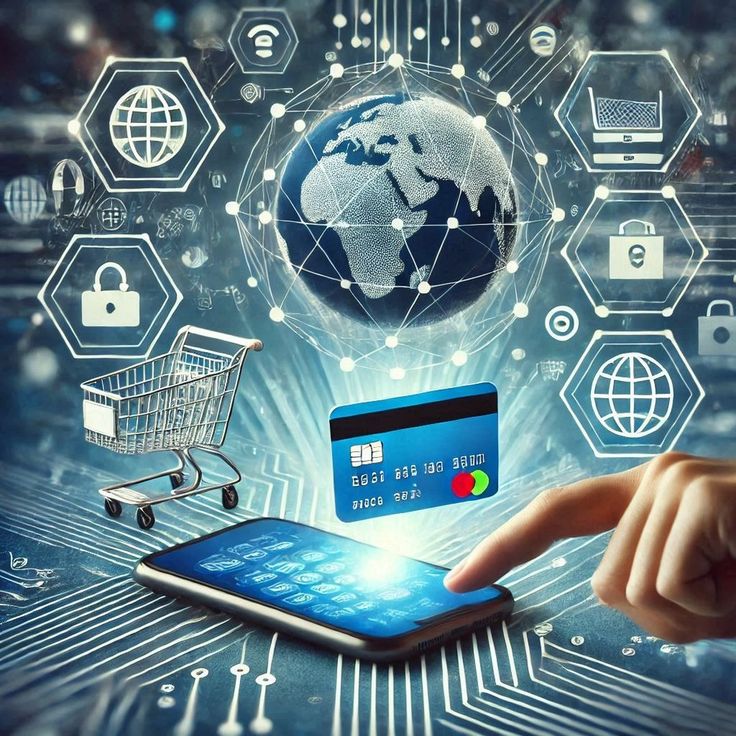
We are living in an era where the physical wallet is becoming a relic of the past. As we move through 2026, the smartphone has officially become the primary financial hub for the global population. From tap-to-pay transit systems in London to QR-code street vendors in Mumbai, mobile payment apps are the invisible engine of modern commerce.
For developers and entrepreneurs at techotd.com, building a mobile payment app is no longer just about moving money from Point A to Point B. It is about creating a secure, frictionless, and intelligent financial ecosystem.
1. The 2026 Mobile Payment Landscape: More Than Just “Tap-to-Pay”
In 2026, the market has moved beyond basic NFC (Near Field Communication) transactions. We are seeing a convergence of traditional banking and decentralized finance.
-
Super-Apps: Influenced by platforms like WeChat and AliPay, Western apps are now integrating social messaging, e-commerce, and bill payments into a single interface.
-
Biometric Dominance: Passwords are dead. 2026 payment apps rely on “continuous biometrics,” using palm-vein scanning or iris recognition to authorize high-value transfers instantly.
2. Key Features of a Successful Payment App
To compete in the current market, your app needs to offer more than the standard “send and receive” functionality.
-
Virtual Card Provisioning: Allow users to generate one-time-use virtual cards for online shopping to prevent fraud.
-
Real-Time Analytics: Use AI to categorize spending and provide users with “Financial Health” scores.
-
Cross-Border Remittance: Integration with blockchain rails for near-instant, low-fee international transfers.
3. The Tech Stack: Building for Speed and Scale
In 2026, React Native and Flutter remain the dominant choices for cross-platform development, but the backend is where the real innovation happens.
-
Microservices Architecture: Ensure your app can scale by breaking down functions (authentication, transaction processing, notifications) into independent services.
-
Cloud-Native Databases: Use distributed databases like CockroachDB or AWS Aurora to ensure 99.999% uptime, as even a minute of downtime in a payment app is a disaster.
4. Security: The Non-Negotiable Pillar
As you’ve seen in our cybersecurity section, threats are more sophisticated than ever.
-
Tokenization: Never store actual card numbers. Replace sensitive data with unique “tokens” that are useless to hackers if intercepted.
-
Zero-Trust Identity: Every transaction must be verified through multi-factor authentication (MFA) and device fingerprinting.
-
AI Fraud Detection: Implement machine learning models that analyze user behavior (like typing rhythm or typical location) to flag suspicious activity before a transaction is even completed.
5. Regulatory Compliance and PCI-DSS
You cannot build a payment app in a vacuum. You must navigate a complex web of regulations:
-
PCI-DSS Level 1: The gold standard for handling credit card data.
-
GDPR/CCPA: Strict adherence to data privacy laws is essential, especially when handling financial records.
-
PSD2/Open Banking: In 2026, apps must be built to share data securely with other financial institutions via standardized APIs.
6. Conclusion: Winning the FinTech Race
The success of a mobile payment app in 2026 depends on one thing: Trust. By combining a “Security-First” mindset with a “User-First” design, you can build an app that doesn’t just process payments, but becomes an indispensable part of your user’s daily life.
From Connectivity to Autonomy: The Evolution of IoT in 2026