The Evolution of Education and Learning in the Digital Age
Education has always been the cornerstone of human progress, but the way we learn and teach has undergone remarkable transformations in recent years. As we navigate through the digital age, the traditional classroom model is being challenged, expanded, and reimagined in ways that would have seemed impossible just a generation ago.
The Shifting Landscape of Modern Education
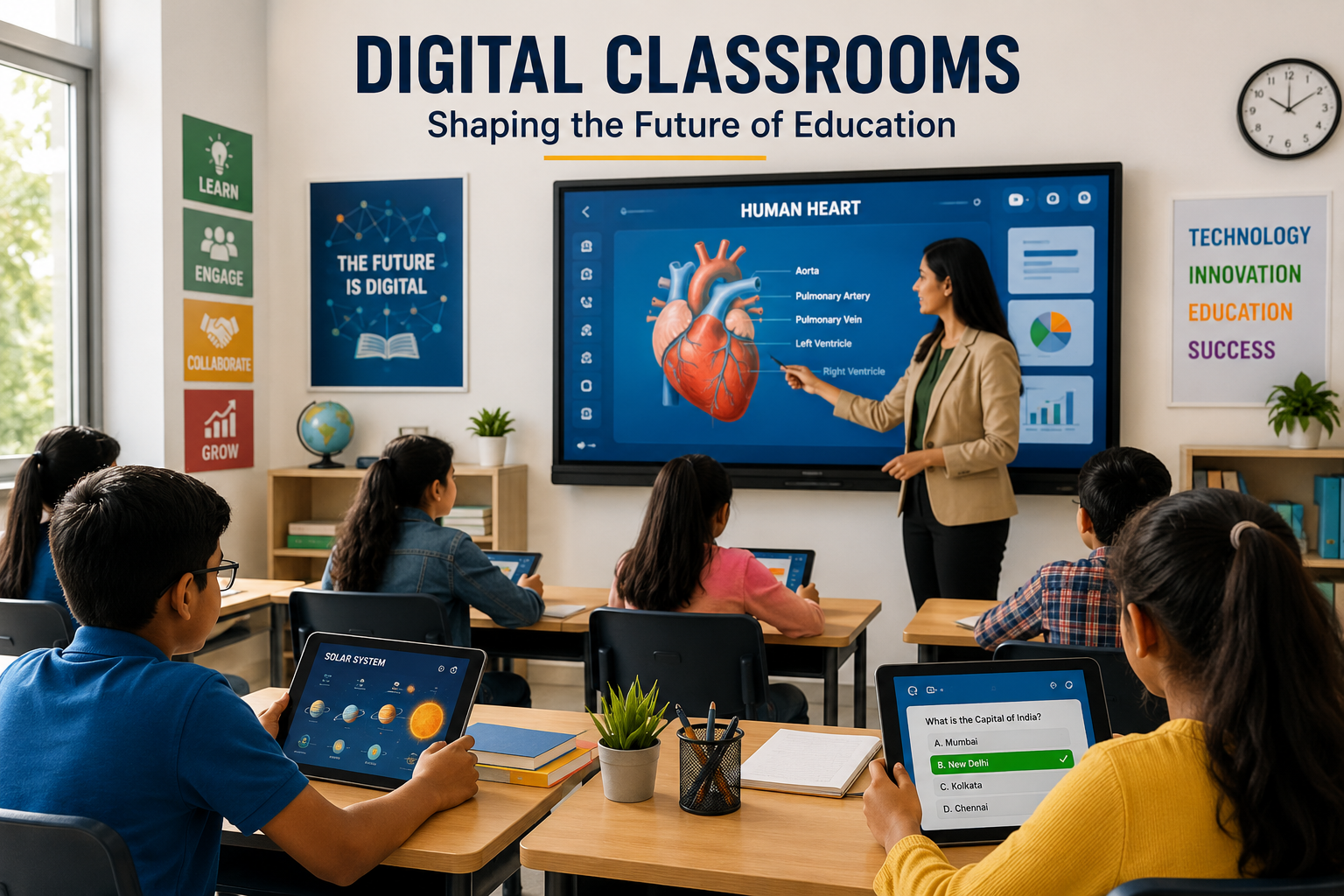
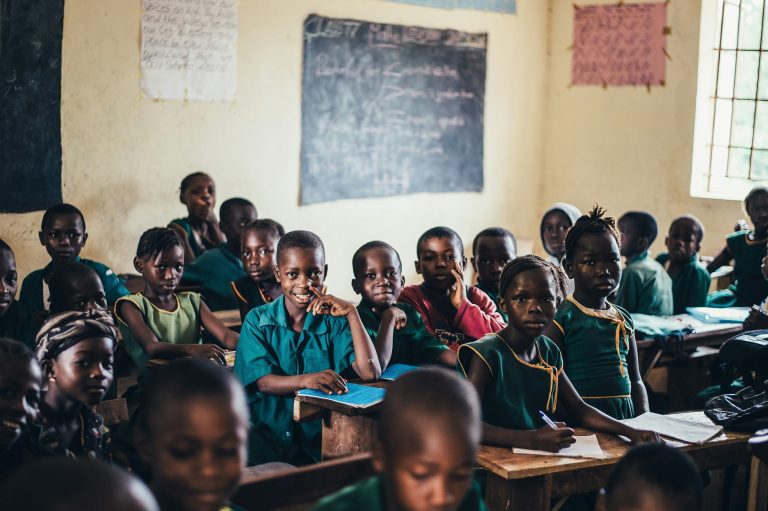
Gone are the days when education was confined to four walls and a chalkboard. Today’s learners have access to an unprecedented wealth of knowledge at their fingertips. Online courses, interactive platforms, virtual reality experiences, and artificial intelligence tutors are revolutionizing how we acquire and retain information. This democratization of education has opened doors for millions of people worldwide who previously lacked access to quality learning resources.
The COVID-19 pandemic accelerated this digital transformation, forcing educational institutions to adapt rapidly. What started as an emergency response has evolved into a hybrid model that combines the best of both traditional and digital learning environments. Students can now attend lectures from world-renowned professors without leaving their homes, collaborate with peers across continents, and learn at their own pace.
Personalized Learning: The Future is Individual
One of the most exciting developments in modern education is the shift toward personalized learning. Traditional education often followed a one-size-fits-all approach, but we now understand that each learner has unique strengths, weaknesses, interests, and learning styles. Advanced algorithms and adaptive learning technologies can now tailor educational content to individual needs, adjusting difficulty levels, pacing, and teaching methods in real time.
Key Benefits of Personalized Learning:
Students progress at their own pace, ensuring mastery before moving forward. Learning materials adapt to individual strengths and address specific weaknesses. Engagement increases when content aligns with personal interests and goals. Immediate feedback helps learners understand mistakes and correct them quickly.
Lifelong Learning: Education Beyond the Classroom
The concept of education as something that ends with graduation is becoming obsolete. In today’s rapidly changing world, continuous learning is not just beneficial but essential. The skills that are relevant today may become outdated tomorrow, making lifelong learning a necessity rather than a luxury.
Professionals are increasingly returning to education throughout their careers, whether through micro-credentials, online certifications, or short courses that help them stay competitive. This shift has led to the rise of bite-sized learning modules, podcasts, webinars, and other flexible formats that fit into busy schedules.
“Education is not preparation for life; education is life itself.” – John Dewey
The Role of Technology in Learning
Technology has become an integral part of the educational ecosystem, but it’s important to remember that it’s a tool, not a replacement for quality teaching. The most effective educational approaches combine technological innovation with human connection and guidance. Teachers remain essential, but their roles are evolving from information dispensers to facilitators, mentors, and guides who help students navigate the vast ocean of available knowledge.
Artificial intelligence, virtual reality, gamification, and collaborative online platforms are enhancing the learning experience in meaningful ways. Virtual reality can transport students to ancient Rome or inside a human cell. Gamification makes learning engaging and fun. AI-powered tools provide instant feedback and personalized recommendations. These technologies don’t replace traditional learning but enhance and expand it.
Challenges and Considerations
Despite the tremendous opportunities, the digital transformation of education also presents challenges. The digital divide remains a significant concern, with many students lacking access to reliable internet connections or devices. Screen fatigue, reduced social interaction, and the need for self-discipline in online learning environments are real issues that need addressing.
Additionally, the abundance of information available online makes critical thinking and media literacy more important than ever. Students need to learn not just facts but how to evaluate sources, distinguish reliable information from misinformation, and think analytically about what they encounter.
Looking Ahead
The future of education is bright, diverse, and dynamic. As we continue to innovate and adapt, the focus must remain on creating inclusive, effective, and engaging learning experiences that prepare students not just for jobs, but for life. Education should foster creativity, critical thinking, emotional intelligence, and adaptability alongside traditional academic knowledge.
Whether through traditional classrooms, online platforms, hybrid models, or technologies we haven’t yet imagined, the fundamental goal remains the same: empowering individuals to reach their full potential and contribute meaningfully to society. As educators, learners, and stakeholders in the educational ecosystem, we all have a role to play in shaping this exciting future.
Conclusion
Education and learning are the keys to unlocking human potential. They empower us to build a world of innovation, equality, and hope. As Nelson Mandela once said, “Education is the most powerful weapon which you can use to change the world.”
Keep learning, keep growing — because the journey of education never truly ends.