Introduction
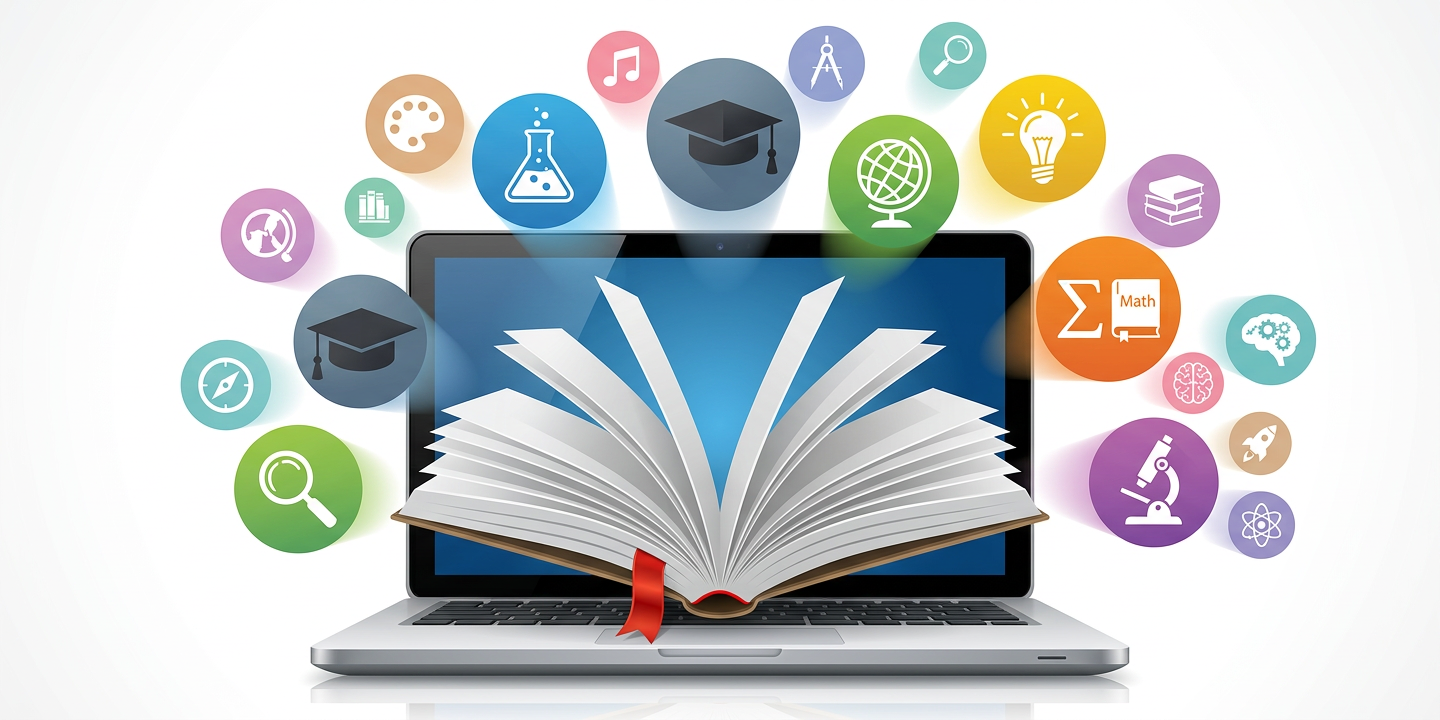
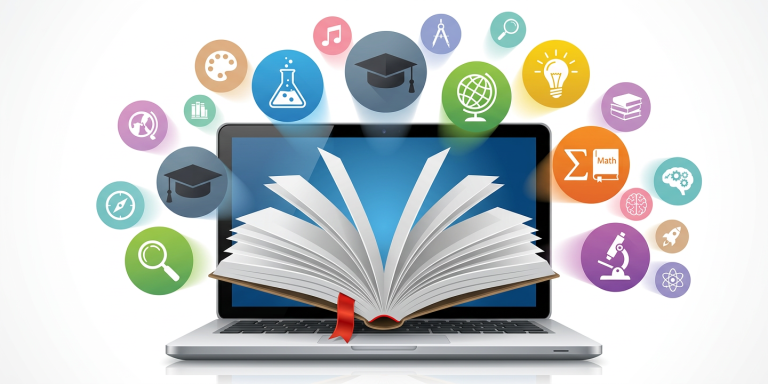
Lifelong learning means pursuing knowledge and skills throughout your entire life, not just during school or early career years. In April 2026, with AI reshaping jobs every 18 months and global data volumes exploding, continuous education has become essential for personal growth, career security, and adapting to rapid change.
This approach builds resilience, boosts earning potential by 20-30% on average, and enhances well-being through cognitive sharpness and new opportunities. Whether through online courses, workshops, or self-study, embracing lifelong education equips you to thrive in an unpredictable world where yesterday’s skills quickly become obsolete.
Imagine finishing school or university, landing your dream job, and thinking, “That’s it—I’ve learned everything I need.” In today’s world, that mindset leads to stagnation. Lifelong learning—the ongoing pursuit of knowledge and skills beyond formal education—has never been more vital. It’s the quiet force driving personal fulfillment, career longevity, and societal progress in an era of relentless change.
As of April 2026, AI tools automate routine tasks, jobs evolve every 18-24 months, and the global lifelong education market surges at 8-10% CAGR, projected to unlock trillions in economic value. Yet participation lags: only 45% of adults engage in any education, with just 8% in formal programs and 40% in non-formal courses or training. Higher earners and urban dwellers lead, but everyone benefits—lifelong learners report 25% higher life satisfaction, 20-30% better earnings, and 40% lower dementia risk.
This isn’t abstract—consider a 50-year-old marketer mastering prompt engineering in weeks, landing a high-demand AI role, or a retiree diving into languages, staving off isolation. Barriers like time scarcity or motivation fade with modern tools: 15-minute micro-lessons, AI-personalized paths, gamified apps, and free resources democratize access. Lifelong learning means pursuing knowledge and skills throughout your entire life, not just during school or early career years. In April 2026, with AI reshaping jobs every 18 months and global data volumes exploding, continuous education has become essential for personal growth, career security, and adapting to rapid change.
Why does learning never end? Rapid tech shifts like generative AI demand constant upskilling, while economic pressures favor adaptable workers who pivot seamlessly. This isn’t about cramming degrees; it’s embracing curiosity through micro-courses, podcasts, workshops, or hands-on projects. Lifelong education builds resilience, sharpens cognition, and opens doors—turning uncertainty into opportunity. In a world creating 181 zettabytes of data yearly, those who stop learning risk obsolescence; those who persist unlock endless potential.
Cognitive and Health Benefits
Ongoing learning keeps your brain active, reducing dementia risk by up to 40% and sharpening problem-solving as you age. It fosters neuroplasticity—the brain’s ability to form new connections—leading to better memory, focus, and mental agility even into your 70s and beyond.
-
Studies show lifelong learners report 25% higher life satisfaction and lower stress levels.
-
Regular skill-building combats cognitive decline, similar to physical exercise for muscles.
-
In the AI era, human creativity and adaptability remain irreplaceable advantages.
Career and Economic Advantages
Continuous education correlates with 10-15% higher salaries and faster promotions, as employers prioritize adaptable workers over static expertise. With 85 million jobs shifting due to automation by 2025, upskilling in AI, data analysis, or soft skills like emotional intelligence ensures job security and new opportunities.
Professionals engaging in lifelong learning switch careers successfully 2.5 times more often, turning disruptions into growth. OECD data reveals adults in formal learning programs earn 16% more on average.
Personal Growth and Adaptability
Lifelong learning expands worldviews, builds confidence, and sparks curiosity that enriches relationships and hobbies. It encourages a growth mindset, where challenges become exciting puzzles rather than threats.
In 2026, digital platforms make this accessible: micro-credentials, AI tutors, and VR simulations let anyone learn coding, languages, or leadership at their pace, anytime.
Challenges and Solutions
While time constraints and motivation dips pose barriers, low participation rates—only 8% of OECD adults in formal programs—highlight the gap. Solutions include bite-sized courses (15 minutes daily), accountability partners, and gamified apps that make learning addictive.
Conclusion
Lifelong education isn’t optional—it’s the key to fulfillment, resilience, and success in a world of constant flux. Commit to one new skill quarterly,
Start today: Enroll in a short course and unlock doors you didn’t know existed.
FAQ
What exactly is lifelong learning?
Pursuing education and skill development beyond formal schooling, through self-directed or structured activities at any age.
Why is lifelong learning crucial in 2026?
AI and tech changes demand constant upskilling for job security, with learners earning 10-30% more and adapting 2x faster.
How does lifelong learning improve health?
It boosts brain plasticity, cuts dementia risk by 40%, and raises life satisfaction by 25%.
What are easy ways to start lifelong learning?
Micro-courses, podcasts, apps like Duolingo, or 15-minute daily habits on platforms like edX.
Does lifelong learning guarantee career success?
It greatly increases chances—lifelong learners promote faster and switch jobs successfully more often