Introduction
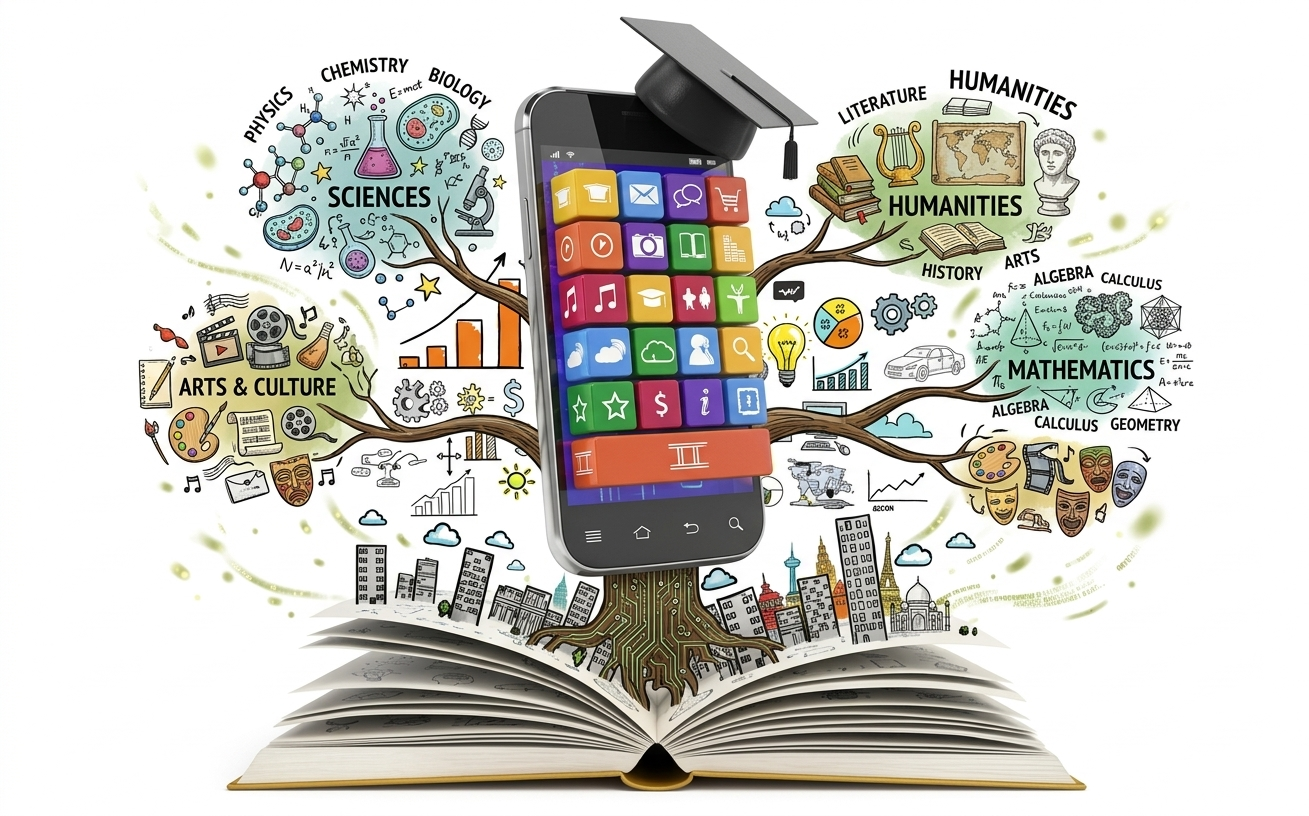
Mobile apps have transformed education by putting personalized, interactive learning directly into students’ pockets, making knowledge accessible 24/7 regardless of location or schedule. With over 80% of students now using smartphones daily for study, these apps deliver gamified lessons, AI-driven personalization, and real-time feedback that boost engagement by up to 75% compared to traditional methods.
In a world where attention spans average just 8 seconds, mobile apps turn passive reading into active experiences through quizzes, AR simulations, and bite-sized modules that fit busy lives. From K-12 math drills to professional certifications, the role of mobile apps in learning is creating flexible, inclusive education that adapts to individual needs and drives better outcomes.
Accessibility Anytime, Anywhere
Mobile apps break down barriers by enabling learning during commutes, breaks, or remote areas with offline access. Students download courses for airplane mode study, while low-data modes serve budget users in developing regions.
Key benefits include:
-
24/7 access without classroom schedules.
-
Offline content for unreliable internet.
-
Multi-device sync across phone, tablet, laptop.
-
Global reach through multi-language support.
Personalized Learning Paths
AI analyzes performance to customize difficulty, pacing, and content recommendations. Apps like Duolingo adjust lessons daily, while Khan Academy identifies skill gaps and suggests targeted practice.
Personalization delivers:
-
Adaptive quizzes scaling with proficiency.
-
Real-time feedback on mistakes.
-
Learning style matching (visual, auditory, kinesthetic).
-
Progress predictions for early intervention.
Gamification Boosts Engagement
Badges, streaks, leaderboards, and rewards make studying addictive. Interactive AR experiments and multiplayer quizzes increase completion rates by 45%, turning “boring” subjects into games.
Engagement tactics:
-
Daily challenges with instant rewards.
-
Global competitions via leaderboards.
-
AR/VR simulations for hands-on practice.
-
Motivational push notifications.
Teacher and Admin Tools
Educators access analytics dashboards, automated grading, attendance tracking, and parent portals. Apps save teachers 20+ hours weekly on admin tasks, focusing them on instruction.
Tools for professionals:
-
Real-time class performance insights.
-
Assignment distribution and grading.
-
Parent communication channels.
-
Lesson planning templates.
Data Comparison
Proven Statistics
-
87% higher motivation with gamified apps.
-
300% K-12 adoption growth post-2020.
-
Corporate training ROI up 50%.
-
70% faster course completion vs. desktop.
Challenges Overcome
Distractions: Built-in focus timers and parental controls.
Digital Divide: Offline/low-data options.
Quality Control: Curated, curriculum-aligned content.
Top Apps for 2026
-
Duolingo – Gamified languages.
-
Khan Academy – Free K-12 courses.
-
Coursera – Certifications.
-
Quizlet – Flashcards.
-
Photomath – Math solver.
Emerging Trends
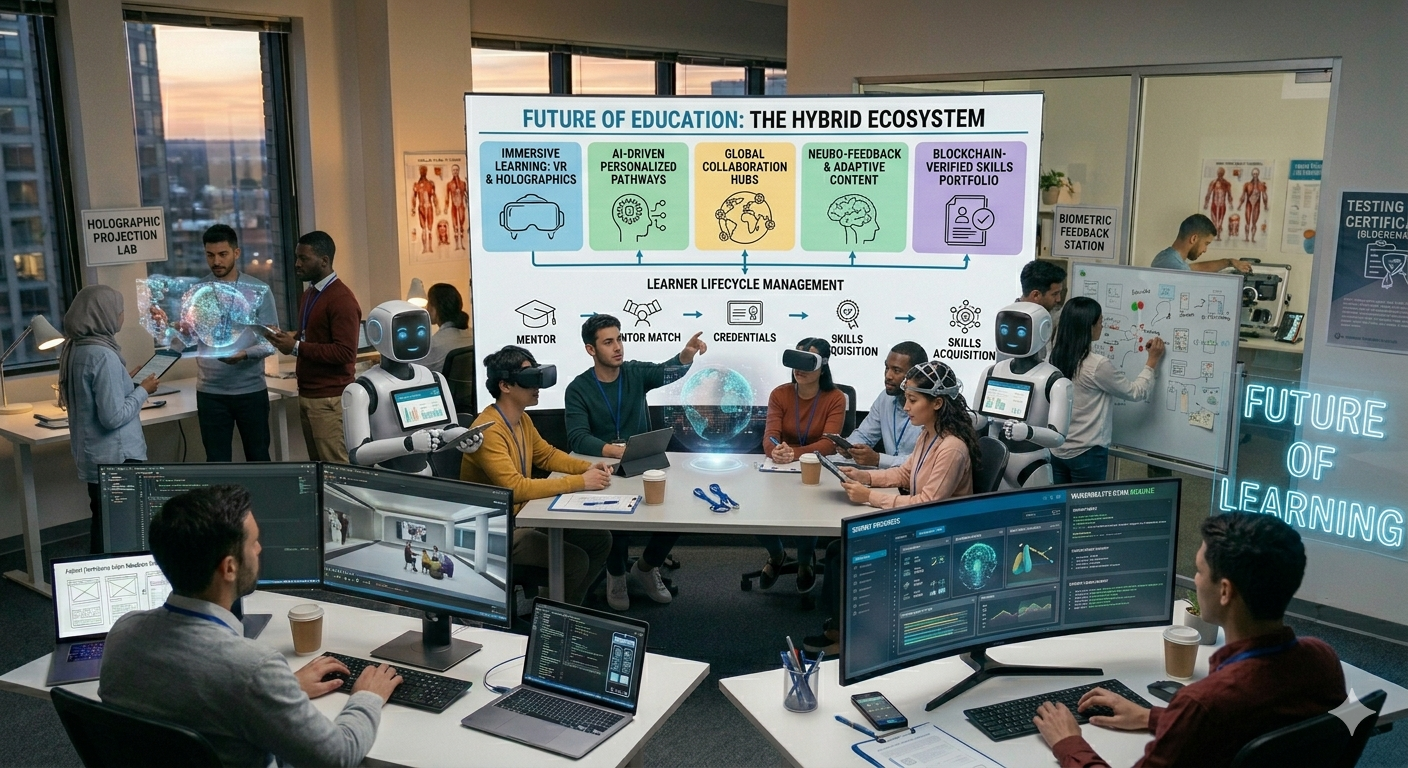
AI tutors, 5G VR lessons, metaverse classrooms, and blockchain credentials shape mobile learning’s future. Emotion AI personalizes further by reading engagement levels.
Conclusion
The role of mobile apps in learning has shifted education from rigid classrooms to flexible, personalized journeys that engage every learner. They boost retention, accessibility, and outcomes while empowering teachers with data tools. As technology advances, mobile apps will make quality education universal—download one today to experience the difference!
role of mobile apps in learning, mobile apps in education, mobile learning benefits, educational apps, mLearning apps, gamified learning, personalized education apps, e-learning mobile, student engagement apps, EdTech mobile tools.
Ready to revolutionize your learning? Try our recommended apps now!
FAQ
What is the main role of mobile apps in learning?
They provide anytime access, personalization, gamification, and interactive content that boosts engagement and retention over traditional methods.
Do mobile apps improve academic results?
Yes—studies confirm 75% retention and 45% faster completion rates.
Are they safe for kids?
Top apps meet COPPA/GDPR with parental controls and encryption.
Can they replace teachers?
No—they enhance teaching through analytics and hybrid models.
Which subjects work best?
STEM, languages, test prep via simulations and adaptive practice.
Free options for all ages?
Khan Academy (K-12), Duolingo (languages), Coursera (adults).