
Introduction
When you open a website like Amazon or Netflix, everything you see — from the design to the search bar — is part of the frontend. But when you log in, make a purchase, or stream a movie, the backend is working silently behind the scenes.
Both frontend and backend development are essential pillars of modern web development. Though they work together, they involve different skills, tools, and technologies.
In this guide, you’ll learn the exact differences between frontend and backend development, the languages used, roles, salaries, and how to choose the right path in 2025.
What is Frontend Development?
Frontend development, also called client-side development, is all about creating what users see and interact with in their browsers.
Frontend developers transform UI/UX designs into functional interfaces using:
-
HTML (Structure)
-
CSS (Styling)
-
JavaScript (Functionality)
They ensure the website is responsive, fast, accessible, and user-friendly.
Common Frontend Frameworks (2025)
-
React.js — Most popular, backed by Meta.
-
Next.js — For server-side rendering and SEO optimization.
-
Vue.js — Lightweight and easy to learn.
-
Angular — Backed by Google, great for large apps.
Example:
When you hover over a button and it changes color — that’s frontend.
What is Backend Development?
Backend development, or server-side development, powers the behind-the-scenes logic that connects the website to the database and manages user requests.
It handles:
-
User Authentication (Login/Signup)
-
Database Management
-
Server Logic
-
API Integration
Common Backend Languages and Frameworks
-
Node.js (JavaScript)
-
Python (Django, Flask)
-
PHP (Laravel)
-
Java (Spring Boot)
-
Ruby (Rails)
Example:
When you submit a login form, your details go to the server, get verified, and send a response — that’s backend.
Frontend vs Backend — Key Differences Table
| Feature | Frontend Development | Backend Development |
|---|---|---|
| Focus Area | User interface (UI) and visuals | Logic, database, and server |
| Languages | HTML, CSS, JavaScript | Node.js, Python, PHP, Java |
| Frameworks | React, Vue, Angular | Express, Django, Laravel |
| Responsibility | Design and interactivity | Data handling and business logic |
| Tools | VS Code, Figma, Chrome DevTools | Postman, Git, Docker |
| Output | Visual web pages | Functional database connections |
| Goal | Better user experience | Stable data management |
How Frontend and Backend Work Together
Web development is a collaborative process where frontend and backend communicate constantly.
-
Frontend: Collects user input (like a login form).
-
Backend: Validates and processes the input via an API.
-
Database: Stores or retrieves the data.
-
Frontend: Displays results to the user.
Example: When you search for a product on an e-commerce website —
-
Frontend: Displays the search box and product results.
-
Backend: Fetches matching data from the database.
Together, they form a Full Stack Web Application.
Frontend Developer Role
Frontend developers are responsible for building:
-
Responsive web pages
-
Smooth navigation
-
Interactive features (menus, sliders, animations)
-
UI optimization for mobile and desktop
They often work closely with UI/UX designers to implement visually appealing and consistent interfaces.
Backend Developer Role
Backend developers ensure:
-
Secure data management
-
API creation and integration
-
Server configuration
-
Performance optimization
They work with databases like MySQL, MongoDB, and PostgreSQL to handle large amounts of data efficiently.
Which Has Better Career Scope in 2025?
Both roles are in high demand. However, trends show increasing need for frontend developers skilled in React and Next.js, as well as backend developers familiar with Node.js and cloud technologies.
| Role | Demand (2025) | Average Salary (India) |
|---|---|---|
| Frontend Developer | Very High | ₹5–12 LPA |
| Backend Developer | High | ₹6–14 LPA |
| Full Stack Developer | Extremely High | ₹8–20 LPA |
If you love visuals, creativity, and UI — choose Frontend.
If you enjoy logic, databases, and problem-solving — go for Backend.
You can also combine both and become a Full Stack Developer for even more opportunities.
Required Skills for Both Roles
Frontend Skills:
-
HTML5, CSS3, JavaScript
-
Responsive Design
-
Frameworks (React, Vue)
-
Git/GitHub
-
API consumption
Backend Skills:
-
Programming language (Node.js/Python)
-
Database Management (SQL/NoSQL)
-
Server setup (AWS, DigitalOcean)
-
Authentication (JWT, OAuth)
-
API creation
Tools for Collaboration
Modern developers use collaboration tools like:
-
GitHub: Version control
-
Postman: API testing
-
Figma: UI design previews
-
Slack: Team communication
-
Jira: Project tracking
FreeCodeCamp Full Stack Roadmap – a trusted source to learn both frontend and backend development.
Future of Web Development
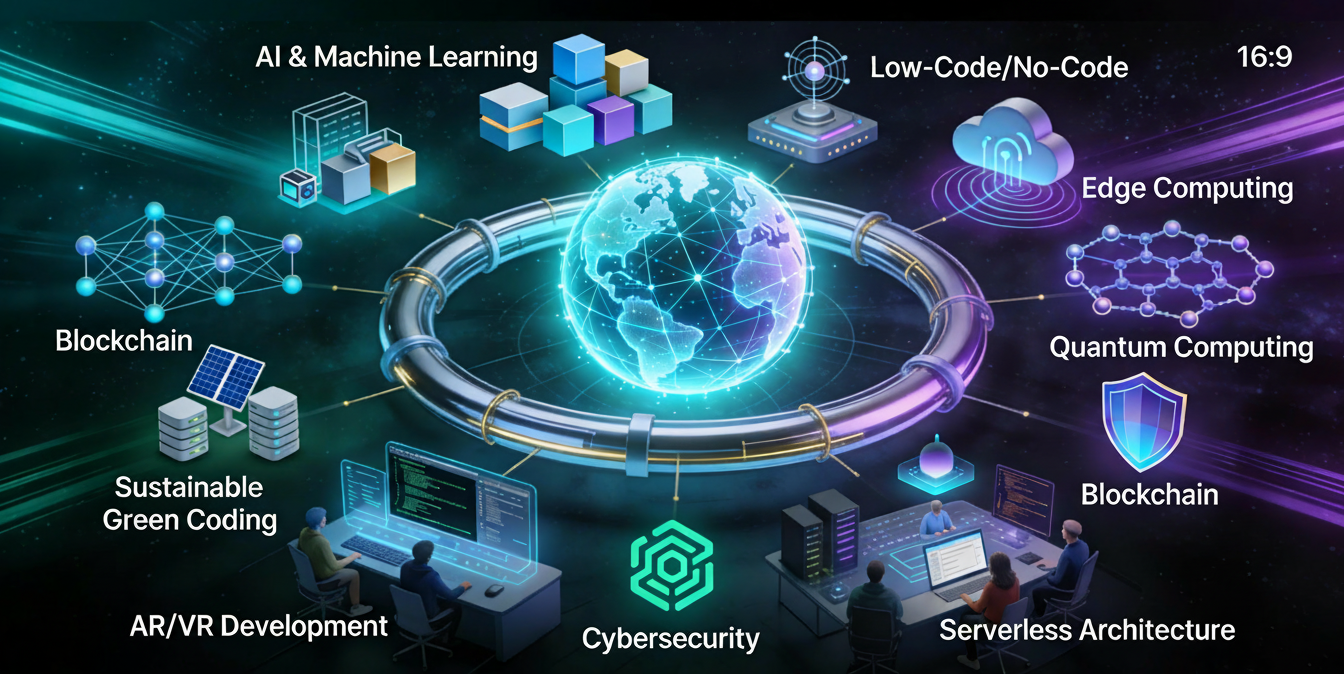
In 2025 and beyond, AI integration, WebAssembly, and serverless technologies are changing the way websites are built.
The line between frontend and backend is blurring due to full-stack JavaScript (React + Node.js). Developers who learn both sides are highly valued.
Conclusion
Both frontend and backend development are crucial in building modern web applications. The frontend gives users a delightful experience, while the backend ensures that everything works smoothly behind the scenes.
If you’re starting your journey in web development, begin with frontend — it’s visual, intuitive, and gives quick results. Then, gradually explore backend technologies to become a versatile full-stack developer.
No matter which you choose, consistent learning and hands-on projects will make you a successful developer in 2025.
FAQs
1. Which is easier: frontend or backend?
Frontend is easier to start with, while backend requires more logic and database knowledge.
2. Can one person do both frontend and backend?
Yes, such developers are called Full Stack Developers.
3. Which language is best for backend in 2025?
Node.js and Python are the top choices.
4. Which pays more — frontend or backend?
Backend usually pays slightly higher, but frontend developers with React expertise earn equally well.
5. Can I switch from frontend to backend later?
Yes, both share JavaScript as a common ground if you use Node.js.
6. Do backend developers need design skills?
Not necessarily, but understanding UI/UX helps in better collaboration.