Introduction
The world is changing — and it’s happening at digital speed. Digital transformation has evolved from being a buzzword to a fundamental necessity for every business. It’s not just about adopting new technologies but about reimagining how organizations operate, deliver value, and connect with customers.
In 2025, companies that embrace digital transformation are leading markets, while those that resist it risk falling behind. From cloud computing to AI-driven automation, digital innovation is redefining the global economy.
What Is Digital Transformation?
Digital transformation is the integration of digital technologies into all areas of business, changing how companies operate and deliver value. It involves adopting new tools, automating processes, and building a culture that embraces continuous innovation.
Key aspects include:
-
Technology Adoption: Using AI, cloud, and analytics.
-
Process Optimization: Automating workflows and operations.
-
Cultural Change: Encouraging adaptability and innovation.
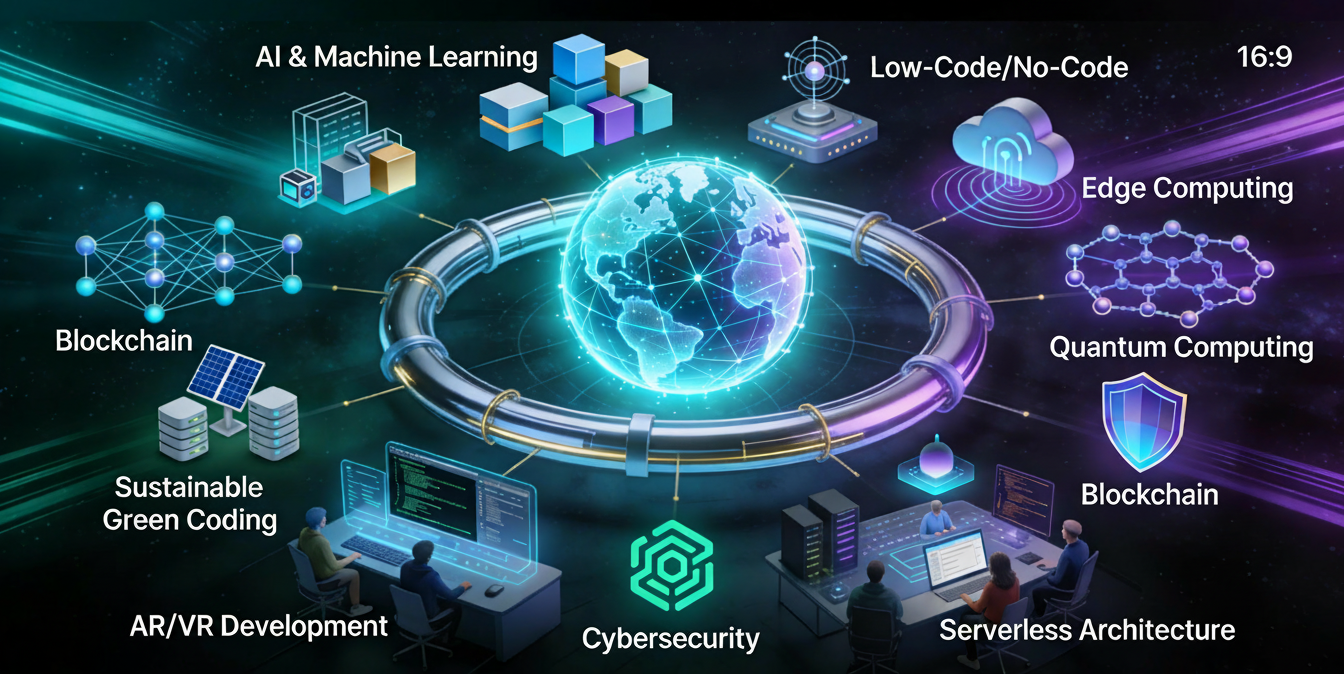
Core Technologies Powering Digital Transformation
-
Artificial Intelligence (AI): Enables automation, predictions, and personalization.
-
Cloud Computing: Offers scalability and remote accessibility.
-
Internet of Things (IoT): Connects devices for real-time data exchange.
-
Big Data Analytics: Transforms raw data into actionable insights.
-
Blockchain: Adds transparency and security to transactions.
-
5G Networks: Enables faster, more reliable digital experiences.
Benefits of Digital Transformation
-
Speed & Agility: Faster decision-making and innovation.
-
Customer Satisfaction: Real-time personalization and engagement.
-
Cost Efficiency: Automation reduces operational expenses.
-
Business Continuity: Cloud services ensure resilience and scalability.
-
Sustainability: Digital solutions minimize resource waste and paper usage.
Challenges in Digital Transformation
While transformation offers benefits, it also brings challenges:
-
Cybersecurity Risks: Increased digital exposure demands stronger protection.
-
Legacy Systems: Outdated technology slows innovation.
-
Cultural Resistance: Employees may fear change or automation.
-
High Initial Costs: Digital tools require upfront investment.
The Future of Digital Transformation
The next phase of transformation focuses on AI-first ecosystems, automation, and sustainability.
-
Hyper-Automation: Everything that can be automated will be.
-
Green IT: Businesses are adopting eco-friendly digital solutions.
-
AI-Driven Decision Making: Predictive insights guide leadership.
-
Metaverse Integration: Blending digital and physical experiences.
Conclusion
Digital transformation is not just a technological upgrade — it’s a mindset shift. In 2025, success depends on how quickly businesses adapt to change, leverage data, and deliver value through innovation.
As AI, cloud computing, and automation continue to evolve, one thing is clear:
“Digital transformation is the bridge between today’s challenges and tomorrow’s possibilities.”
FAQ Section
Q1. What is digital transformation in simple terms?
It’s the process of using technology to improve how businesses operate and serve customers.
Q2. Which technologies drive digital transformation?
AI, cloud computing, IoT, big data, and automation.
Q3. Why is digital transformation important?
It enhances efficiency, innovation, and customer satisfaction while reducing costs.
Q4. What are common challenges?
Cybersecurity, cost, and cultural resistance to change.
Q5. Is digital transformation only for big companies?
No — small and medium businesses also benefit from automation and cloud tools.