Common Mistakes in AI Product Development: The Enterprise Guide to Avoiding Costly Failures (2026)
The allure of artificial intelligence has driven a massive wave of corporate investment. Yet, a stark reality remains hidden behind the triumphant press releases: a vast majority of enterprise AI initiatives fail to reach production, or fail to deliver meaningful return on investment (ROI) once deployed.
Building an AI-powered product is fundamentally different from traditional software engineering. In standard software development, logic is deterministic, code behavior is predictable, and codebases scale linearly. AI systems, however, are probabilistic, heavily dependent on volatile data dynamics, and prone to silent degradation.
This comprehensive blueprint outlines the most critical, high-impact mistakes organizations make during AI product development and provides actionable, human-centered strategies to ensure your applications succeed.
1. Mistake #1: Falling in Love with the Tech, Not the Problem
The single most common driver of AI product failure is “Technology-First Thinking.” This occurs when an executive team or engineering group becomes enamored with a cutting-edge model architecture—such as generative multi-agent systems or ultra-large vision transformers—and goes searching for a corporate problem to solve with it.
+-----------------------------------------------------------------------+ | PRODUCT ALIGNMENT PARADIGM | +-----------------------------------------------------------------------+ | THE FLIPPED APPROACH | THE RIGHT APPROACH | | (High Risk of Failure) | (Engineered for ROI) | | "We have this incredible LLM, how | "Our users are losing 4 hours a day | | can we force it into our user flows?" | to manual document sorting. What's | | | the simplest tech to fix this?" | +-----------------------------------------------------------------------+The Operational Solution
Successful AI products are built backwards. Start with a deep, qualitative analysis of user pain points or operational bottlenecks. If a simple, rule-based heuristic or a classic deterministic script can solve the issue with 95% efficiency, do not deploy a complex machine learning model. AI should only be introduced when the problem involves high-dimensional, unstructured data, or requires probabilistic prediction at a scale humans cannot match.
2. Mistake #2: Treating Data Quality as a Secondary Checkbox
An AI model possesses no inherent magic; it is simply a reflection of the historical data it consumes. Many enterprise teams spend months fine-tuning complex model hyperparameters while feeding the system fragmented, unstructured, or deeply biased training data.
The Traps of Poor Data Management
-
The Garbage In, Garbage Out Cycle: If your customer sentiment model is trained on messy, uncurated support logs filled with duplicate entries, formatting errors, and conflicting labels, the model will output unpredictable, low-confidence predictions.
-
Data Leakage: A critical technical error where information from the target testing dataset accidentally seeps into the training data. This causes the model to show flawless, deceptive accuracy scores during development, only to completely collapse the moment it encounters live, real-world user data.
[Messy, Uncurated Training Data] ---> [Complex Model Fine-Tuning] ---> [Erratic, High-Hallucination Output]The Operational Solution
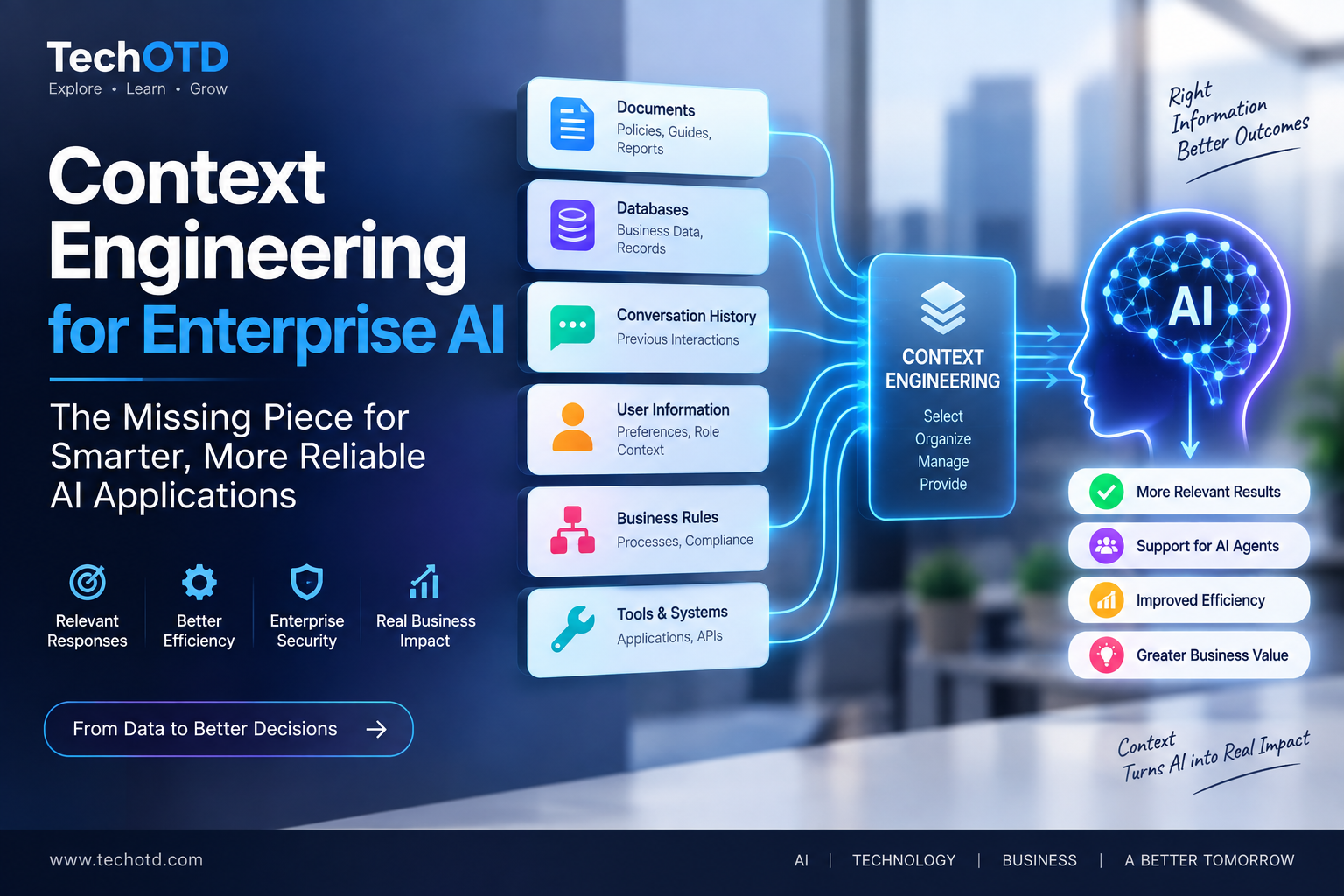
Adopt a data-centric AI philosophy. Shift your engineering hours away from model tweaking and toward aggressive data engineering. Invest heavily in automated cleaning pipelines, strict labeling standards, data deduplication, and rigorous validation mechanisms before your data touches a model.
3. Mistake #3: Underestimating the “Hidden Costs” of the AI Lifecycle
Traditional software applications are relatively inexpensive to maintain once the initial code is deployed. AI products, conversely, incur substantial, continuous operational overhead that can quickly drain project budgets if not forecasted accurately.
| Cost Element | Traditional Software | AI-Powered Product |
| Initial Prototyping | Moderate development costs. | Low-cost API access, high initial data curation costs. |
| Compute Infrastructure | Predictable, static cloud hosting. | High-compute GPU clusters and variable token transaction costs. |
| System Maintenance | Occasional bug fixes and security updates. | Continuous model monitoring, logging infrastructure, and regular retraining cycles. |
| Performance Over Time | Highly stable code behavior. | Data Drift: Performance degrades silently as real-world user behavior shifts. |
The Silent Threat of Data Drift
The moment an AI model is deployed to production, it begins to age. Consumer trends change, new industry jargon emerges, and macroeconomic realities shift. If an e-commerce recommendation model trained on 2024 data encounters the purchasing patterns of 2026, its predictive power drops sharply. This is data drift, and countering it requires continuous monitoring, prompt logging, and programmatic retraining infrastructure.
4. Mistake #4: Designing Abstract User Experiences Without Guardrails
Many AI products fail not because the underlying machine learning logic is flawed, but because the user interface (UI) forces users into frustrating interactions. If an AI writing tool or automated workflow agent presents a massive, blank chat box with zero context, users face prompt fatigue and a steep learning curve.
The Danger of Hidden Errors
Because AI models output information probabilistically, they will occasionally make mistakes with absolute confidence. If your UI outputs these answers directly to an end-user or customer without clear confidence metrics or validation filters, it erodes user trust instantly.
The Operational Solution
Design your product layouts around an assisted user experience. Instead of forcing users to invent complex prompts from scratch, provide intuitive contextual UI elements—such as auto-suggested next steps, smart formatting chips, and explicit swipe-to-approve cards.
Always design visible interfaces that clearly signal when the AI is processing low-confidence calculations, giving users a seamless mechanism to step in and override the system manually.
5. Mistake #5: Skipping Ironclad Security and Data Governance
In the rush to capture market share, development teams often treat security, compliance, and governance as compliance burdens to handle right before launch. In the AI era, this oversight introduces massive legal and operational vulnerabilities.
Critical Security Blind Spots in AI Development
-
Proprietary Data Exposure: Accidentally routing sensitive corporate data, employee records, or consumer PII into external APIs that use those data inputs to train public models.
-
Prompt Injection Vulnerabilities: Bad actors passing hidden instructions inside user-facing text boxes to bypass system safety walls, exposing underlying system architectures or stealing proprietary data.
-
Regulatory Violations: Deploying black-box algorithms in highly regulated sectors (like banking, insurance, or healthcare) without a trace mechanism to explain exactly how the AI reached a specific financial or clinical decision.
The Operational Solution
Establish an airtight, multi-layered security framework at day one of your development cycle:
[User Text Input] ---> [Input Sanitization & Injection Shield] ---> [Isolated Enterprise VPC Engine] ---> [Output Compliance Verification]Isolate your compute workloads within private, secure cloud tenants. Implement strict input sanitization filters to block malicious system prompts, and execute automated compliance verification on model outputs before they reach the interface.
6. A Disciplined Framework for AI Product Success
To ensure your AI development initiatives deliver predictable business value, replace ad-hoc development sprints with a systematic, four-phased deployment blueprint.
Phase 1: Rapid, Cost-Controlled Prototyping
Before writing custom machine learning models or spending thousands on data engineering, validate the core product hypothesis. Use pre-built, commercial APIs alongside low-code orchestration layers to create a crude, low-cost prototype. Test this initial concept with a tight focus group to verify that solving the problem actually generates measurable user engagement.
Phase 2: Architecting the Data Pipeline
Once the prototype proves the business value, pause model development to focus entirely on data infrastructure. Establish automated data ingestion, cleaning, and normalization frameworks. Implement secure data lake storage and build advanced vector databases to handle Retrieval-Augmented Generation (RAG) context routing efficiently.
Phase 3: Implementing Multi-Agent Orchestration
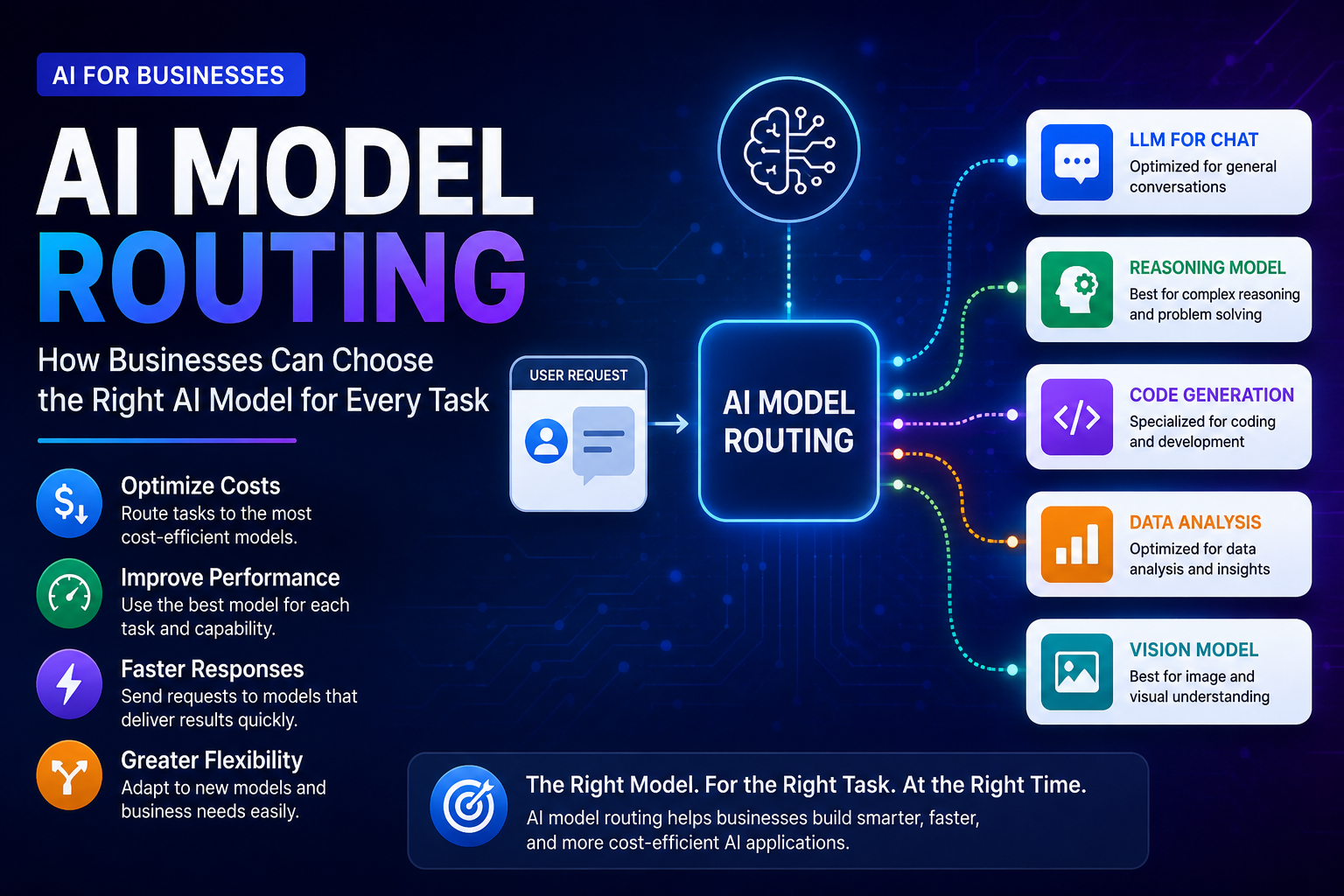
Avoid relying on a single, oversized model to execute complex enterprise workflows. Instead, design a modular, multi-agent architecture. Assign discrete, hyper-specialized sub-agents to handle specific tasks (e.g., one agent for initial data extraction, one for compliance checking, and one for text generation). Connect these units using central evaluation scripts that validate the quality of each step sequentially.
Phase 4: Production Scaling and MLOps Governance
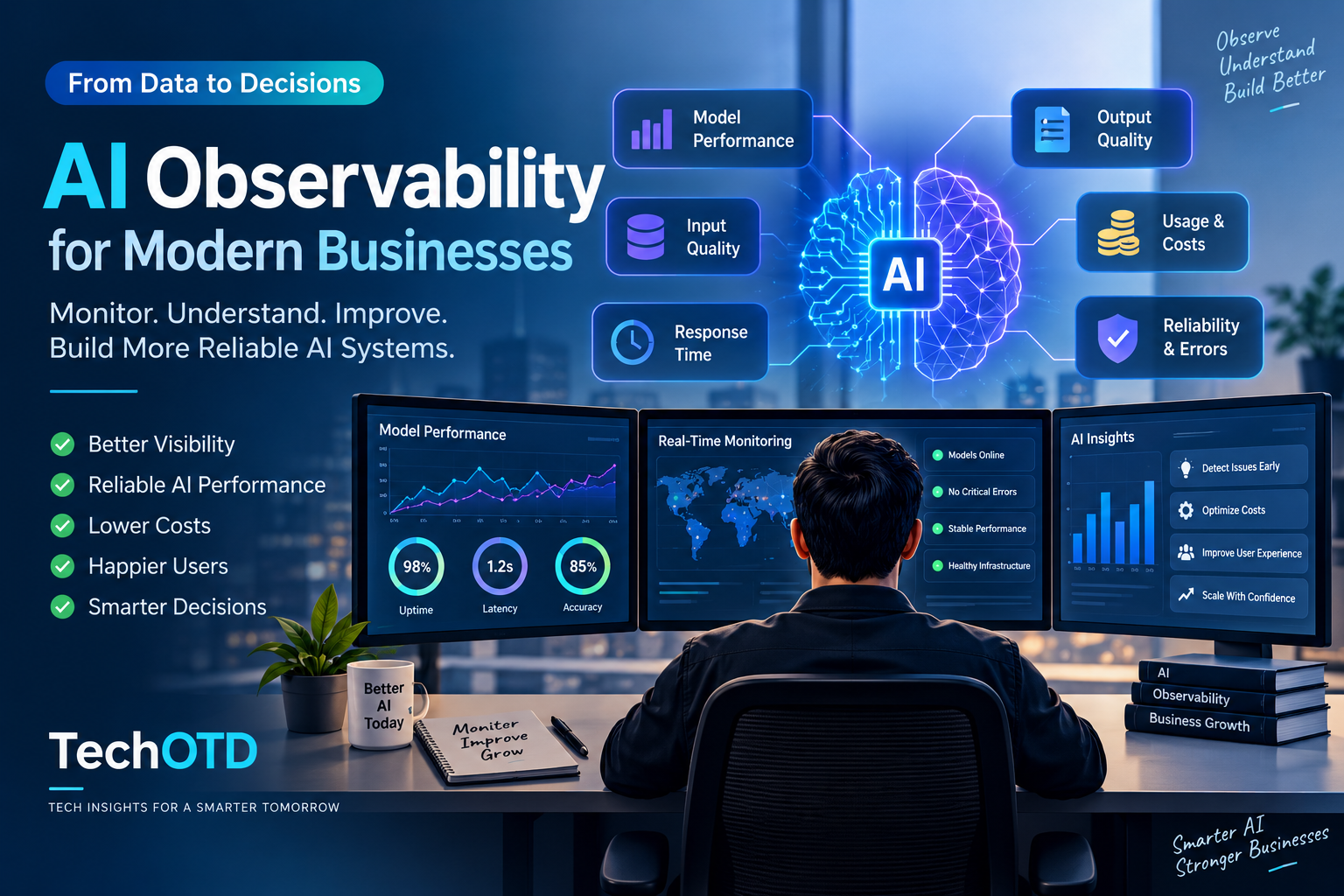
Deploy the application to production through an incremental, staged rollout strategy. Integrate robust Machine Learning Operations (MLOps) tracking software from day one. Continuously monitor transaction latency, token expenditure metrics, confidence scoring trends, and data drift indicators, using this real-time telemetry to plan structured model updating schedules safely.
Final Thoughts: Building for Sustainable Scale
AI product development is a highly rewarding, deeply transformative discipline, but it demands an entirely new operational playbook. Organizations that continue to treat AI as a traditional software upgrade will find themselves trapped in infinite prototyping loops, facing runaway cloud costs and user friction.
By anchoring your product strategy to genuine human problems, prioritizing data quality over algorithmic hype, budgeting accurately for the continuous operational lifecycle, and enforcing strict security boundaries, your enterprise can build robust, highly intelligent applications that deliver measurable competitive advantages well into the future.