Introduction
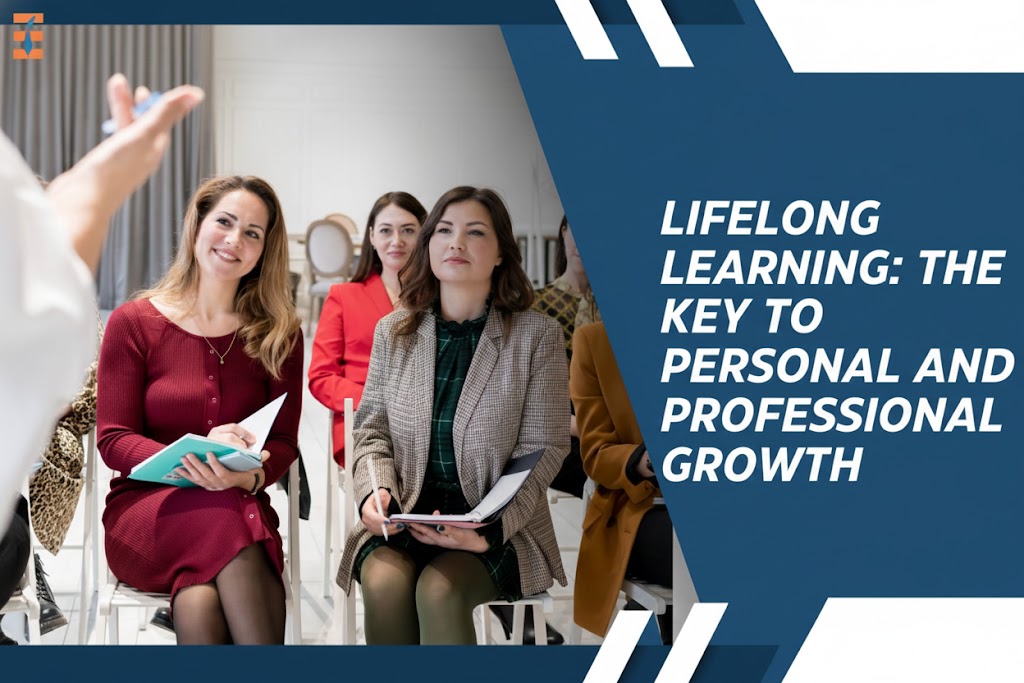
Learning does not end with formal education. In today’s fast-changing world, knowledge becomes outdated quickly, and skills must evolve continuously. This reality has made lifelong learning an essential component of both personal and professional success.
Lifelong learning refers to the ongoing process of acquiring new knowledge, skills, and competencies throughout life. It helps individuals stay relevant in their careers, adapt to change, and achieve personal fulfillment.
In this blog, we explore the importance of lifelong learning, its benefits, types, challenges, and strategies for cultivating a lifelong learning mindset.
What Is Lifelong Learning?
Lifelong learning is the continuous pursuit of knowledge beyond traditional schooling. It includes formal education, self-directed learning, workplace training, and experiential learning.
Forms of Lifelong Learning
-
Formal education (degrees, certifications)
-
Informal learning (reading, podcasts)
-
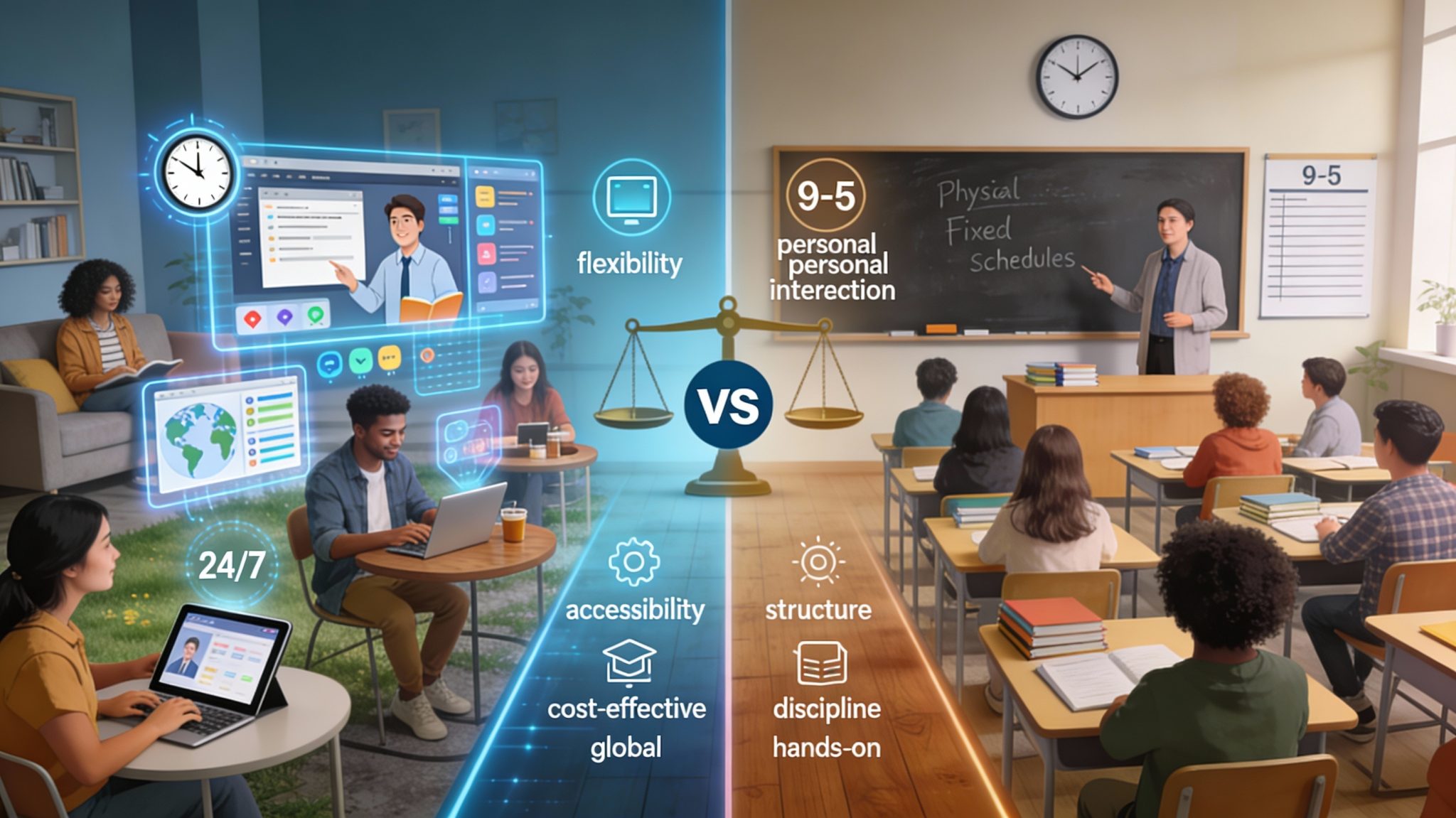
Non-formal learning (workshops, online courses)
Lifelong learning occurs at every stage of life.
Why Lifelong Learning Is Important
1. Adapting to Change
Technology and industries evolve rapidly. Continuous learning helps individuals adapt to new tools and practices.
2. Career Growth
Lifelong learners are more likely to advance professionally.
3. Personal Fulfillment
Learning enhances creativity, confidence, and curiosity.
4. Cognitive Health
Continuous learning improves memory and mental agility.
Lifelong Learning and Career Development
Employers value professionals who continuously update their skills.
Benefits for Professionals
-
Increased employability
-
Better job security
-
Higher earning potential
Lifelong learning supports career transitions and leadership development.
Types of Lifelong Learning
Self-Directed Learning
Independent learning through books, videos, and online resources.
Professional Development
Training programs and certifications.
Experiential Learning
Learning through real-world experiences.
Challenges in Lifelong Learning
-
Time constraints
-
Lack of motivation
-
Financial barriers
Overcoming these challenges requires planning and commitment.
How to Develop a Lifelong Learning Mindset
-
Set learning goals
-
Stay curious
-
Use digital learning platforms
-
Reflect on learning experiences
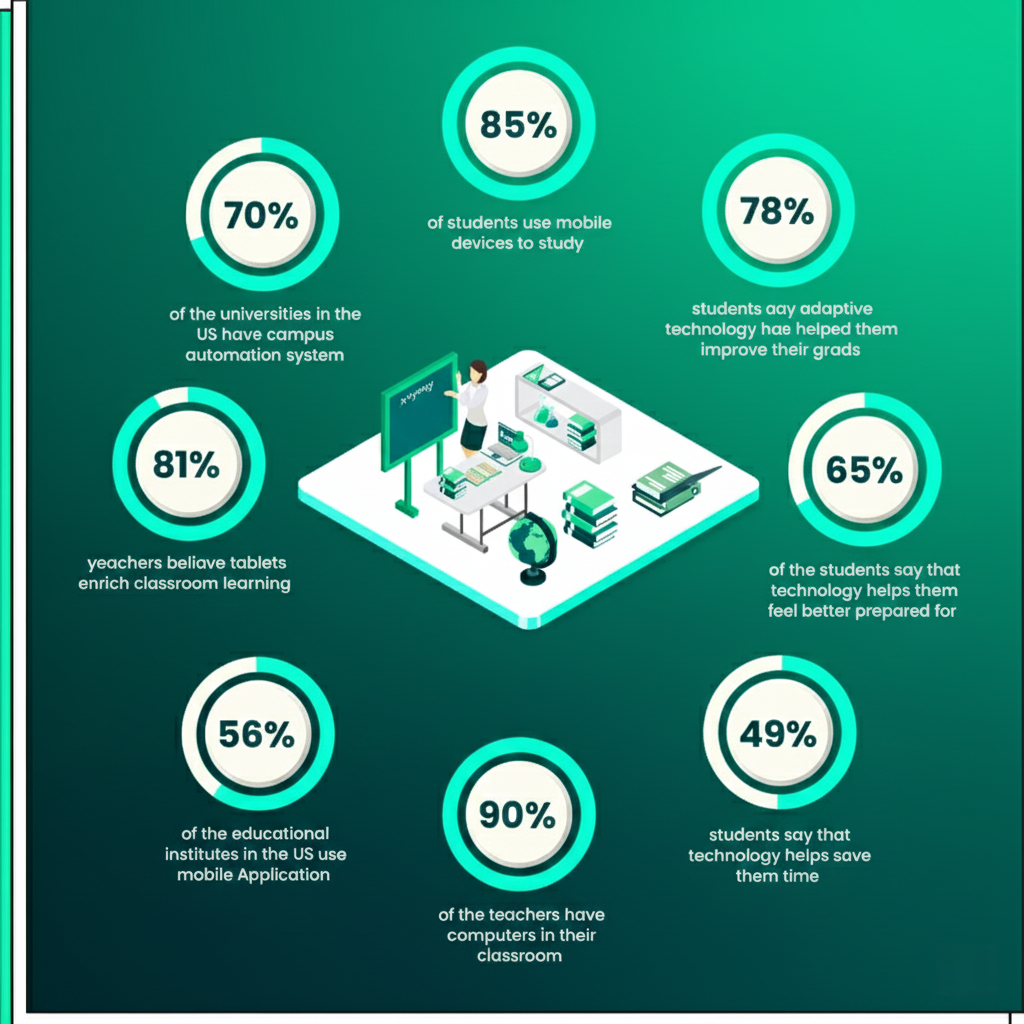
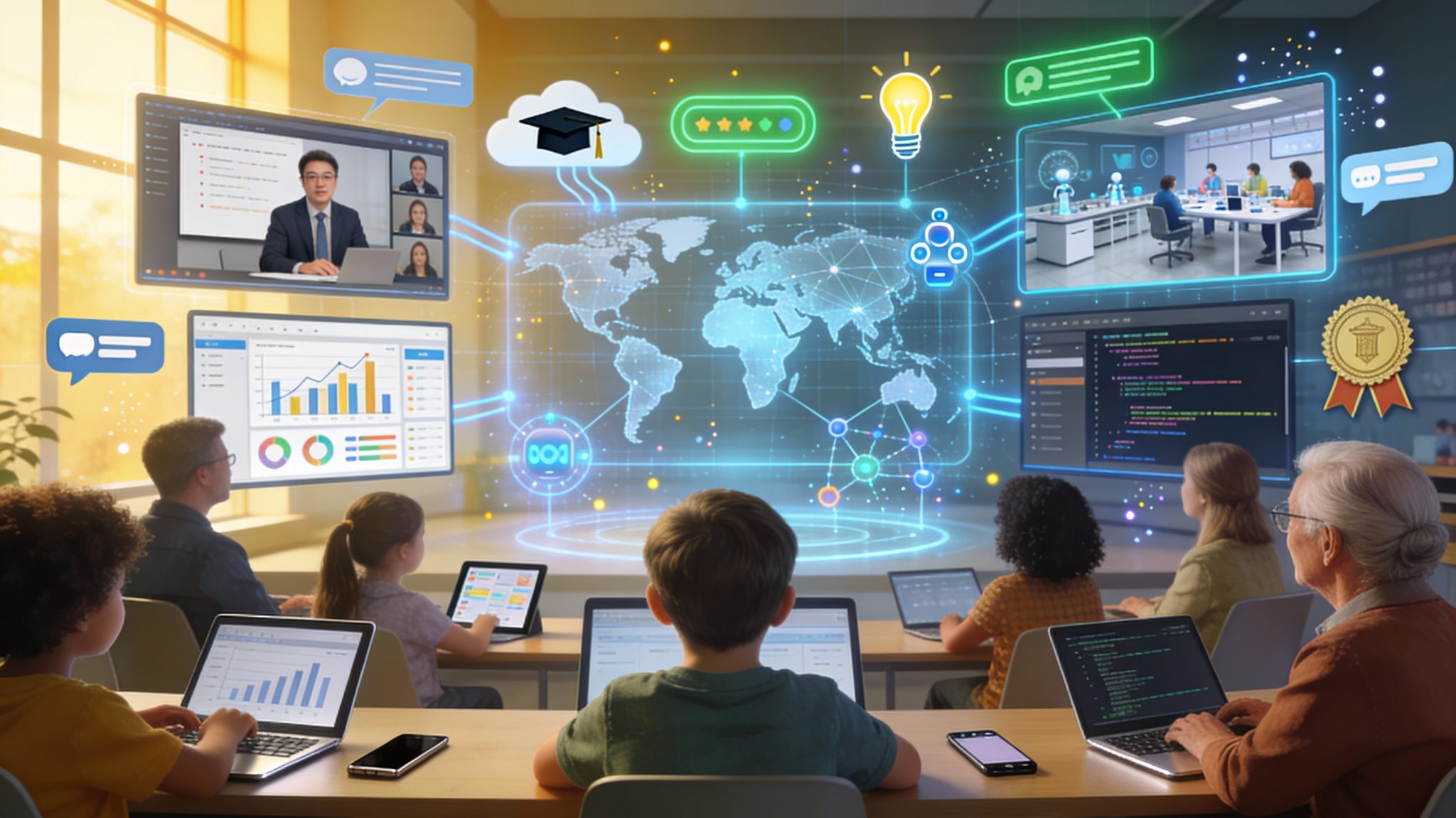
Role of Technology in Lifelong Learning
Technology enables:
-
Online courses
-
Mobile learning
-
AI-driven recommendations
Digital tools make learning accessible and personalized.
Lifelong Learning in Education Systems
Modern education systems emphasize lifelong learning skills such as critical thinking, adaptability, and digital literacy.
Conclusion
Lifelong learning is essential for personal fulfillment and professional success. By embracing continuous learning, individuals can adapt to change, enhance their skills, and achieve long-term growth.
Frequently Asked Questions (FAQs)
1. What is lifelong learning?
It is the continuous pursuit of knowledge throughout life.
2. Why is lifelong learning important?
It helps individuals stay relevant and adaptable.
3. Can lifelong learning improve career prospects?
Yes, it enhances employability and growth.
4. Is lifelong learning only for professionals?
No, it benefits individuals of all ages.
5. How can I start lifelong learning?
Start with small goals and use online resources.
6. What role does technology play?
Technology makes learning accessible and flexible.
Connect With Us: https://www.facebook.com/profile.php?id=61555452386126